


Risk-Controlled VB6 to VB .NET Migration
CodeShift VB modernizes legacy VB6 systems through structured migration workflows, AI-assisted error stabilization, and engineering-governed execution.
10,000+ Lines
proven legacy conversion in large, real-world codebases

Up to 80%
Reduction

When Legacy Stability Becomes an Enterprise Risk
Long-standing VB6 systems often appear stable, until modernization becomes increasingly necessary.

Legacy Security Exposure
Outdated OS and VB6 runtime increase security risk

Hidden Logic Accumulation
Undocumented business logic embedded in legacy code

Knowledge Attrition
Declining VB6 expertise raises maintenance risk

Integration Constraints
Legacy architecture limits cloud and API integration

Testing & Recovery Cost
Post-migration defects increase recovery cost

Governance & Continuity Risk
Unstructured migration leads to unpredictable outcomes
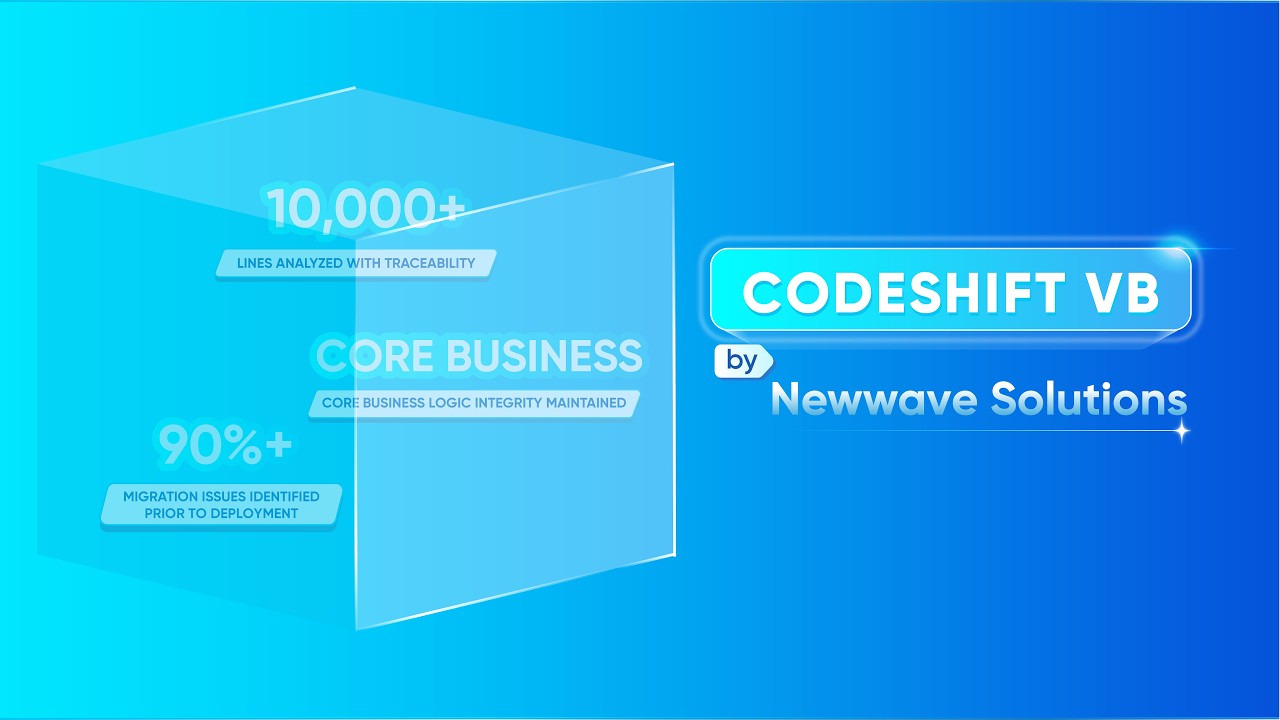
How We Govern VB6 Migration
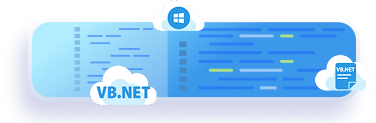
This demo shows the CodeShift VB migration workflow, from structured VB6 conversion and AI-assisted compile stabilization to engineer-validated VB.NET output.
Request Migration ReviewCore Capabilities of CodeShift VB
Beyond code conversion, CodeShift VB provides a structured framework for VB6 modernization.

Structured Code Conversion
Standardized VB6-to-VB.NET transformation with traceable structure preservation.

AI-Assisted Compile Stabilization
AI analyzes compile errors and suggests fixes to accelerate migration stabilization

Pattern-Based Remediation
Reusable correction patterns resolve recurring migration issues

Engineer-Governed Validation
Engineers review and validate AI suggestions to protect business logic

Deployment Readiness
Structured rebuild and testing checkpoints prepare systems for deployment

Traceability & Reporting
Migration changes and validation steps are fully tracked and documented
From Assessment to Controlled Deployment
A governed migration workflow where engineers lead conversion and validation, with AI assisting compile stabilization and pattern-based fixes under structured control.

Engineer-led analysis of legacy architecture to define migration scope and risk boundaries.

Execute standardized VB6 to VB.NET transformation with full traceability

Assist compile error analysis and remediation within a controlled stabilization cycle


Apply predefined correction patterns to common compile errors.

Compile the solution and collect remaining errors.

Analyze build errors and suggest corrective actions for review.

Engineers verify and apply validated fixes to the source code.

Recompile to confirm resolution and ensure stability.


Execute controlled rollout with rollback safeguards.

Validate functionality and confirm operational readiness.

Refine architecture and validate business logic for maintainability.

Maintain structured logs, validation records, and version visibility across the lifecycle.

Engineer-Governed Execution
While AI assists compile stabilization and pattern-based fixes, engineers remain responsible for validation, decision-making, and deployment control throughout the migration process.


Engineer Review of AI Fixes
All AI-generated fixes are reviewed before being applied.

Controlled Stabilization Cycles
Engineers validate compile results at each rebuild stage.

Business Logic Verification
Critical application logic is checked to ensure functional continuity.

Deployment Authorization
Migration outputs are released only after engineer-led testing.
Traditional VB6 Migration vs Structured AI-Assisted Migration
Comparing traditional migration practices with the structured CodeShift VB approach
| Aspect | Traditional VB6 Migration | CodeShift VB Approach |
|---|---|---|
| Migration Execution | Manual developer conversion | Structured conversion with AI-Assisted stabilization |
| Error Resolution | Manual debugging | AI-Supported pattern fixes with engineer review |
| Validation Model | Developer verification | Structured rebuild and validation cycles |
| Migration Governance | Developer-led governance with project-specific control | Engineer-governed migration workflow |
| Risk Control | Reactive issue handling | Controlled checkpoints and staged validation |
| Knowledge Accumulation | Individual expertise | Reusable pattern knowledge base |
| Delivery Predictability | Timeline varies widely | More predictable stabilization cycles |
| Refactoring Approach | High manual effort | Engineer-led refactoring with AI insights |
| Reporting & Traceability | Limited documentation | Structured logs and change tracking |
Frequently Asked Questions
How secure is my source code when using CodeShift VB?
How does CodeShift VB ensure controlled deployment?
Can CodeShift VB handle large or complex VB6 systems?
What role does AI play in CodeShift VB?


Take the Next Step in Your VB6 Modernization
Secure your VB6 system’s future today.CodeShift VB delivers a governed modernization path designed to protect critical logic and ensure predictable deployment outcomes.