


Scalable Software Architecture: Key Patterns for Future-Proof Apps
The demand for scalable software architecture is growing rapidly as businesses embrace cloud computing, IoT, and digital transformation to serve millions of users seamlessly. Without the right architecture, companies risk downtime, performance bottlenecks, and escalating costs that can slow growth and damage customer trust. This article provides a clear, structured guide on scalable software architecture, explaining its principles, patterns, and best practices to help you build reliable systems for the future.
What is Scalability in Software Architecture?
Scalability software architecture refers to the ability of a system to handle growing numbers of users, larger volumes of data, or higher transaction rates without losing speed, stability, or efficiency. Instead of requiring a complete redesign when demands increase, a scalable system can expand smoothly through strategies such as adding more servers, distributing workloads, using caching, or building smaller independent services that work together. The purpose is to keep applications reliable and cost-effective as businesses evolve and customer expectations rise.
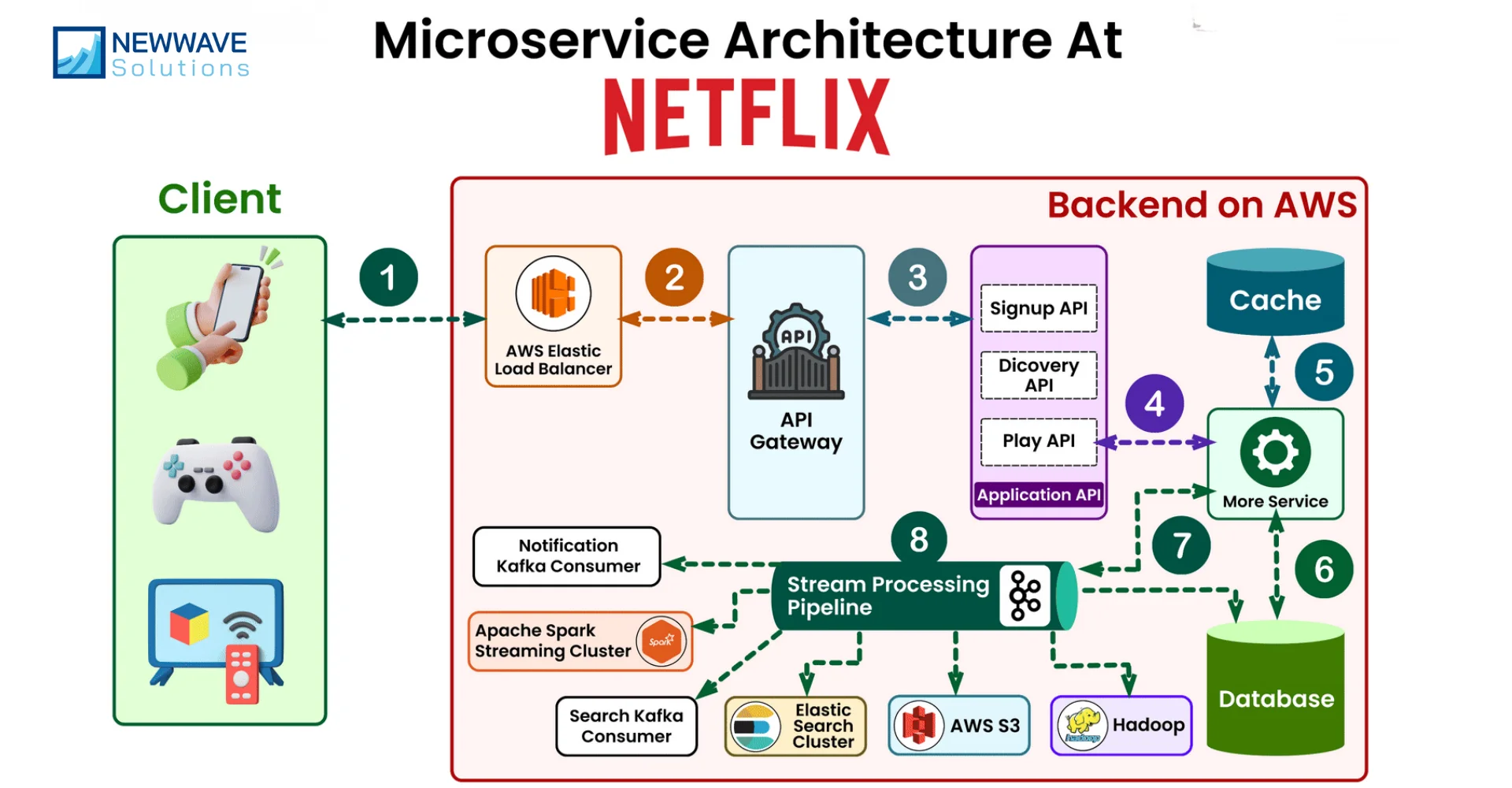
A popular example of Scalable Software Architecture is Netflix, which transitioned from a monolithic structure to a microservices-based scalable architecture to serve over 230 million global users. This shift allowed Netflix to handle massive spikes in traffic, such as when new shows are released, without crashes or delays, ultimately improving customer satisfaction and supporting its continued growth worldwide.
Why Scalability Matters for Modern Businesses?
Understanding what is scalability in software architecture is essential because it directly influences how well a business can grow, adapt, and remain competitive in fast-changing digital markets. A scalable system ensures that applications continue to perform effectively as user demand and data volumes increase.
Key Reasons Why Scalability Matters:
- Supports business growth: As companies expand, scalable software allows systems to handle more users and transactions without performance issues. For example, Amazon’s scalable e-commerce infrastructure ensures smooth shopping experiences during massive sales like Prime Day.
- Improves customer satisfaction: Applications that remain fast and responsive under heavy loads create positive user experiences, leading to higher retention and loyalty.
- Reduces long-term costs: By scaling resources efficiently instead of rebuilding systems, businesses avoid expensive redesigns and minimize operational waste.
- Enhances reliability and uptime: Scalable systems are less likely to crash during traffic spikes, protecting both revenue and brand reputation. Spotify is a strong example, as its scalable microservices architecture allows seamless streaming for millions of users at once.
- Future-proof digital investments: Scalability ensures that software can adapt to new technologies, markets, and customer needs, making it a sustainable foundation for long-term innovation.
5 Core Principles of Scalable Software Architecture
The foundation of scalable software architecture lies in a set of guiding principles that combine both theory and practical application. By following these principles, businesses can design systems that grow smoothly, stay reliable, and adapt to changing demands.
5 Key Architecture Principles:
- Modularity: Breaking applications into smaller, independent parts makes it easier to update, maintain, and scale specific components without disrupting the entire system.
- Elasticity: Designing systems that can scale up or down automatically ensures efficient resource use during both peak traffic and low-demand periods.
- Resilience: Building with fault tolerance and redundancy reduces downtime, allowing applications to recover quickly from failures.
- Maintainability: Writing clean, well-structured code and automating deployment pipelines simplifies updates and reduces the risk of errors.
- Observability: Implementing monitoring, logging, and performance metrics gives businesses visibility into how systems behave, enabling quick detection and resolution of issues.
4 Common Scalable Architecture Patterns (e.g., Microservices, Serverless, Event-driven)
In practice, scalability is achieved by applying well-established architectural patterns. Each pattern offers unique advantages, and choosing the right one depends on business goals, workloads, and system requirements.
4 Key Architecture Patterns:
- Microservices Architecture: Applications are split into loosely coupled services that communicate via APIs, enabling independent scaling of each function. This allows companies like Netflix to handle millions of users by scaling only the services that need more resources.
- Serverless Architecture: Cloud providers manage the infrastructure, allowing applications to scale automatically based on demand. This reduces operational costs and is especially useful for startups and MVPs that need rapid deployment.
- Event-Driven Architecture: Systems are designed around events, such as user actions or data updates, which trigger real-time responses. This approach is highly effective in e-commerce and IoT, where instant reactions to customer behavior are critical.
- Layered Architecture: Applications are organized into distinct layers, such as presentation, business logic, and data. This structure improves maintainability and clarity, although it may not offer the same flexibility as microservices.
Technologies & Tools That Support Scalable Architecture
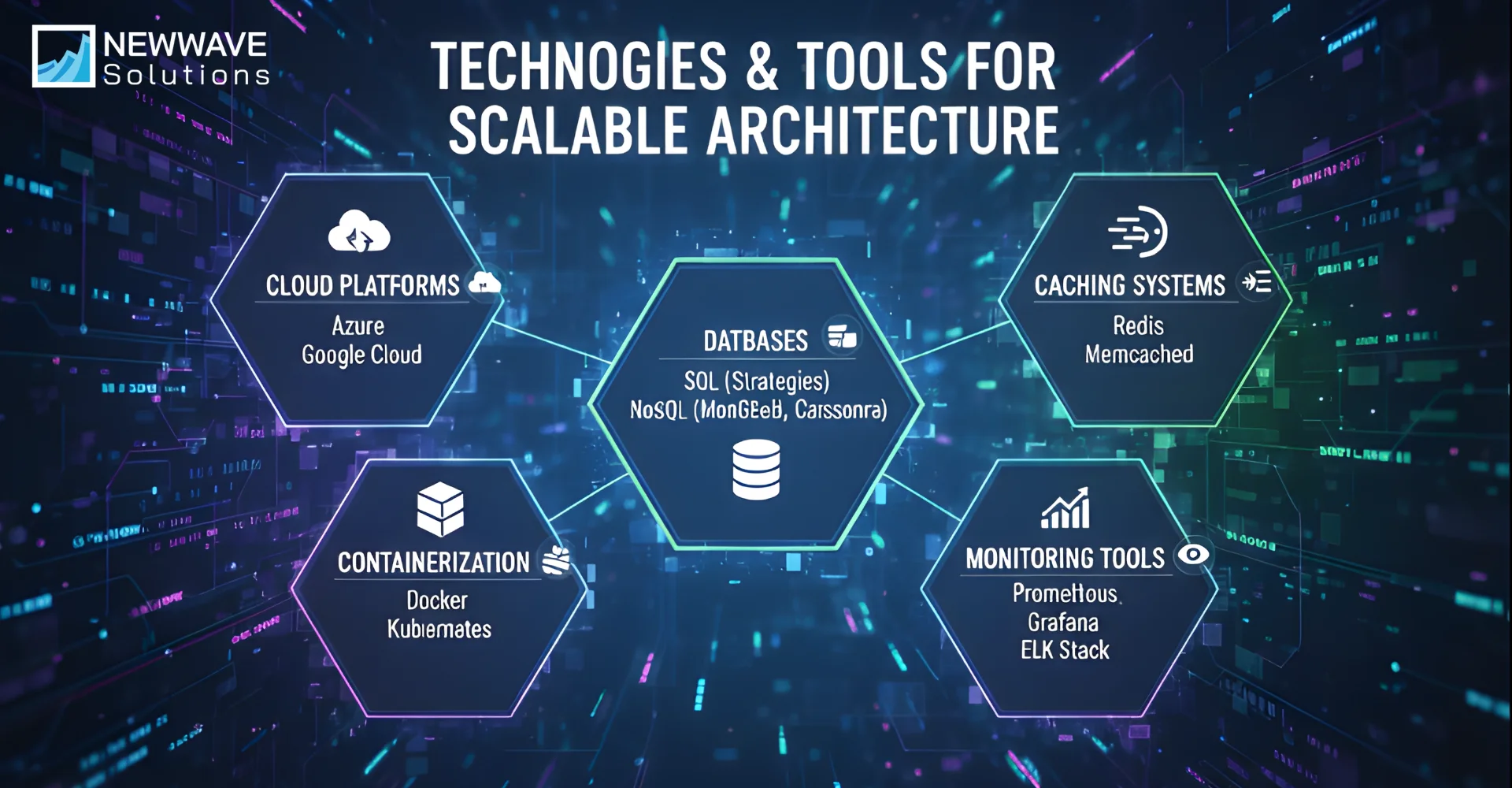
In one of my past projects, I faced the challenge of scaling an application that struggled under sudden traffic spikes. Through that experience, I investigated different tools and technologies designed to support scalable software architecture, and I want to share the most effective ones that consistently proved valuable.
5 Key Technologies and Tools:
- Cloud Platforms (AWS, Azure, Google Cloud): These platforms provide flexible infrastructure and managed emerging technology services that scale automatically, allowing businesses to expand globally without worrying about hardware limitations.
- Containerization (Docker, Kubernetes): Containers package applications into lightweight, portable units, while Kubernetes orchestrates them to balance loads and ensure continuous availability under varying demands.
- Databases (SQL with scaling strategies, NoSQL like MongoDB or Cassandra): Scalable databases handle growing volumes of data by supporting horizontal scaling, replication, and sharding, which helps maintain performance as usage increases.
- Caching Systems (Redis, Memcached): By temporarily storing frequently accessed data, caching systems reduce the load on databases and speed up user responses, which is especially critical in e-commerce or social media apps.
- Monitoring Tools (Prometheus, Grafana, ELK Stack): These tools provide insights into system health and performance, helping teams detect bottlenecks quickly and prevent failures before they impact users.
Best Practices for Building Scalable Software Architecture
Designing scalable systems requires not only the right tools but also the right approach. By following the best practices below, businesses can ensure that their applications remain stable, efficient, and adaptable as they grow.
- Start with scalability in mind: Plan for growth from the beginning rather than attempting to retrofit scalability after problems appear.
- Leverage cloud-native services: Use managed solutions for databases, storage, and serverless computing to reduce operational overhead and enable smoother scaling.
- Implement load balancing: Distribute traffic across multiple servers to prevent bottlenecks and maintain responsiveness during high demand.
- Automate testing and deployments: Continuous integration and delivery pipelines ensure that updates can be deployed reliably at scale.
- Optimize databases early: Apply indexing, partitioning, and replication strategies to keep data operations efficient as volumes grow.
- Use proactive monitoring and alerts: Detect and address performance issues before they affect users, ensuring uptime and reliability.
Challenges with Scalability in Software Architecture and How to Overcome Them
During one of my earlier experiments with building a high-traffic web application development service, I underestimated the complexity of scaling under real-world conditions. The system crashed during testing because I had not prepared for certain bottlenecks. From that failure, I learned that businesses often face common challenges when building scalable software architecture, and here are the main ones, along with practical solutions.
1. Performance Bottlenecks
The problem often arises when applications cannot process requests fast enough, especially under sudden spikes in user traffic. This leads to slow response times, frustrated users, and potential loss of revenue.
Solution: Use load balancing to distribute traffic across servers, apply caching to reduce database queries, and profile your application regularly to identify slow processes.
2. Data Management Complexity
As data volumes grow, poorly designed databases can become overwhelmed, causing delays and even system failures. This impacts everything from analytics to customer transactions.
Solution: Adopt scalable databases such as NoSQL for high-volume workloads, implement sharding and replication strategies, and optimize queries to maintain performance.
3. High Infrastructure Costs
Scaling systems without a plan can quickly become expensive, especially when adding more servers or storage than necessary. These rising costs can drain budgets and limit further growth.
Solution: Leverage cloud platforms with pay-as-you-go models, use auto-scaling to adjust resources based on demand, and regularly audit usage to avoid over-provisioning.
4. System Downtime and Reliability Issues
Unexpected downtime can damage trust and result in lost opportunities, particularly for businesses that rely on 24/7 services. The root causes are often single points of failure or a lack of redundancy.
Solution: Build redundancy into critical components, design for fault tolerance, and use monitoring tools with proactive alerts to detect and fix issues before they escalate.
5. Security and Compliance Risks
As systems scale, they often become more exposed to vulnerabilities, making it harder to ensure compliance with standards like GDPR or HIPAA. Breaches or violations can lead to financial and reputational damage.
Solution: Apply secure coding practices, use encryption for data in transit and at rest, and integrate compliance checks into your development and deployment pipelines.
FAQs
1. Is scalable software only for large enterprises?
No. While large enterprises often rely on scalability, small and medium businesses also benefit. A scalable system ensures they can grow smoothly without needing a complete redesign later.
2. What’s the difference between scalability and elasticity?
Scalability is about a system’s ability to handle growth over time, like adding more users or data. Elasticity means adjusting resources up or down automatically to meet short-term changes in demand.
3. How much does it cost to build scalable software?
The cost depends on the complexity of the project, the technology used, and the size of the team. On average, building scalable solutions may require a higher initial investment, but it saves money in the long run by avoiding major rebuilds.
4. Do all startups need scalable software architecture?
Not always. Early-stage startups can begin with simpler setups, but if they expect rapid user growth, planning for scalability from the start is a smart move.
5. Can legacy systems be made scalable?
Yes. Legacy systems can be modernized by migrating to the cloud, breaking large applications into smaller services, or improving databases. It may take effort, but it is possible to make older systems more scalable.
Conclusion
Scalable Software Architecture has become one of the most critical aspects of modern software development services, allowing businesses to handle growth, deliver consistent performance, and stay competitive in an unpredictable digital landscape. We have explored its definition, principles, patterns, supporting tools, best practices, and the challenges to watch out for.
If you are looking for expert guidance and reliable implementation, partnering with a trusted provider is the safest step. Talk to Newwave Solutions and explore how our outsourcing services can help you build secure, scalable, and future-ready software.
To Quang Duy is the CEO of Newwave Solutions, a leading Vietnamese software company. He is recognized as a standout technology consultant. Connect with him on LinkedIn and Twitter.



Read More Guides

Get stories in your inbox twice a month.
Let’s Connect
Let us know what you need, and out professionals will collaborate with you to find a solution that enables growth.
Leave a Reply