


Medicine Delivery App Development: From Idea to Launch in 2026
Medicine delivery app development presents a major opportunity for healthcare businesses to create digital platforms that simplify medication access and improve customer experience. However, transforming this idea into a reliable healthcare solution requires careful planning around technology selection, compliance requirements, delivery workflows, and long-term scalability.
What strategy should be followed to build a medicine delivery app? Which features are essential, and how much investment is required? This guide provides a complete overview of the development process, including app functionality, business models, security considerations, and cost factors to build a successful medicine delivery platform.
Key Takeaways
|
What Is a Medicine Delivery App?
A medicine delivery app is a digital healthcare platform that enables users to purchase prescription and over-the-counter (OTC) medicines through an online pharmacy and receive them at their preferred location. These solutions combine essential functions such as prescription management, inventory management, secure payment processing, and real-time order tracking to simplify the medication purchasing process.
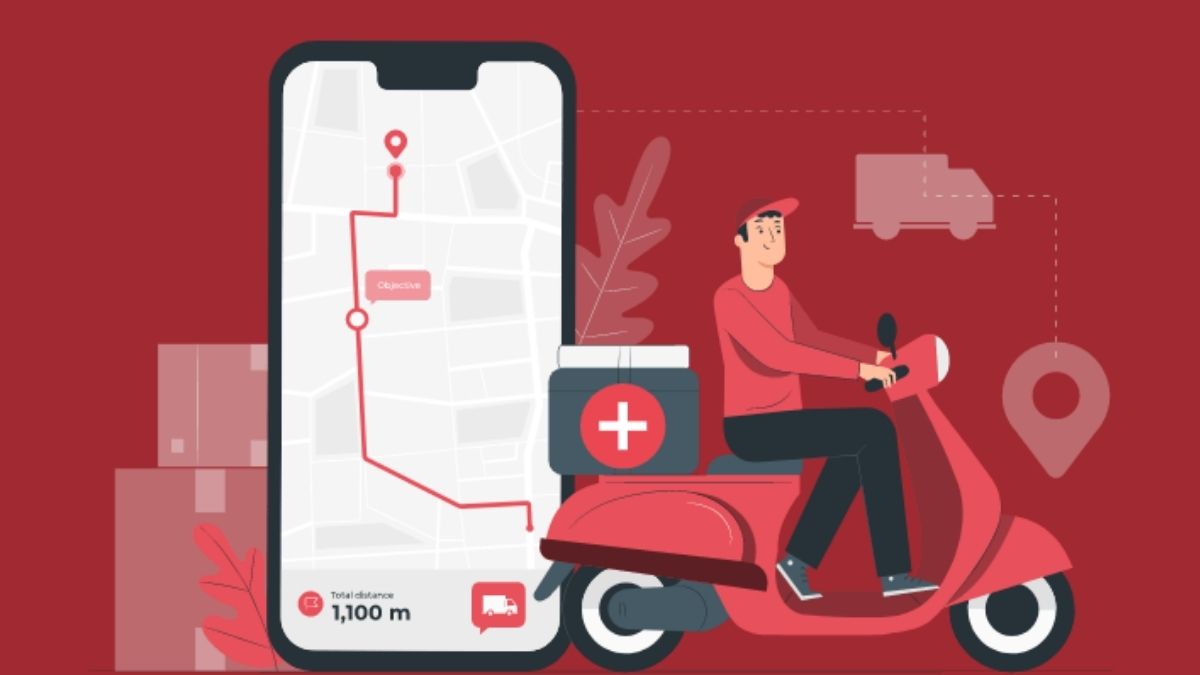
Several factors are accelerating the growth of medicine delivery platforms, including:
- Growing demand for convenient healthcare: Post-pandemic habits have increased expectations for on-demand medicine access, driving interest in digital pharmacy solutions.
- Need for continuous medication access: Chronic disease patients require regular refills, making reliable medicine ordering and delivery increasingly important.
- Aging population needs: More elderly patients face mobility challenges, creating demand for accessible pharmacy delivery services.
- Digital healthcare adoption: E-prescription regulations and digital health initiatives are encouraging healthcare providers to adopt online medication platforms.
- Telemedicine integration: Connecting online consultations, e-prescriptions, and medicine delivery creates a more seamless healthcare experience.
How Does the Medicine Delivery App Works?
A medicine delivery app brings key healthcare and delivery processes into one platform to streamline the journey from medicine selection to order fulfillment.
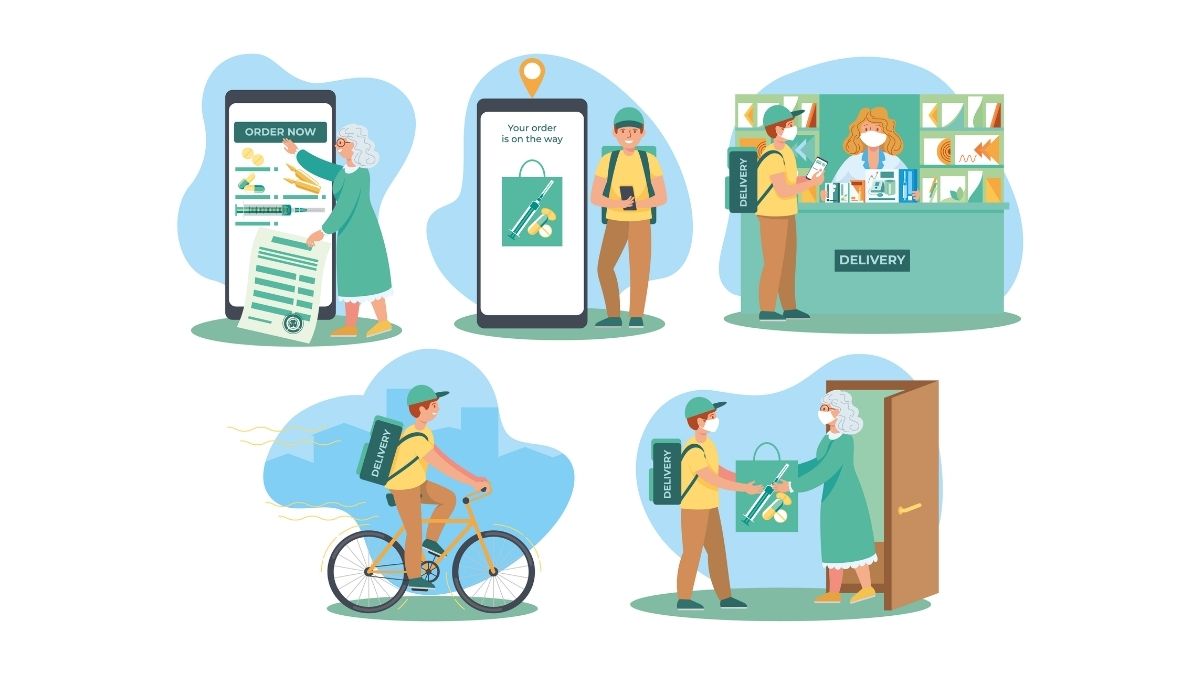
The typical workflow of a medicine delivery app includes the following steps:
- User Registration and Medicine Search: Users create an account and search for required prescription or over-the-counter (OTC) medicines through keywords, categories, or uploaded prescriptions. Some platforms may also provide medicine suggestions and alternatives.
- Prescription Upload and Verification: For prescription-based medicines, users submit a valid prescription through the app. The pharmacy or licensed professional verifies the prescription before processing the order to ensure compliance with healthcare requirements.
- Order Placement and Payment: After selecting medicines and completing verification, users place their orders and choose available payment methods, including online payments, digital wallets, or cash on delivery.
- Pharmacy Order Processing: The pharmacy receives the order, checks medicine availability, validates prescriptions when required, and prepares the package for delivery.
- Delivery Assignment and Tracking: A delivery agent collects the order and delivers it to the customer. Users can monitor order status through real-time tracking features for greater transparency.
- Order Delivery and Confirmation: The medicine is delivered to the user’s location, and the order completion is confirmed through the app. Some platforms may also include feedback or rating functions to support service improvement.
Business Models for Medicine Delivery App
Choosing the right business model is an important part of medicine delivery app development, as it determines how the platform manages inventory, partners with pharmacies, and generates revenue. Different models offer different levels of control, scalability, and operational requirements depending on the business strategy and service structure.
Aggregator/Marketplace model
In this model, the app functions as a marketplace that connects customers with multiple pharmacies. Partner pharmacies list their available medicines and prices, while the platform manages ordering and delivery processes without maintaining its own inventory. Revenue is typically generated through commissions from completed transactions.
Inventory/Direct sales model
The inventory model allows the app to purchase, store, and sell medicines directly to customers. This approach requires managing warehouse operations and complying with pharmaceutical regulations. Revenue comes from the difference between the wholesale purchase cost and the retail selling price.
Subscription model
A subscription-based model allows customers to pay recurring fees, such as monthly or quarterly plans, in exchange for benefits like free delivery, discounts, or priority services. This model can also be combined with other business models to provide additional value.
Hybrid model
The hybrid model combines marketplace and direct sales approaches. Some medicines are fulfilled through the platform’s own inventory, while others are sourced from partner pharmacies. This structure provides flexibility by allowing businesses to balance direct control with broader product availability.
Essential Features that Medicine Delivery Apps Should Have
Defining the right features is a critical step in medicine delivery app development, as the platform needs to support convenient medicine access while maintaining operational efficiency and compliance. A well-designed app should address different user needs, including medicine search, prescription handling, delivery management, and secure healthcare data processing.
Comprehensive drug catalog
A searchable and organized medicine catalog helps users quickly find the products they need while improving transparency throughout the ordering process. The catalog should provide sufficient medicine details and support efficient search functions for different user requirements.
- Detailed Medicine Information: Display essential details such as active ingredients, dosage guidelines, and potential side effects.
- Search Filters and Categories: Allow users to find medicines by brand name, generic alternatives, or health conditions.
- Real-Time Stock Availability: Provide updated inventory information to help users check product availability before placing orders.
Prescription upload and management
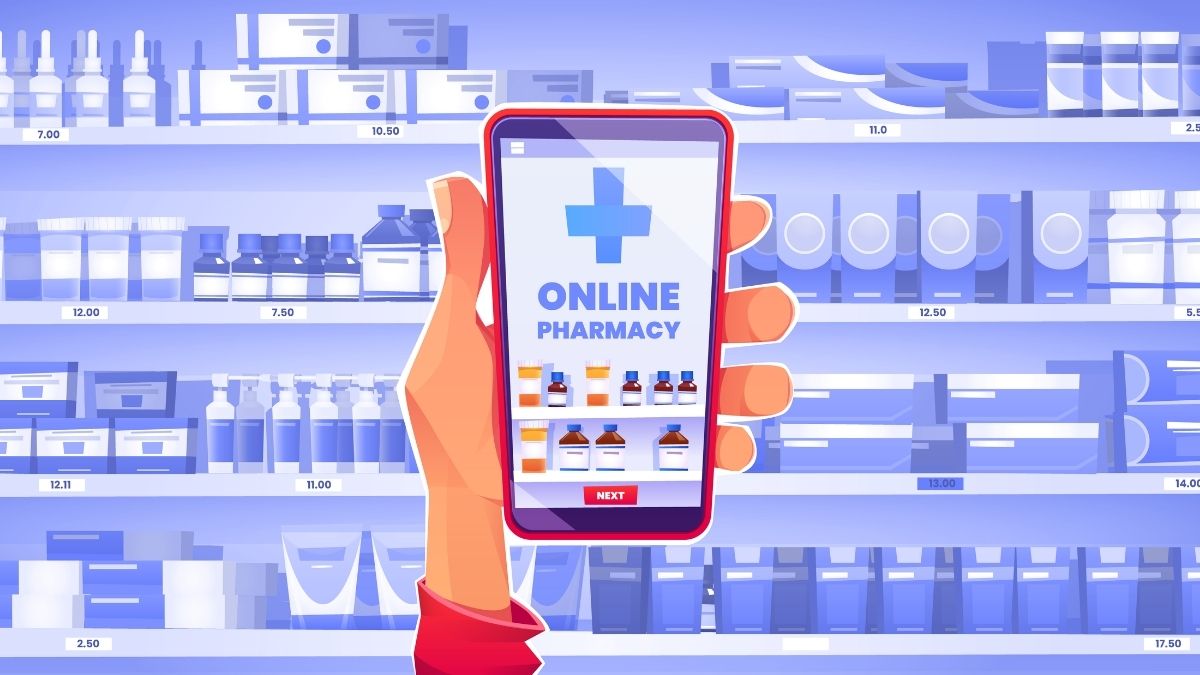
Prescription management is an important feature for handling prescription-based medicines and supporting compliance requirements. By allowing users to submit and manage prescriptions digitally, the app can simplify the ordering process for both customers and pharmacies.
- Prescription Upload: Enable users to submit prescriptions through photos, PDFs, or scanned documents.
- Prescription Verification: Support verification processes to validate uploaded prescriptions before order processing.
- Prescription History: Allow users to review previous prescriptions and reorder medications more easily.
User profiles and medical records
Personalized user profiles help organize healthcare-related information and create a more tailored experience. These profiles can store relevant medical details while supporting users who need ongoing medication management.
- Medical History Storage: Maintain records of previous prescriptions, allergies, and chronic conditions.
- Personalized Recommendations: Provide relevant medication suggestions or dosage reminders based on user information.
- Elderly Care Integration: Allow caregivers to access and manage profiles for dependent users.
GPS tracking and real-time notifications
Delivery visibility is essential for improving transparency and convenience in medicine ordering. GPS tracking and notifications help users stay informed about their order status throughout the delivery process.
- Order Tracking: Show real-time delivery updates and estimated arrival times.
- Route Optimization: Support delivery personnel in reducing delays and improving delivery efficiency.
- Notifications: Send alerts for order updates, delivery confirmations, or potential delays.
Secure payment gateways
A secure payment system helps users complete transactions confidently while supporting different payment preferences. Medicine delivery platforms should integrate reliable payment options while protecting sensitive financial information.
- Multiple Payment Methods: Support options such as credit/debit cards, digital wallets, and health savings accounts (HSAs).
- Auto-Pay Support: Enable recurring payments for subscription-based services, particularly for users requiring regular medication.
- Payment Data Security: Ensure payment processing follows PCI compliance requirements.
Medication reminders and dosage alerts
Medication reminders can support users who need to follow regular treatment schedules, particularly elderly users and patients managing chronic conditions. These features help users organize medication routines more effectively.
- Customizable Alerts: Allow users to set reminders based on prescribed medication schedules.
- AI-Based Insights: Analyze medication patterns to provide suggestions for suitable schedules.
- Wearable Integration: Connect reminders with smartwatches or health trackers for additional convenience.
Support for elderly care
Accessibility is an important consideration when developing medicine delivery applications for diverse user groups. Elderly users may require simpler interfaces and additional support features to manage medications and orders more easily.
- Simplified Interface: Provide large fonts, intuitive navigation, and voice command support.
- Caregiver Access: Allow family members or healthcare providers to manage orders for elderly users.
- Telemedicine Integration: Enable consultations within the app to support medication-related questions.
Regulatory compliance and security features
Since medicine delivery apps handle sensitive healthcare information, security and compliance features are essential components of the platform. These functions help protect user data and support responsible handling of medical records.
- HIPAA Compliance: Ensure healthcare data management follows confidentiality requirements.
- Secure Authentication: Use multi-factor authentication (MFA) to protect user accounts.
- Audit Trails: Maintain records of access and changes to medical information for accountability.
Customer support and chatbots
Reliable customer support helps users resolve issues related to orders, prescriptions, and app usage. Integrating support features can improve communication between users and the platform.
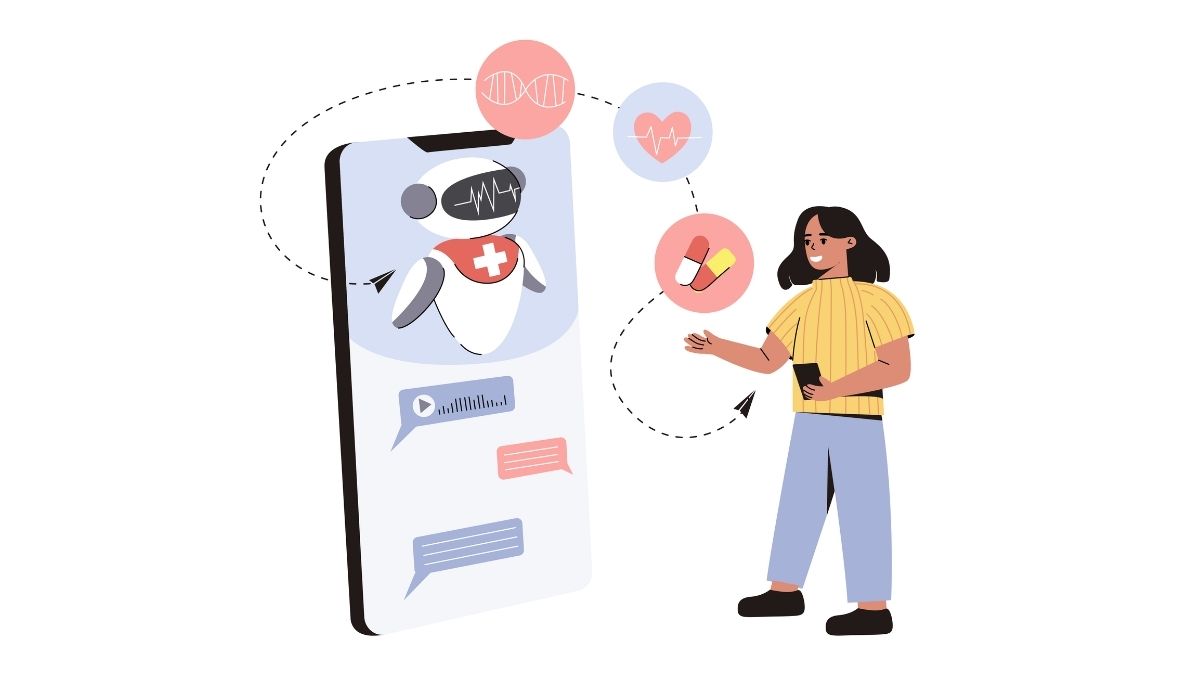
- 24/7 Assistance: Provide live chat or AI chatbot support for common user questions.
- FAQ Section: Offer answers to frequently asked questions, such as order tracking or prescription uploads.
- Voice Support: Provide additional assistance options for elderly users.
Multi-language support
Medicine delivery platforms may serve users with different language preferences, making language accessibility an important feature. Localized content and voice support can help users interact with the application more easily.
- Localized Content: Display app information in multiple languages.
- Voice Commands: Support voice input and output across different languages to improve accessibility.
Step-by-Step Guide to Develop a Medicine Delivery App
eveloping a medicine delivery app requires careful planning across healthcare requirements, user experience, technology, and security considerations. A structured development process helps ensure the platform can meet user needs while supporting scalability and compliance with healthcare standards.
Step 1: Validate the app idea (1-2 weeks)
Before starting development, validating the concept helps determine whether the solution aligns with market needs and user expectations. This stage focuses on understanding potential users, competitors, and the business approach.
- Market Research: Analyze competitors, user demographics, and regional regulatory requirements to understand the market landscape.
- User Persona Development: Identify key user groups, such as chronic patients, elderly individuals, or caregivers, and understand their specific needs.
- Monetization Strategy: Define the revenue approach, such as subscription models, pay-per-use options, or partnerships with pharmacies.
Step 2: Compliance and security planning (2–4 weeks)
Healthcare applications handle sensitive medical and payment information, making compliance and data protection essential during on-demand medicine delivery app development. Security considerations should be addressed from the early stages of planning.
- HIPAA Compliance: Follow healthcare data privacy requirements to protect patient information.
- Regulatory Compliance: Ensure features such as e-prescriptions align with relevant healthcare regulations, including FDA guidelines where applicable.
- Secure Data Management: Use encryption and secure APIs to protect health and payment-related information.
Step 3: Choose the right technology stack (1–3 weeks)
The technology foundation affects the app’s performance, scalability, and ability to support complex healthcare functions. Selecting suitable technologies helps create a flexible platform that can integrate essential services.
- Frontend Development: Use frameworks such as React Native or Flutter to support cross-platform app development.
- Backend Development: Implement backend technologies such as Node.js or Django to support functions like medication reminders and other app operations.
- API Integration: Connect APIs for payment processing, GPS tracking, and prescription management.
Step 4: Design a user-centric interface (2-4 weeks)
A simple and accessible interface is important for ensuring users can easily navigate healthcare services. The design should consider different user groups, including elderly users and individuals with limited technical experience.
- Intuitive Navigation: Create a clear interface with simple navigation for easier app usage.
- Personalization: Include features such as dosage tracking and medication schedules based on individual needs.
- Accessibility Features: Support usability through options such as larger fonts, voice assistance, and caregiver access.
Step 5: Develop core features (8–16 weeks)
The development phase focuses on building the essential functions required for medicine ordering, prescription handling, and delivery management. These features form the foundation of the application experience. Must-have features include:
- Drug Catalog: Create a detailed medicine database with information about medications and ingredients.
- Prescription Management: Enable users to upload prescriptions and support verification processes for secure handling.
- Real-Time Tracking: Integrate GPS features for order tracking and delivery route management.
- Payment Integration: Add secure payment options to support convenient transactions.
Step 6: Integrate with healthcare systems (4–12 weeks)
Connecting the app with existing healthcare infrastructure can improve data management and service coordination. These integrations help create a more connected healthcare experience:
- EHR Integration: Synchronize with Electronic Health Records to support prescription management.
- Pharmacy Database Integration: Connect with pharmacy systems to provide inventory updates.
- Telemedicine Integration: Enable virtual consultations and support prescription-related interactions within the app.
Step 7: Test and improve the app (3-6 weeks)
Testing ensures that the application performs reliably across different scenarios before launch. Multiple testing stages help identify issues related to compliance, usability, and performance.
- Compliance Testing: Verify that the app follows healthcare regulations and security requirements.
- Usability Testing: Collect user feedback to improve interface design and functionality.
- Performance Testing: Ensure the app can operate effectively under different usage conditions.
Step 8: Launch and monitor performance (2-4 weeks)
After development and testing, the app can be released and continuously evaluated based on user feedback and performance indicators. Monitoring helps identify areas for future improvements.
- Soft Launch: Release the app to a limited user group to gather feedback before wider deployment.
- Marketing Campaigns: Use targeted campaigns to attract early users.
- Performance Monitoring: Track metrics such as downloads, user retention, and feedback to guide future updates.
Recommended Tech Stack for Medicine Delivery App Development
The technology foundation behind a medicine delivery app determines how effectively the platform can handle healthcare workflows, user interactions, and future expansion. Selecting suitable tools across different development layers helps create an application that can support reliable performance while adapting to changing business and technical requirements.
| Layer | Technology | Best For |
| Mobile Frontend | React Native | Building cross-platform iOS and Android applications from a single codebase, with support for features such as GPS, camera access for prescription uploads, and push notifications. |
| Flutter | Developing high-performance mobile interfaces with smooth animations, particularly for features such as order tracking. | |
| Swift / Kotlin | Creating native iOS and Android applications that require maximum performance and deeper hardware access, including biometrics and NFC. | |
| Web Frontend
Backend |
React.js | Developing pharmacy dashboards and admin panels that require complex views for inventory management, order queues, and analytics. |
| Node.js | Supporting real-time functions such as live order tracking, instant notifications, and pharmacist chat through an event-driven architecture. | |
| Laravel (PHP) | Building structured APIs with built-in authentication, queue management, and routing capabilities for healthcare platforms. | |
| Django (Python) | Supporting AI and machine learning integrations, including drug interaction checking, smart recommendations, and prescription OCR. | |
| Spring Boot (Java) | Developing enterprise-level pharmacy applications that require strict security protocols. | |
| Database | PostgreSQL | Managing structured transactional data such as user profiles, prescriptions, orders, and payments with ACID compliance. |
| MongoDB | Handling flexible data structures such as medicine catalogs and pharmacy profiles with horizontal scalability. | |
| Redis | Providing in-memory caching for session management, real-time inventory updates, and delivery status tracking. | |
| MySQL | Supporting inventory management and order tracking, particularly with Laravel and PHP-based backend systems. | |
| Cloud Infrastructure | AWS | Hosting healthcare applications with HIPAA-eligible services such as EC2, RDS, S3, and Lambda. |
| Google Cloud Platform (GCP) | Supporting healthcare data exchange through Healthcare API and AI-powered features through Vertex AI integration. | |
| Microsoft Azure | Providing HITRUST-certified services and strong EHR integration capabilities for enterprise healthcare organizations. | |
| DevOps | Docker + Kubernetes | Managing containerized deployments with zero-downtime updates across development, staging, and production environments. |
| Jenkins / GitHub Actions | Automating testing and deployment through CI/CD pipelines to shorten release cycles. |
Security and Compliance Requirements for Medicine Delivery App
A medicine delivery app must be designed with strong security and regulatory controls to protect sensitive healthcare information and ensure lawful medication distribution. Compliance requirements depend on the app’s services, operating regions, and the types of medicines it supports.
HIPAA compliance for health data (United States)
HIPAA compliance focuses on implementing safeguards for electronic protected health information (ePHI), including administrative, physical, and technical controls to protect patient data.
Key security practices include encryption for stored and transmitted data, access controls to limit unauthorized viewing, and audit controls to monitor system activities. When third-party vendors such as cloud providers or software partners handle PHI, organizations may also need Business Associate Agreements (BAAs) to define responsibilities for protecting healthcare information.

GDPR compliance for personal data (Europe)
For medicine delivery platforms serving European users, GDPR establishes requirements for collecting, processing, and protecting personal data. Apps should support privacy-focused practices such as obtaining user consent, processing only necessary information, and providing users with options to access or delete their records.
Organizations must also follow GDPR requirements for reporting data breaches within required timelines when applicable.
Regional healthcare compliance standards
Beyond data protection laws, businesses may need to follow local healthcare requirements related to pharmacy operations, e-prescriptions, and medication dispensing.
For example, healthcare platforms may need to consider standards such as HITECH in the United States, UK GDPR in the United Kingdom, PIPEDA in Canada, and the Privacy Act in Australia.

Prescription validation and pharmacy licensing
Medicine delivery platforms must ensure that prescription workflows and pharmacy operations follow applicable healthcare requirements. Systems should support prescription validation processes and route medication orders through appropriately licensed pharmacies where required.
Features such as pharmacist approval workflows, verification tools, and activity logs can help maintain accountability during prescription processing. These capabilities support safer medication fulfillment while creating records that can be reviewed for compliance purposes.
Secure authentication and access control
Strong identity management helps protect patient, pharmacy, delivery, and administrative accounts from unauthorized access. Medicine delivery apps commonly apply access control principles that limit user permissions based on roles and responsibilities.
Security measures may include multi-factor authentication (MFA), OAuth 2.0 protocols, role-based access control (RBAC), session management, and password security policies.
Data encryption, audit logs, and monitoring
Protecting healthcare data requires security measures across storage, transmission, and system activity monitoring. Encryption technologies such as AES-256 can help protect stored records, while TLS protocols secure data transfers between mobile applications and backend systems.
Centralized audit logs help record important activities, including account access, prescription updates, user logins, and administrative actions. These records support security reviews, compliance monitoring, and investigation processes when necessary.

Healthcare security best practices
Beyond regulatory requirements, medicine delivery platforms should adopt recognized security practices to strengthen overall protection. These measures help create a more reliable foundation for handling sensitive healthcare information.
- AES-256 encryption: Protects stored health records and database information.
- TLS 1.2 and 1.3: Secures data communication between applications and backend systems.
- RBAC: Controls access permissions according to user responsibilities.
- MFA: Adds additional identity verification during account access.
- SOC 2: Supports secure cloud operations and information security controls.
- ISO 27001: Provides a structured framework for information security management.
- OWASP MASVS: Helps address mobile application security risks across Android and iOS platforms
Challenges in Developing a Medicine Delivery App (and How to Overcome)
Developing a medicine delivery app involves addressing challenges across healthcare accuracy, pharmacy operations, delivery reliability, and user trust. Identifying these potential issues early helps businesses build solutions that are more reliable and reduce operational problems after launch.
Ensuring prescription verification accuracy
Prescription verification is one of the most sensitive challenges in medicine delivery app development. Unclear handwriting, blurry images, or incomplete prescription uploads can make it difficult to validate medication requests and may create safety concerns.
Possible solutions include:
- AI-Powered Prescription Scanning: Use OCR technology to support initial prescription reading and information extraction.
- Manual Verification Process: Combine automated scanning with pharmacist review to ensure prescriptions are properly validated.
- Clear Upload Guidelines: Provide users with instructions for acceptable prescription formats and allow them to resubmit unclear documents.

Managing inventory across multiple pharmacies
Maintaining accurate inventory information becomes more complex when an app works with multiple pharmacy partners. In aggregator models, manually updated stock information can lead to inaccurate availability, delayed orders, and cancellations.
Possible solutions include:
- Pharmacy System Integration: Connect the app with pharmacy management systems through APIs to improve inventory synchronization.
- Simple Stock Management Tools: Provide pharmacies with easy-to-use tools for updating inventory information.
- Inventory Monitoring: Implement stock management features such as buffer stock tracking and expiry date alerts.
Improving last-mile delivery reliability
Even with a well-designed application, delivery issues can affect the overall user experience. Factors such as traffic conditions, incorrect addresses, unavailable customers, and weather situations can create delays during the final delivery stage.
Possible solutions include:
- Logistics Partnerships: Work with delivery providers familiar with local markets to support more reliable fulfillment.
- Route Optimization: Use route planning technologies to improve delivery efficiency.
- Flexible Delivery Management: Provide delivery time notifications, rescheduling options, and delivery windows to improve convenience.
Building user trust in online medicine purchases
Trust is a major factor in online medicine purchasing because users are concerned about medicine authenticity, prescription privacy, and payment security. Without sufficient confidence in the platform, users may hesitate to complete their first order.
Possible solutions include:
- Partner with Licensed Pharmacies: Work with verified pharmacy partners and display relevant certifications to increase transparency.
- Provide Trust Signals: Offer medicine authenticity assurance and share customer feedback to improve credibility.
- Reduce Initial Barriers: Enable options such as cash on delivery and introduce the service through trusted user groups during early stages.
Competing with established medicine delivery platforms
New medicine delivery apps may face challenges when entering markets with existing platforms that already have strong brand recognition and user bases. Competing directly on scale can be difficult, making positioning and differentiation important considerations.
Possible solutions include:
- Focus on Specific Niches: Target underserved regions, user groups, or specialized medicine categories.
- Improve Service Experience: Differentiate through customer service quality and a more tailored user experience rather than competing only on price.
- Build Local Partnerships: Develop relationships within communities to strengthen trust and expand adoption.
How Much Does Medicine Delivery App Development Cost?
The cost of medicine delivery app development typically ranges from $15,000 to over $150,000, depending on the app’s complexity, features, and development scope. A basic MVP with essential ordering functions requires less investment, while enterprise-level platforms with advanced healthcare integrations and intelligent features require significantly more resources.
Here’s the estimated cost by complexity level:
| Complexity Level | Estimated Cost | Development Time | Key Features Included |
| Basic MVP | $15,000–$30,000 | 3–4 months | Designed for launching core medicine delivery services with essential functions such as:
|
| Mid-Level App | $30,000–$70,000 | 5–7 months | Includes broader functionality such as:
|
How Long Does Medicine Delivery App Development Take?
The timeline for medicine delivery app development typically ranges from 3 to 9+ months, depending on the app’s complexity, feature scope, integrations, and operational requirements.
A basic MVP with limited workflows can usually be developed faster, while a full-scale digital pharmacy platform requires more time due to additional functionality and technical complexity.
Several factors can extend the development timeline, including:
- Multiple Applications: Building separate apps for customers, pharmacies, delivery partners, or administrators increases development effort.
- Complex Integrations: Connecting with external systems, such as pharmacy platforms or healthcare services, requires additional planning and implementation time.
- Custom Pharmacy Systems: Developing customized pharmacy management solutions adds complexity compared with using existing systems.
- Advanced Delivery Features: Features related to delivery management and logistics require additional development and testing.
- Multiple Jurisdictions and Security Requirements: Expanding across different regions and meeting extensive security requirements can increase the overall timeline.
- Telemedicine and AI Features: Adding capabilities such as virtual healthcare services or AI-based functionality requires additional development resources.
- Large-Scale Data Migration: Moving existing healthcare or operational data into a new platform can extend project duration.
To estimate a realistic timeline, it is important to define the MVP scope first rather than setting an arbitrary launch date and adding features later. A clear feature roadmap helps determine the actual development requirements and avoid unnecessary delays during the process.
Custom Development vs Ready-Made Medicine Delivery Software
When choosing an approach for medicine delivery app development, businesses need to balance factors such as budget, launch speed, flexibility, and long-term scalability. Ready-made solutions are suitable when the priority is launching a medicine delivery service quickly with a lower initial investment.
Meanwhile, custom development is better when a business requires unique workflows, specialized integrations, or a platform designed for long-term growth. Although it requires higher investment and a longer development timeline, it provides greater control over functionality, design, scalability, and security requirements.
| Comparison Factor | Off-the-shelf solution | Custom development |
| Cost | Typically costs $5,000–$15,000 through subscription or licensing models. | Usually requires $15,000–$150,000+ as a one-time development investment. |
| Development Time | Can be deployed within 1–2 weeks. | Typically takes around 3–4 months to build. |
| Flexibility | Offers limited customization based on existing software capabilities. | Provides full flexibility to design features and workflows according to specific requirements. |
| Design | Uses pre-built templates with limited branding customization. | Allows a unique design tailored to the brand identity and user experience goals. |
| Integrations | Supports basic integrations available within the platform. | Enables custom integrations based on business and technical needs. |
| Scalability | Expansion can be more difficult due to platform limitations. | Designed to support easier scaling as requirements grow. |
| Updates | Feature updates and improvements depend on the software vendor’s schedule. | Updates and improvements can be managed according to business priorities. |
| Security & Compliance | Provides basic security protection. | Allows deeper customization to support requirements such as HIPAA and GDPR compliance. |
Real-world Example: Building a Cross-Platform Pharmaceutical App
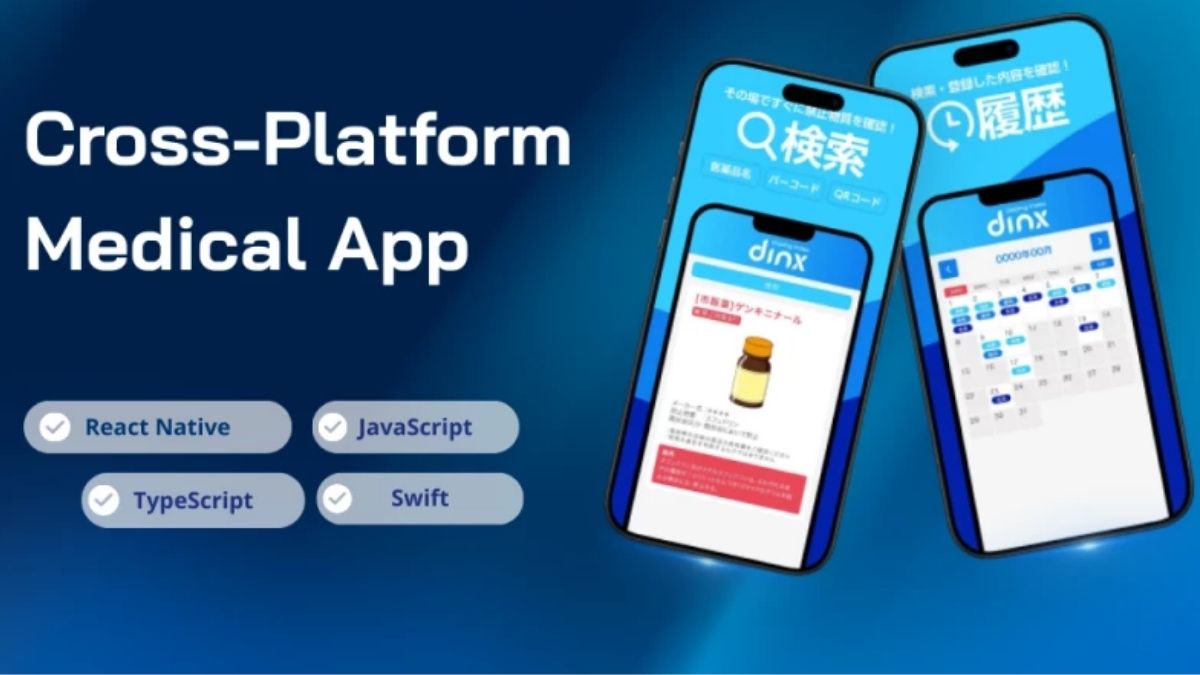
Turning a medicine delivery concept into a functional healthcare solution requires solving practical challenges around medication accessibility, organization, and user experience. This case study highlights how Newwave Solutions built a cross-platform medical app that helps users manage medication information, access drug data, and track medication-related activities more effectively.
Business Challenge: Making medication access and tracking more efficient
Managing medication information can become complex when users need to search for medicines, track usage, and manage refills across different healthcare workflows. The challenge was to create a solution that could provide easier access to medication information while maintaining flexibility for healthcare application development.
How Newwave Solutions approached the development
Newwave Solutions focused on improving the overall medication management experience by making the application easier to use, expand, and operate across multiple platforms.
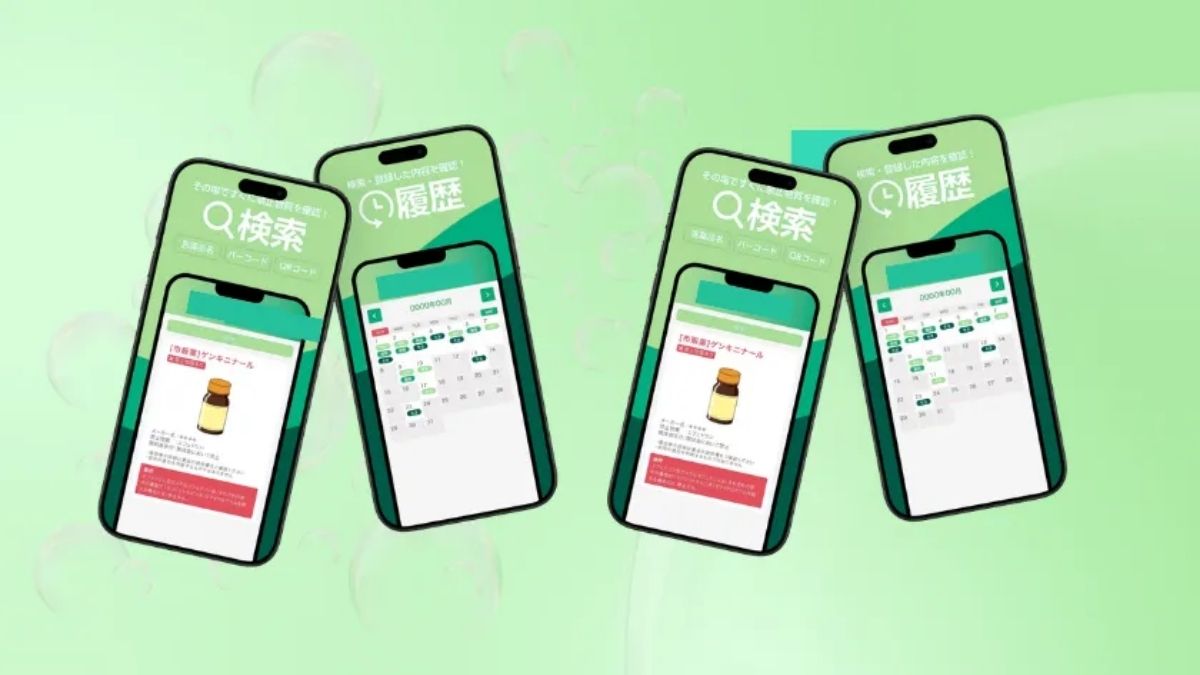
The team enhanced medicine discovery by adding barcode and QR code scanning capabilities, allowing users to quickly access drug information directly from product packaging while still keeping traditional search methods available.
The solution also expanded the medication workflow beyond information lookup by supporting key functions such as prescription refill management, real-time order tracking, and automated refill settings. These improvements helped create a more connected experience for users throughout the medication access process.
Result: A scalable platform for medication management
The completed application provided users with access to a centralized medication database containing more than 34,500 drug records, including over 12,500 over-the-counter (OTC) medications and more than 22,000 prescription drugs.
To make this experience accessible to a wider user base, the app was deployed across both Android and iOS platforms, achieving more than 500,000 installs.
Read the full case study “How a Pharmaceutical Mobile App Reached 500K+ Users” to understand the strategies, technologies, and development decisions behind creating a successful pharmaceutical app.
Emerging Trends Shaping Medicine Delivery App Development
The future of medicine delivery app development is shifting toward more intelligent and connected healthcare solutions. New technologies are helping these platforms improve medication management, delivery operations, and personalized user experiences.
AI-powered drug interaction checking and demand forecasting
Artificial intelligence is expanding the capabilities of medicine delivery apps by supporting safer medication decisions and more efficient pharmacy operations. AI-powered systems can analyze medication lists to identify potential drug interactions, while machine learning enables personalized recommendations based on prescription and purchase patterns.
Additionally, AI-driven demand forecasting helps pharmacies predict changes in medicine needs, optimize inventory management, and reduce stock shortages.
IoT and wearable integration for medication adherence
Connected devices are creating new opportunities for medicine delivery apps to support patients in following their treatment plans. Smart pill dispensers, connected blister packs, and IoT-enabled medicine cabinets can collect medication usage data and provide more accurate refill reminders based on actual consumption patterns.
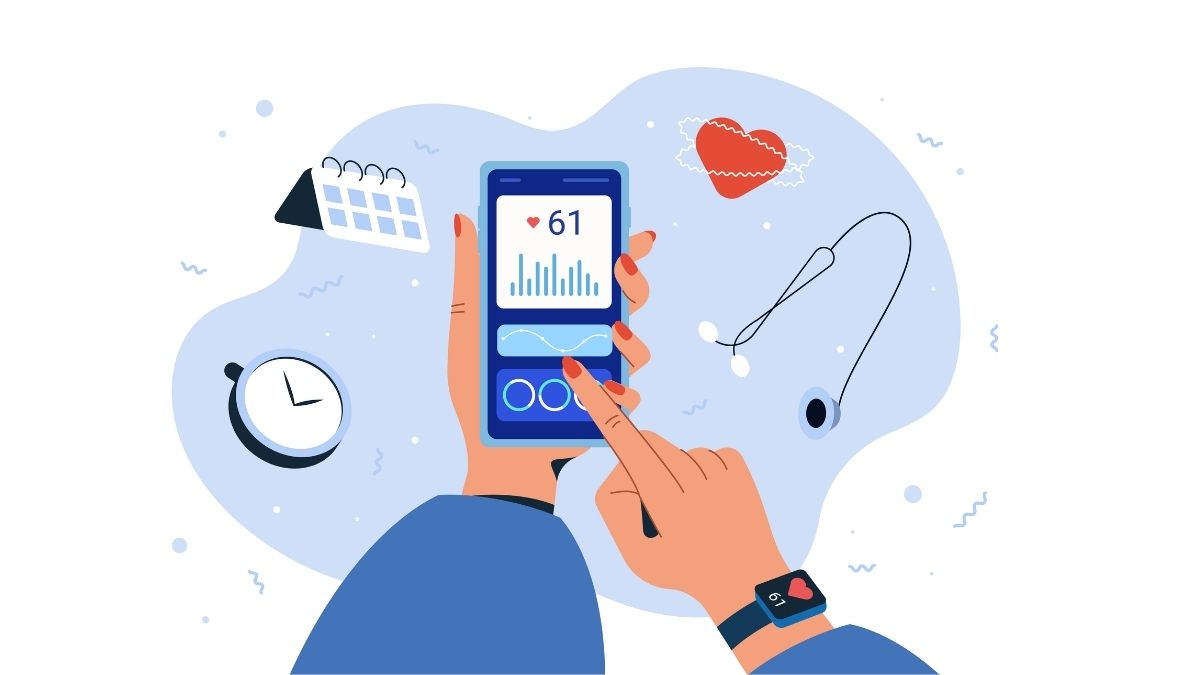
For patients managing chronic conditions, wearable devices can extend these capabilities by delivering reminders through smartwatches and using health data such as heart rate, blood glucose, or blood pressure readings to trigger proactive alerts when needed.
Blockchain for pharmaceutical supply chain transparency
Blockchain technology is being explored to improve transparency and traceability across pharmaceutical supply chains. The World Health Organization estimates that 1 in 10 medical products in developing countries is substandard or falsified.
By creating immutable records of supply chain transactions, blockchain can help track medicine movement from manufacturers to patients. Users may verify information such as medicine origin, batch numbers, and supply chain history through QR code-based verification systems.
Drone and autonomous delivery for last-mile logistics
Last-mile delivery is becoming an area of innovation in medicine delivery services, especially for remote or congested locations. Companies such as Zipline and Wing are already using drones to deliver medical supplies in parts of Africa, Australia, and the United States.
While broader adoption remains dependent on airspace regulations, drone and autonomous delivery technologies could help medicine delivery apps improve transportation speed and prepare for future logistics integration.
Building comprehensive healthcare ecosystems
Medicine delivery apps are evolving into broader healthcare ecosystems by integrating services such as teleconsultations, lab bookings, health records, and insurance-related functions.
With AI, EHR data, and wearable inputs, these platforms can deliver more personalized experiences, shifting the focus of on demand medicine delivery app development from simple medication ordering toward scalable digital healthcare solutions.
Develop Your Custom Medicine Delivery App with Newwave Solutions
Building a medicine delivery app requires more than connecting patients with pharmacies. A successful solution must balance healthcare compliance, seamless user experience, secure data management, and scalable technology to support long-term growth. Choosing the right development partner therefore helps turn a healthcare concept into a reliable digital platform that users and healthcare providers can trust.
At Newwave Solutions, we provide comprehensive medicine delivery app development solutions backed by 15+ years of experience and a team of 300+ skilled developers who have supported 200+ clients worldwide.
Our team combines healthcare technology expertise with product development capabilities to build customized solutions that address real-world challenges, from medication access and prescription workflows to secure integrations and platform scalability.
We support the full cycle of custom healthcare software development while ensuring compliance considerations, robust data protection, and seamless integration with essential systems such as pharmacy platforms, healthcare databases, payment services, and delivery solutions.
Ready to build your custom medicine delivery app? Get in touch with Newwave Solutions today to discuss your healthcare application idea and receive a tailored consultation from our experienced development team.
Conclusion
Building a successful medicine delivery app requires a clear strategy that balances user convenience, healthcare compliance, and long-term scalability. The right approach starts with defining the required features, selecting suitable technologies, and choosing a development model that aligns with business goals, operational needs, and available resources.
A reliable medicine delivery app development partner can help navigate complex requirements such as secure data handling, healthcare integrations, and platform expansion. Newwave Solutions provides end-to-end healthcare app development support to help businesses turn ideas into practical digital solutions. Contact us to discuss your medicine delivery app project and build a solution tailored to your needs.
FAQs
Which medicine delivery app business model is most profitable?
The profitability of a medicine delivery app depends on the business strategy, operational model, and target market. Common models include aggregator, direct sales, subscription, and hybrid approaches, with each offering different levels of control, scalability, and revenue opportunities.
What technologies are best for online medicine delivery app development?
The suitable technology stack depends on the app’s features, scalability needs, and integration requirements. Common choices include React Native or Flutter for mobile development, Node.js or Django for backend systems, databases such as PostgreSQL or MongoDB, and cloud platforms that support secure healthcare applications.
How is data security handled in medicine delivery apps?
Medicine delivery apps handle sensitive information such as prescriptions, health data, and payment details, requiring strong security measures. Common practices include encryption, secure authentication, access controls, audit logging, and compliance with healthcare data protection requirements.
What regulations must a medicine delivery app follow?
Regulatory requirements depend on the region, services provided, and types of medicines supported. A medicine delivery app may need to address requirements related to pharmacy licensing, controlled substances, prescription management, healthcare data protection, and standards such as HIPAA or GDPR where applicable.
Can a medicine delivery app connect with hospital EHR systems?
Yes, medicine delivery apps can integrate with Electronic Health Record (EHR) systems to support better healthcare data exchange and prescription management. These integrations can help connect medication workflows with existing healthcare infrastructure while requiring proper security and compliance considerations.
Source:
- U.S. Department of Health & Human Services (HHS). Summary of the HIPAA Security Rule. https://www.hhs.gov/hipaa/for-professionals/security/laws-regulations/index.html
- GDPR.eu. What is GDPR, the EU’s new data protection law? https://gdpr.eu/what-is-gdpr/
To Quang Duy is the CEO of Newwave Solutions, a leading Vietnamese software company. He is recognized as a standout technology consultant. Connect with him on LinkedIn and Twitter.



Read More Guides
Get stories in your inbox twice a month.
Let’s Build Something Extraordinary
Sign up for a 30 min no-obligation strategic session with us. Transform your Ideas into scalable reality.
Leave a Reply