


Let's discuss your business needs and identify practical technology solutions.
Talk to Our Experts
Fifteen years ago, when NEWWAVE first entered the software development industry, the technologies, tools, and ways of working looked very different from what we know today. Since then, each new wave of technology has brought fresh opportunities and unfamiliar challenges. The rise of AI is another reminder of how quickly the work we do can change.
Learning to keep pace has been an ongoing part of our journey. Yet the more projects we delivered and the more our team grew, the clearer it became that adapting to change also meant reconsidering how we developed our people and worked together.
Here, join us as we share three lessons that have shaped our approach to building software teams and what they mean for delivering better outcomes for clients.
Building the Team: Developing Engineers Who Understand Beyond Code
One of our earliest lessons took years to fully understand: what makes a good engineer goes well beyond technical expertise.
When NEWWAVE started in 2011, we were a small engineering team with limited resources. Engineers often took on multiple responsibilities, learned unfamiliar technologies, and adapted to different client requirements. Each project brought new challenges, and much of our early experience came from solving problems through hands-on work.
As we took on larger and more complex projects, we began to see the limits of technical skills alone. A seemingly simple feature could involve multiple business processes, user roles, and existing systems. Understanding how these elements connected became just as important as knowing how to build them.
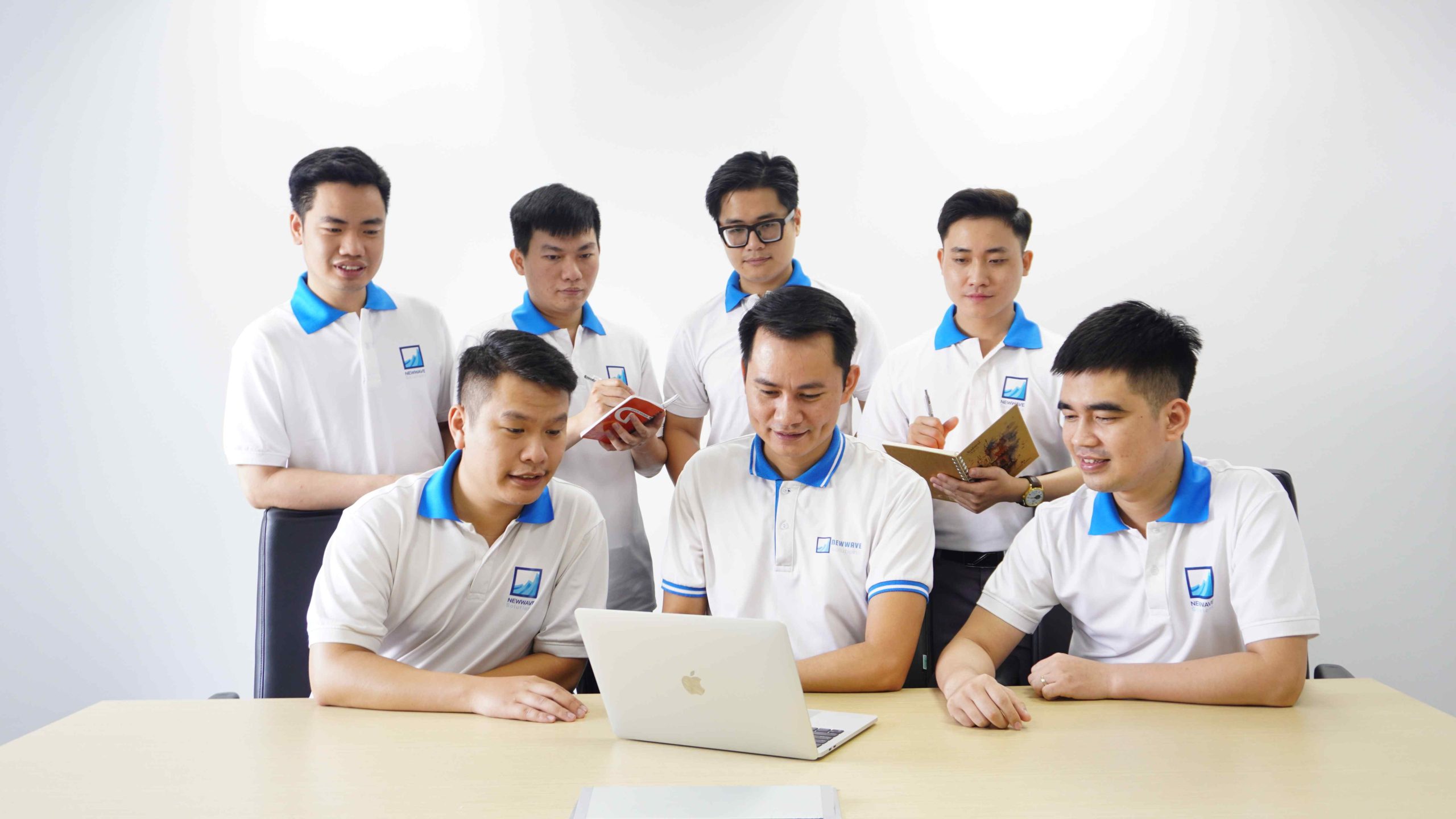
Over time, these experiences shaped how we developed our engineers. We placed greater emphasis on analyzing requirements, asking questions, and working with Business Analysts and Project Managers to clarify business needs before development. We wanted engineers to understand the purpose behind each requirement, rather than simply complete assigned tasks.
Looking back, we’ve learned that building a strong engineering team starts with developing people who can think beyond code. Technologies will keep evolving, but the ability to understand business problems and turn them into practical software solutions remains valuable.
Working as a Team: Turning Individual Skills into Collective Results
By 2016, five years into NEWWAVE’s journey, the IT outsourcing landscape was changing. Globally, cloud adoption and increasingly interconnected systems were reshaping how businesses worked with technology partners.
Meanwhile, Vietnam was gaining ground as a software outsourcing destination, particularly for Japanese clients. As opportunities grew, so did the demands of delivering projects involving multiple technologies, teams, and business requirements.
But as projects involved more people, interconnected features, and shared responsibilities, a new challenge emerged: bringing individual expertise together into a coordinated team. We began to realize that even skilled engineers could struggle to deliver a complete product without a shared understanding of how their work connected.
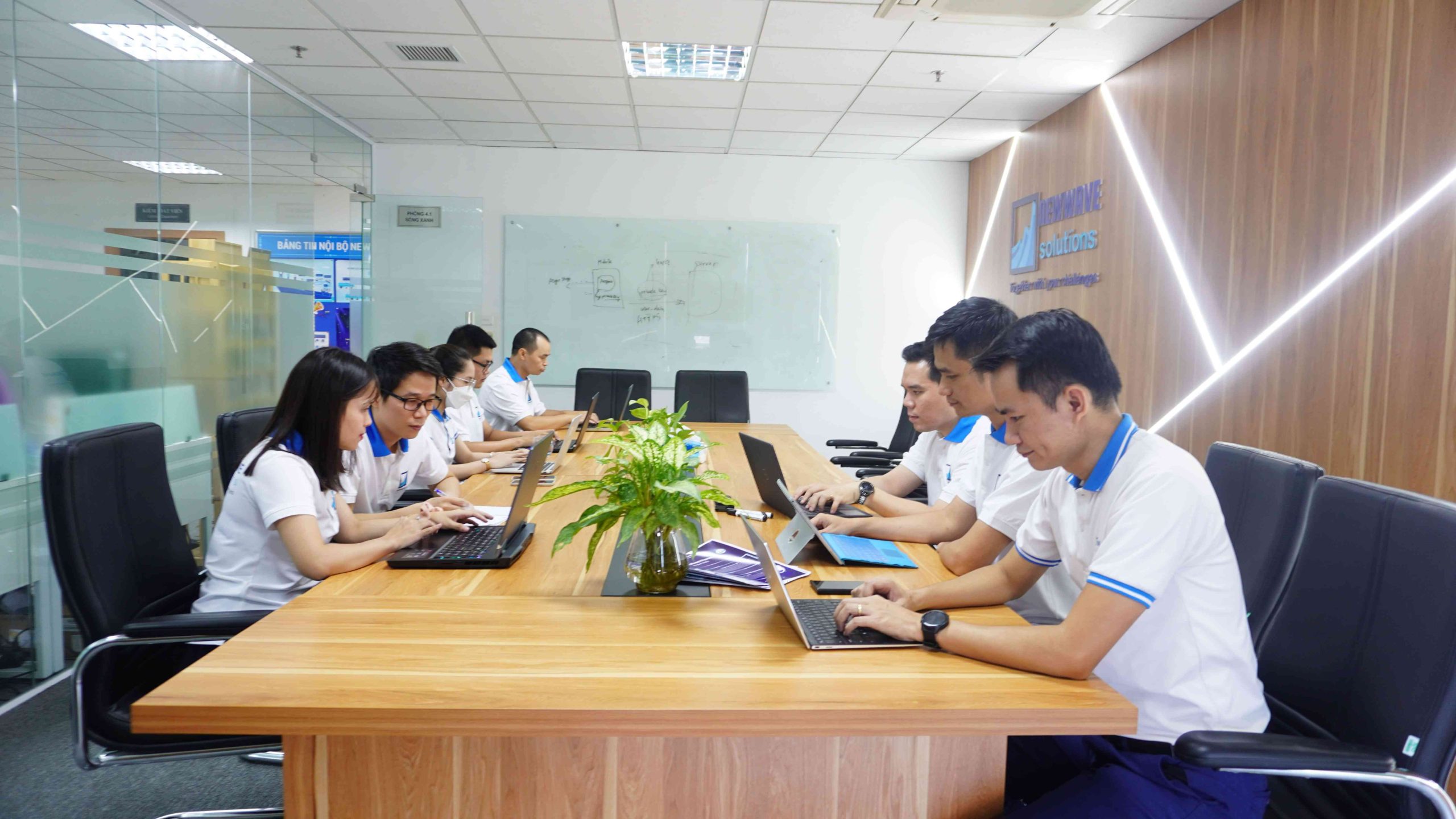
We experienced this firsthand while developing a multi-platform fan engagement system for live idol talks for a Japanese client. The client envisioned a platform where idols and fans could connect through live video conversations, with shopping, booking, and payments integrated into the experience. Our 15-member team had just 105 days to deliver four applications, a CMS, and a web app.
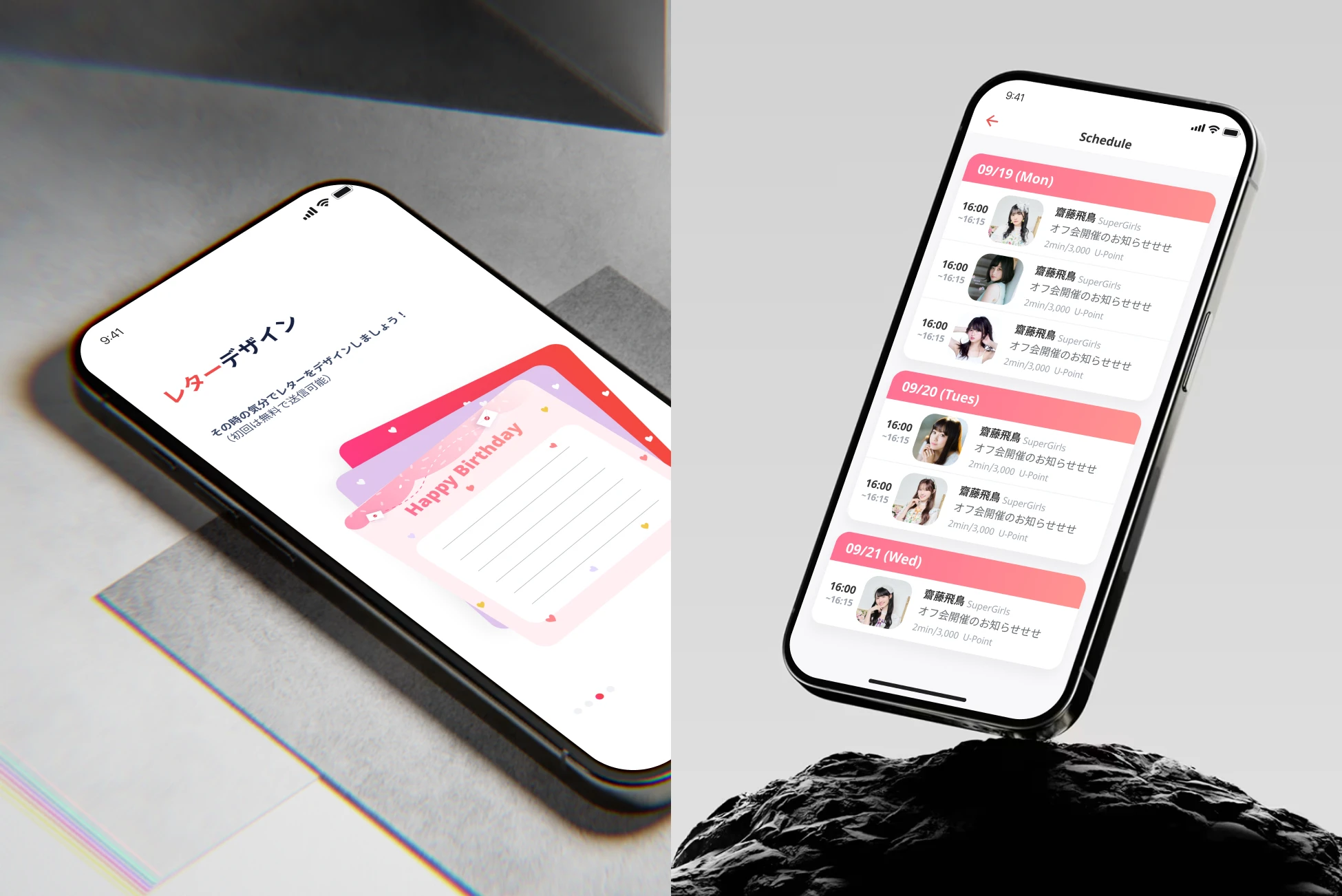
The pressure came from having to develop multiple components simultaneously while keeping the entire user experience connected. Account integration, live communication, and payment workflows all depended on one another, leaving little room for misalignment. A change in one area could quickly affect another, making it difficult to keep individual workstreams moving toward the same goal.
To manage these challenges, we worked closely with the client to clarify requirements, agree on priorities, and track changes throughout development. Within the team, keeping everyone informed about progress and dependencies helped us identify potential issues and make adjustments as work moved forward. This coordination was important in bringing the different components together within the planned timeline.
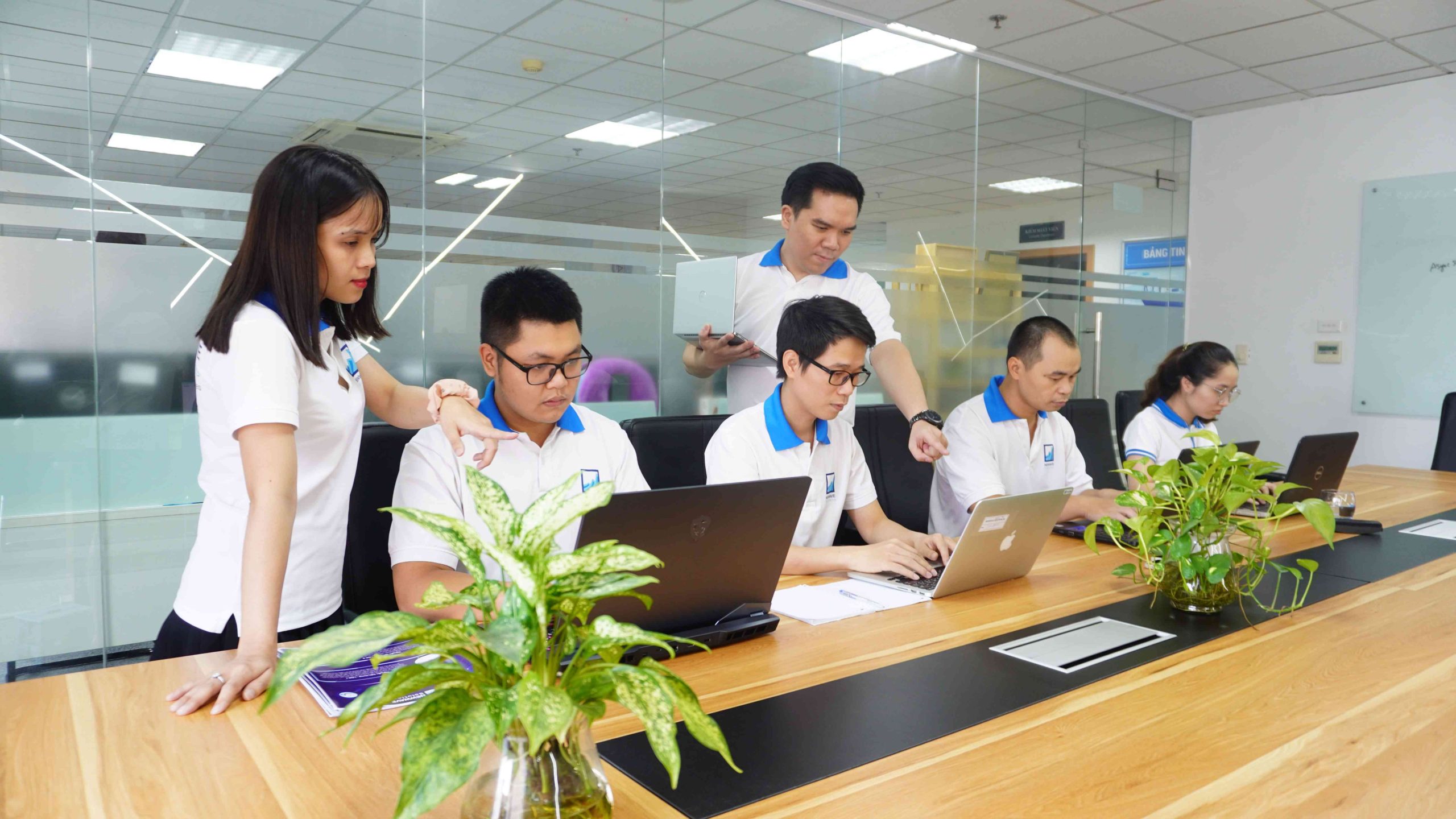
The experience taught us that effective teamwork takes more than regular communication. It requires clear responsibilities, an understanding of how individual tasks affect others, and a shared view of what the team is working toward. These are the habits that help individual expertise come together to deliver a complete product.
Growing the Team: Building Consistency as We Scale
As NEWWAVE expanded, maintaining effective teamwork became a broader challenge that extended beyond individual projects. By 2025, NEWWAVE had grown considerably, with nearly 300 people contributing across different roles and projects. This brought a question we could no longer approach through project-level coordination alone: How could we maintain consistent quality and accountability as our team continued to expand?
With more teams involved in project delivery, differences in working practices, unclear responsibilities, and inconsistent quality expectations became challenges that required greater attention.
We began by reviewing existing practices, strengthening our management systems, and establishing clearer policies and procedures. Alongside these efforts, we formed an ISO Committee responsible for employee training and supporting compliance across the organization.
This work marked a significant milestone in July 2025, when NEWWAVE achieved ISO 9001:2015 and ISO/IEC 27001:2022 certifications for quality and information security management.

Through this process, we came to understand that consistency could not depend on everyone working in exactly the same way. Engineers bring different experiences, strengths, and approaches to solving problems. What matters is having a common understanding of quality, clear responsibilities, and shared expectations that allow people to make decisions while working toward the same standards.
From 20 to 50, then 100, and eventually nearly 300 people, each stage of NEWWAVE’s growth taught us that building a stronger team was about more than increasing headcount. It means building an environment where individual expertise can thrive within a shared foundation of quality and accountability. That balance remains important as we continue to grow and take on new challenges.
Turning Team-Building Lessons into Stronger Technology Partnerships
Technology will continue to change, and so will the challenges businesses bring to their development partners. We may not know exactly what the next decade will look like, but 15 years of experience have given us a clearer understanding of the kind of teams we want to build: engineers who understand the business behind the code, people who work through challenges together, and teams that uphold quality as they grow.
Our next chapter as a Trusted Technology Partner builds on everything these experiences have taught us. For our clients, this means working with a partner who takes the time to understand their challenges, brings the right expertise together, and remains accountable for the solutions delivered. It is how we intend to carry the lessons of the past 15 years into the partnerships we build in the years ahead.
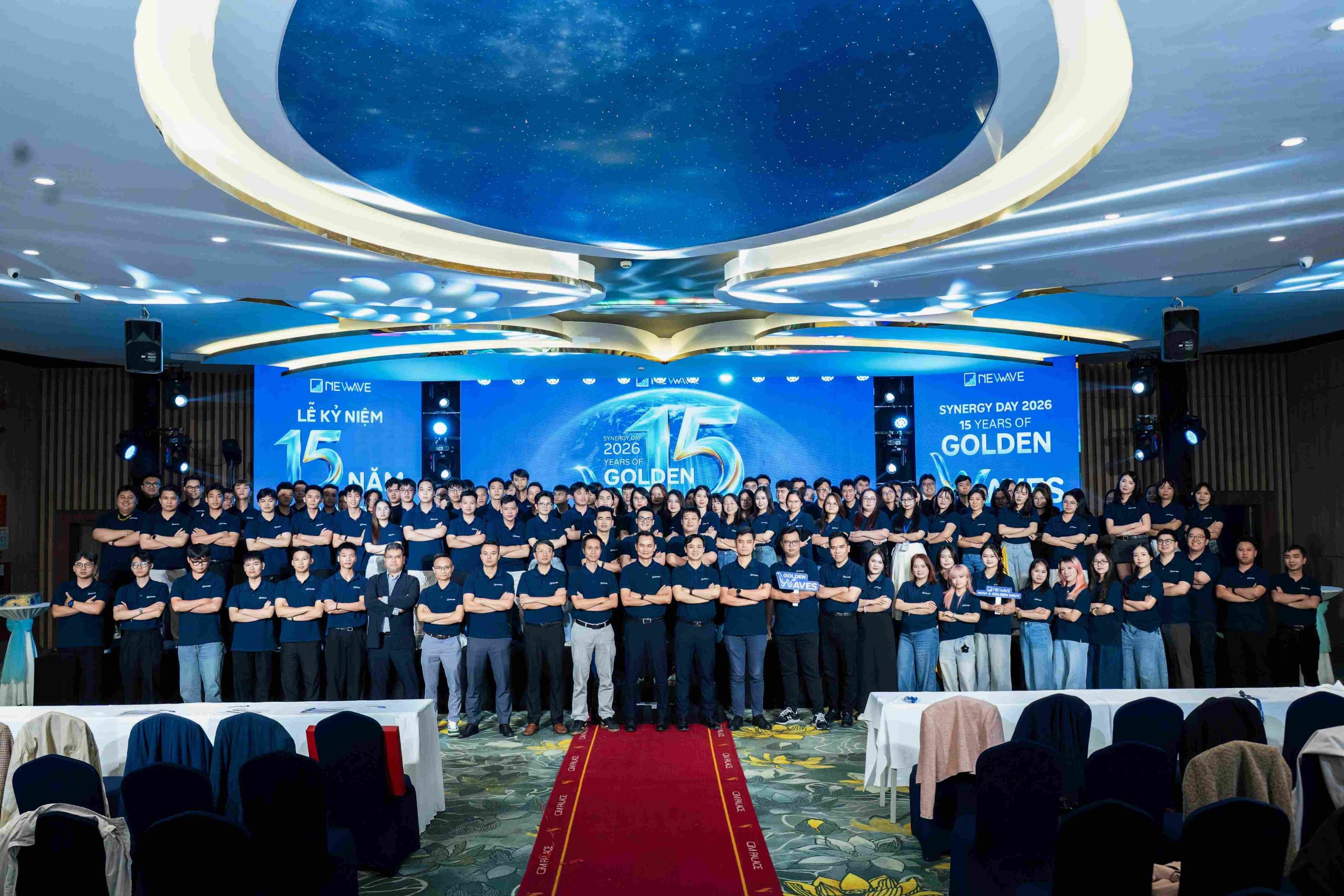
For businesses considering a technology partner, understanding how a team puts these commitments into practice can be just as important as evaluating its technical capabilities.
Every project brings different challenges, and the decisions made along the way often reveal how a team works. If you’re planning your next software initiative, explore our case studies for real-world experiences and insights that help guide your own project.
Read More Guides

Let’s Build Something Extraordinary
Sign up for a 30 min no-obligation strategic session with us. Transform your Ideas into scalable reality.
Leave a Reply