


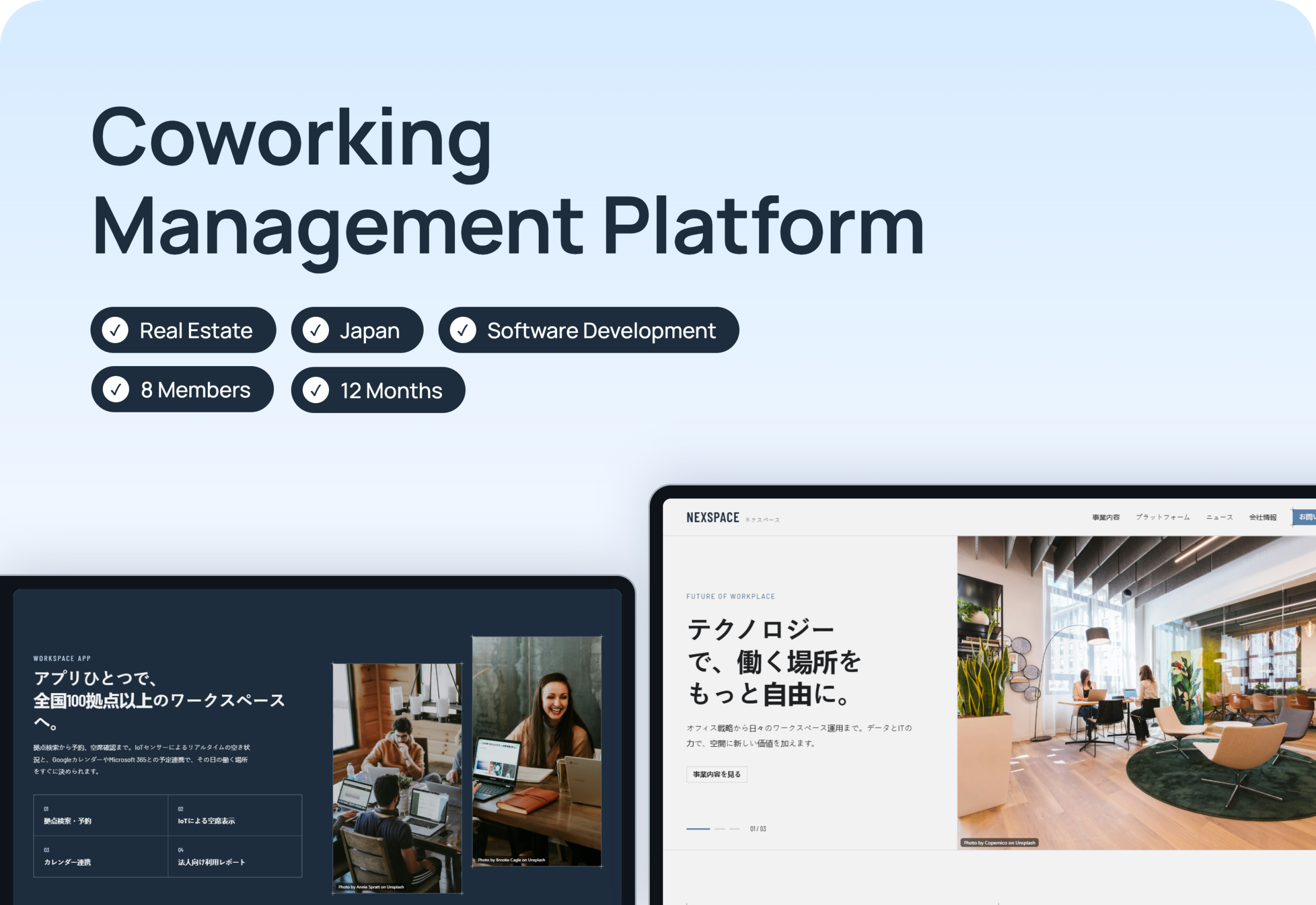
Coworking Management PlatformScaling to 100+ Partner Locations
Real Estate - Japan - Software Development - 8 Members - 12 Months
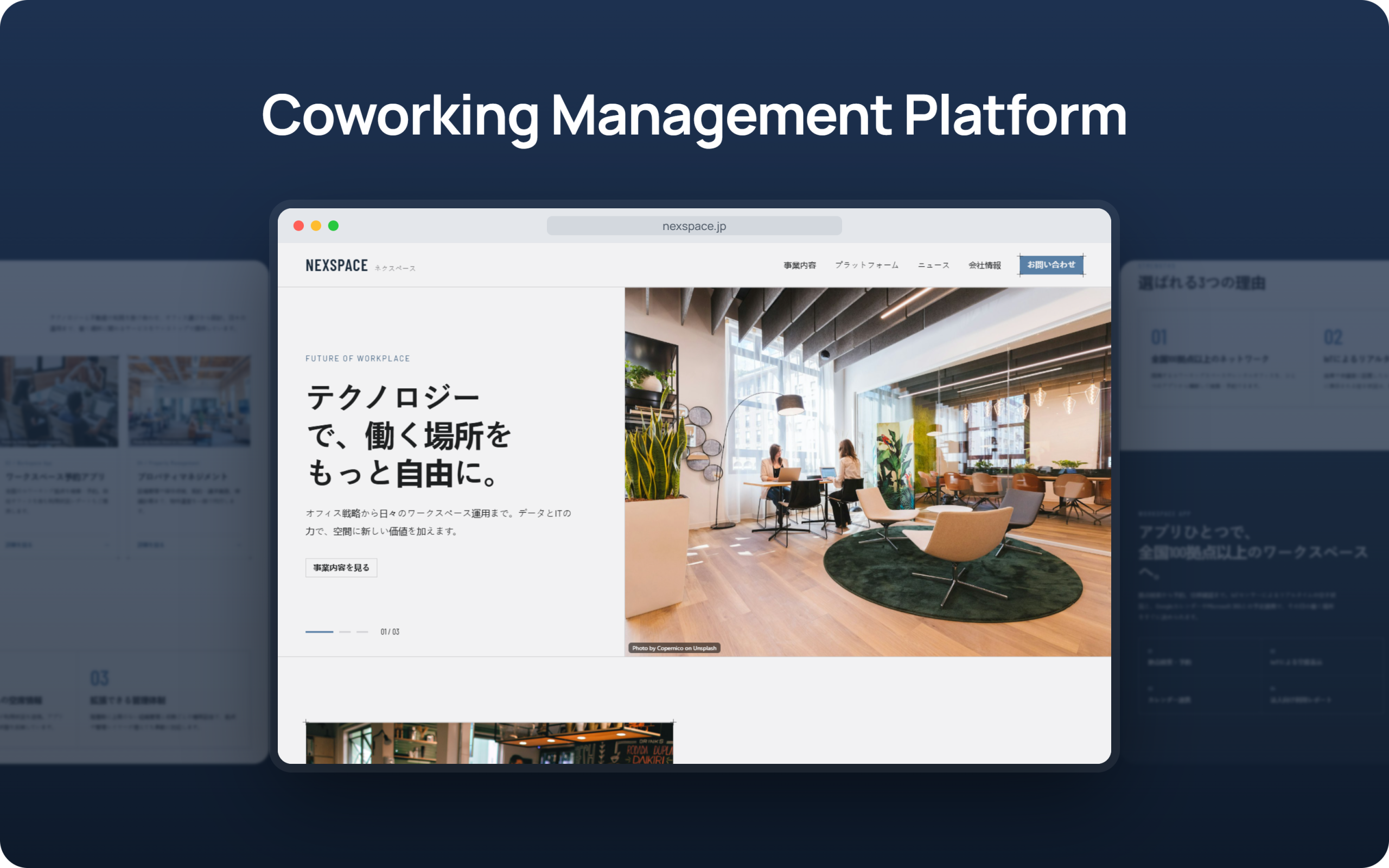
With the coworking network growing rapidly, the client needed more than a booking tool to keep locations, facilities, permissions, and operational data under control. Newwave Solutions built an integrated coworking management platform that brought together mobile reservations, facility administration, real time IoT occupancy updates, calendar synchronization, and performance analytics. Its layered management model enabled users, site managers, operating companies, and property owners to work with the information and controls suited to their responsibilities. The client expanded its partner network to more than 100 coworking locations, alongside a significant increase in app adoption.
Client Context
The client operates coworking spaces in Japan and needed one platform to support both customer booking and daily facility management.
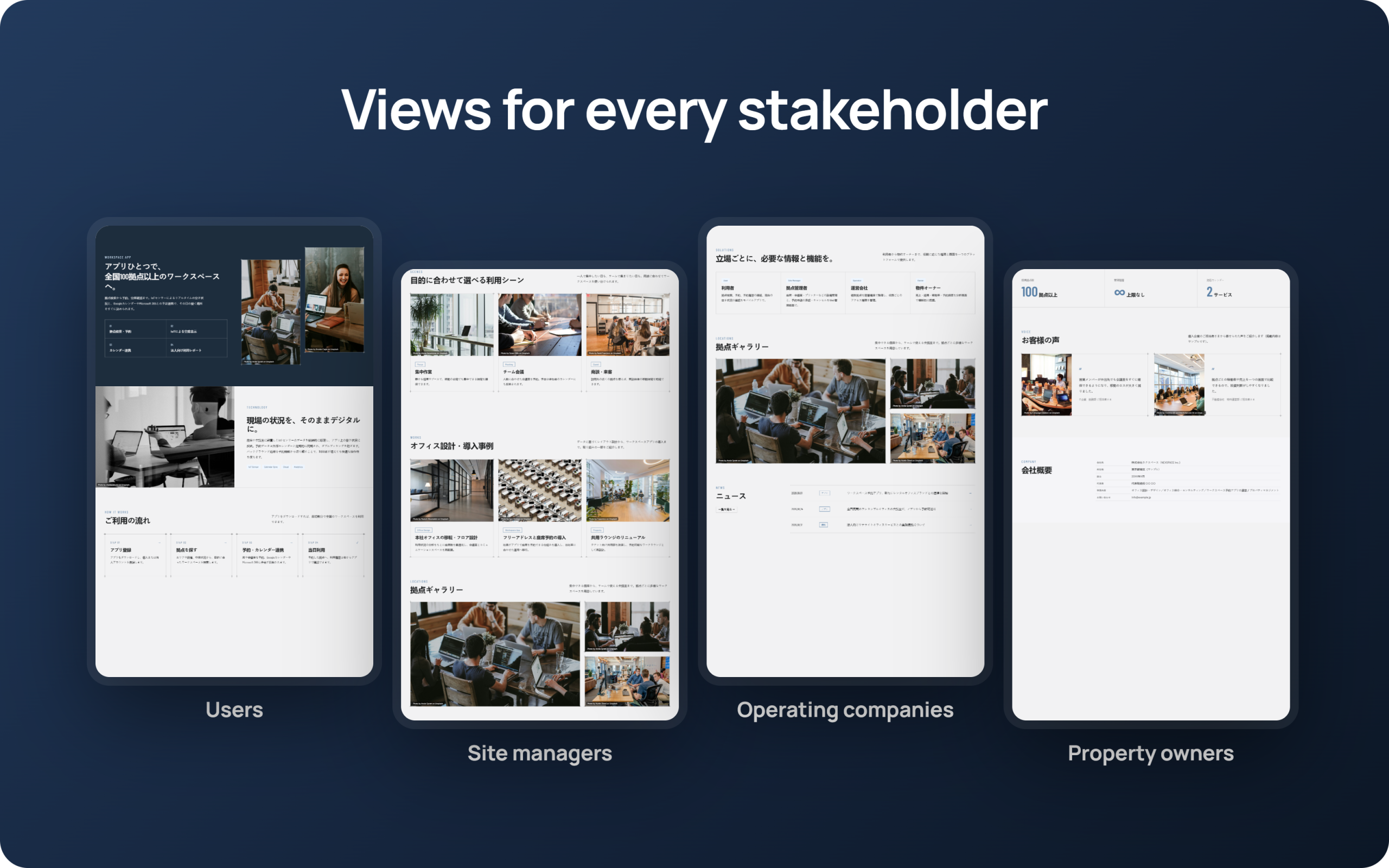
Users required an easier way to search locations, reserve spaces, manage bookings, and check facility availability. Meanwhile, site managers had to control shared facilities and reservation requests. Operating companies and property owners also needed broader visibility across multiple locations. Together, these needs called for a coworking management platform capable of supporting multiple stakeholder levels within one system.


Business Stakes
Coworking operations involved several workflows that had to stay coordinated within the same system. Facility availability needed to reflect real time sensor data, bookings had to remain synchronized across calendars, and four stakeholder groups required different levels of access and visibility. For the client, this meant the platform had to connect customer reservations with facility management and multi-level operational control without blurring responsibilities between roles.
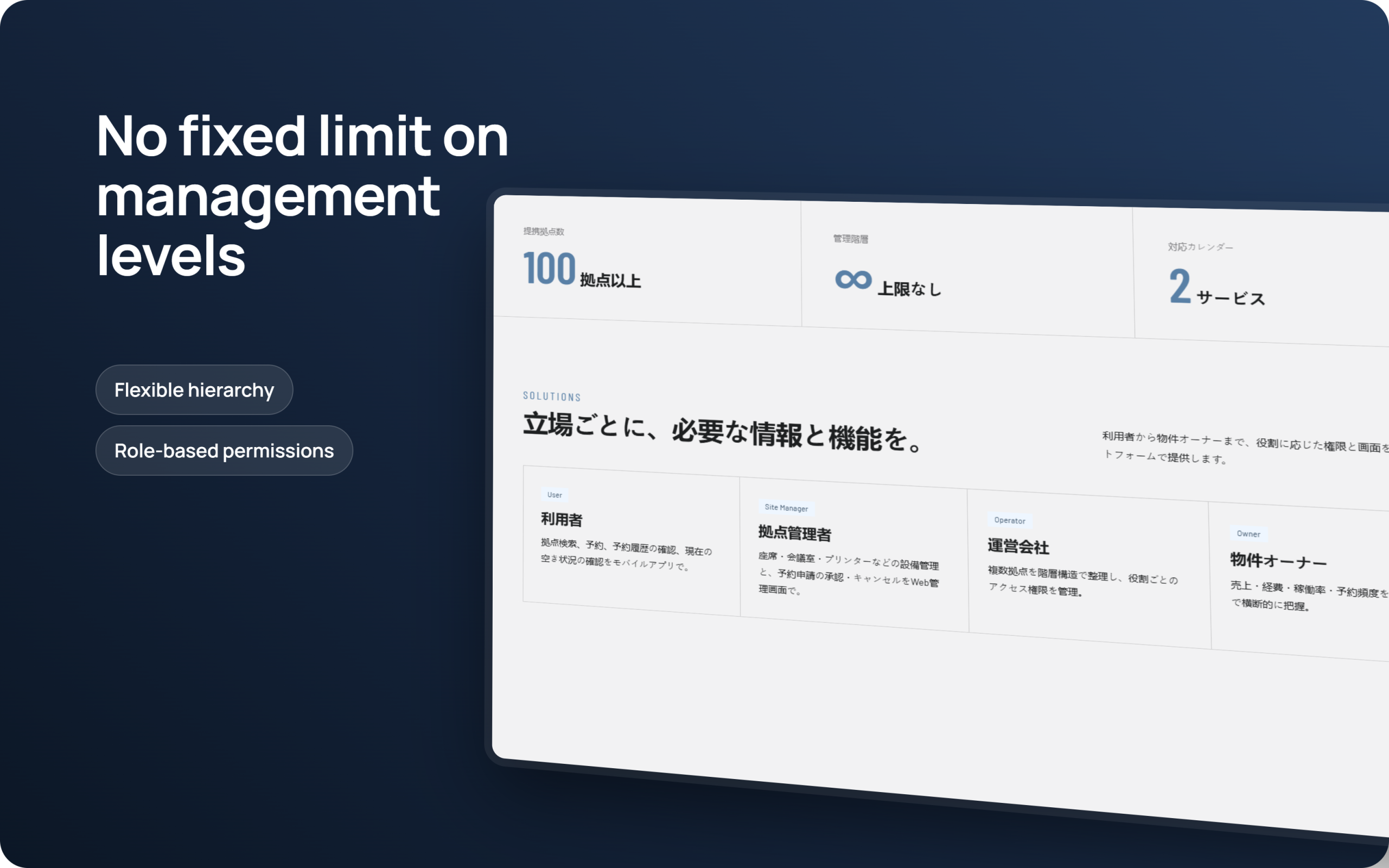
The platform served individual users, site managers, operating companies, and property owners across different management layers. Permissions had to keep each role within the right data scope, while the hierarchy needed to remain flexible with no fixed limit on management levels. This was essential for adding new locations and organizational structures without weakening access control or future scalability.
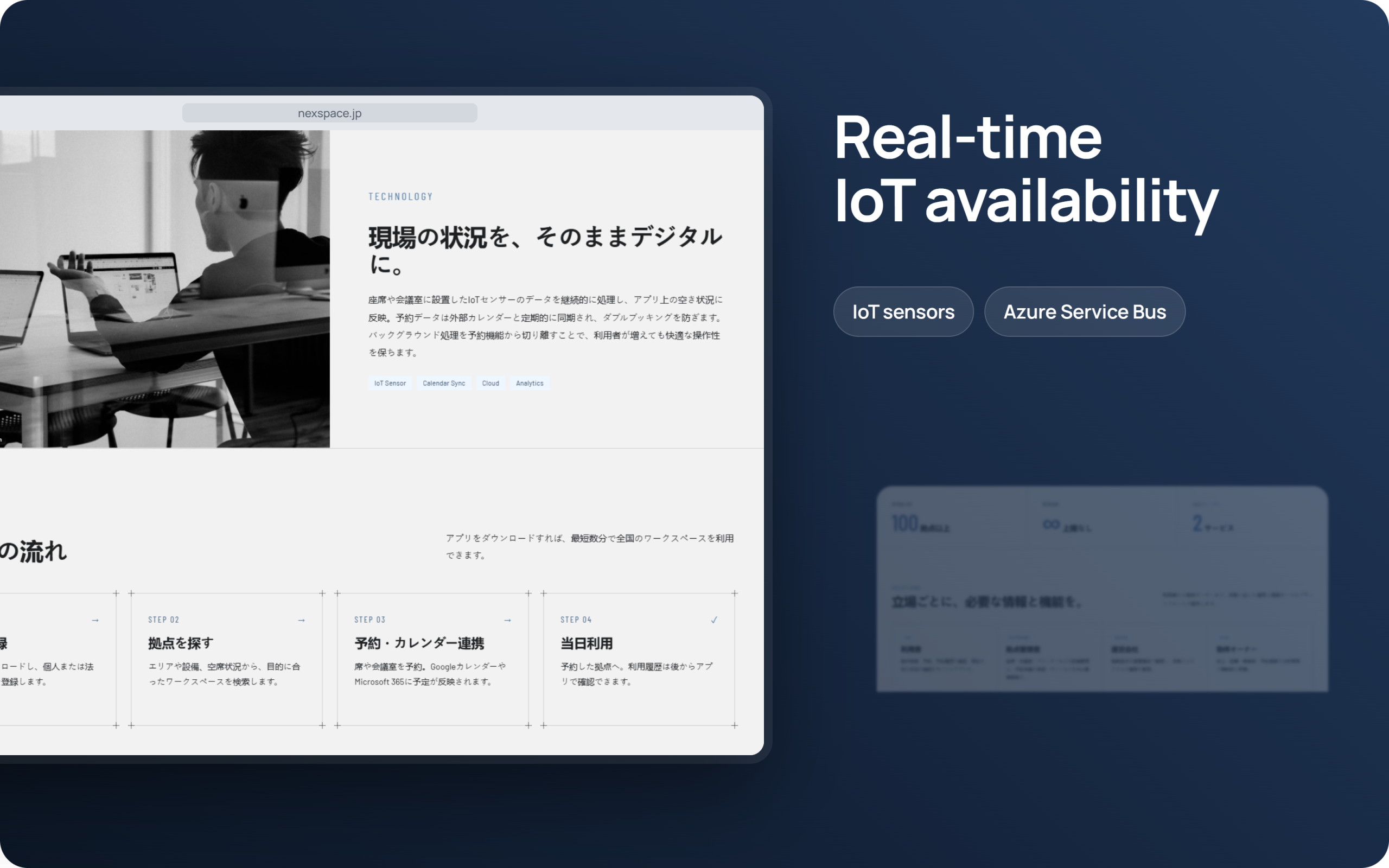
Seats, meeting rooms, and shared facilities could only be booked reliably when digital availability reflected actual on site usage. Large volumes of IoT sensor data therefore had to move through the system continuously. Delayed processing could create a gap between what users saw and what was truly available.
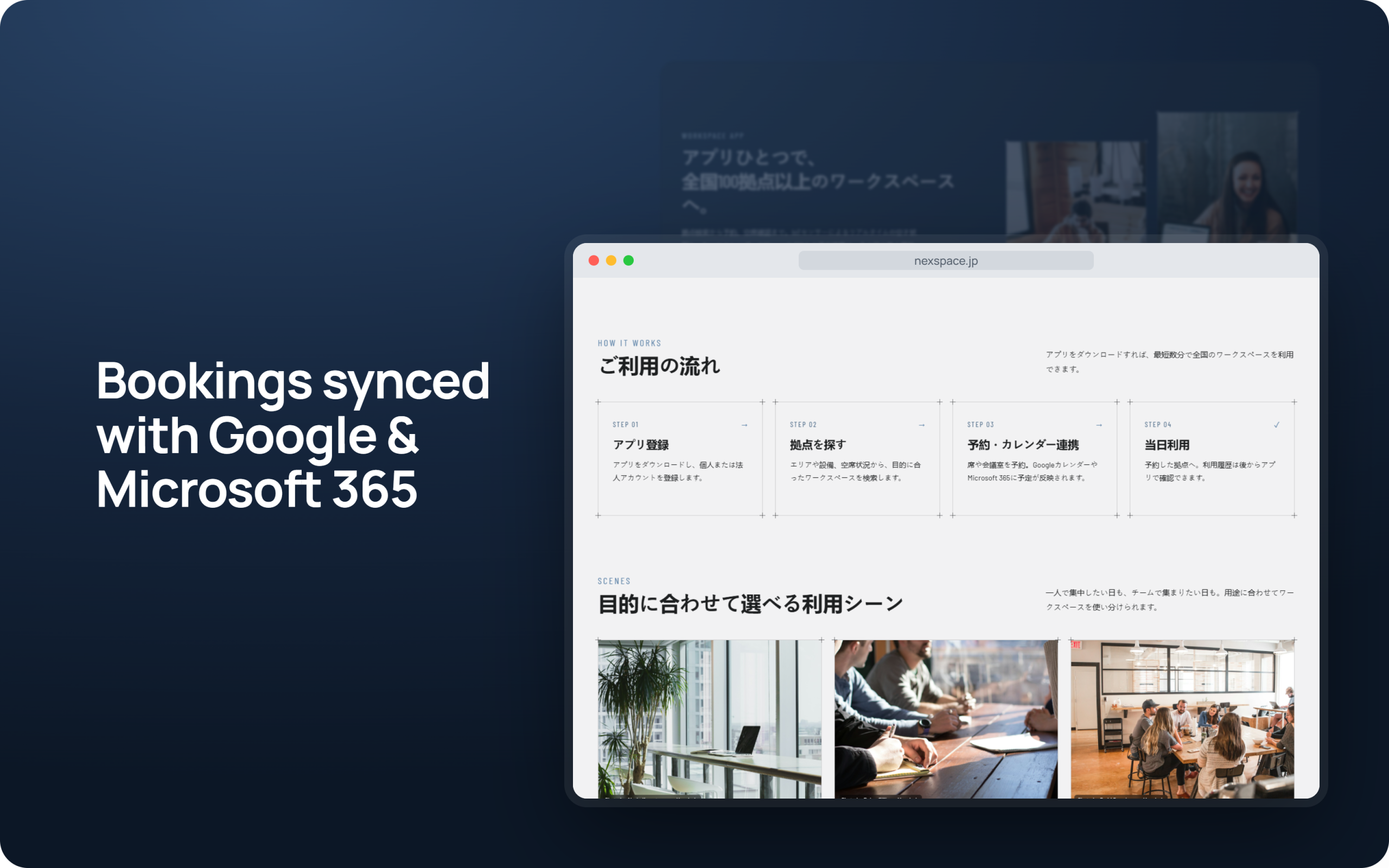
Reservations had to remain consistent across the platform, Google Calendar, and Microsoft 365 Calendar, while working within each service’s API limits. Synchronization gaps could create conflicting data between systems.
Site level information alone was not enough for a growing coworking network. Operating companies and property owners needed broader visibility into revenue, expenses, occupancy, and booking frequency to understand how locations were being used and manage the network with greater control.
Our Approach
Technical Decisions

Decoupled Background Processing
Sensor updates and calendar synchronization created heavy background workloads. Separating them from core processing helped protect booking and management performance.

Microsoft Azure
The platform needed one cloud foundation for hosting, storage, and background services. Azure supported these workloads within the same operating environment.

Azure Service Bus
IoT sensors continuously generated large volumes of facility data. Queuing these messages helped the platform process updates without slowing core user transactions.

Azure Blob Storage
The system required centralized storage within its cloud environment. Blob Storage provided a practical foundation for storing application data and files.

Quartz Scheduler
Booking data needed two way synchronization with Google Calendar and Microsoft 365 Calendar under third party API limits. Quartz Scheduler handled background batch jobs to reduce synchronization conflicts and keep booking flows responsive.

Hazelcast
High volume operational processing required additional support across the system architecture. Hazelcast provided Distributed Lock, Queue, and Executor capabilities, contributing to a more stable processing environment as workload increased.

Spring Boot and Java
Core booking, management, and integration logic needed a structured backend foundation. Spring Boot and Java supported these business processes across the platform.

NodeJS
The wider platform required backend services to support connected web and system functions. NodeJS formed part of this service layer.

VueJS and TypeScript
Site managers and operating companies needed a responsive web environment for daily administration. VueJS and TypeScript supported facility, booking, and management workflows.

Flutter and Dart
Users needed consistent mobile access to search, booking, and availability functions. Flutter and Dart supported these journeys across the mobile application.

Swift
The product also supported the iOS environment. Swift formed part of the mobile technology stack used for this platform.
Risk Handling
As the platform connected more facilities and external calendars, data processing became a key delivery risk. IoT sensors continuously sent availability updates, while Google Calendar and Microsoft 365 Calendar required recurring synchronization. To protect booking performance, the team separated these background workloads from core transactions. Azure Service Bus queued sensor data, while Quartz Scheduler managed scheduled calendar synchronization. This architecture reduced processing pressure on booking and management operations, helping the platform remain responsive and handle growing IoT and calendar data volumes more reliably.
Product Outcomes
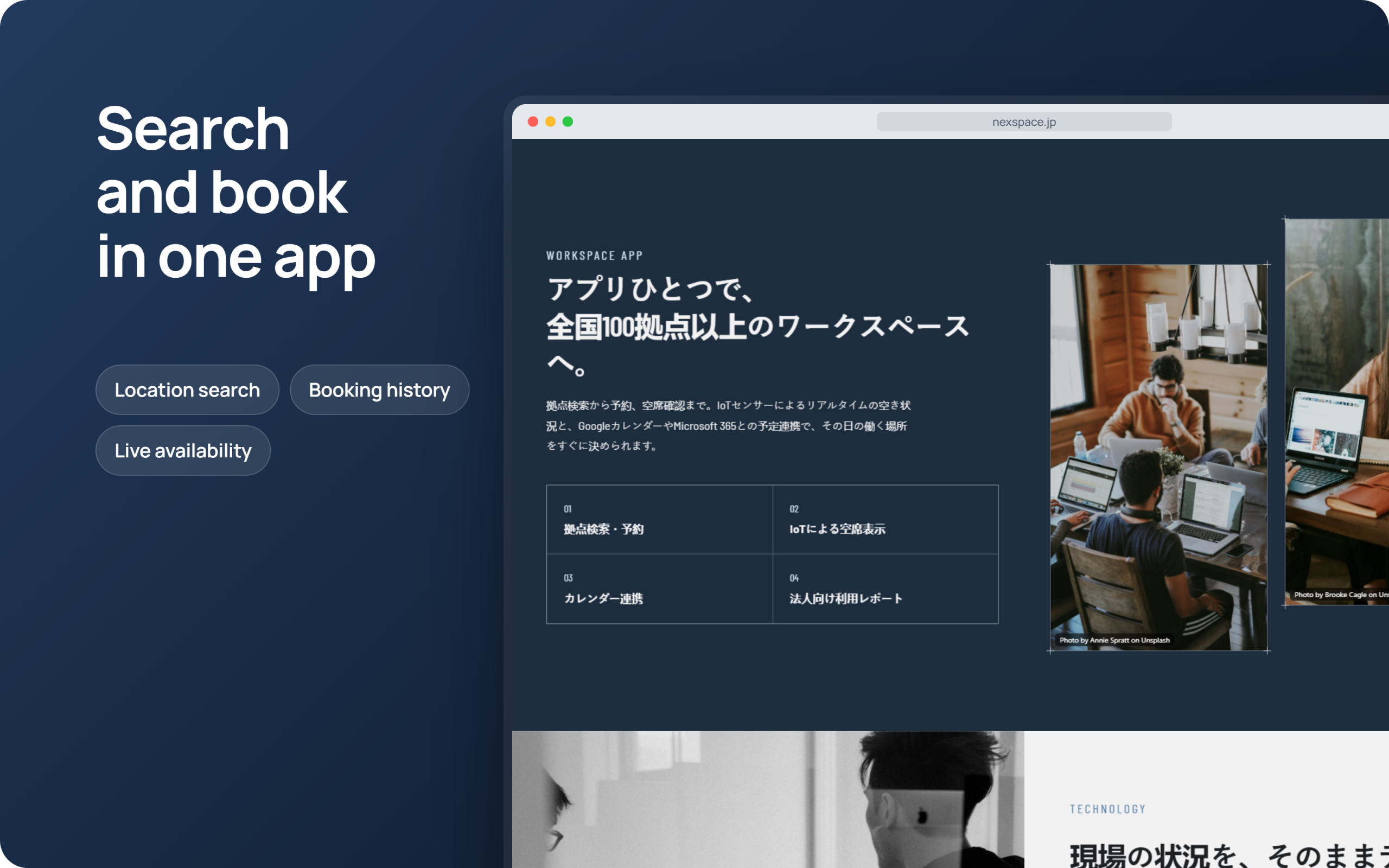
Users could search locations, reserve facilities, manage upcoming bookings, review reservation history, and check current availability through the mobile application.
Integrated IoT sensors reported live usage of seats, meeting rooms, and equipment, so availability shown in the app reflected actual on site conditions before users booked.
Site managers could manage seats, meeting rooms, printers, and other shared facilities while reviewing, approving, or cancelling booking requests from the web CMS.
Operating companies could organize locations across an expandable hierarchy with no fixed number of management levels. Role based permissions kept access aligned with each stakeholder’s data scope as the network grew.
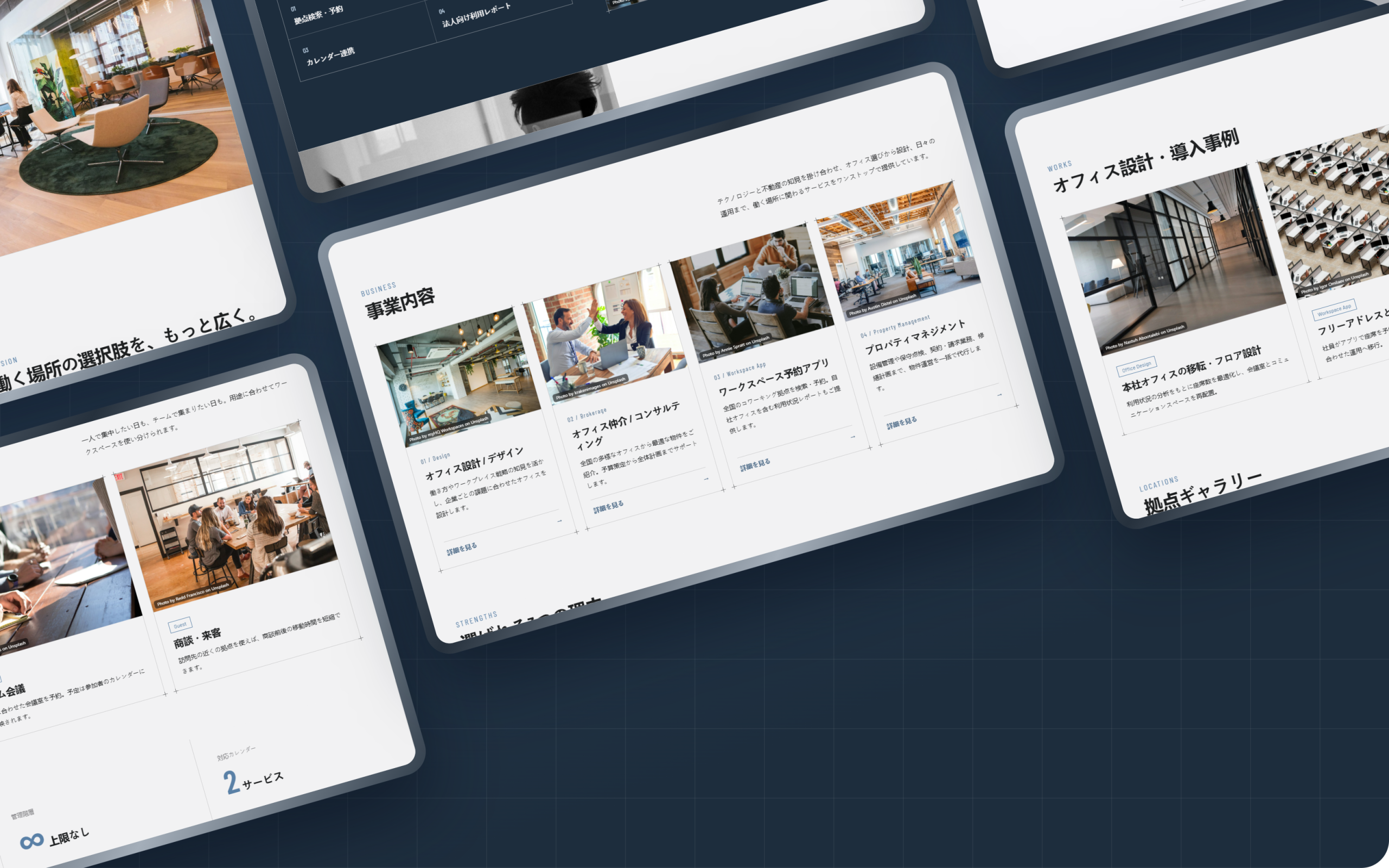
Owners could monitor revenue, expenses, occupancy, and booking frequency through centralized analytics, giving them a wider view of how locations and facilities were being used.
Business Impact
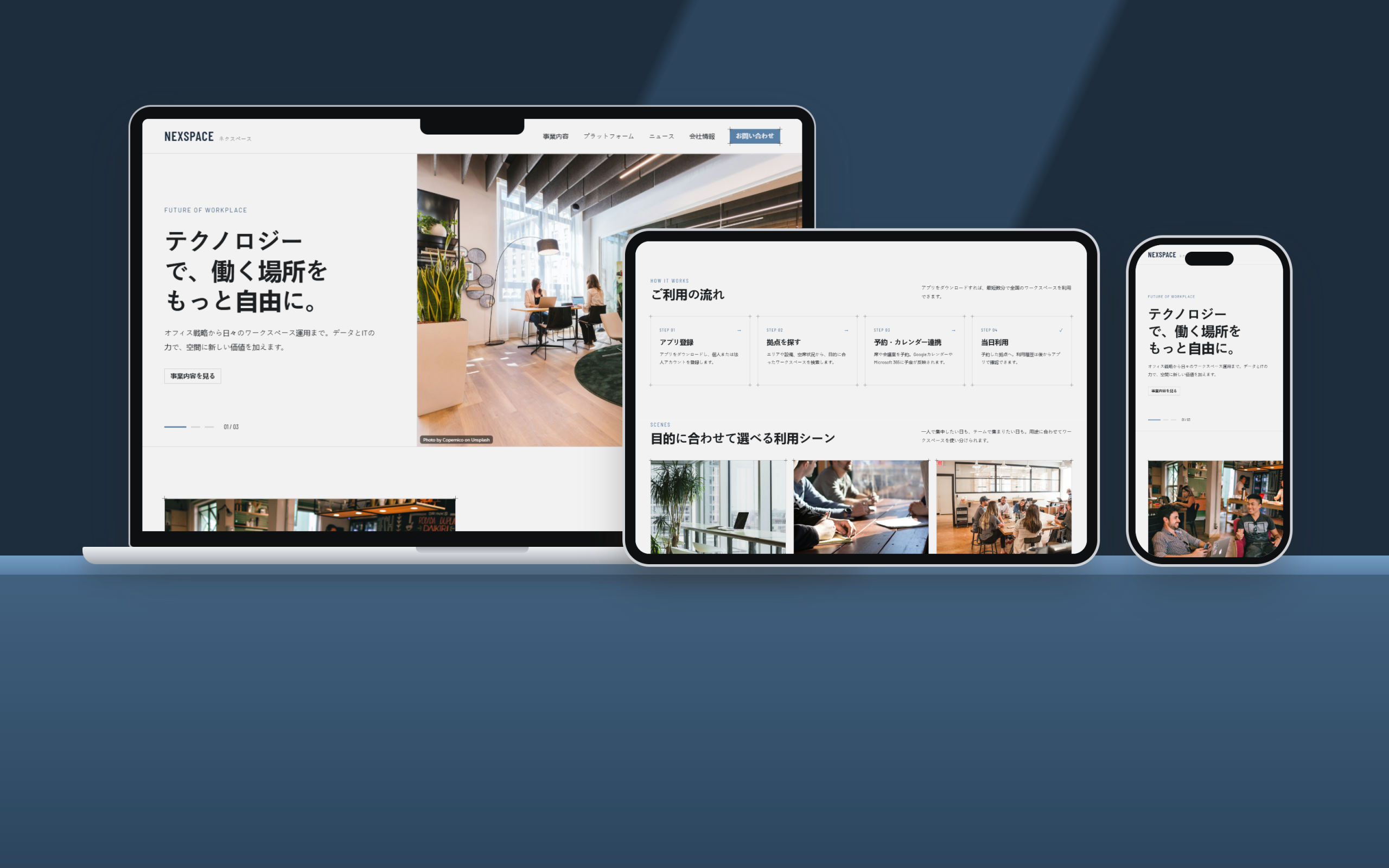
The platform gave the client a stronger digital foundation for expanding a coworking business without separating booking, facility management, and organizational control into disconnected systems. As more locations joined the network, the same platform could support additional users, facilities, and management layers while preserving operational visibility.
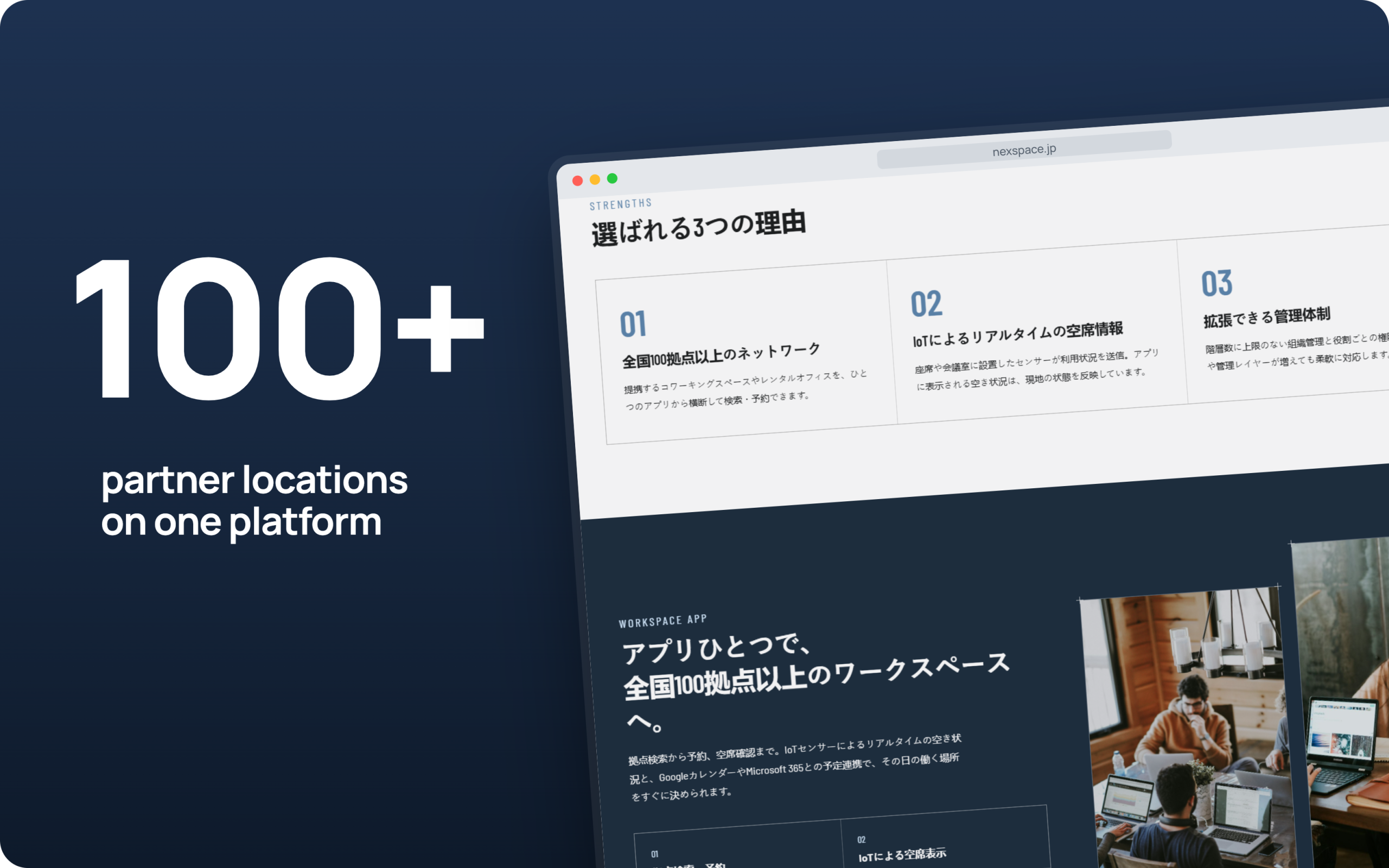
- 100+ partner locations: The client expanded its network of partner rental locations to more than 100.
- Growing app adoption: The number of application users increased significantly following the platform rollout.
- Scalable organizational control: Flexible hierarchy and permission management allowed new locations and management layers to be added without being constrained by a fixed structure.
Related Case Study




Let’s Build Something Extraordinary
Sign up for a 30 min no-obligation strategic session with us. Transform your Ideas into scalable reality.