


Building a Data-Powered Platformfor Cultural Tourism Discovery
Tourism - Japan Client – Web Development - Dedicated Team - 2 Years – 7 Members
The client needed more than a website for storing historical and destination data. It required a manageable information platform that could also help visitors find and understand relevant content while exploring each location. Newwave Solutions delivered a secure Drupal-based system that connected centralized content management with an accessible visitor experience, helping the client promote its historical data digitization services and later secure multiple similar projects.
Client Context
The client is a Japan-based digital solutions provider for museums and municipalities that transform museum information, city history, artifacts, tourist sites and past events into searchable content for people visiting and exploring local destinations.
Because these digital platforms serve as a public access point to institutional content, their security, content integrity and ease of administration directly affect the client’s service reliability and the public trust of the organizations it supports.


Business Stakes
The client needed a secure web platform that could serve two connected needs: centrally managing historical and destination information while helping visitors find and understand relevant content more easily during travel and on-site visits. The core challenge was to balance controlled content administration with clear public access to cultural information. Addressing both needs was important not only for the visitor experience but also for the client’s ability to demonstrate and promote its historical data digitization services.
Museum collections, local history, cultural sites, and past events contain different data structures. Treating them as disconnected web pages would make the content difficult to organize, reuse, and expand.
Institutional teams needed an administrative environment where authorized users could update and publish content without relying on developers for routine changes. Otherwise, updates would become slower and more costly to maintain.
The platform needed to separate content management from system administration. Inadequate access control could lead to unauthorized edits, accidental publication, or changes to historically important information.
As a public-facing source of museum and municipal information, inaccurate, unavailable or compromised content could damage the credibility of both the client and the institutions it supports.
An unsuitable CMS architecture or excessive dependence on third-party extensions could increase security exposure, maintenance effort and future development costs as the platform evolved.
Our Approach
Because Drupal was a client requirement, Newwave Solutions focused first on reducing the delivery risks associated with introducing an unfamiliar CMS into the project. Rather than starting with individual pages, the team prioritized understanding Drupal’s architecture, execution flow and core structure, where early mistakes could later increase security exposure, rework and maintenance costs.
To accelerate this process, we assigned engineers with previous CMS experience to lead the initial exploration and establish a shared implementation foundation. Their knowledge was then transferred across the seven-member Labo team, helping developers work from consistent patterns instead of learning Drupal independently. This approach allowed the team to balance the client’s security and access-control expectations with timely delivery, while creating a foundation that could support ongoing development, deployment, and maintenance.
Key Engineering Decisions
The technical strategy focused on turning the client-required Drupal CMS into a secure and maintainable foundation for long-term content operations. The team established the core architecture before expanding individual pages and used Drupal’s access-control capabilities to protect both system configuration and public content.

Using Drupal as the CMS foundation
Its security governance and access-control capabilities supported the reliability expected by public and cultural institutions, helping the client protect service credibility.

Establishing the Drupal core before feature development
Understanding the CMS structure and execution flow early helped prevent inconsistent implementation, rework and future maintenance issues.

Role-based access control
Restricting content and system changes to authorized users reduced publishing errors and protected the integrity of institutional information.

Separating content administration from public presentation
Institutional teams could update information without routine developer support, enabling faster publishing and a more consistent visitor experience.
Newwave Solutions worked with the client through a long-term Labo engagement under a time-and-materials model. The seven-member team remained involved across coding, testing, deployment and maintenance, providing continuity as requirements and project priorities evolved.
Because the client had limited availability, the two sides used a weekly meeting as their main alignment point rather than holding daily client calls. The team conducted internal daily meetings to track progress, resolve blockers, and prepare issues requiring client input. This structure protected the client’s time while maintaining delivery momentum, with weekly discussions used to confirm requirements, review progress, and align upcoming work.
Risk Handling
During implementation, the team found that several Drupal tasks required more effort than initially estimated because the technology was still new within the project. Internal daily tracking exposed the growing schedule gap before it affected the committed delivery date. We responded by reviewing the remaining workload and temporarily assigning additional engineers to time-sensitive tasks, giving the core team enough capacity to absorb the Drupal learning curve without compromising delivery. This targeted resource adjustment brought execution back in line with the project plan, allowing the website to be completed on schedule and meet the client’s expectations.
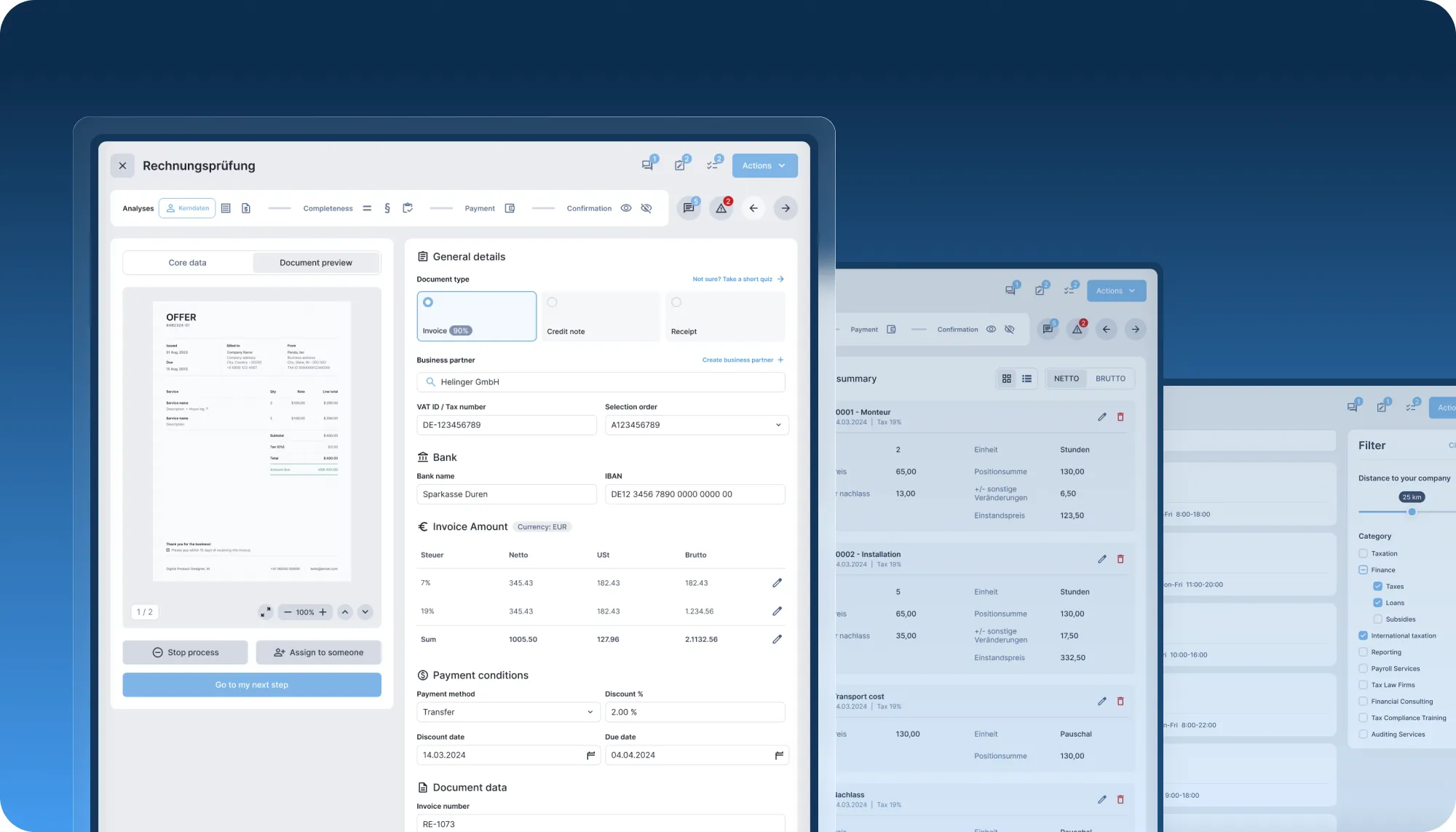
Product Outcomes
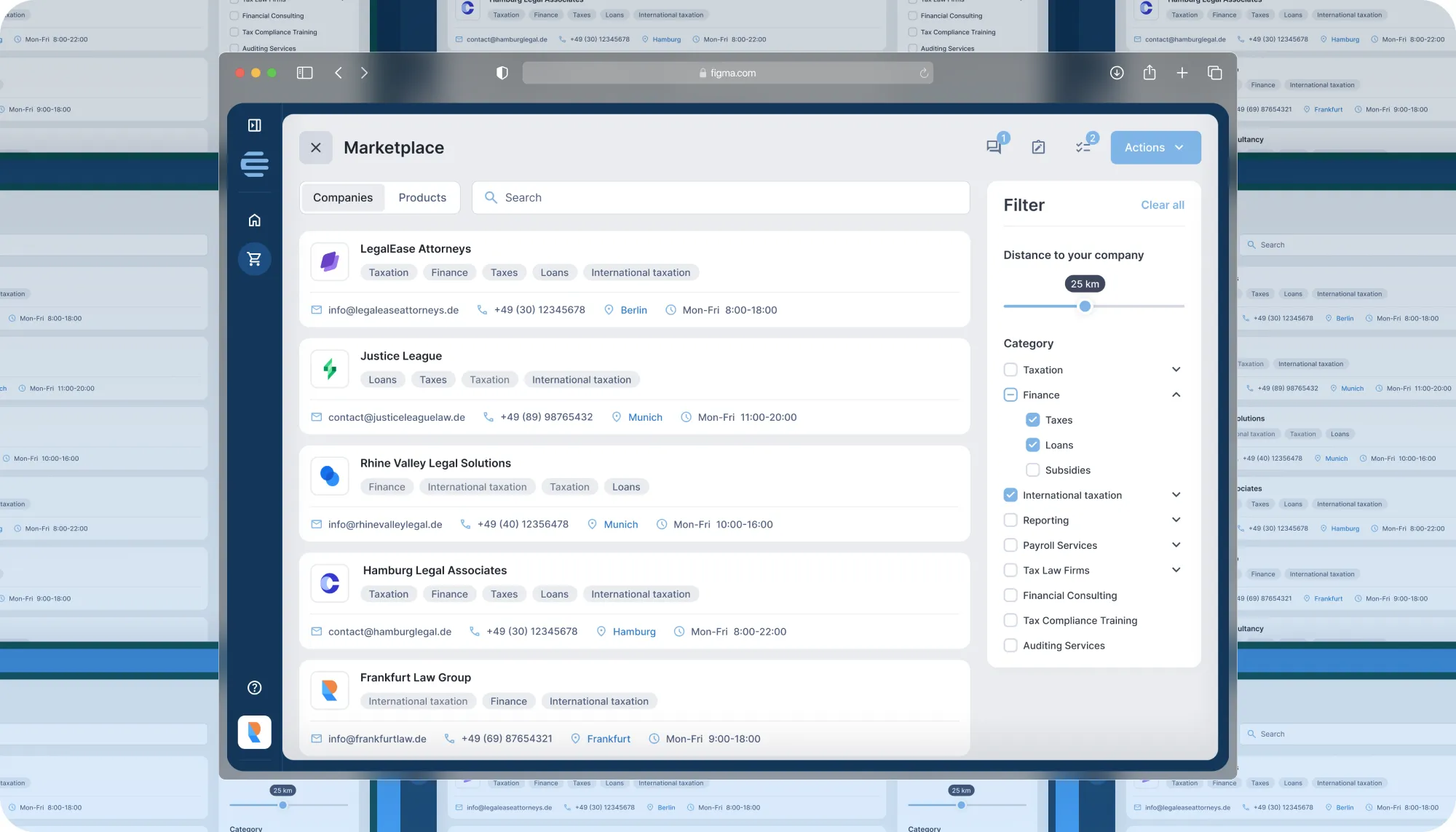
Moving routine content updates into the admin environment reduced dependence on developers. This enabled the client and its institutional partners to maintain information more efficiently while controlling long-term support effort.
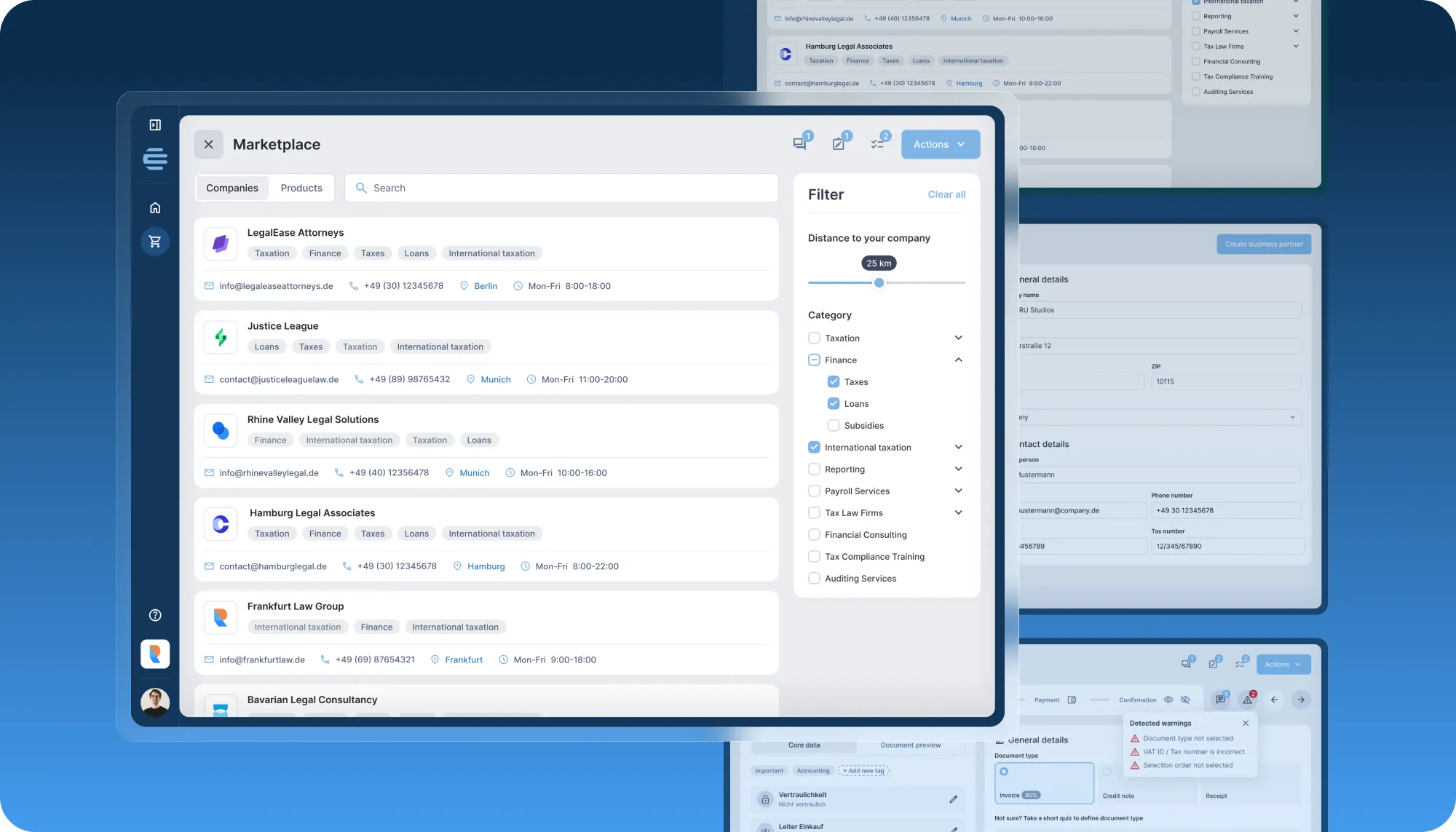
Bringing museum information, city history, artifacts and past events into one public experience turned digitized records into a usable service for residents, visitors and tourists. This strengthened the value the client could deliver to museums and municipalities.
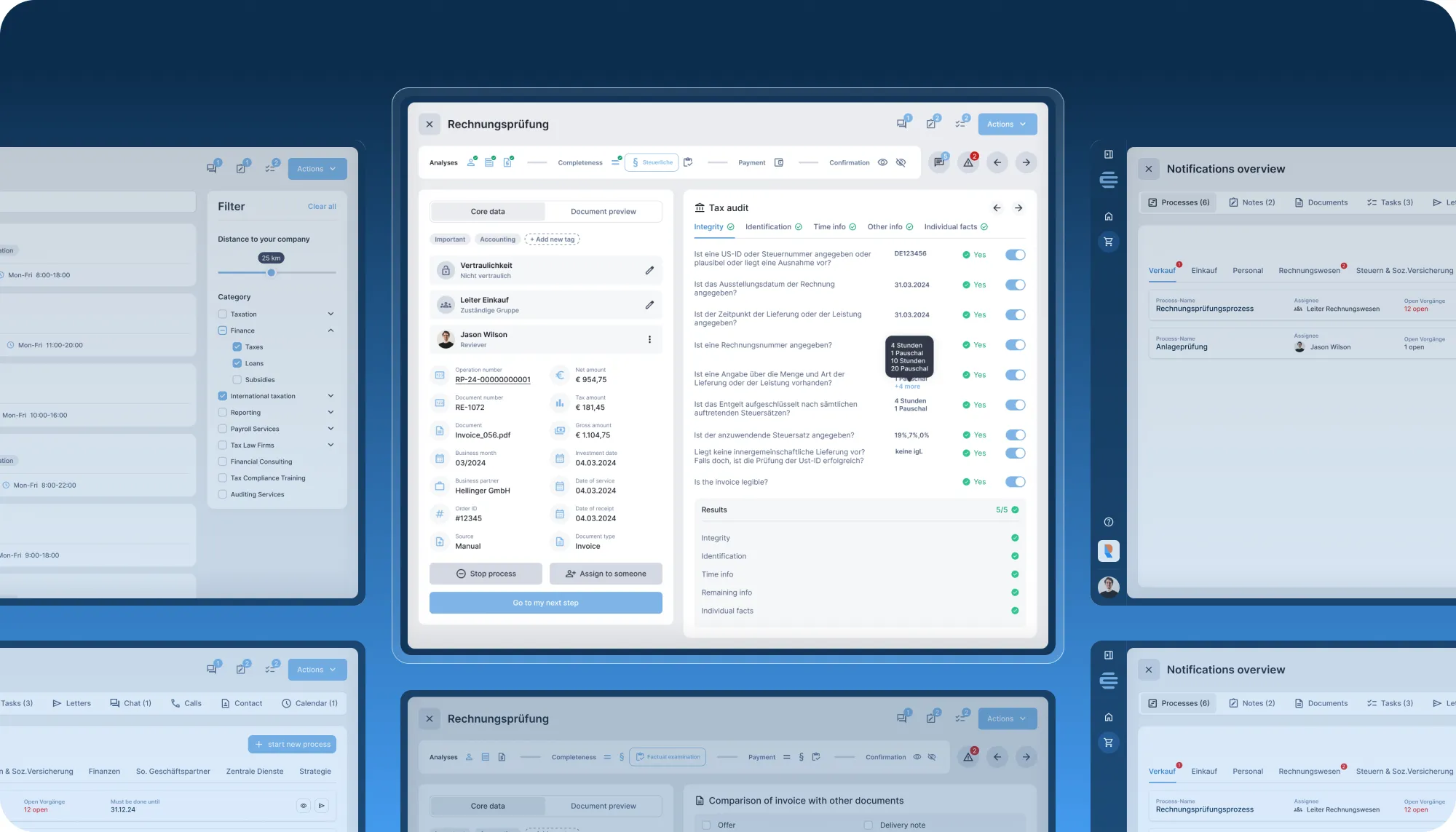
Establishing the Drupal core early and delivering the platform on schedule protected the project timeline and reduced structural rework. Continued collaboration preserved technical knowledge within the team, lowering delivery risk as the platform moved into further development and maintenance.
Business Impact
The completed website became both a tourism information platform and tangible proof of the client’s expertise in historical data digitization. By demonstrating how museums and municipalities could transform cultural records into manageable, visitor-facing content, the client was able to promote its services through a working product rather than an abstract capability claim. Following delivery, the client secured multiple similar projects, creating additional revenue opportunities and establishing a more repeatable business model for its museum and municipal digitization services. The team was subsequently entrusted to support several of these new projects.
Related Case Study





Let’s Build Something Extraordinary
Sign up for a 30 min no-obligation strategic session with us. Transform your Ideas into scalable reality.