


What Is Web3? How It Works, Benefits & Applications 2026
Web3 is shaping the next evolution of the internet. It introduces a shift from centralized platforms toward a decentralized, user-owned digital environment powered by blockchain technology. As organizations explore new digital strategies, Web3 becomes a foundational part of how businesses interact with data, assets, and online ecosystems.
Many companies, investors and enterprises are exploring Web3 to understand its potential, its risks and how it can reshape digital experiences. To support this exploration, this guide explains What Is Web3, how it works, where it is used and why it is becoming an important part of future digital systems.
Key Takeaways
|
What is Web3?
Web3 is a decentralized version of the internet where users can own and control their digital identity, data, and assets instead of depending on centralized companies such as Google, Apple, Meta, banks, or cloud providers. This ownership is enabled by blockchain technology, cryptographic wallets, public and private keys, smart contracts, and decentralized governance.
How Did the Internet Evolve From Web1 to Web3?
To fully understand what Web3 is, it helps to look at how the internet has evolved over time. Each generation of the web introduced new ways for people to access information, interact online, and manage digital value
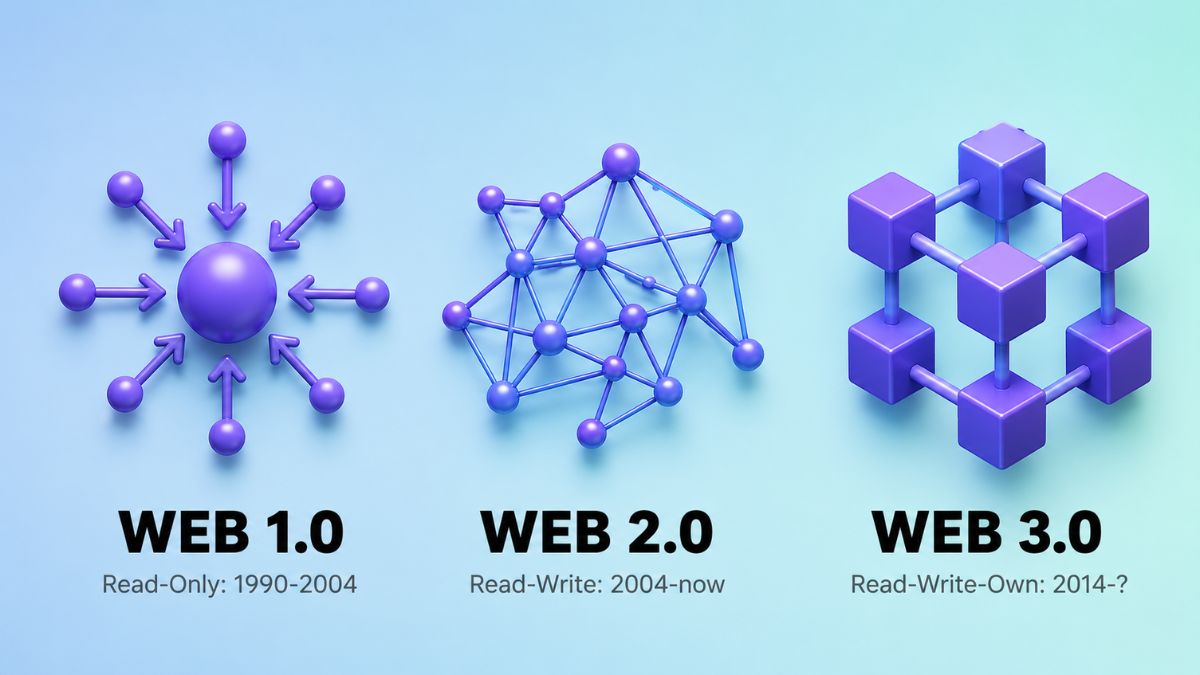
Web1: The read-only web
Web1, also known as Web 1.0, was the earliest stage of the modern internet, developing during the 1990s and remaining dominant until the early 2000s. Its foundations can be traced back to ARPANET, a research network launched by the U.S. government in the late 1960s to allow computers at universities and research institutions to exchange information.
Web1 mainly consisted of static HTML pages that users could read but rarely modify or interact with. Website owners published information, while visitors acted primarily as consumers. Basic forums, chat services, and early online ordering systems were available, but communication and financial transactions remained limited because secure payment infrastructure and advanced encryption were not yet widely adopted.
Web2: The read-write web
Web2 emerged in the early 2000s as faster internet connections, improved web technologies, and growing user demand made online interaction easier. Platforms such as Facebook, YouTube, Twitter, Google, and MySpace transformed the internet from a collection of static pages into an environment where users could create, share, and respond to content in real time.
The main function of Web2 is to enable participation, communication, commerce, and collaboration. Users can publish posts, stream videos, shop online, transfer money, and use cloud-based services. However, most Web2 platforms are controlled by centralized companies that store user data, manage digital identities, set platform rules, and determine how content is distributed or monetized.
Web3: The read-write-own web
Web3 began taking shape after the publication of the Bitcoin whitepaper in 2008, which introduced a blockchain-based system for transferring digital value without relying on banks or other trusted intermediaries.
Put simply, Web3 is a decentralized vision of the internet that aims to reshape how individuals and institutions form and execute agreements. It combines the user-controlled, decentralized structure of early Web1 with the interactive and dynamic features of Web2 platforms.
In this model, users can own their data, digital assets, and identities while participating in online ecosystems. Transactions and agreements are enforced through cryptographic systems and smart contracts, reducing reliance on centralized authorities. Instead of trusting intermediaries, users depend on transparent, deterministic software to carry out actions exactly as programmed.
How Does Web3 Work?
Web3 works by allowing users to connect directly to applications through a crypto wallet. Instead of creating a traditional account with an email address and password, users connect their wallet to verify their identity and access the application. The same wallet can also store digital assets, make payments, sign transactions, and prove ownership.
Behind the application, smart contracts manage the rules and processes. A smart contract is a self-executing program stored on a blockchain that automatically performs an action when predefined conditions are met.
For example, it can transfer a digital asset after payment is confirmed. Because the process is recorded and verified by the blockchain, users do not need a bank, platform operator, or other central authority to approve the transaction.
What Are the Core Components of Web3?
Web3 is powered by a collection of decentralized technologies that work together to help users own digital assets, exchange value, and interact without relying entirely on central authorities. The main components of the Web3 technology stack include blockchains, cryptocurrencies, smart contracts, decentralized applications, crypto wallets, and oracles.
Blockchain networks
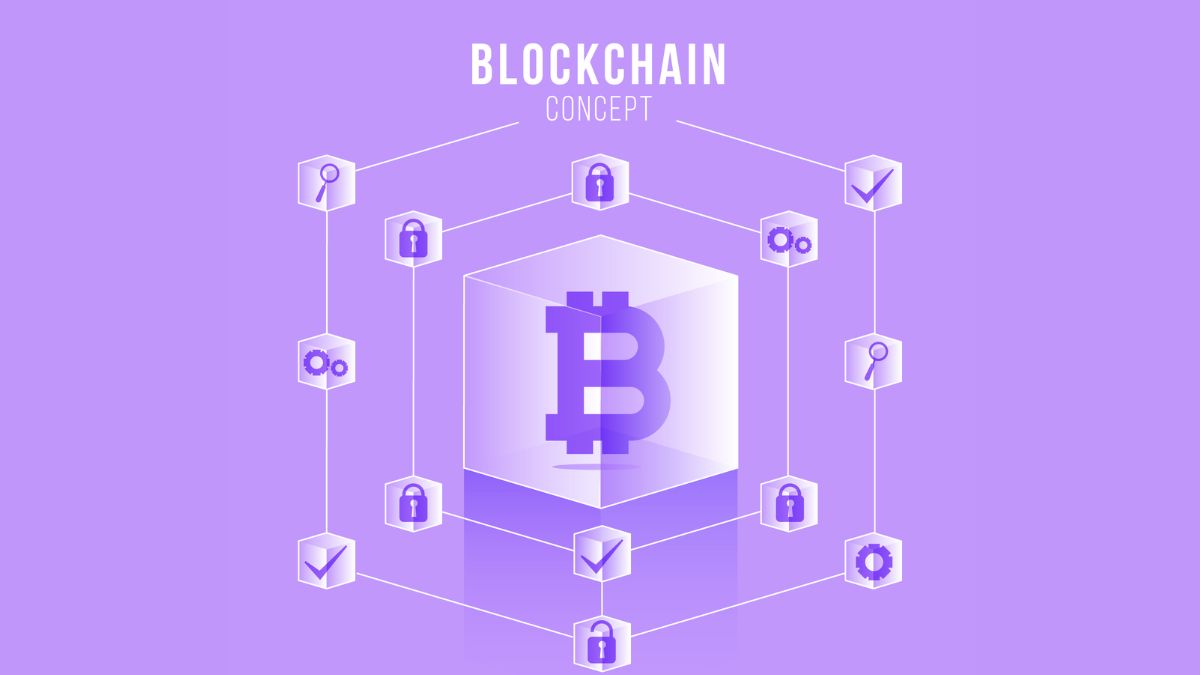
Blockchain is the foundation of Web3, acting as a decentralized and secure digital ledger that records data and transactions across a network of computers rather than a single authority.
Once verified, information on the blockchain is difficult to alter, ensuring transparency and trust. It enables the transfer of cryptocurrencies, verification of asset ownership, and execution of smart contracts.
Cryptocurrencies and tokens
Cryptocurrencies are digital assets created and transferred through blockchain networks. They can be used to send payments, pay transaction fees, access Web3 services, or exchange value directly between users. Bitcoin and Ether are two well-known examples.
Web3 tokens can also serve purposes beyond payment. A token may represent access to a service, ownership of a digital asset, voting rights within a decentralized project, or a financial interest in a protocol. Their exact functions depend on how they are programmed and used within each Web3 ecosystem.
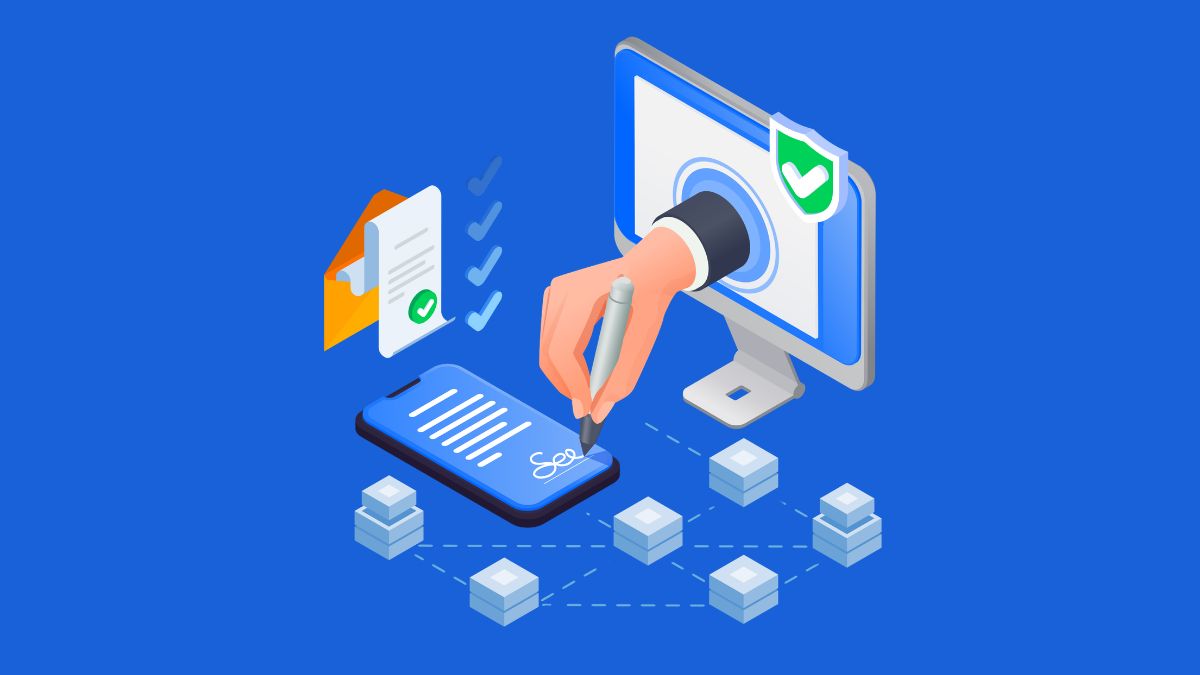
Smart contracts
Smart contracts are programs stored on a blockchain that automatically perform actions when predefined conditions are met. They follow simple rules such as, “If payment is confirmed, transfer the digital asset to the buyer.”
Because smart contracts execute automatically, users do not always need a bank, broker, or platform administrator to approve a transaction. They can support activities such as lending, trading, insurance claims, royalty payments, voting, and digital asset transfers.
Decentralized applications
Decentralized applications, commonly known as dApps, are applications that use smart contracts and blockchain networks to provide their core functionality. Users usually access them through a website or mobile interface, much like traditional applications.
The main difference is that a dApp’s rules and transactions are not controlled entirely by one organization but rather by the decentralized infrastructure of blockchain networks. dApps can support decentralized finance, blockchain games, digital marketplaces, supply chain platforms, identity systems, and many other Web3 use cases.
Crypto wallets
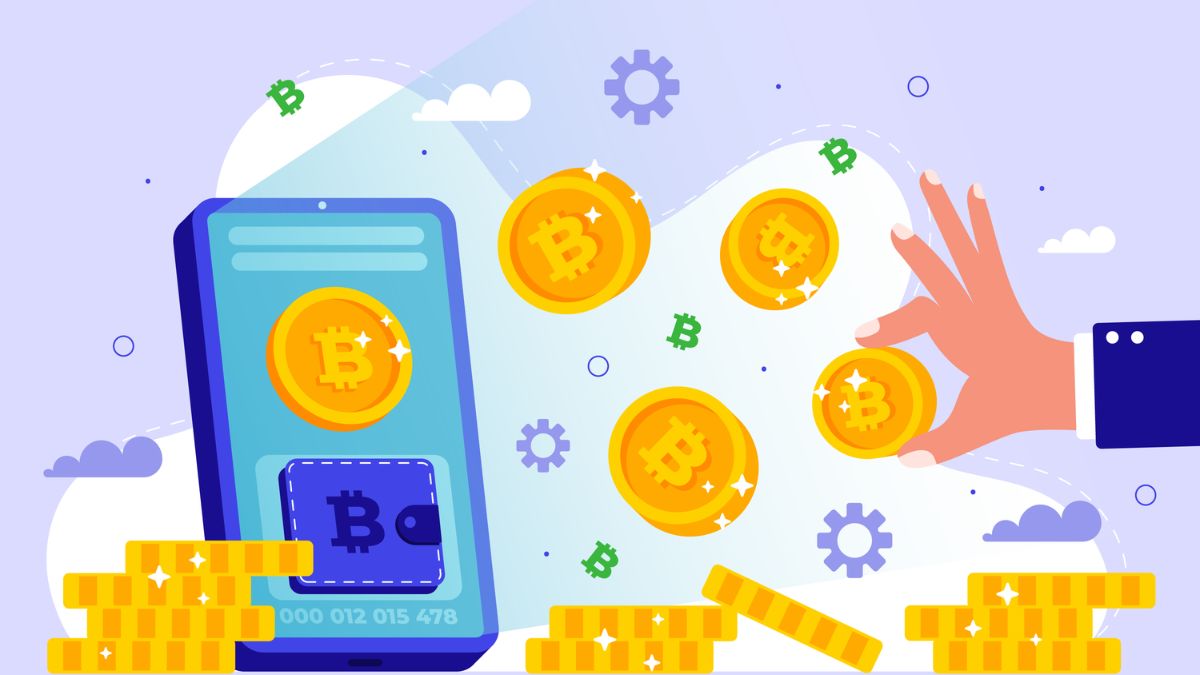
A crypto wallet allows users to access Web3 applications and manage their blockchain-based assets. Instead of storing cryptocurrency in the same way a physical wallet stores cash, it manages the cryptographic keys that prove ownership and authorize transactions.
In Web3, a wallet can function as a user account, payment method, and digital identity. Users can connect the same wallet to different dApps, sign transactions, hold tokens, and verify ownership without creating a separate username and password for every platform.
Blockchain oracles
Blockchains cannot directly access information outside their own networks. Oracles solve this limitation by bringing external data, such as asset prices, weather conditions, sports results, or shipment updates, into smart contracts.
For example, a blockchain-based insurance application may use an oracle to confirm whether a flight was delayed before automatically issuing compensation. Oracles therefore help connect Web3 applications with real-world data, traditional systems, and external services.
Web2 vs Web3: What Are the Key Differences?
Web2 and Web3 differ in how data, platforms, and digital assets are controlled. Web2 is primarily built around centralized companies that manage infrastructure and user information, while Web3 uses blockchain technology to give users greater ownership, transparency, and control.
|
Aspect |
Web2 |
Web3 |
| Data ownership |
User data is stored and controlled by centralized companies. |
Users can own and manage their data, identity, and digital assets. |
| Platform control | Platforms are operated by companies that set rules and control access. | Platforms may be governed through decentralized networks, protocols, or communities. |
| Business model | Revenue commonly comes from advertising, subscriptions, and user data. | Revenue may come from tokens, transaction fees, digital assets, and decentralized autonomous organizations. |
| Connectivity | Users interact through centrally managed servers and platforms. | Users can interact through peer-to-peer networks and decentralized protocols. |
| Frameworks and tools | Proprietary platforms and third-party services. |
Open-source and permissionless technologies. |
| Security |
Data is commonly stored on centralized servers, creating single points of failure. |
Data and transactions are verified across distributed blockchain networks. |
| Interoperability |
Data and assets are often restricted to individual platforms. |
Digital assets and identities may be used across multiple compatible applications. |
| Privacy |
Companies collect, store, and manage users’ personal information. |
Users can have greater control over what information they share and how they authenticate. |
| Governance | Decisions are made by platform owners and corporate leadership. |
Users or token holders may participate in decisions through decentralized governance. |
What Are the Benefits of Web3?
Web3 can give users greater control over their digital assets, identities, payments, and online participation. By combining blockchain networks, crypto wallets, tokens, and smart contracts, it reduces dependence on centralized platforms and enables users to interact, exchange value, and contribute to digital communities more directly.
Greater ownership of digital assets
Web3 allows users to directly own digital assets through their crypto wallets. These assets may include cryptocurrencies, digital collectibles, membership tokens, virtual land, or in-game items recorded on a blockchain.
For example, an item purchased in a traditional online game usually remains tied to the player’s account and controlled by the game operator. If the account is suspended or the game closes, the player may lose access. In a Web3 game, blockchain-based items can potentially be held independently, transferred to another wallet, or traded on a compatible marketplace.
More control over digital identity
Web3 can reduce the need to create a separate account for every online platform. Instead, users can connect a crypto wallet that acts as a digital identity and proves that they control a particular blockchain address.
This gives users more control over how they access applications and what information they share. The same wallet-based identity may also be used across multiple compatible services, although users still need to protect their private keys because losing them can mean losing access to their identity and assets.
Reduced dependence on centralized platforms
Traditional online platforms can change their policies, limit accounts, remove content, or restrict access. Users and creators often have little control over these decisions because their content, followers, and reputation are stored within the platform’s private systems.
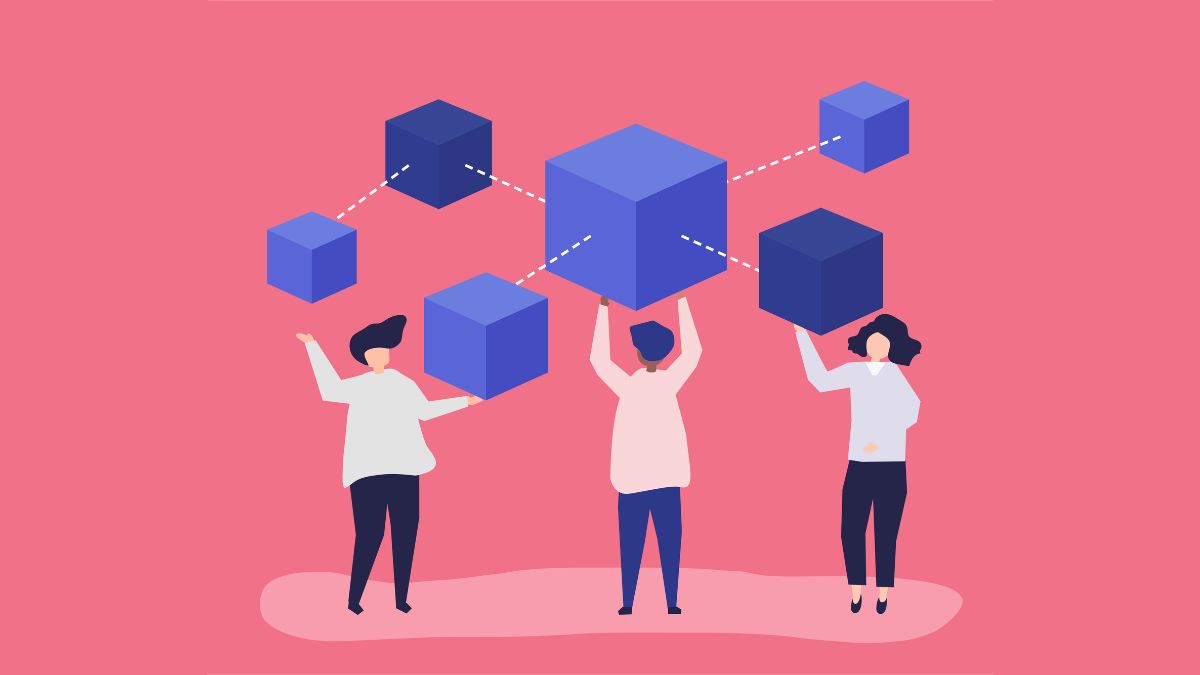
Web3 can make digital information and assets more portable by recording them on decentralized networks. This may allow users to move certain assets, credentials, or reputation data between compatible applications instead of rebuilding their online presence from the beginning.
Greater transparency
Transactions and smart contract activities on public blockchains can often be viewed and independently verified. This allows users to examine how funds move, how an application operates, and whether programmed rules are being followed.
Such transparency can reduce the need to rely entirely on claims made by a company or platform. However, blockchain records can be difficult for nontechnical users to interpret, so applications still need clear interfaces and explanations.
Open and permissionless access
Many Web3 applications are permissionless, meaning users can access them with a compatible wallet and internet connection without requesting approval from a central organization. Developers can also build on open blockchain networks and existing smart contracts.
This open structure can encourage innovation because teams can create new services using shared infrastructure.
What Are the Limitations and Risks of Web3?
Web3 offers greater transparency, ownership, and decentralization, but the technology still faces several barriers that can slow mainstream adoption. Businesses should understand these limitations early to manage technical, financial, security, and regulatory risks more effectively.
Limitations of Web3 include:
- High transaction costs: Network fees can become expensive during periods of heavy demand, making some Web3 applications less accessible to users in price-sensitive markets. Layer 2 solutions can reduce costs, but adoption remains uneven.
- Complex user experience: Wallet setup, private key management, gas fees, and unfamiliar interfaces can make Web3 difficult for mainstream users. Poor usability also increases the risk of mistakes, lost assets, and lower adoption.
- Limited scalability: Many blockchain networks can process fewer transactions than centralized systems, which may lead to slower speeds and higher fees. Scaling solutions help, but they can introduce additional technical complexity.
- Regulatory uncertainty: Rules for cryptocurrencies, tokens, DeFi, and digital assets continue to evolve across jurisdictions. This creates compliance risks for businesses operating in multiple markets.
The most prominent risks associated with the Web3 ecosystem include:
- Loss of private keys: Web3 users are responsible for managing their own private keys or seed phrases. If these credentials are lost and no backup is available, access to the wallet and its digital assets is usually impossible to recover.
- Phishing attacks and wallet scams: Cybercriminals often target Web3 users through fake websites, malicious wallet connections, and fraudulent smart contract approvals. A single mistake can result in unauthorized access to funds or permanent asset loss.
- Smart contract vulnerabilities: Smart contracts execute automatically once deployed, making coding errors or security flaws difficult to fix. Vulnerabilities can be exploited by attackers, potentially leading to stolen assets, disrupted services, or significant financial losses.
- Limited consumer protection: Unlike traditional financial institutions, many blockchain platforms, crypto exchanges, and Web3 service providers operate with limited regulatory oversight. If a platform fails, is hacked, or becomes insolvent, users may have little or no legal protection or compensation.
What Are the Most Common Use Cases of Web3?
Web3 is being applied across finance, commerce, gaming, social media, and digital ownership. Its main value comes from combining blockchain, smart contracts, tokens, and decentralized infrastructure to give users more control over assets, identities, and online interactions.
Decentralized finance
DeFi platforms allow users to lend, borrow, trade, and manage digital assets without relying on traditional banks or financial institutions. Smart contracts automate transactions and reduce the need for intermediaries. This can improve accessibility, transparency, and efficiency, especially for users with limited access to conventional financial services.
NFTs and digital ownership
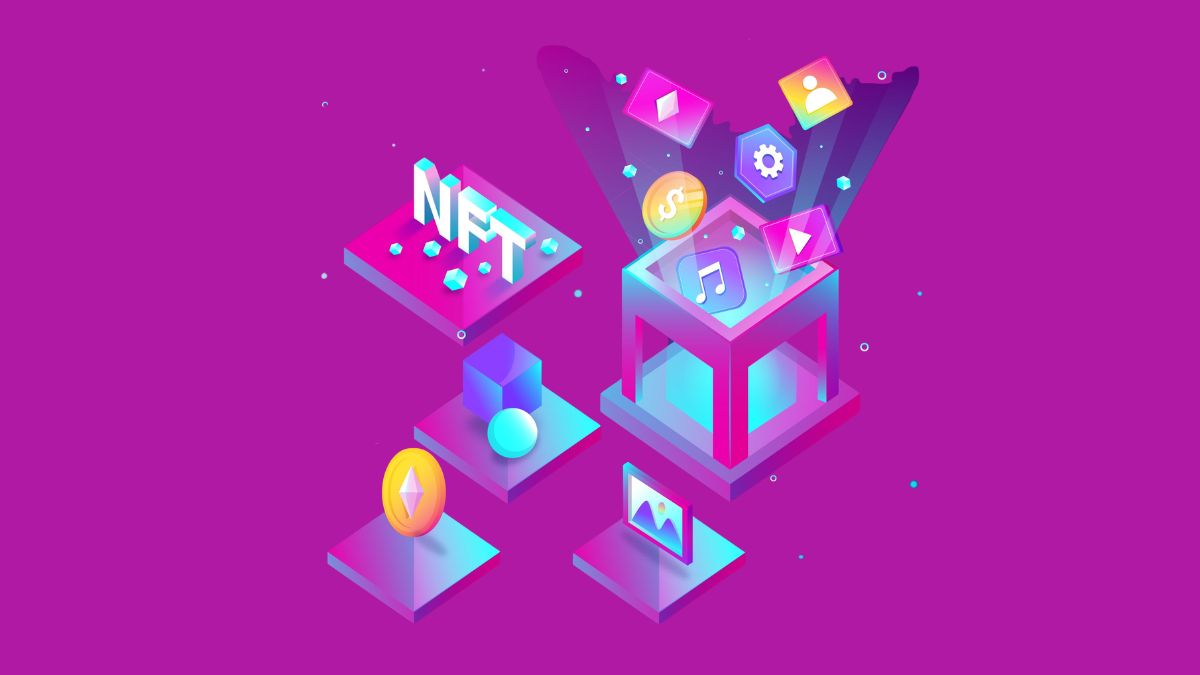
NFTs provide verifiable ownership of digital assets such as artwork, collectibles, tickets, memberships, and in-game items. Each token has a unique blockchain record, making it possible to prove authenticity and ownership. Businesses can also use NFTs to create new revenue models, reward communities, and support digital asset trading.
Web3 gaming and the metaverse
Web3 gaming gives players greater control over in-game assets by representing them as tokens or NFTs. These assets may be traded, transferred, or used across compatible platforms instead of remaining locked inside one game. Blockchain can also support transparent gameplay, player-driven economies, and play-to-earn models.
Decentralized social networks
Decentralized social platforms reduce reliance on a single company by storing data and identity across distributed networks. Users can gain more control over personal information, content, and online profiles. These platforms may also use tokens or NFTs to reward creators, support community governance, and enable new monetization models.
Web3 marketplaces and E-commerce
Web3 marketplaces connect buyers and sellers directly through blockchain and peer-to-peer systems. Smart contracts can automate payments, verify ownership, and enforce transaction conditions without traditional intermediaries. This model can reduce platform fees while giving users more control over their assets, data, and transactions.
Real-World Examples of Web3
Web3 is already powering financial platforms, digital marketplaces, virtual worlds, and self-custodial asset management products. The following examples show how blockchain, smart contracts, and decentralized ownership models are being applied to solve practical user and business needs.
Uniswap: Peer-to-Peer token trading
Uniswap is a decentralized exchange that allows users to swap digital assets directly without relying on a centralized intermediary. Its automated market maker model uses liquidity pools and smart contracts to execute trades across multiple blockchain networks.
Synthetix: Decentralized derivatives trading
Synthetix is a decentralized derivatives protocol built on Ethereum that enables users to trade perpetual futures without transferring custody to a centralized exchange. Its current infrastructure combines off-chain order matching with on-chain settlement to improve speed, liquidity, and execution while retaining blockchain-based finality.
Decentraland: Virtual ownership and experiences
Decentraland is a blockchain-based virtual environment where users can explore events, create interactive spaces, and trade assets such as LAND, names, and digital wearables. Its ecosystem illustrates how NFTs and decentralized governance can support user-owned virtual property, community participation, and monetizable digital experiences.
Newwave Solutions: Multi-chain self-custodial wallet
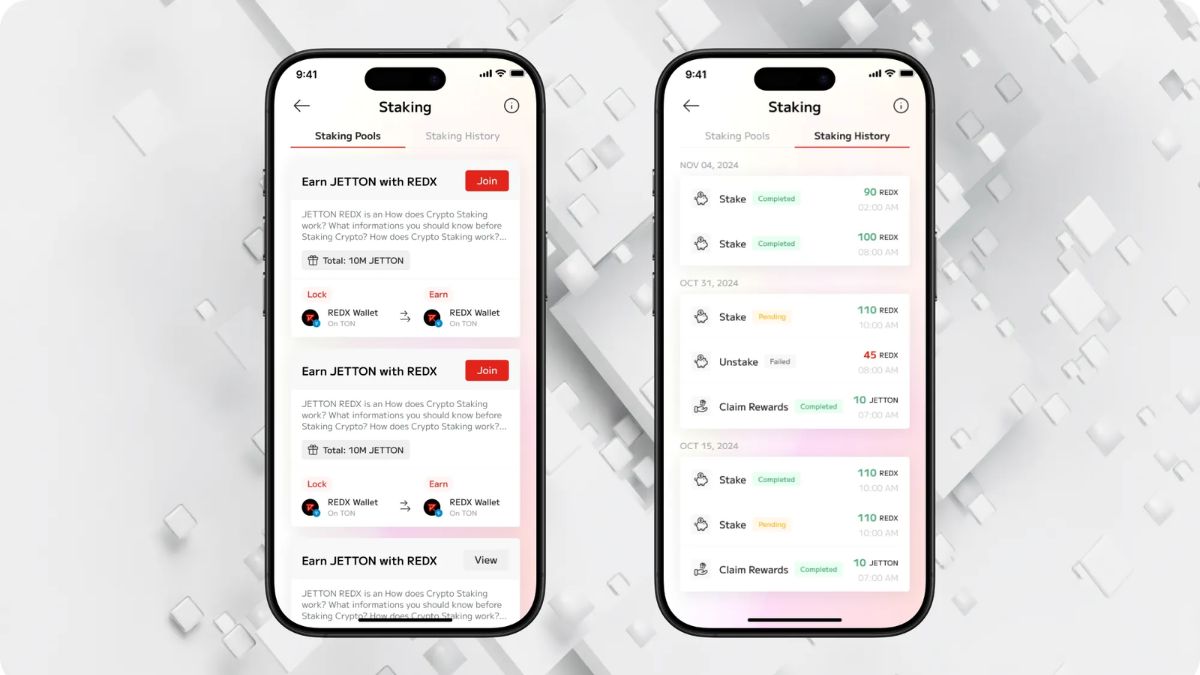
Newwave Solutions developed a multi-chain wallet that unifies coins, tokens, and NFTs within one self-custodial platform across mobile, web, and browser environments. By using an abstraction layer, the team standardized interactions across different blockchain protocols while ensuring users retained full control of their assets and private keys. The wallet ultimately provided a more consistent user experience and a scalable foundation for the client to expand its Web3 ecosystem over time.
How to Define and Implement the Right Web3 Strategy
A successful Web3 strategy should begin with a clear business purpose rather than adopting blockchain simply because it is trending. Before transitioning from web2 to web3, businesses need to connect decentralized technology with measurable goals, user needs, security requirements, and long-term operational value:
- Understand the Web3 fundamentals: Build a clear understanding of decentralization, smart contracts, tokenization, digital ownership, and privacy before deciding how these technologies fit your business model.
- Identify valuable use cases: Focus on Web3 applications that solve a real problem, such as tokenized rewards, digital assets, decentralized finance, or community governance, instead of adding unnecessary blockchain features.
- Choose the right infrastructure: Decide whether to build a custom blockchain or integrate with an existing network based on scalability, transaction costs, security, privacy, and interoperability requirements.
- Prioritize security and risk management: Conduct smart contract audits, establish secure private key management, and prepare contingency measures to reduce the risks associated with immutable transactions and digital assets.
- Address legal and regulatory requirements: Review applicable rules for data privacy, cryptocurrencies, token issuance, taxation, securities, and intellectual property before launching the product in target markets.
- Simplify the user experience: Make wallet onboarding, transaction fees, asset management, and blockchain interactions easy to understand so users can access the product without extensive technical knowledge.
- Build and test incrementally: Start with a focused MVP or pilot, gather user feedback, measure business results, and refine the solution before expanding into a larger Web3 ecosystem.
Trends of Web3 and Beyond
Web3 is moving beyond speculative crypto use cases toward infrastructure that supports real ownership, institutional finance, and large-scale digital services. Grand View Research’s report suggests the Web3 development market could reach $33.53 billion by 2030, growing at a 49.3% CAGR, while more than 50 million people are already estimated to use Web3 applications worldwide.
Real-world asset tokenization
Property, commodities, intellectual property, and financial products are increasingly being converted into blockchain-based tokens. With tokenized assets projected to account for around 10% of global GDP by 2030, this trend could significantly expand fractional ownership, improve liquidity, and make traditionally illiquid assets easier to access and trade.
AI and blockchain convergence
AI agents are beginning to interact directly with smart contracts, automate governance, manage protocol parameters, and support real-time risk analysis. This combination is expected to create more intelligent DeFi platforms, autonomous DAOs, and adaptive on-chain services.
Layer 2 scaling and interoperability
Layer 2 networks are reducing transaction costs and improving blockchain throughput, making Web3 applications more practical for gaming, payments, and social platforms. These networks reportedly process more than $10 billion in transactions per month, while cross-chain tools are helping assets and data move between previously isolated ecosystems.
Institutional and enterprise adoption
Banks, asset managers, logistics companies, and governments are moving from blockchain pilots to production systems in tokenized finance, supply chains, identity, and public services. Around 60% of global financial institutions are reportedly researching or integrating DeFi-related models, indicating stronger convergence between traditional finance and Web3.
Conclusion
So, what is Web3 in practical business terms? It is an opportunity to build decentralized applications, digital asset ecosystems, token-based platforms, and more secure forms of online ownership. Newwave Solutions helps businesses capture that opportunity through Web3 consulting, custom development, blockchain integration, crypto wallet solutions, and full-cycle delivery.
Backed by strong technical talent in Vietnam and experience across NFTs, DeFi, decentralized identity, and smart contracts, our team turns complex blockchain requirements into practical, production-ready products designed for sustainable growth.
Book a consultation with us to explore the right Web3 strategy and turn your idea into a secure, scalable solution.
FAQs
1. What are examples of Web3?
Examples of Web3 include decentralized applications, DeFi platforms, NFT marketplaces, blockchain games, decentralized autonomous organizations, and self-custody crypto wallets. Well-known examples include Uniswap, OpenSea, Aave, MetaMask, and Ethereum-based applications.
2. How does Web3 make money?
Web3 businesses can generate revenue through transaction fees, token sales, protocol fees, NFT royalties, subscriptions, and blockchain development services. Some platforms also earn income by charging for premium features, infrastructure access, staking services, or marketplace transactions.
3. What are the top 3 Web3 wallets?
Three widely used Web3 wallets are MetaMask, Trust Wallet, and Coinbase Wallet. They allow users to store digital assets, connect with dApps, access DeFi services, and manage NFTs, although supported networks and security features vary by wallet.
4. Is Ethereum a web3?
Ethereum is not Web3 itself, but it is one of the main blockchain platforms supporting the Web3 ecosystem. Developers use Ethereum to build smart contracts, decentralized applications, DeFi protocols, NFTs, and other user-owned digital services.
5. Is Web3 the same as blockchain?
No. Blockchain is one of the core technologies that supports Web3, while Web3 is a broader concept covering decentralized applications, digital ownership, token economies, and user-controlled online experiences.
To Quang Duy is the CEO of Newwave Solutions, a leading Vietnamese software company. He is recognized as a standout technology consultant. Connect with him on LinkedIn and Twitter.



Read More Guides
Get stories in your inbox twice a month.
Let’s Build Something Extraordinary
Sign up for a 30 min no-obligation strategic session with us. Transform your Ideas into scalable reality.
Leave a Reply