


Creating a Multi-Chain for Web3 Asset Management
Web3 · Japan · Mobile & Extension Platforms · Multichain Wallet Development · 10 Engineers · 12 Months
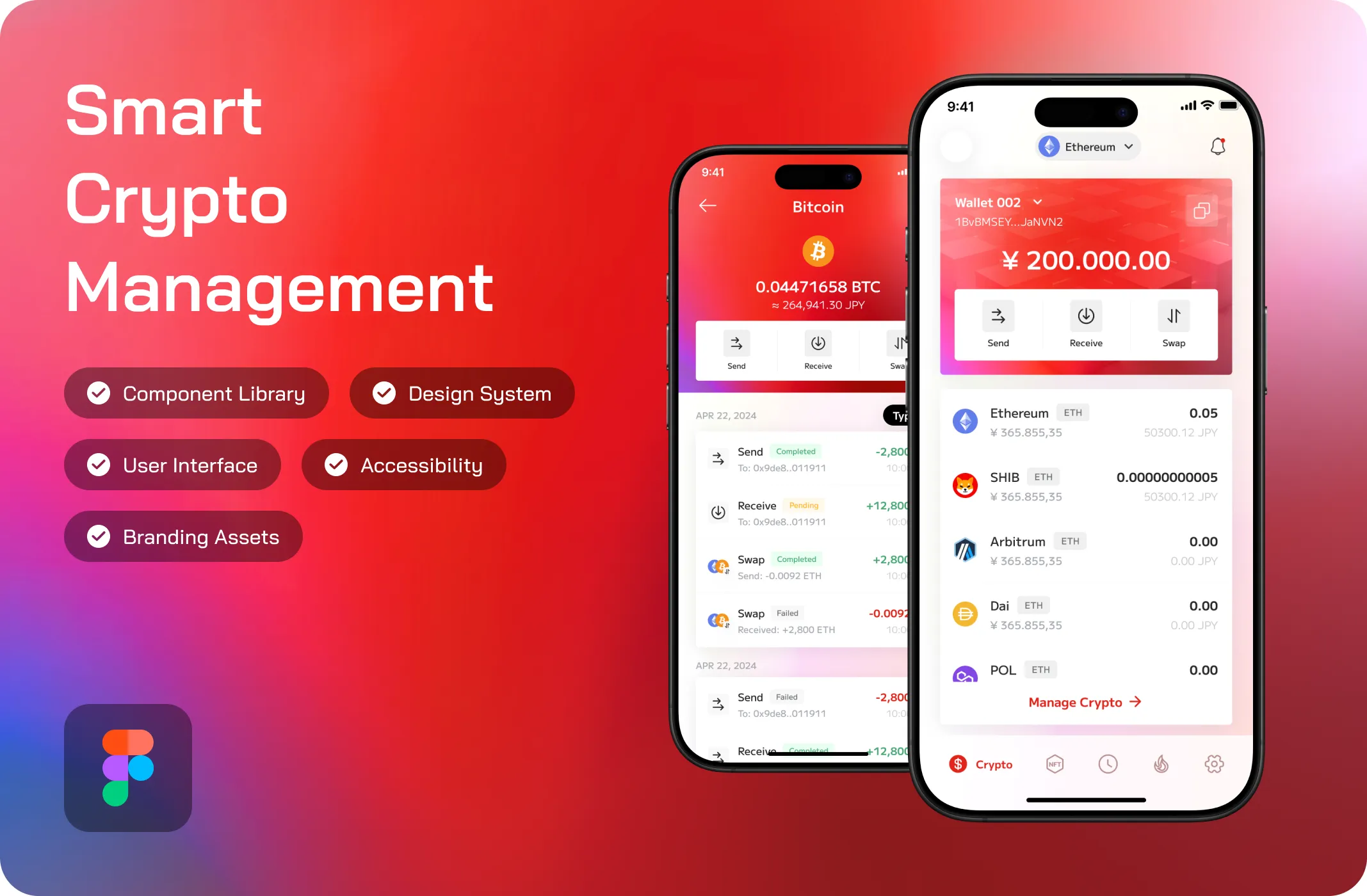
Managing digital assets across TON, Bitcoin and EVM compatible networks required working with different protocols and operating mechanisms. For the client, the challenge was to build one consistent wallet experience while keeping asset ownership secure under a self custodial model. Newwave Solutions delivered a multi chain wallet across iOS, Android, Web and Chrome Extension, using an abstraction layer to standardize chain interaction. The product kept asset and private key control in users’ hands, reached 10K+ downloads and created a foundation for long term Web3 growth.
Client Context
A blockchain business needed to develop a self-custodial crypto wallet that could serve as a gateway to Web3 activity, not just a basic token storage tool.
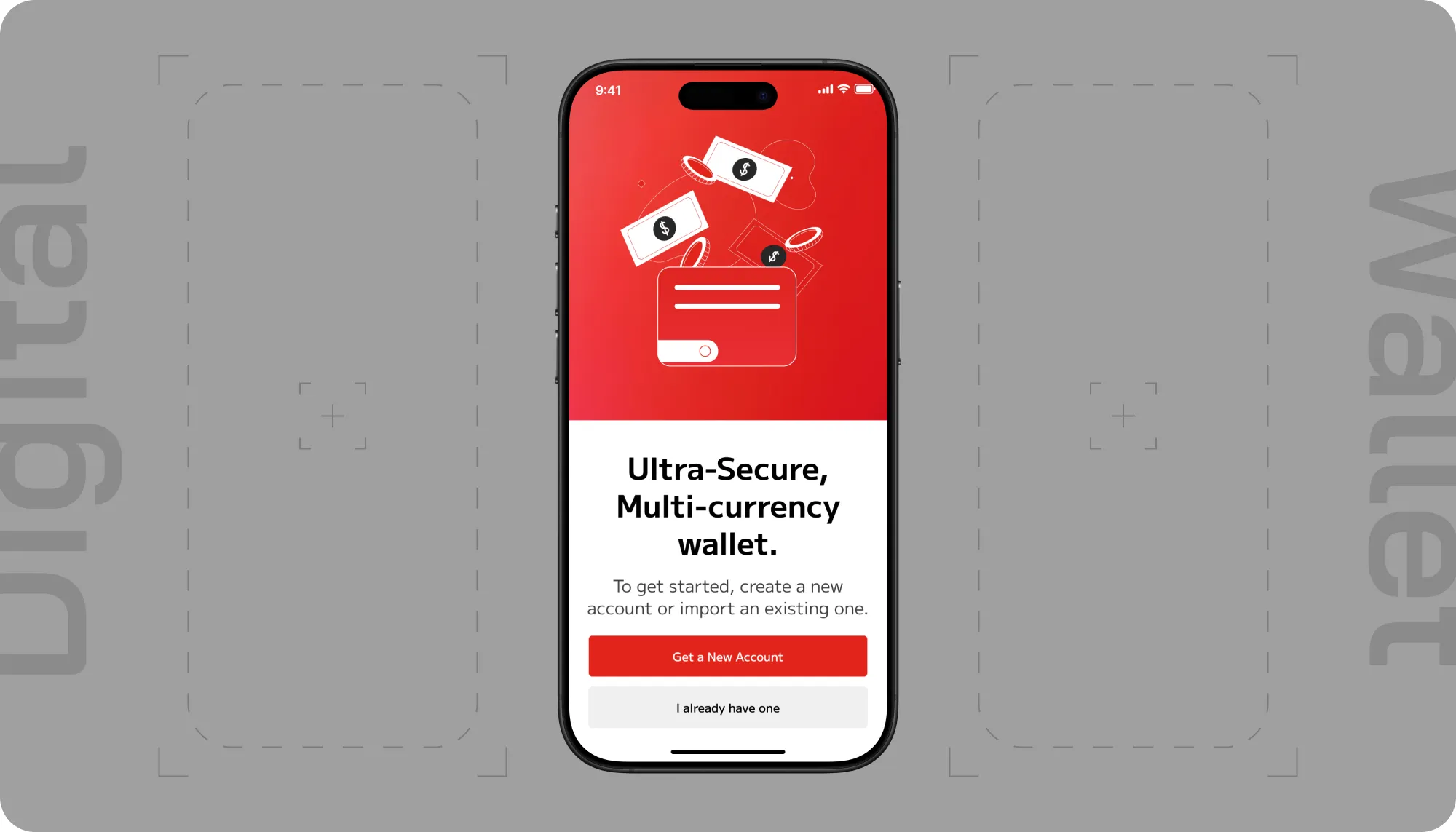
The product had to give users a secure way to manage digital assets, access Web3 services and interact with blockchain ecosystems across mobile and browser-based environments. It was designed to support multiple use cases in one experience, including coin and token management, NFT ticketing through NFC and QR Code, staking, DApp connectivity and token distribution for NFT holders. With support across iOS, Android, Web and Chrome Extension, the wallet aimed to make multi chain asset control more consistent, accessible and secure.

Service


Type

Team size
10 engineers
Business Stakes
If the wallet failed to unify multi chain access, ensure self-custodial security and support practical NFT use cases, the client would face key business challenges:
Users had to interact with blockchain ecosystems that followed different architectures, transaction rules and operating behaviors. If the wallet could not make TON, Bitcoin and EVM compatible networks feel consistent, users would face more friction and the product could be harder to adopt.
A self custodial wallet gives users direct control over their assets and private keys across mobile and browser environments. If ownership or asset control felt unclear, the product could lose user trust and become harder to position as a secure digital asset gateway.
As asset transfers, swaps, staking and Web3 interactions increased, the wallet needed to remain reliable under higher usage. If the product could not keep up with growing activity, the client would face more operational pressure and weaker confidence in scaling the wallet ecosystem.
NFTs were expected to support practical use cases such as event access through NFC and QR Code, not only asset holding. If NFT utility was not integrated smoothly, the client could miss opportunities to connect digital ownership with real world Web3 experiences.
Our Approach
The delivery approach was built around one core priority: making complex Web3 actions manageable inside a single wallet experience. Newwave Solutions organized the product around how users control assets, confirm transactions and interact with Web3 services, instead of treating each blockchain function as a separate module. To support this direction, the team structured the wallet around four engineering priorities. Blockchain abstraction layers were used to standardize connections across different networks. Caching and job queue mechanisms were applied to keep transaction-related workflows responsive. IPFS access was optimized through caching and distributed gateways, while end to end encryption supported private key protection within the self-custodial model. This approach allowed the client to support broader Web3 use cases while keeping the wallet experience more consistent, secure, and easier for users to operate.
Technical Decisions
Unified Blockchain
Standardized interactions across TON, Bitcoin and EVM compatible networks, each with different protocols, transaction behaviors and integration requirements. This layer reduced chain specific complexity and allowed users to manage assets, NFTs, swaps and staking through one consistent wallet experience.

React Native
Enabled iOS and Android delivery from one shared mobile codebase, so the team could maintain a consistent wallet experience across devices while reducing duplicated development effort.
ReactJS
Powered the web wallet interface and Chrome Extension experience, giving users browser-based access to asset management, NFT utility and Web3 actions.

NestJS
Handled backend logic for wallet operations, user flows, service APIs and integration layers, giving the product a structured foundation for multiple Web3 use cases.

MongoDB
Managed flexible wallet related data across users, assets, NFTs and activity records, supporting product changes as the wallet expanded across chains and features.

Web3 DApp Connectivity
Allowed users to connect the wallet with decentralized applications, turning the product from an asset storage tool into a broader Web3 access layer.

IPFS
Supported decentralized storage for NFT data, improving retrieval speed and cost efficiency through caching and distributed gateways. This enabled more reliable NFT utility and content access.

AWS
Provided the cloud infrastructure layer for deployment, scalability and service stability across mobile, web and extension access points.

REST API
Supported structured communication between frontend applications, backend services and wallet related operations.

WebSocket
Enabled real time communication for wallet events that required faster status updates, such as transaction related changes or user activity notifications.
Newwave Solutions worked with the client through a project-based delivery model for a multi-platform wallet build. The engagement was supported by a 10-member team and an estimated 90 man-month effort across the 12-month timeline.
The team took end to end delivery of ownership across requirement analysis, product design, engineering, testing, and cloud setup. To keep execution aligned, both sides reviewed wallet flows, clarified technical dependencies, and tracked delivery progress through regular milestone reviews. This collaboration model helped the client maintain clear visibility across mobile, web and browser extension workstreams while Newwave Solutions managed release readiness for a complex self-custodial wallet product.
Risk Handling
The most sensitive risk was private key management in a self-custodial wallet. Since users directly controlled their assets, any weakness across mobile and browser environments could become a trust issue. If ownership, asset access, or transaction authorization felt unclear, the wallet could lose confidence in its core promise of secure asset control. Another major risk was cross-chain transactions and swap reliability. The wallet had to connect TON, Bitcoin, and EVM compatible networks, each with different protocols and transaction behaviors. Slow swaps, failed transactions, or unclear status updates could increase friction, raise support pressure, and limit frequent Web3 usage. Newwave Solutions addressed these risks by building blockchain abstraction layers to standardize interactions across networks. The team applied caching and job queue mechanisms to improve transaction performance. They optimized IPFS access through caching and distributed gateways and also used end-to-end encryption to strengthen private key protection.
Product Outcomes
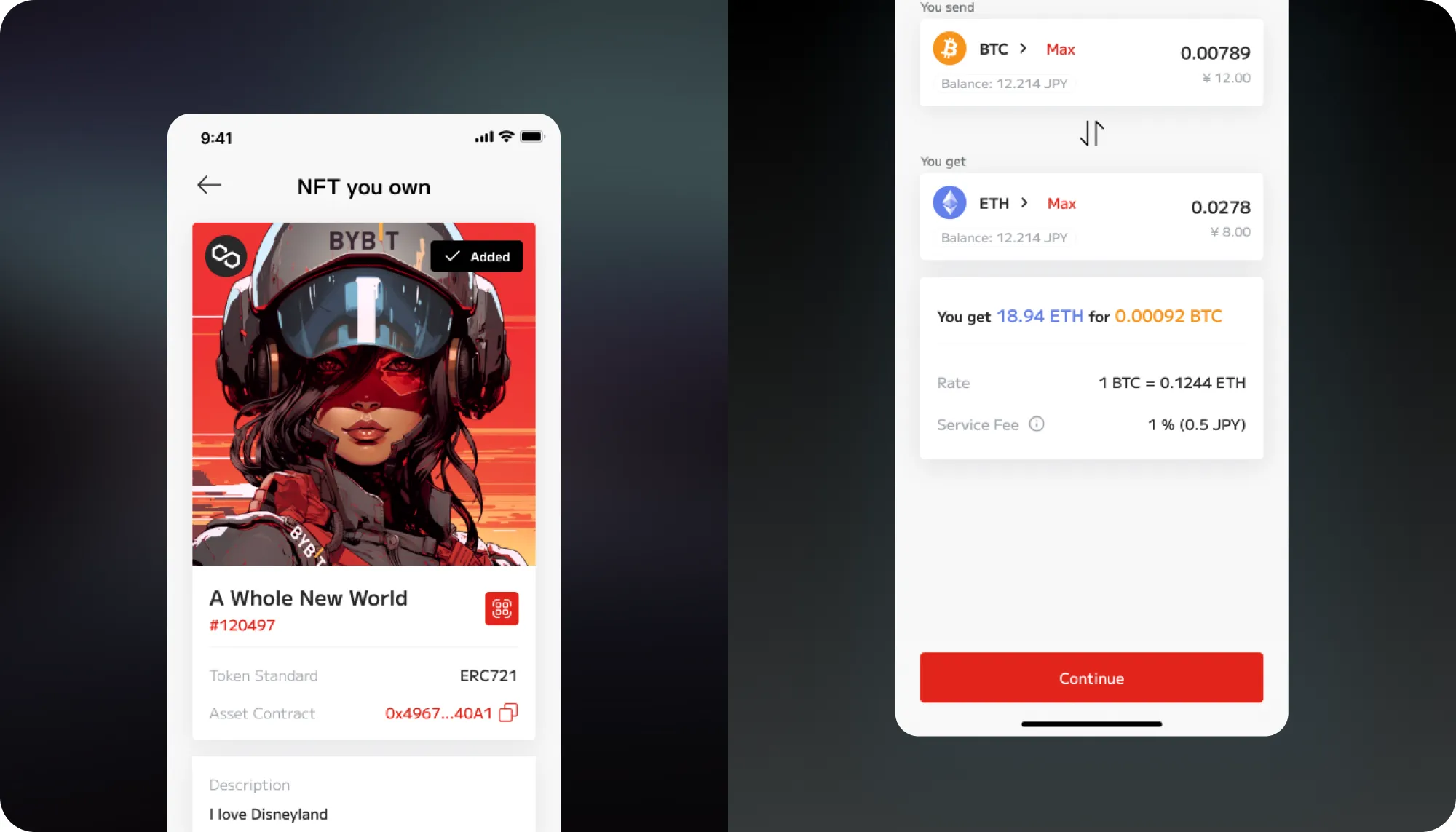
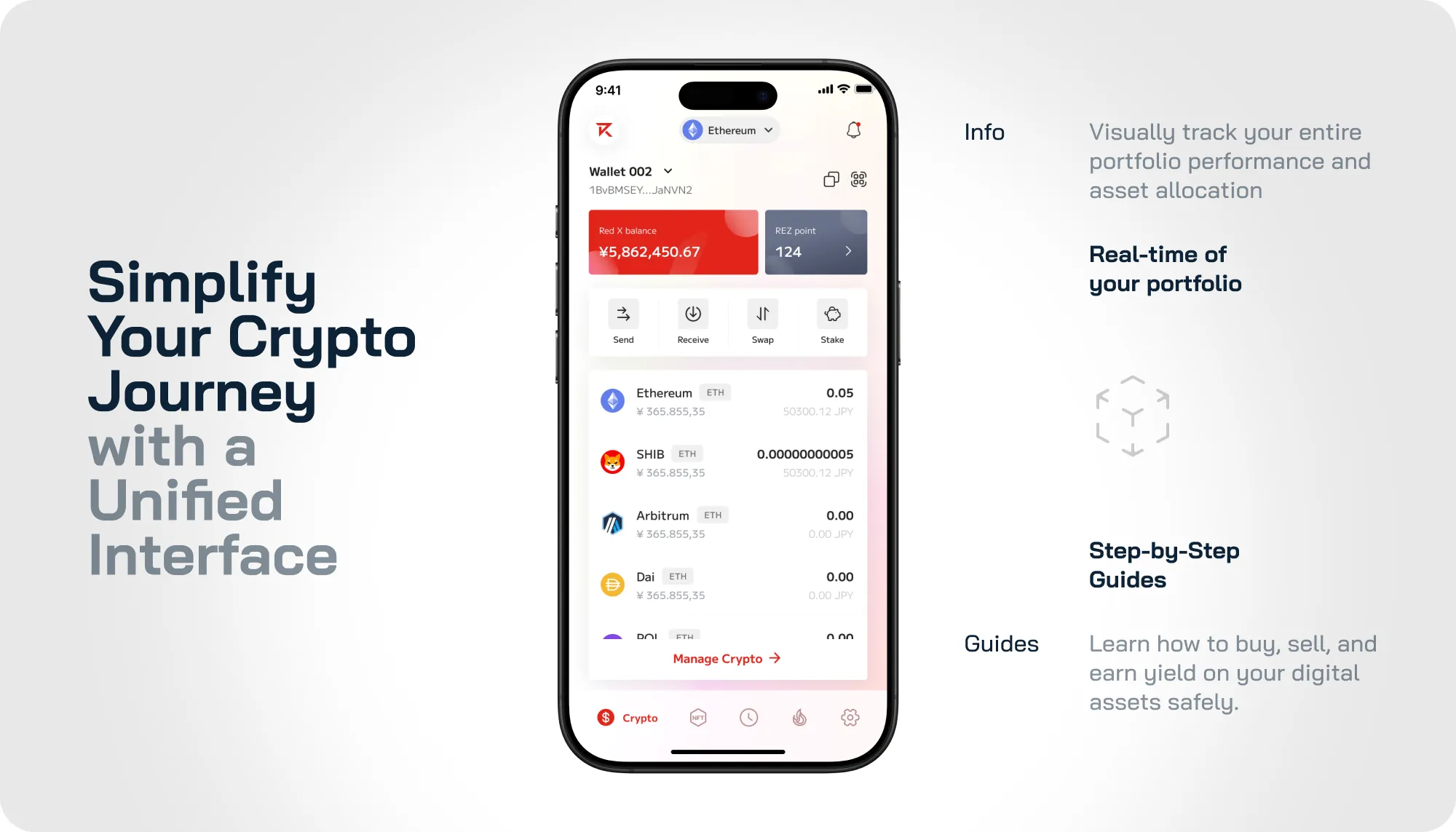
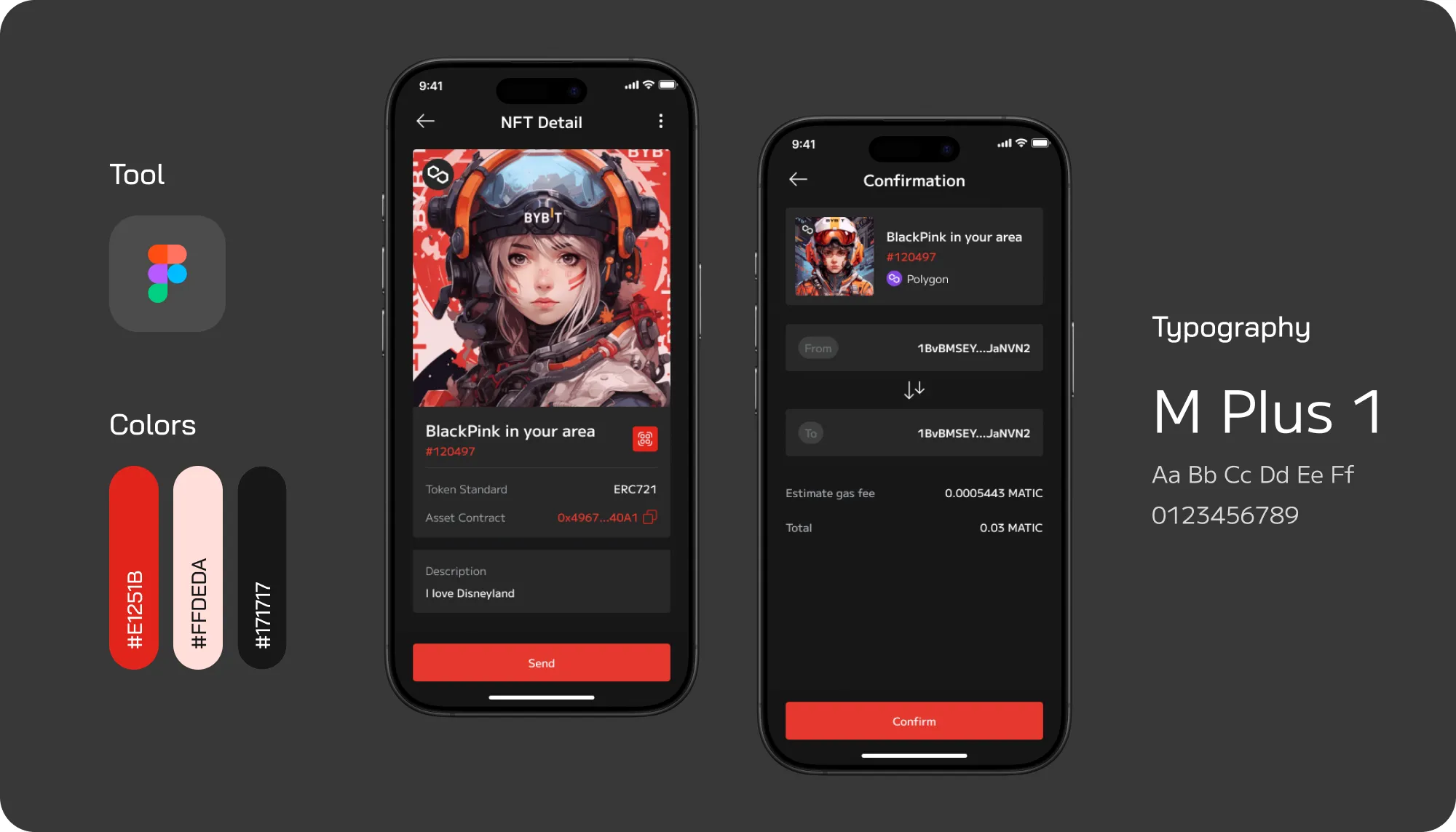
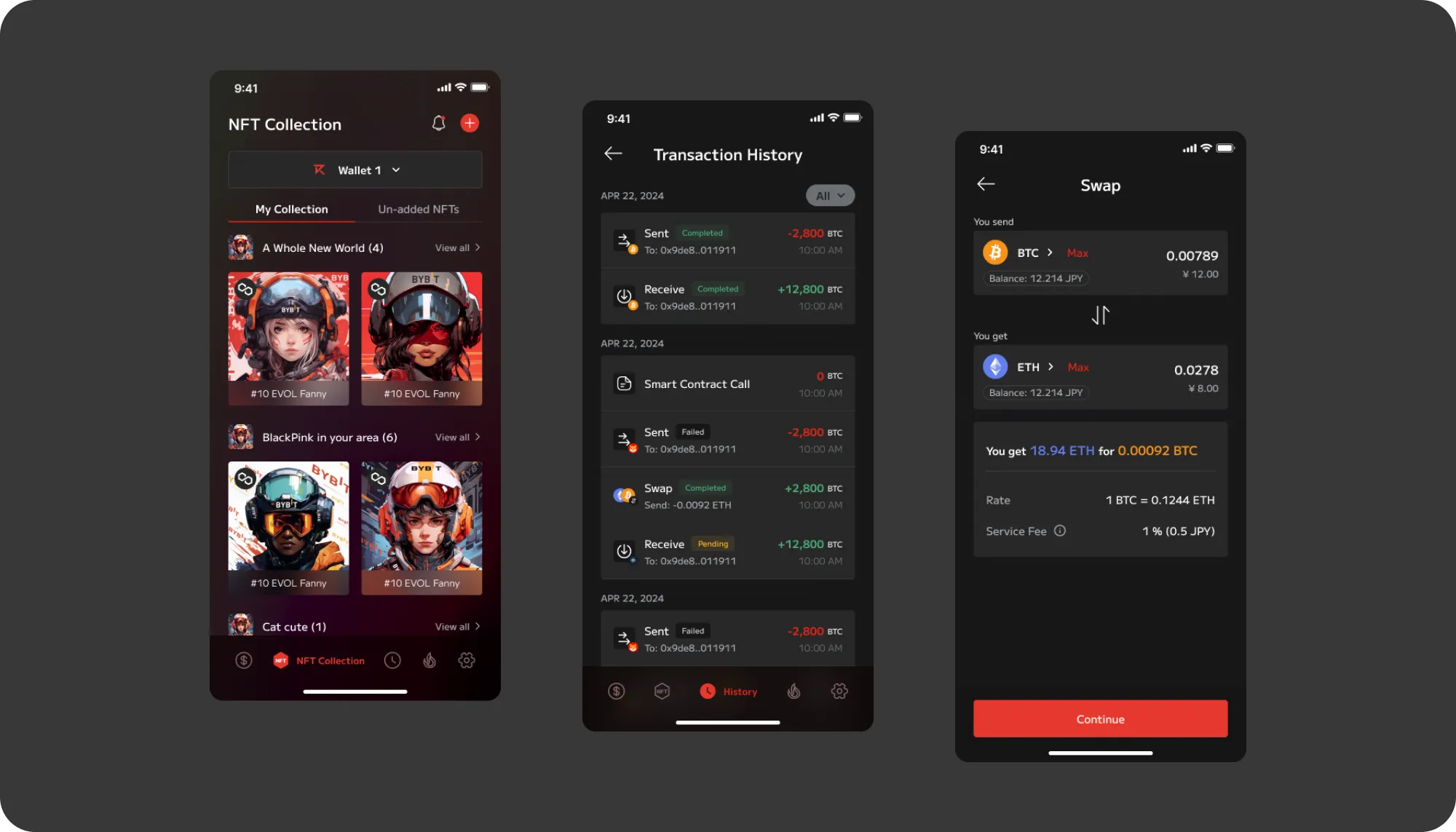
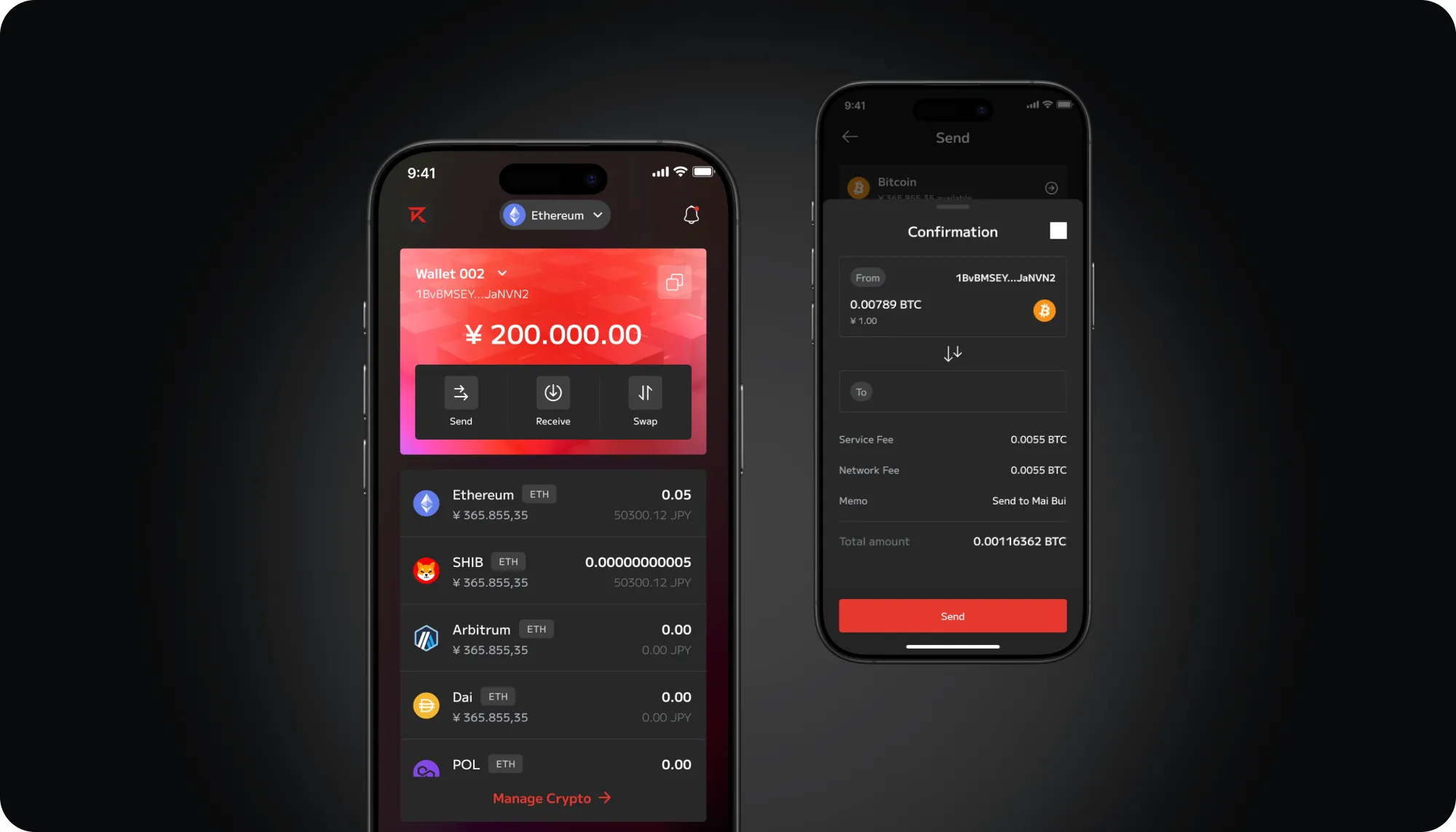
Users could manage coins, tokens and NFTs across supported blockchain networks within one wallet experience, giving the client a stronger product layer for Web3 asset control.
The wallet enabled users to manage assets through a self-custodial model, placing ownership, security and private key protection at the center of the product.
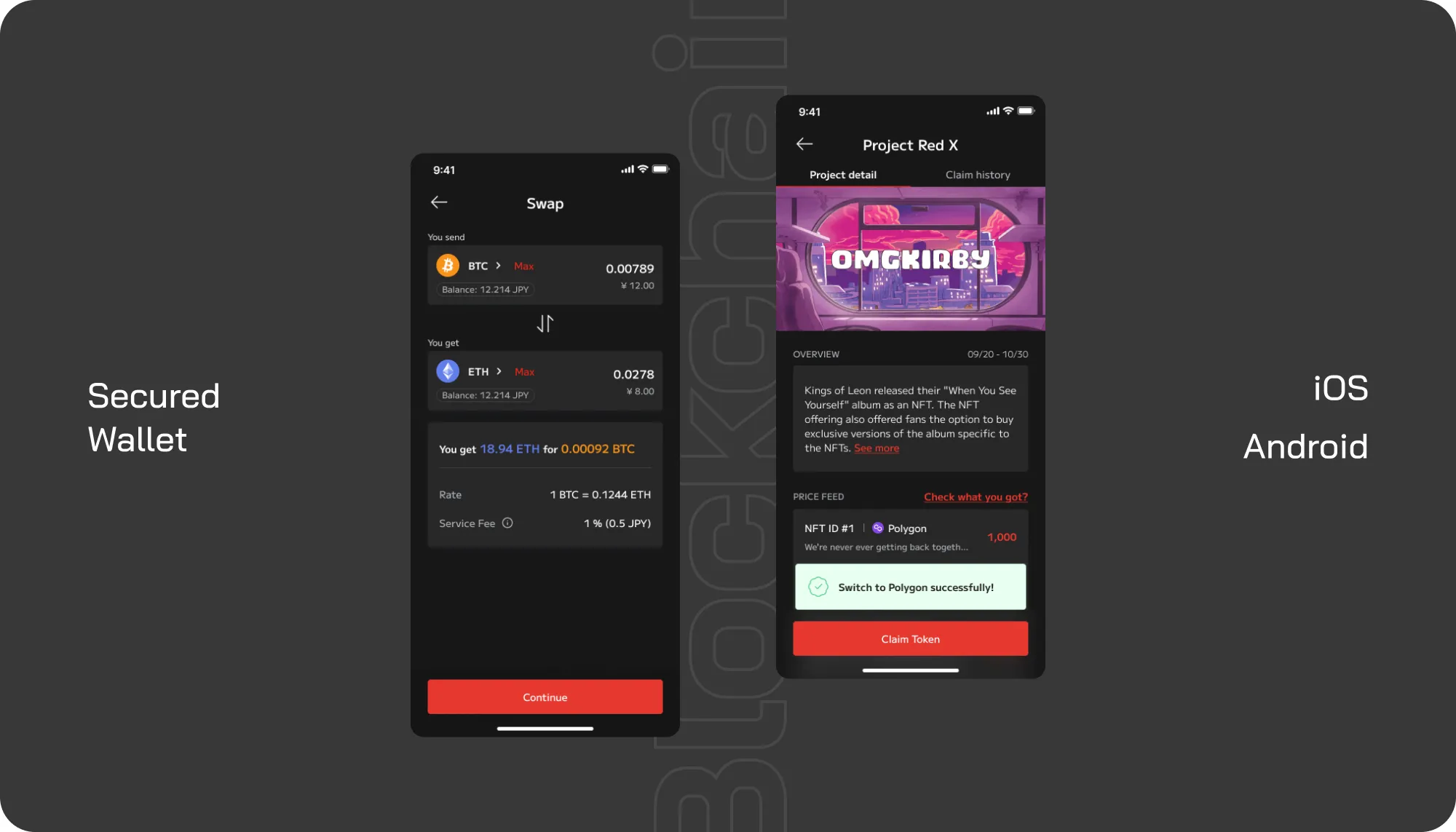
NFC and QR Code compatible NFTs allowed the wallet to support event ticketing and exclusive access use cases beyond basic NFT holding.
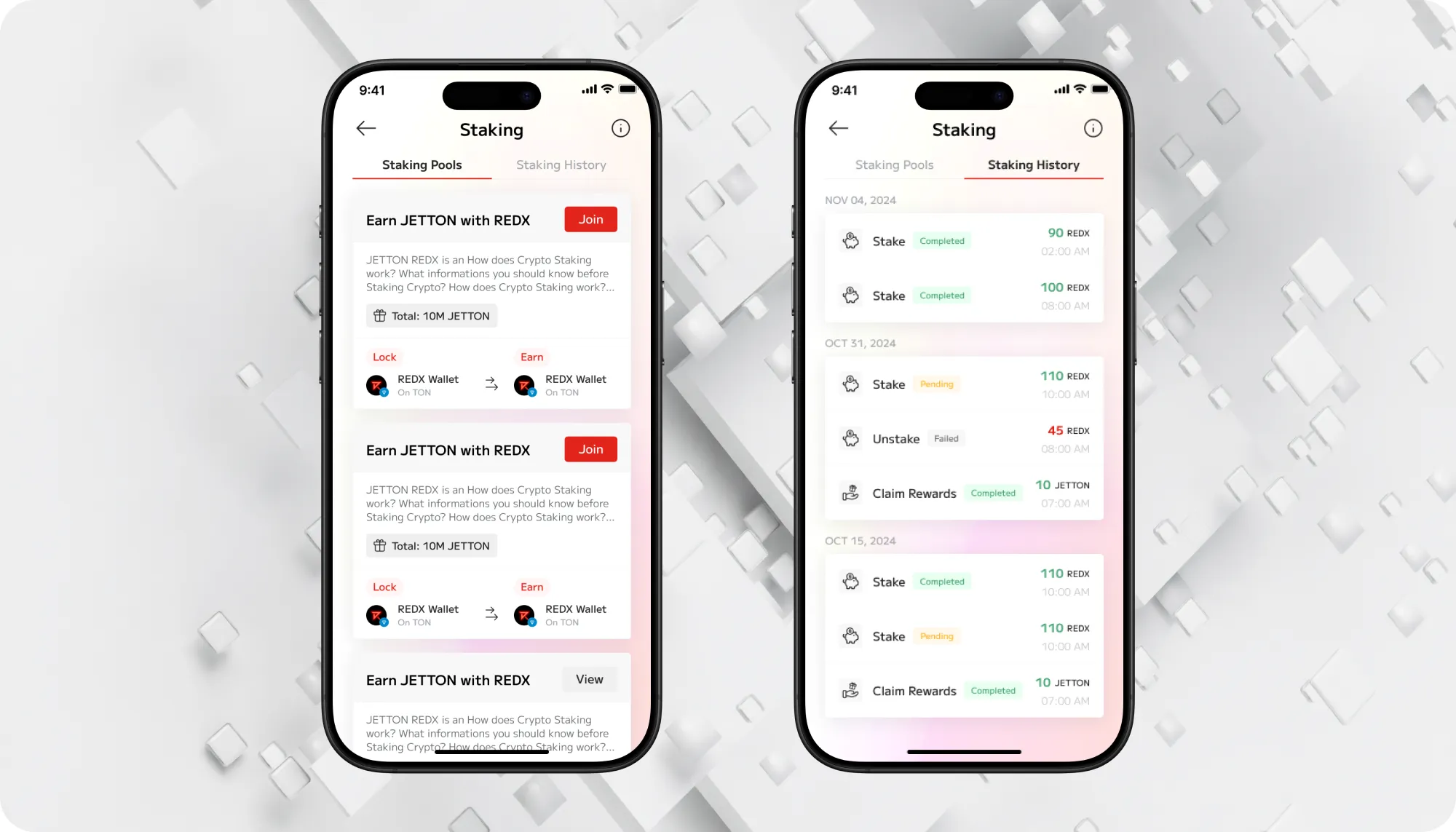
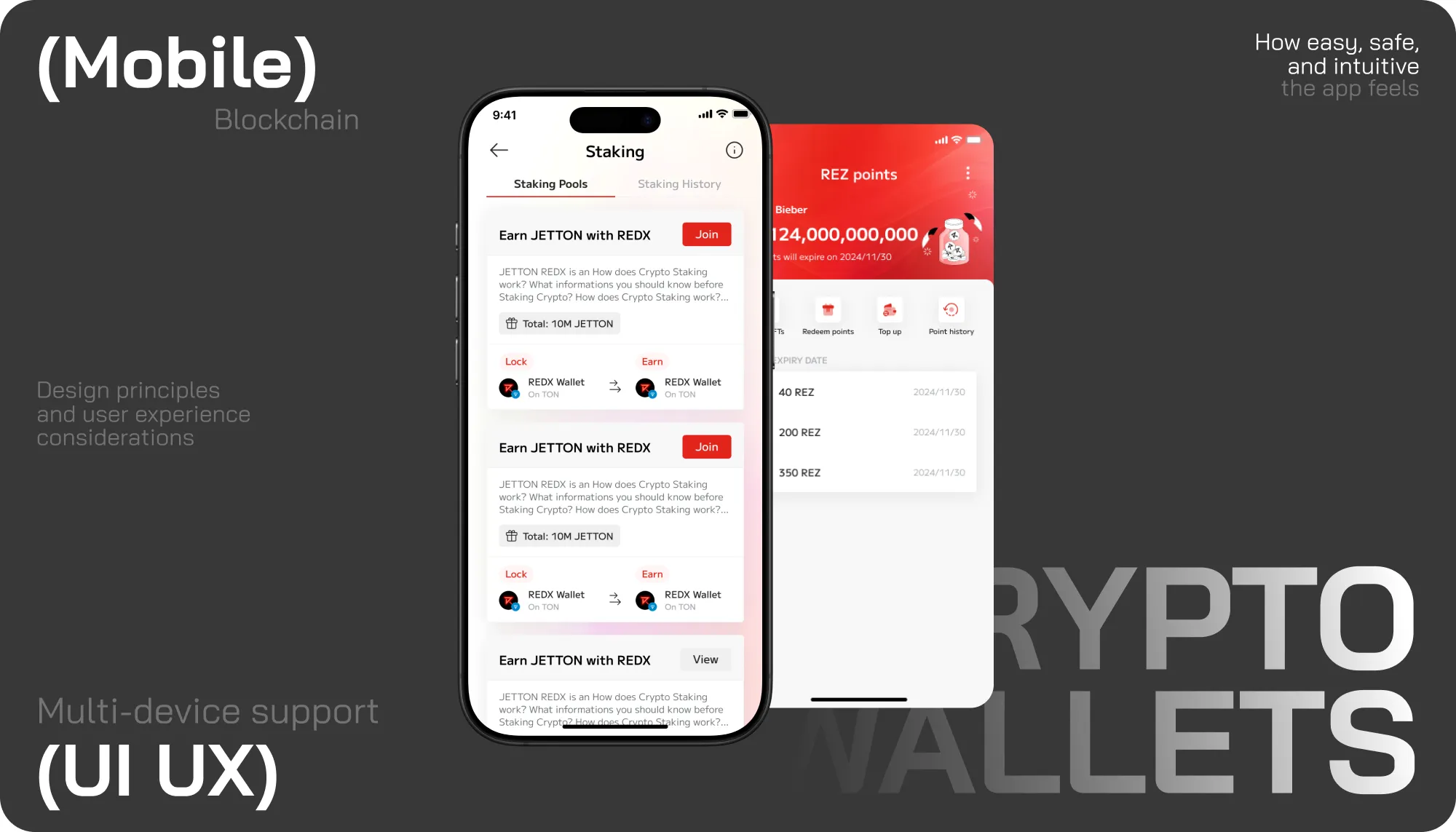
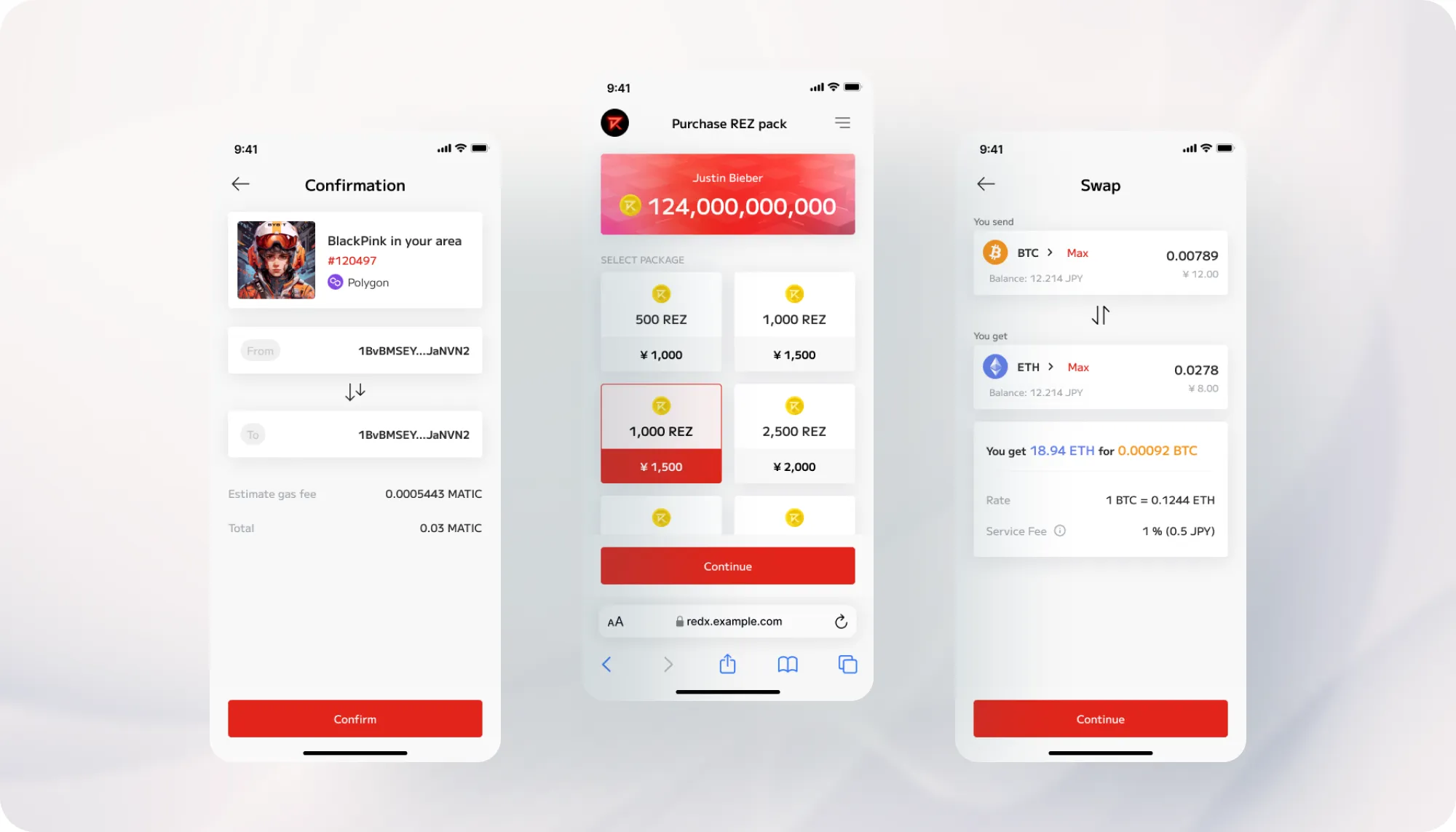
Swap, staking and DApp connectivity were brought into the wallet experience. It reduced the need for users to move across disconnected Web3 tools.
Push notifications kept users informed when receiving tokens or NFTs, making wallet activity easier to track across supported platforms.
Business Impact
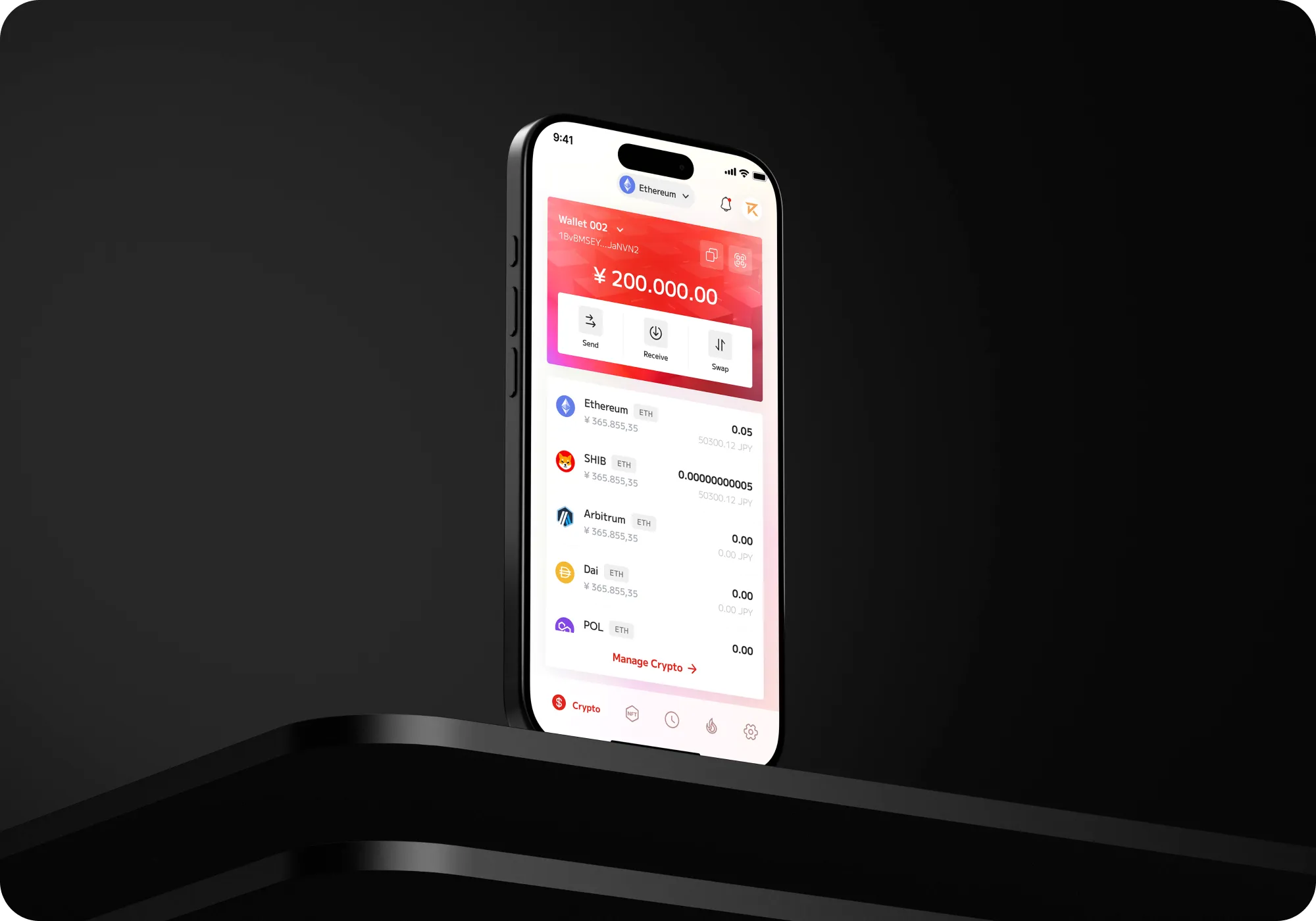
The project helped the client move beyond a wallet product and create a broader Web3 asset environment for users managing ownership, transactions and ecosystem access across multiple chains. For the business, the value came from reducing product fragmentation, strengthening user trust, and creating more reasons for users to stay within the wallet experience.
- Users could complete more asset and Web3 related actions in one place, improving product stickiness and reducing dependence on disconnected tools.
- The self-custodial model supported stronger user trust, which is critical for any product handling digital assets and private key ownership.
- NFT based event access and Web3 service connectivity gave the client more room to expand future use cases around community, events and partner token utilities.
- Cross platform delivery improved market reach by giving users flexible access across mobile, web and browser extension journeys.
- The product’s 10K+ downloads provided an early adoption signal, which gave the client more confidence to continue expanding wallet based Web3 services.
Overall, the wallet positioned the product as more than a digital asset management tool. It established a scalable foundation for the client to expand user engagement, unlock new ecosystem opportunities, and evolve into a comprehensive Web3 participation platform.
Related Case Study
Let’s Build Something Extraordinary
Sign up for a 30 min no-obligation strategic session with us. Transform your Ideas into scalable reality.