


AI in Risk Management: Technologies, Use Cases and the Road to Adoption
Risk teams are facing a growing challenge: risks are becoming more complex, while traditional monitoring and assessment methods often rely on fragmented data and manual processes. AI in risk management helps organizations analyze large volumes of information, identify emerging threats, and make faster, more informed decisions.
However, turning AI potential into measurable risk management improvements requires a practical approach that considers both technology capabilities and operational realities. In this guide, let’s cover AI technologies, key benefits, real-world applications, implementation strategies, and adoption challenges to support effective AI-driven risk management.
Key Takeaways
|
What is AI in Risk Management?
AI in risk management is the application of artificial intelligence technologies to help organizations identify, assess, predict, monitor, and respond to different types of business risks. For example, an AI system can analyze transaction patterns, operational data, or external signals to identify unusual behaviors that may indicate emerging risks. This allows risk teams to move from reacting after issues occur to taking preventive actions earlier.
Compared with traditional risk management methods that often rely on historical analysis and manual assessments, AI in risk management enables a more continuous and proactive approach. It helps organizations move from responding to risks after they occur to detecting early warning signals and taking preventive actions.
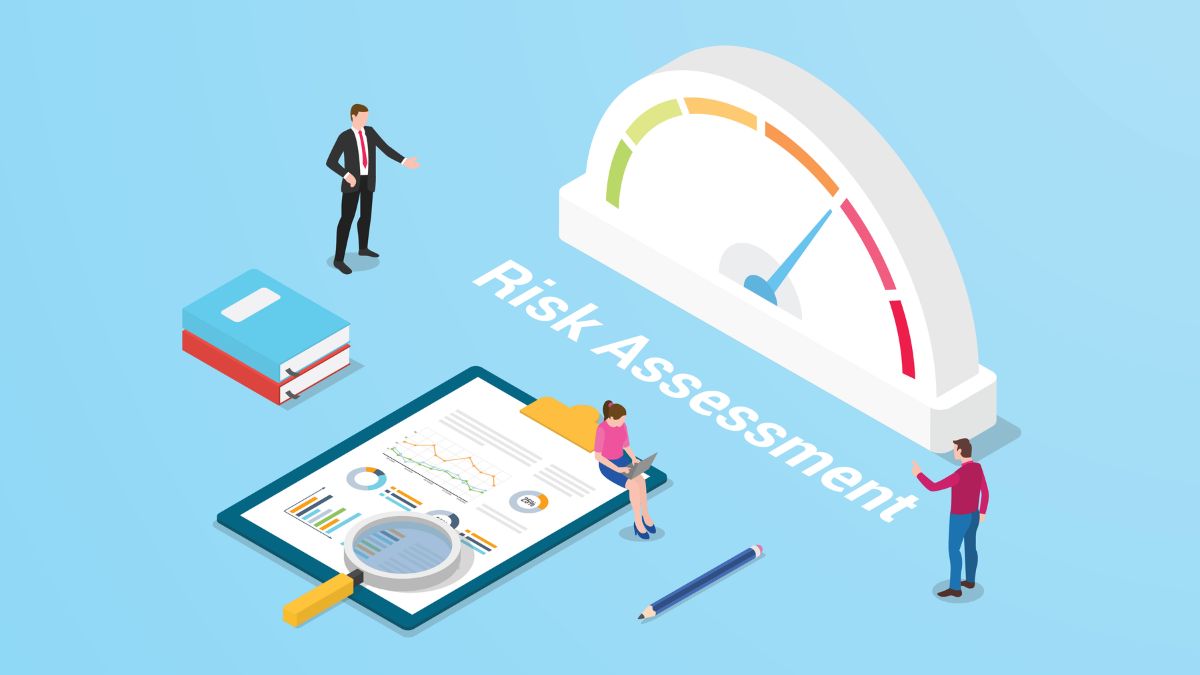
The growing adoption of AI also reflects the increasing complexity of modern risk environments. According to McKinsey’s State of AI 2025 survey, organizations are now actively managing an average of four AI-related risks, compared with two in 2022, highlighting the expanding role of AI governance and risk oversight.
As businesses face more dynamic threats across areas such as fraud, cybersecurity, compliance, and operations, integrating AI into risk management has become an important consideration for improving risk visibility and decision-making.
Core AI Technologies for Risk Management
AI-powered risk management relies on a combination of technologies that help organizations analyze complex data, detect potential threats, automate risk-related processes, and make more proactive decisions. Each technology supports different stages of the risk management lifecycle, from identifying early warning signals to improving response strategies.
Machine Learning
Machine learning is useful when risk patterns are too complex or change too often for fixed rules alone. By comparing historical behavior with current data, ML models can surface anomalies, estimate risk levels, and help teams focus on cases that need closer review.
For example, ML can analyze transaction behaviors to identify unusual activities that may indicate fraud. In cybersecurity risk management, it can recognize abnormal user or system behaviors that could signal potential security incidents. As new data becomes available, ML models can continuously adjust and improve their ability to detect emerging risks.
Robotic Process Automation (RPA)
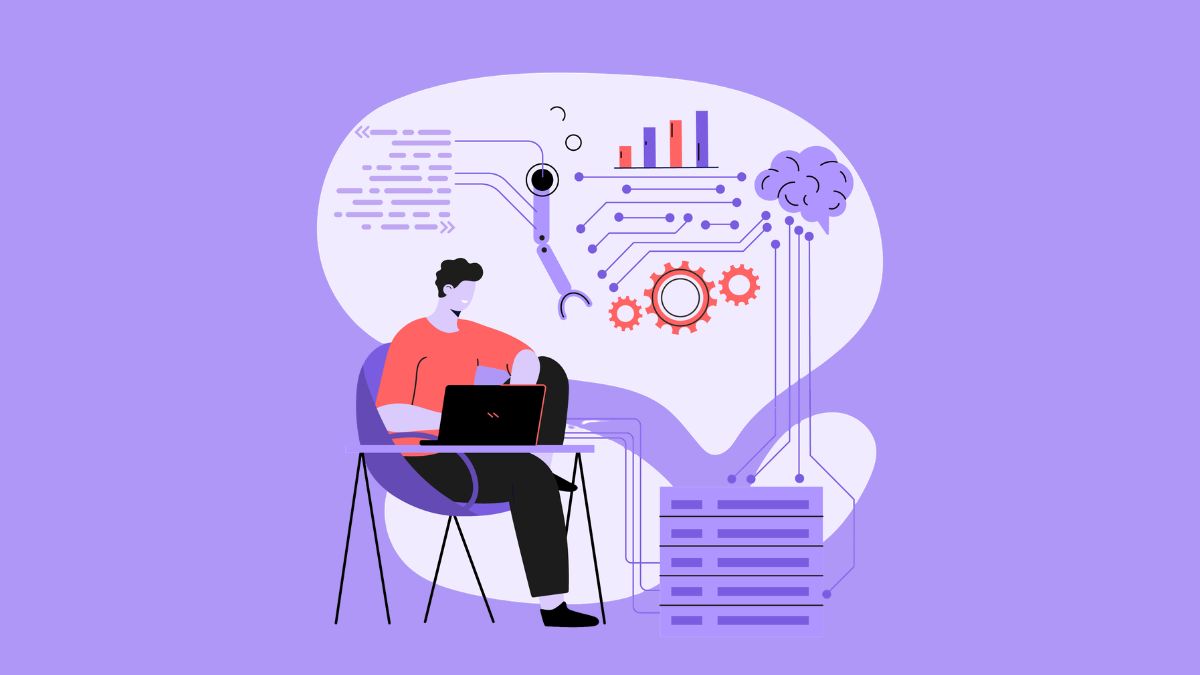
Many risk workflows are slowed down by repetitive administrative work rather than difficult analysis. RPA can handle rule-based tasks such as collecting evidence from multiple systems, updating risk records, preparing compliance data, or triggering predefined checks.
For example, RPA bots can automatically monitor compliance checklists, collect evidence from different business systems, and update risk records when required conditions are met. This helps organizations maintain more consistent risk processes, reduce administrative effort, and improve the accuracy of routine risk management activities.
Natural Language Processing (NLP)
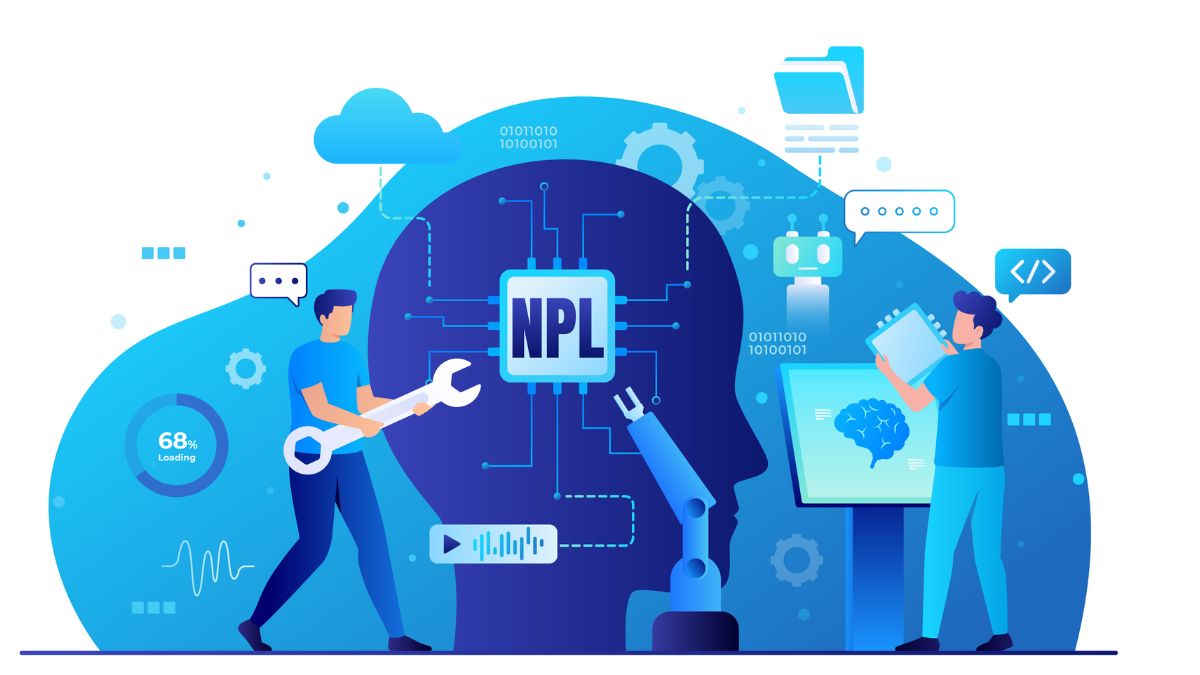
A large share of risk information sits in text rather than structured databases. NLP can scan documents, emails, regulatory content, news, customer feedback, and other written sources to extract signals that may point to compliance issues, reputational concerns, or emerging threats.
Organizations can also use it to monitor external information, review internal communications, and track changes that may require further investigation. This makes qualitative risk information easier to analyze at scale and gives teams broader visibility beyond structured data alone.
Computer Vision
Some risks first appear as visual changes in a physical environment. Computer vision can analyze images or video to flag conditions that warrant attention, such as production defects or potential safety issues. This makes it particularly useful for risk processes that depend on observing facilities, equipment, or production activity rather than relying only on digital records.
Predictive Analytics & Anomaly Detection
Predictive analytics and anomaly detection use AI algorithms to identify unusual patterns, forecast potential risks, and highlight areas that require attention. These technologies analyze historical and real-time data to determine whether current behaviors or events differ from expected patterns.
In practice, predictive analytics can support early risk identification by forecasting potential issues before they become major problems. Meanwhile anomaly detection helps uncover irregular activities that may indicate fraud, security threats, or operational risks. Together, they enable organizations to move from reactive risk response toward more proactive risk prevention.

What are Benefits of Using AI in Risk Management
As risk environments become more complex, organizations need faster ways to identify threats, prioritize critical issues, and respond effectively. AI in risk management helps improve risk operations by increasing detection accuracy, reducing manual effort, and enabling more proactive risk control.
Unlike traditional approaches that often require significant human involvement and periodic assessments, AI-powered systems can support continuous monitoring and faster decision-making across different risk areas.
| Traditional Risk Management | AI-Powered Risk Management |
|---|---|
| Relies heavily on manual assessments and periodic reviews | Continuously analyzes data and identifies emerging risks |
| Uses mainly historical information to evaluate risks | Combines historical and real-time data for predictive insights |
| May detect issues after they occur | Helps identify warning signals before risks escalate |
| Requires significant human effort for repetitive tasks | Automates data analysis, monitoring, and routine workflows |
| Limited ability to process large and complex datasets | Scales risk analysis across multiple data sources |
Faster and more accurate fraud detection
AI improves fraud detection by analyzing large volumes of transactional and behavioral data in real time. Machine learning models can identify unusual patterns that may indicate fraudulent activity, helping organizations detect suspicious events earlier than traditional rule-based methods.
For example, instead of reviewing transactions only after predefined fraud indicators appear, AI systems can continuously learn from changing behavior patterns and identify anomalies that may represent new fraud techniques. This enables organizations to reduce false alerts, respond faster, and minimize potential financial losses.
Better credit risk and underwriting decisions
AI enhances credit risk assessment by analyzing broader datasets and identifying patterns that may not be visible through traditional evaluation methods. Machine learning models can incorporate multiple risk factors to support more accurate predictions of borrower behavior and improve underwriting decisions.
For financial institutions and lending platforms, this allows risk teams to evaluate applications more efficiently while maintaining better risk controls. AI-driven assessments can also help identify potential opportunities for applicants who may have limited traditional credit information but demonstrate other indicators of creditworthiness.
Stronger cybersecurity threat detection
AI strengthens cybersecurity risk management by continuously monitoring digital environments and detecting suspicious activities faster. By analyzing network behavior, system activity, and threat patterns, AI systems can identify potential malware, phishing attempts, or unauthorized access attempts.
Unlike traditional security approaches that often rely on predefined threat signatures, AI-based solutions can recognize unusual behaviors and adapt to evolving attack methods. This helps organizations improve response speed, reduce exposure time, and contain security incidents before they cause significant damage.
Continuous insider risk monitoring
AI enables organizations to monitor internal activities and identify potential insider risks through behavioral analysis and anomaly detection. By analyzing patterns in user behavior, access activity, and digital interactions, AI systems can highlight unusual actions that may require further investigation.
For example, an AI system may detect abnormal access patterns, unexpected data transfers, or deviations from normal user behavior. This continuous monitoring allows organizations to respond earlier to potential internal threats while reducing the need for purely manual oversight.
Earlier vulnerability detection and response
AI helps organizations move from reactive vulnerability management to a more proactive approach by continuously scanning systems and prioritizing potential weaknesses. Predictive analytics can analyze risk indicators to identify vulnerabilities that may require immediate attention.
Instead of treating all vulnerabilities equally, AI can help security teams focus resources on issues with higher potential impact. This improves response efficiency, supports faster remediation, and helps organizations strengthen their overall risk posture before vulnerabilities are exploited.
AI Adoption Across the Risk Management Lifecycle
AI can support the entire risk management lifecycle by improving how organizations identify, evaluate, respond to, and monitor risks. It doesn’t treat risk management as a series of periodic reviews, but enables a more continuous approach where data-driven insights support decisions at each stage of the process.
Risk identification
AI can bring together signals from internal operations, business activity, and external sources to surface risks that may otherwise remain scattered across systems. It can also group related issues and point to areas where current controls may no longer match the level or type of exposure.
For example, AI systems can analyze changes in business activities or process data to detect signals that may indicate new operational, compliance, or security risks. This allows organizations to build a more complete view of their risk landscape before issues become critical.

Risk assessment
Once a risk is identified, AI can compare current conditions with historical patterns and other risk indicators to support a more consistent evaluation. Models can assist with assigning risk levels, estimating possible impact, tracking KRIs, and reassessing residual risk after controls are taken into account.
Risk mitigation
For mitigation planning, AI can examine past events, contributing factors, and available response options to support faster action. This can help teams focus corrective measures on the risks that require the most attention rather than treating every issue in the same way.
Risk monitoring
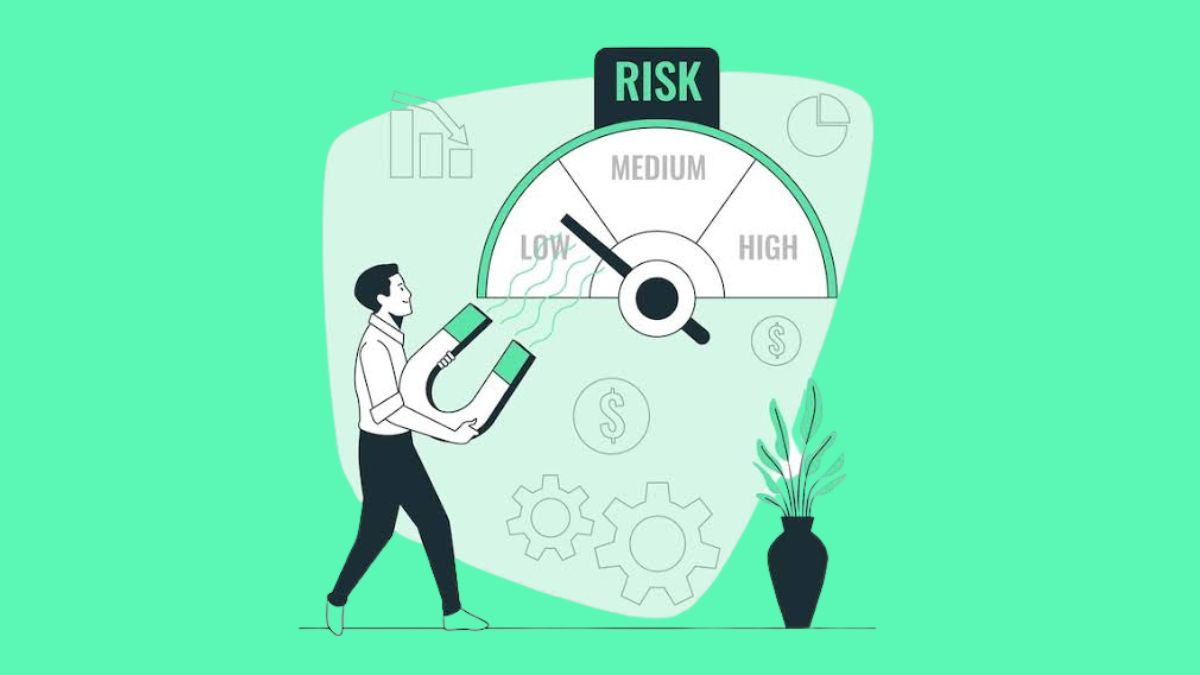
AI can keep watch over risk indicators as conditions change, rather than waiting for the next scheduled review. By continuously scanning incoming data, it can flag unusual movements or new patterns that deserve attention, giving teams more time to investigate and act before the issue becomes more serious.
Risk review and reporting
AI can reduce the effort involved in turning risk data into usable reports by organizing inputs, summarizing findings, and drawing attention to recurring themes. With less time spent compiling routine documentation, risk teams can focus more on interpreting what the results mean for the business.
Control testing
AI can broaden control testing beyond limited manual samples by reviewing larger volumes of control-related data and spotting patterns that may indicate weak or inconsistent performance.
For example, AI systems can compare current control performance against historical risk patterns, highlight potential gaps, and provide insights for further investigation. This can make testing more efficient while helping teams focus follow-up work where controls may need adjustment.
Real-world Applications of AI in Risk Management
Many organizations are exploring AI to strengthen how they respond to evolving threats, improve operational awareness, and support more informed decisions across different business areas. Real-world applications below show how AI can create practical value when applied to specific risk challenges.
Fraud and financial crime detection
AI helps organizations detect fraudulent activities by analyzing large volumes of transactional data, user behavior, and other risk signals in real time. Machine learning models can identify unusual patterns, detect anomalies, and adapt to new fraud techniques that may not be captured by traditional rule-based systems.
In financial services, AI fraud detection solutions are often integrated into payment workflows to evaluate transactions within milliseconds. These systems help reduce false positives, improve detection accuracy, and minimize financial losses caused by fraudulent activities.
Real-world example: PayPal uses machine learning and AI-based fraud detection systems to analyze transactions and identify suspicious activities while balancing fraud prevention with customer experience.

Market risk analysis and forecasting
AI supports market risk management by analyzing large volumes of financial and economic data to identify potential market changes and improve forecasting.
Financial institutions can use AI to enhance stress testing, scenario analysis, and risk forecasting. These capabilities help organizations evaluate potential exposures, improve capital planning, and make more informed decisions under changing market conditions.
Real-world example: JPMorgan Chase applies machine learning and AI technologies across financial services, including risk analysis and decision support, to improve how it processes complex financial information.
Insider threat detection
AI enables organizations to identify potential insider risks by analyzing user behavior, access patterns, and digital activity. Behavioral analytics models can detect unusual changes in employee activities, such as abnormal login behavior, unexpected data access, or suspicious information transfers.
Compared with traditional security monitoring approaches that may generate large volumes of alerts, AI can help prioritize higher-risk activities and provide additional context for investigation. This allows security teams to respond faster while reducing unnecessary investigations.
Real-world example: Microsoft provides AI-powered security capabilities through its security platforms, using machine learning and behavioral analytics to help organizations detect identity-related risks and suspicious activities.

Prediction of workplace health and safety risks
AI supports workplace safety management by analyzing data from sensors, equipment, and operational environments to identify potential hazards before incidents occur. Machine learning models can evaluate factors such as environmental conditions, equipment behavior, and worker activity patterns to detect early warning signals.
For industries with complex operational risks, AI-powered monitoring can support preventive safety strategies, improve hazard visibility, and help organizations take corrective actions earlier.
Real-world example: Honeywell develops industrial safety solutions that use connected technologies and analytics to help organizations monitor operational risks and improve workplace safety management.
Compliance and regulatory risk monitoring
AI helps organizations manage compliance risks by analyzing regulatory documents, internal records, and business processes at scale. Natural language processing can extract relevant information from regulatory updates, identify potential compliance gaps, and support faster risk assessments.
AI-powered governance, risk, and compliance (GRC) solutions also help automate control monitoring and reporting activities. These capabilities reduce manual review efforts and improve visibility into whether business processes align with regulatory requirements.
Real-world example: ServiceNow integrates AI capabilities into its governance, risk, and compliance solutions to help organizations automate workflows, identify risks, and improve compliance management processes.
Cybersecurity threat detection
AI strengthens cybersecurity risk management by continuously analyzing network activity, system logs, and user behavior to identify potential threats. Machine learning models can detect unusual patterns associated with malware, phishing attempts, or unauthorized access and support faster incident response.
When integrated with security orchestration and automation platforms, AI can help accelerate threat investigation and response processes while maintaining human oversight for critical decisions.
Real-world example: CrowdStrike uses AI and machine learning in its cybersecurity platform to analyze endpoint activity, detect threats, and support automated responses against evolving cyber attacks.

For organizations looking to further automate risk-related workflows in insurance, AI agents can extend these capabilities by supporting complex tasks such as claims processing, policy analysis, and customer interactions. Learn more about how AI agents for insurance can transform insurance operations.
How to Integrate AI into Risk Management
Before integrating AI into your risk management system, follow this structured approach to reduce implementation risks and increase the likelihood that AI delivers measurable improvements.
Evaluate AI readiness and priority risk areas
The first step is identifying where AI can create the greatest impact. Instead of applying AI across every risk function at once, organizations should assess current risk challenges and prioritize areas where automation or predictive capabilities can provide clear value.
Potential starting points may include fraud monitoring, cybersecurity detection, compliance processes, or operational risk management. A baseline assessment helps identify existing limitations, such as slow response times, high manual effort, or limited visibility, and establish measurable goals for AI initiatives.
Prepare a reliable data foundation
AI performance depends heavily on the quality and accessibility of the data used for analysis. Organizations should review existing data sources, improve data governance practices, and ensure information is accurate, consistent, and properly structured.
Risk teams may need to integrate data from multiple sources, including transaction systems, security logs, operational records, and incident reports. Establishing clear data standards, access controls, and monitoring processes helps create a foundation that supports more reliable AI-driven risk analysis.
Select the right AI tools and technology partners
Choosing the right AI solution requires evaluating both technical capabilities and business requirements. Organizations should consider whether a solution can integrate with existing risk management systems, support regulatory requirements, provide explainable insights, and scale as needs evolve.
The right technology partner can also help address challenges related to model development, deployment, and ongoing optimization. Instead of focusing only on AI features, organizations should assess factors such as implementation support, security practices, and long-term maintenance capabilities.
Validate with pilot projects and scale gradually
A phased implementation approach allows organizations to test AI effectiveness before expanding adoption across broader risk functions. Pilot projects should focus on specific use cases with clear success metrics, such as improving detection accuracy, reducing manual workload, or accelerating response times.
After evaluating pilot results, organizations can refine models, address limitations, and gradually extend AI capabilities to additional risk areas. This approach reduces disruption and provides practical insights before committing to larger-scale deployment.
Prepare teams for AI adoption
Human expertise remains essential for effective AI-driven risk management. Employees need to understand how AI systems generate insights, how recommendations should be interpreted, and where human judgment is still required.
Organizations can support adoption through training programs, cross-functional collaboration, and continuous feedback between users and AI systems. Building trust and AI literacy helps teams use technology as a decision-support tool rather than viewing it as a replacement for professional expertise.
For organizations planning AI implementation, understanding the factors that influence development complexity and investment requirements is essential. Learn more about AI development cost to better estimate the resources needed for building and deploying AI-powered risk management solutions.
Challenges and Risks of Using AI in Risk Management
AI can help risk teams process more data and identify patterns faster, but its outputs are only as reliable as the data, models, systems, and controls behind them. When AI is used to assess or monitor risk, weaknesses in any of these areas can create new risks rather than reduce existing ones.
Data quality and privacy risks
AI models depend heavily on the information they receive. Incomplete records, inconsistent formats, outdated inputs, or inaccurate labels can distort risk scores and predictions. A model may appear technically sound while still producing unreliable results because the underlying data is weak.
Organizations therefore need clear data governance before expanding AI use. This includes validating data sources, cleaning inconsistent records, standardizing metadata and labels, and reviewing data quality on an ongoing basis.
Privacy also requires attention when AI processes sensitive business or personal information. Access controls should limit who and what systems can use that data, while data-handling practices need to remain aligned with applicable privacy requirements.

Bias and unfair risk decisions
Historical data can contain patterns that reflect previous bias or uneven treatment. If an AI model learns from those patterns without proper checks, it may reproduce them in future risk assessments.
This becomes especially important when AI outputs influence decisions about individuals, customers, employees, or other affected groups. A biased model could assign different risk levels to similar cases for reasons that are difficult to justify.
Bias testing should therefore be part of model review rather than a one-time task before deployment. Teams can compare outcomes across relevant groups, review training data for imbalances, and involve people with different technical and business perspectives when evaluating model behavior.
Lack of explainability and transparency
Some AI models can identify patterns without making the reasoning behind a prediction easy to understand. That creates a problem in risk management, where teams often need to explain why a case was flagged, why a score changed, or why a particular action was recommended.
For example, a model might classify a transaction as high risk, but the result is less useful if an analyst cannot identify which factors contributed to that assessment.
Organizations can reduce this problem by favoring interpretable models where appropriate and using explainable AI techniques for more complex systems. The goal is not simply to produce a prediction, but to give risk teams enough context to review and act on it.
Model drift and reliability issues
AI performance does not remain fixed after deployment. Data patterns can change as customer behavior, operating conditions, threats, or business processes change. A model trained on earlier patterns may gradually become less accurate if those changes are not detected.
This means model validation needs to continue after launch. Teams should monitor performance, review unusual output patterns, and recalibrate models when results begin to diverge from expected behavior.
The same principle applies to risk thresholds and business rules surrounding the model. A system that performed well under one set of conditions may require adjustment as the risk environment changes.
Over-automation and loss of human oversight
Automation can reduce manual workload, but not every risk decision should be delegated entirely to AI. Models may misinterpret unusual cases, operate with incomplete context, or produce recommendations that need business judgment before action is taken.
A safer approach is to define clear boundaries between tasks AI can automate and decisions that require human review. Routine monitoring or initial risk flagging may be automated, while higher-impact or uncertain cases can be escalated to risk professionals.
Human oversight also creates an additional control layer. Analysts can question unexpected outputs, override recommendations when justified, and identify patterns the model may not yet recognize.
Integration, security, and regulatory challenges
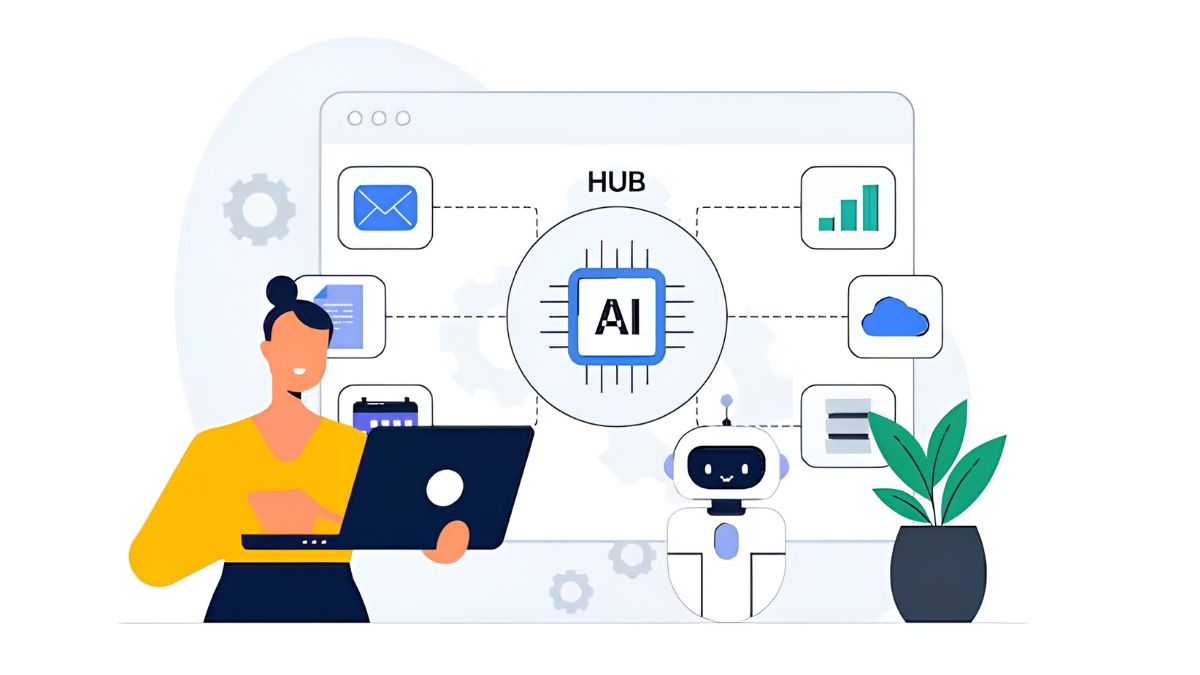
Introducing AI into risk operations often requires changes beyond the model itself. Existing platforms may use older architectures, fragmented data flows, or interfaces that are difficult to connect with new AI components. Starting with a limited use case can help teams test compatibility and resolve integration issues before wider deployment.
As AI connects to more systems and data sources, the number of access points that need protection also increases. Businesses should therefore define controls for data, models, APIs, and system activity so that AI does not create additional exposure while supporting risk processes.
Compliance requirements can also differ by industry and continue to change as AI governance develops. Legal, technology, and risk teams need a shared process for reviewing applicable rules, documenting decisions, and updating controls when regulatory expectations change.
AI in Risk Management: Trends to Watch
AI in risk management is moving toward systems that are more autonomous, explainable, and continuously monitored. As a result, hybrid approaches are likely to remain important because rule-based controls can define clear boundaries while machine learning adapts to changing patterns. Explainability and real-time monitoring will become more important as AI takes on a larger role in operational decisions.
Risk platforms are also likely to work with a broader mix of internal and external signals. Alongside transaction, operational, and security data, organizations may incorporate supply chain, climate, and sustainability information to build a more connected view of exposure. The direction is toward risk assessment that updates as conditions change, rather than depending mainly on periodic reviews.
As risk platforms process more signals and move closer to continuous decision-making, agentic AI may extend this shift from prediction to action by coordinating multi-step workflows across systems. Deloitte’s 2026 State of AI in the Enterprise reports that 74% of companies expect to use AI agents at least moderately by 2027, while only 21% currently have mature governance in place.
For risk management, this creates a new design question: not simply whether an agent can act, but what it should be allowed to do independently, what data and systems it can access, and when human approval is required.
To see how different agent architectures can support more autonomous workflows, explore our guide to the types of AI agents.
How Newwave Solutions Can Help Build AI-Powered Risk Management Systems
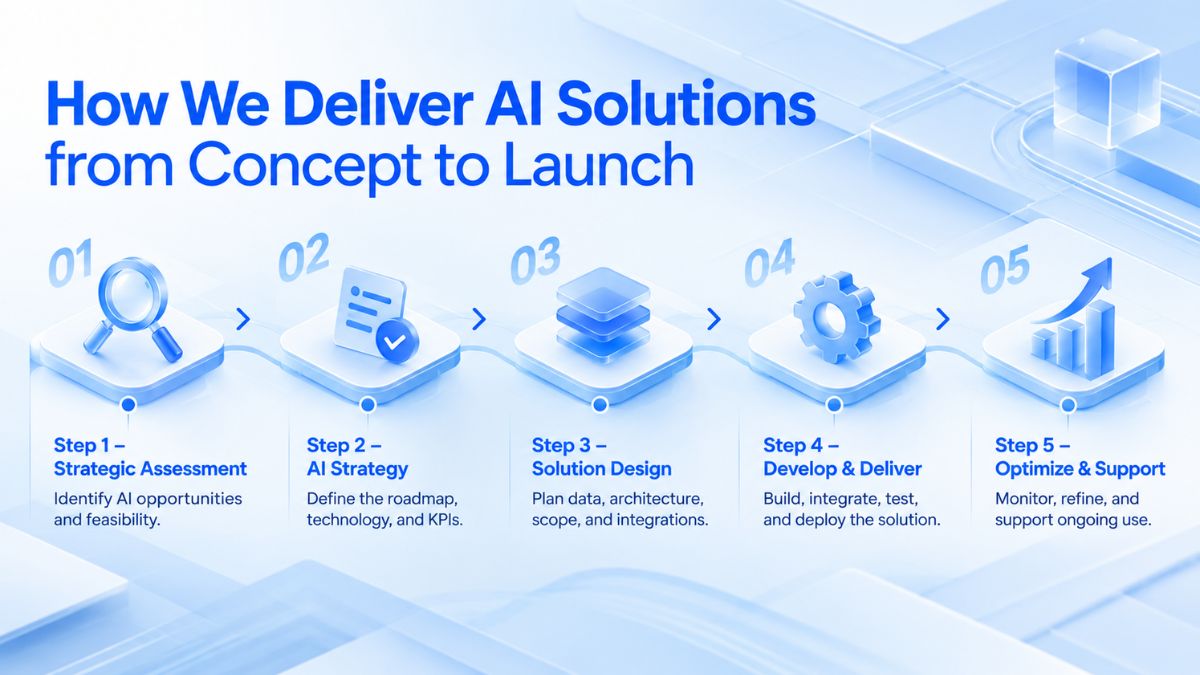
Newwave Solutions can support the development of AI-powered risk management systems from assessment through integration.
We help identify where AI can improve risk detection or monitoring, design the right model and data pipeline, and connect AI capabilities with existing enterprise systems. The goal is to turn risk data into faster analysis, more consistent alerts, and better-informed decisions within current workflows.
Our AI engineering and system integration capabilities also help businesses move beyond isolated pilots. We can embed models into day-to-day operations, connect them with business data, and maintain human review where automated decisions need additional judgment or control.
See how Newwave Solutions built an AI-powered consultation platform that combined knowledge-grounded responses with human consultant handoff and successfully supported 10,000+ website accesses per day.
Conclusion
AI in risk management can help organizations move from reactive reviews toward faster, more continuous risk monitoring. Its effectiveness depends on more than the model itself. Data quality, integration, explainability, human review, and ongoing monitoring all affect whether AI produces useful and reliable risk decisions.
For businesses ready to move from exploration to implementation, the focus should be on matching AI capabilities to real risk processes. Newwave Solutions helps design, build, and integrate AI solutions around existing data and enterprise systems. Explore our AI development services, then we can discuss the right technical and implementation approach for your risk-management needs.
FAQs
1. How is AI being used in risk management?
AI in risk management is used to detect unusual patterns, assess risk levels, forecast potential issues, monitor threats continuously, and support faster response. Common applications include fraud detection, credit risk assessment, compliance monitoring, cybersecurity, and operational risk analysis.
2. How does AI improve risk management in businesses?
AI can process larger volumes of data and identify risk signals faster than manual review alone. It also supports more continuous monitoring, earlier detection, and more consistent decision-making when combined with reliable data and human oversight.
3. What types of AI are used for risk management?
Common technologies include machine learning, natural language processing, computer vision, and automation tools such as RPA. Each supports different tasks, from predictive risk scoring and document analysis to visual inspection and repetitive workflow automation.
4. How do I implement AI in an existing risk management system?
To implement AI in risk management, start by identifying a specific risk process where AI can add measurable value, then assess data readiness and integration requirements. From there, select the right model or tool, test it in a controlled pilot, and scale gradually once performance and controls are validated.
5. What are the risks of using AI for risk management?
Key risks include poor data quality, biased outputs, limited explainability, model drift, over-automation, integration problems, security exposure, and regulatory concerns. These risks can be reduced through data governance, model monitoring, human review, and clear operational controls.
To Quang Duy is the CEO of Newwave Solutions, a leading Vietnamese software company. He is recognized as a standout technology consultant. Connect with him on LinkedIn and Twitter.



Read More Guides
Get stories in your inbox twice a month.
Let’s Build Something Extraordinary
Sign up for a 30 min no-obligation strategic session with us. Transform your Ideas into scalable reality.
Leave a Reply