


Software Development
AI Chatbot for 10K+ Daily Website Consultation
- Industry
- Ecommerce
- Service
- Software Development
- Team size
- 5 members
- Platform
- Website
Client Context
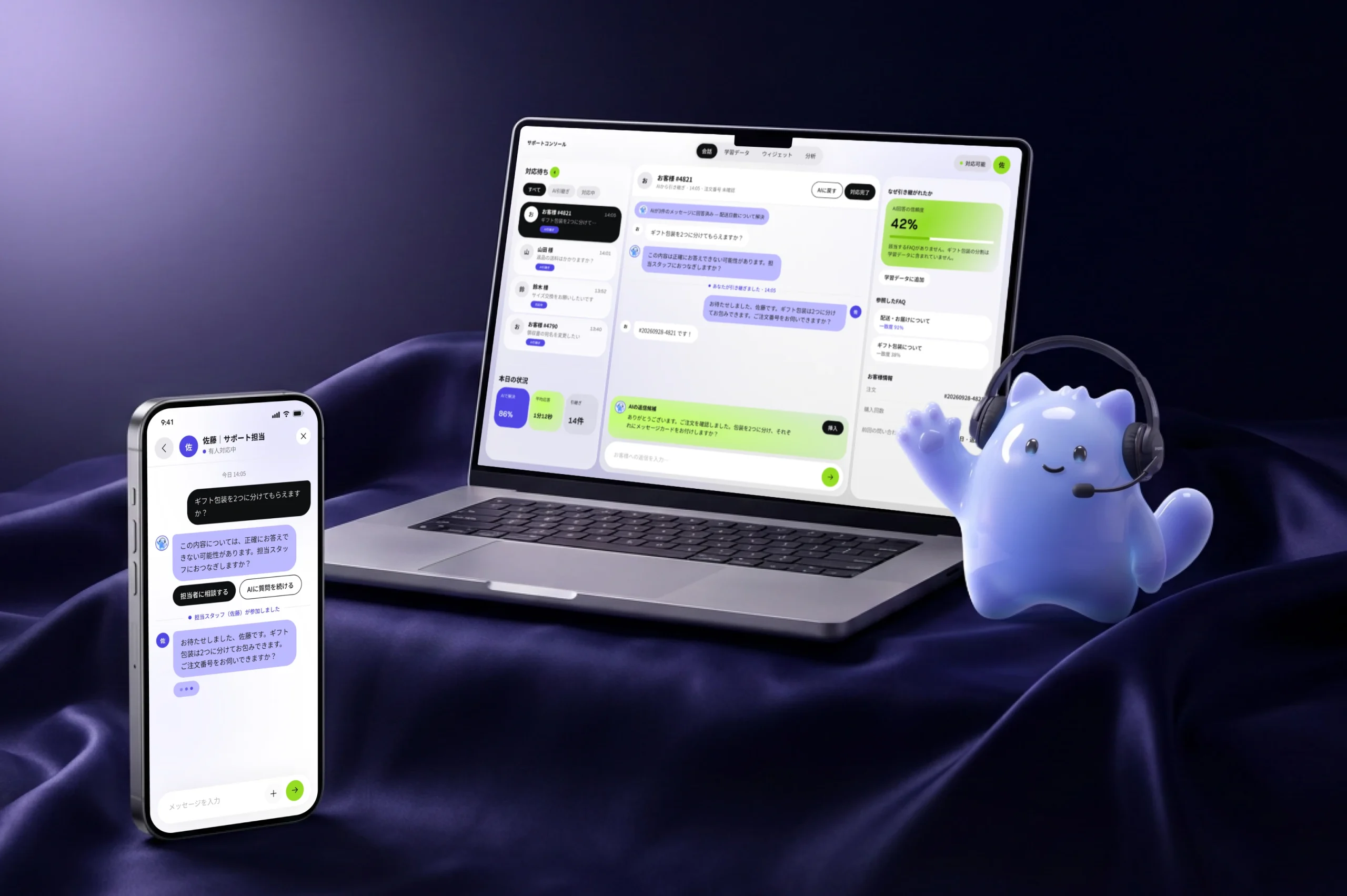
A Japanese client wanted to turn its website into an AI powered consultation hub as traffic and user inquiries increased.
The system needed to answer common questions based on provided question sets, while still allowing handover to human consultants for purchase support or complex requests. To support future expansion, the solution was designed as a SaaS service that could be embedded into customer or partner websites, with client control over chatbot training and UI elements such as the chat frame, window and interaction button.
Business Stakes
The client was not simply looking for a chatbot that could reply to users. They needed a scalable consultation model that could handle growing inquiry volume. It also had to reduce pressure on human consultants while maintaining consistent answers across repeated questions. Because the product was designed as a SaaS based service, the chatbot also had to be manageable, adaptable, and reliable enough to support different website environments.
Manual consultation workload
As website access increased, a fully manual consultation model would be harder to expand. The chatbot needed to answer repeated questions from provided question sets while keeping consultants available for more complex cases.
Service consistency
Users asking similar questions needed to receive aligned answers, so the business could maintain a reliable consultation experience across high inquiry volume.
Trust in AI responses
AI generated answers had to stay grounded in prepared knowledge to avoid irrelevant responses, unnecessary review effort and loss of user confidence.
Scalable inquiry handling
The system needed to handle large daily access volumes without turning every user interaction into a manual support task.
Human support continuity
Direct consultant chat still had to remain available for complex or sensitive cases, preserving service quality when AI was not the right channel.
Our Approach
Newwave Solutions structured the product as a controlled AI consultation workflow. Common website inquiries could be answered from the client’s provided question data while direct consultant chat remained available for cases requiring human support. To keep responses relevant and manageable, vector-based analysis connected to each user's question with suitable provided content before OpenAI Model generated a conversational answer. Beyond response generation, the system also included chatbot response training, chat UI customization and consultant fallback. This turned the product into a practical AI consultation service for daily website operations and SaaS service model.
Technical Decisions
To address these challenges and build a truly reliable and business-specific AI assistant, we engineered a complete technical framework centered on the client's own data. Our solution processes proprietary information into a secure knowledge system, connects it intelligently to a powerful language model, and ensures every interaction is both context-aware and accurate.


Risk Handling
For an AI consultation service, the main risk is not always a failed response. It is an answer that feels disconnected from the user’s real question. In live customer interactions, irrelevant answers can weaken trust, interrupt the consultation journey, and reduce confidence in the service. Newwave Solutions reduced this risk by placing vector based analysis before OpenAI response generation. Each user query was first matched with the most relevant provided question data. OpenAI Model then generated a more natural answer based on that context. This gave the chatbot a stronger response foundation and helped keep answers grounded in the content provided by the client.
Collaboration Model
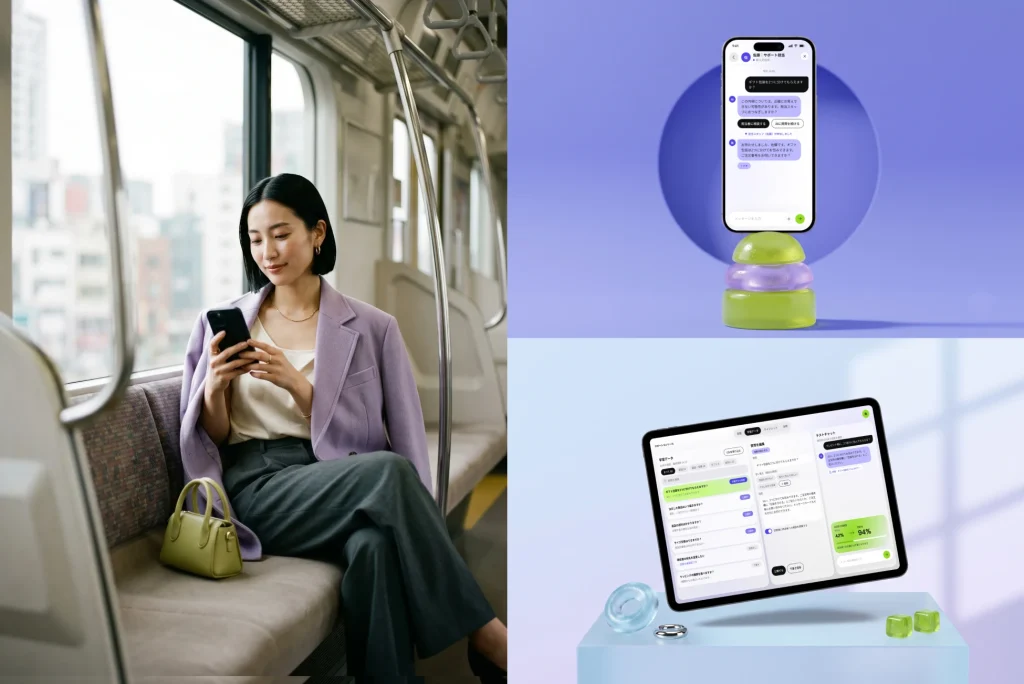
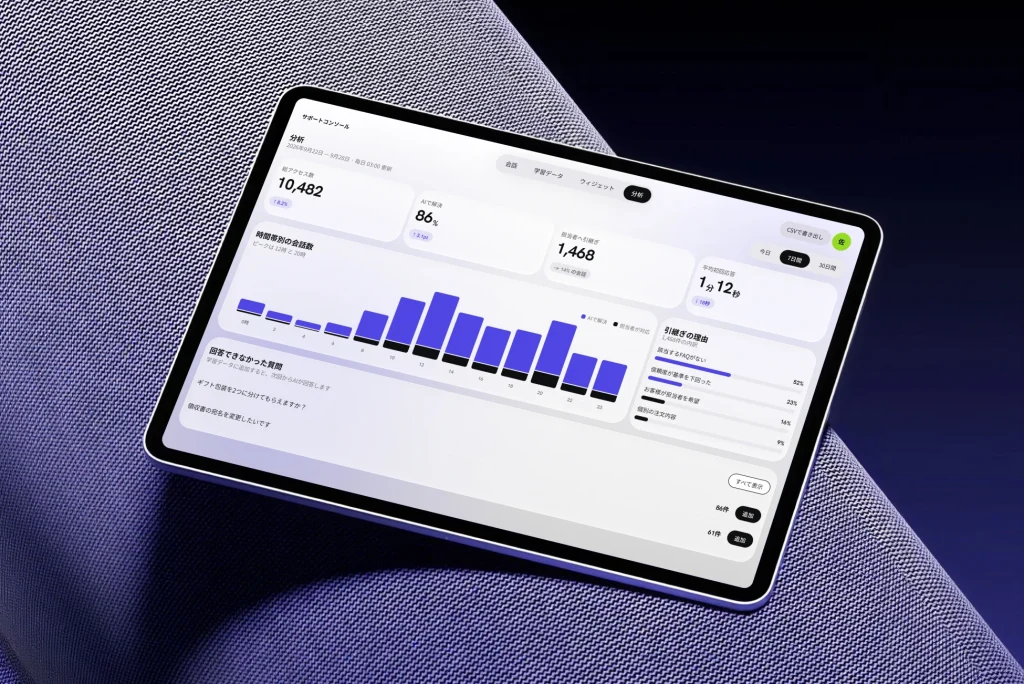
The project was delivered under a fixed price model by a 5 member team covering requirement analysis, system design, UI/UX and prototyping, coding, testing, and deployment. Running over a 5-month duration, the engagement focused on developing a web based AI chatbot system that combined response training, real time chat behavior, OpenAI Model integration and direct consultant chat. Because the product had to support both user facing consultation and future SaaS deployment, the team kept chatbot behavior, interface settings and fallback scenarios aligned throughout delivery.
Product Outcomes
-
AI assisted consultation flow
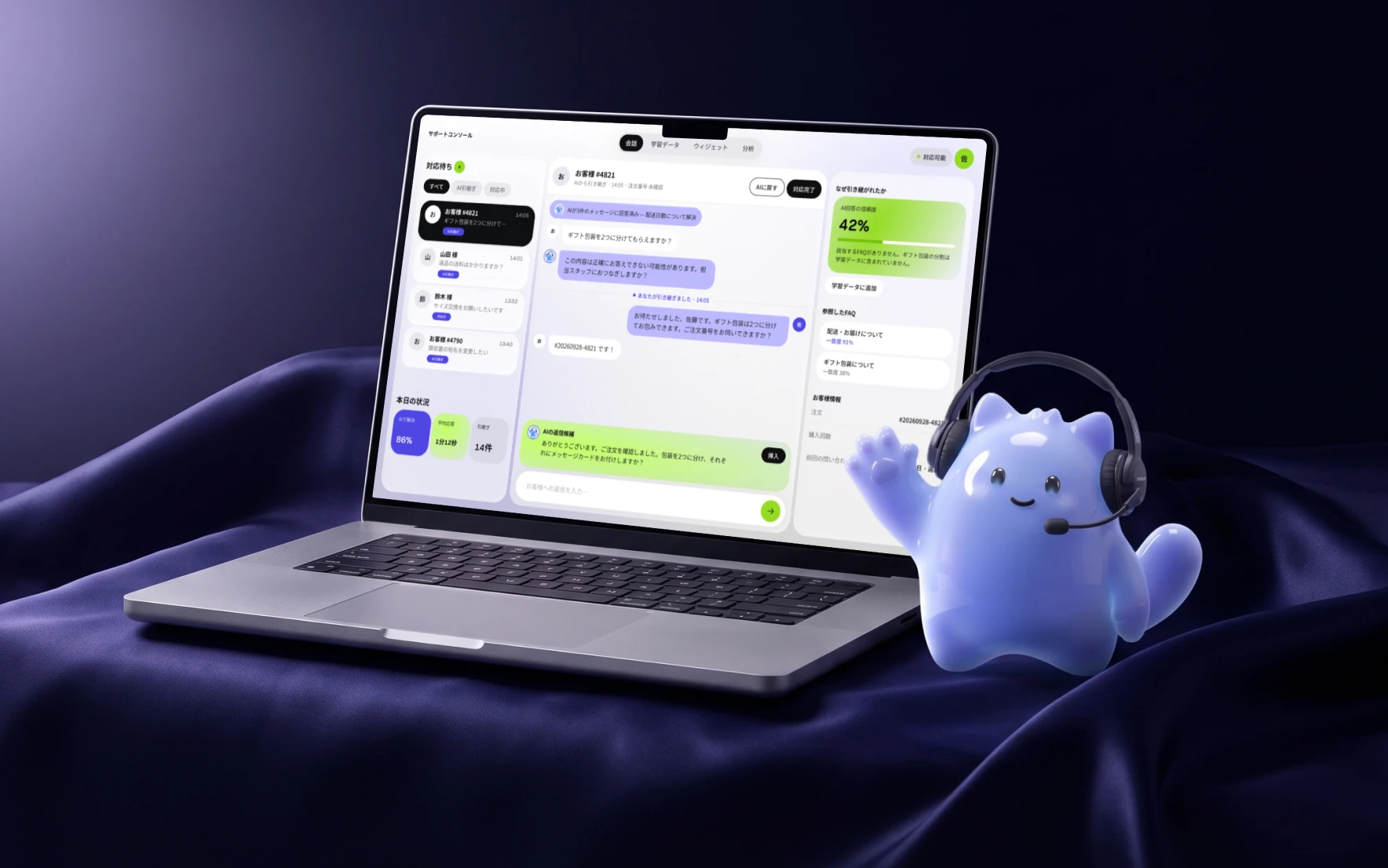
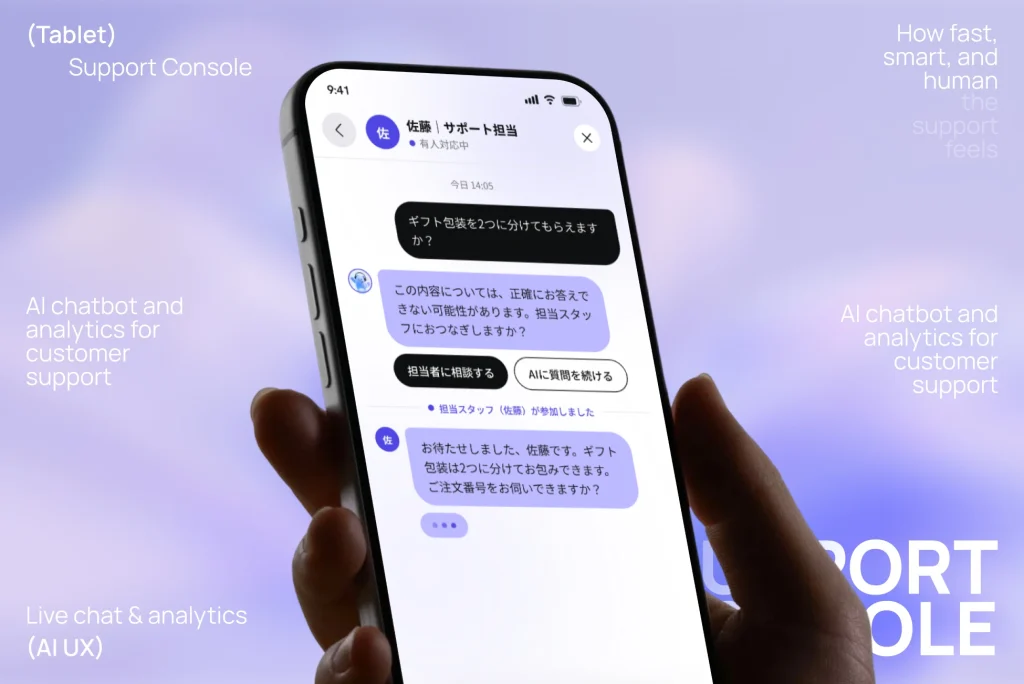
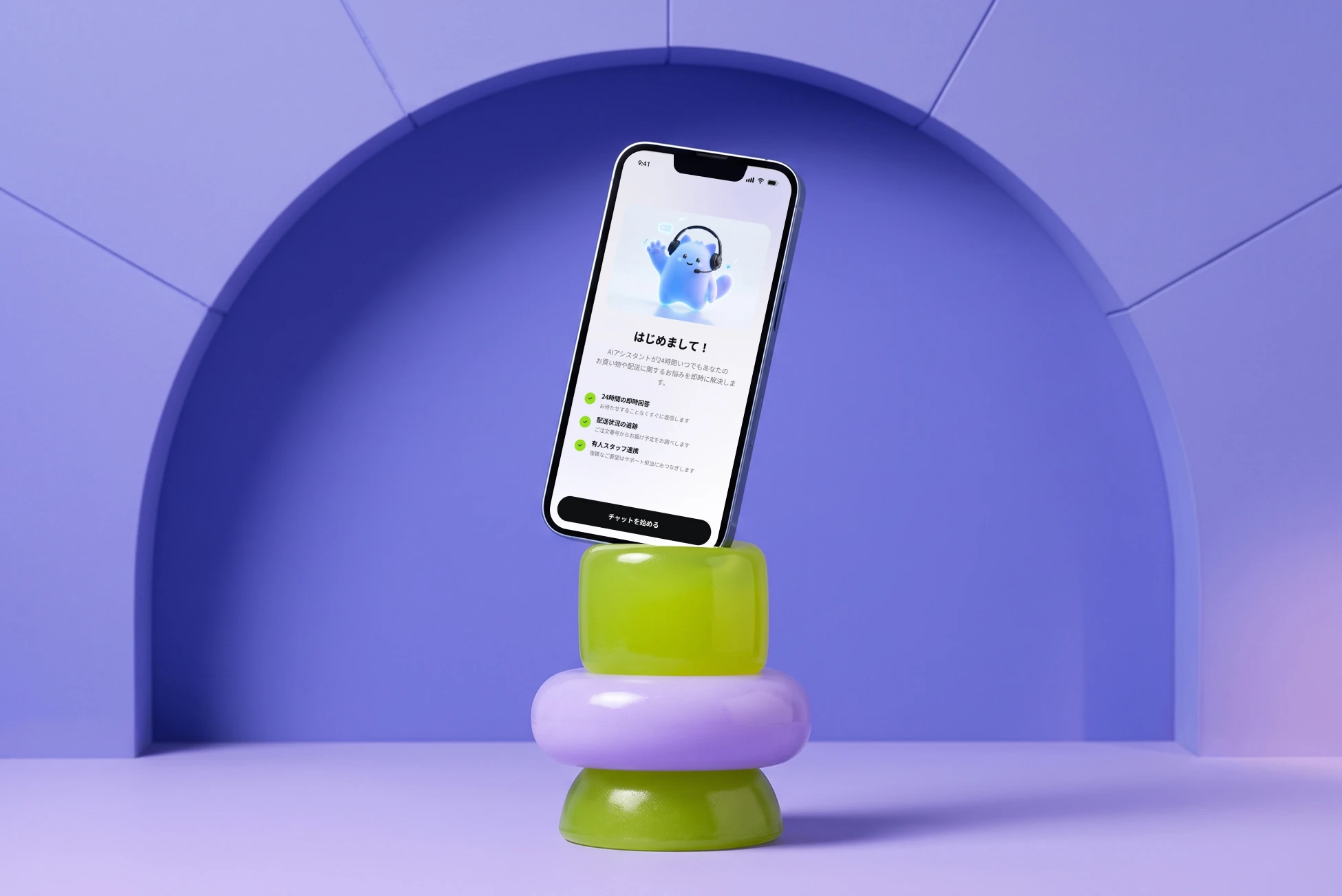
Users could ask questions through the website chatbot and receive AI generated answers based on predefined question data, helping reduce the need for manual handling of repeated or common inquiries.
-
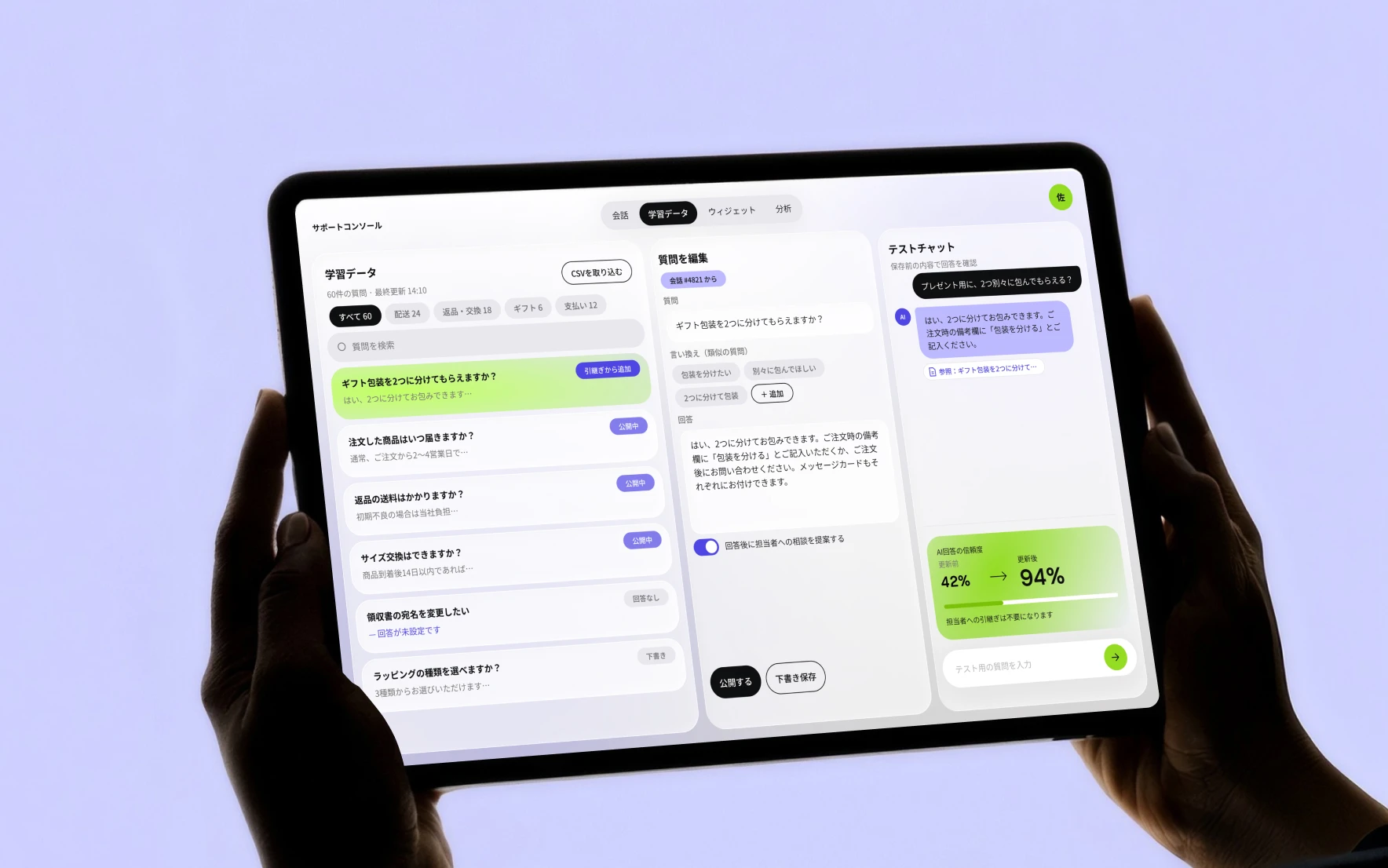
Response training from provided questions
The client could train chatbot responses from prepared question sets, creating a more manageable way to control common answer content.
-
Knowledge grounded response generation
Vector based analysis and OpenAI Model integration allowed the chatbot to connect user inquiries with relevant question data before generating more natural responses.
-
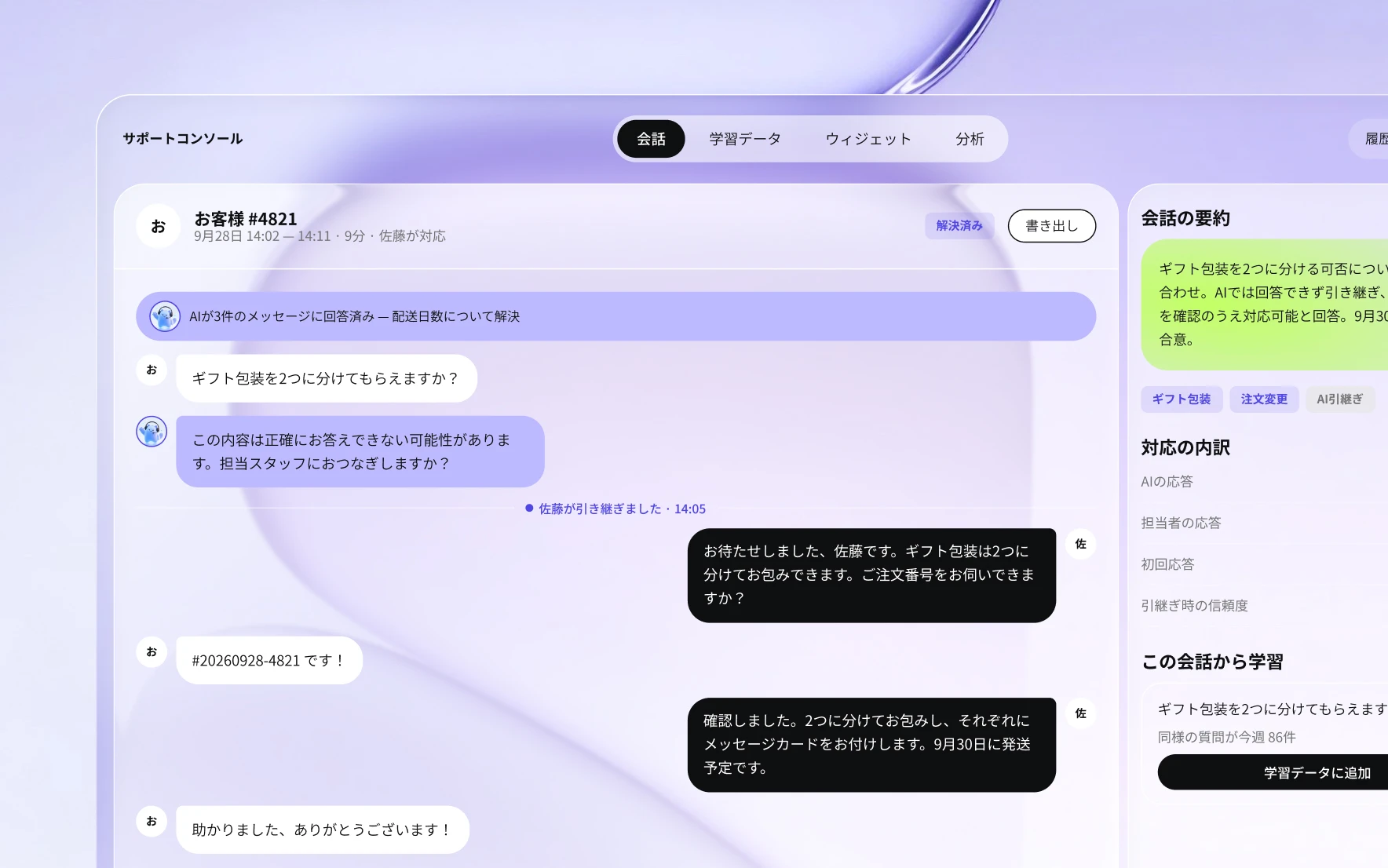
Direct consultant chat option
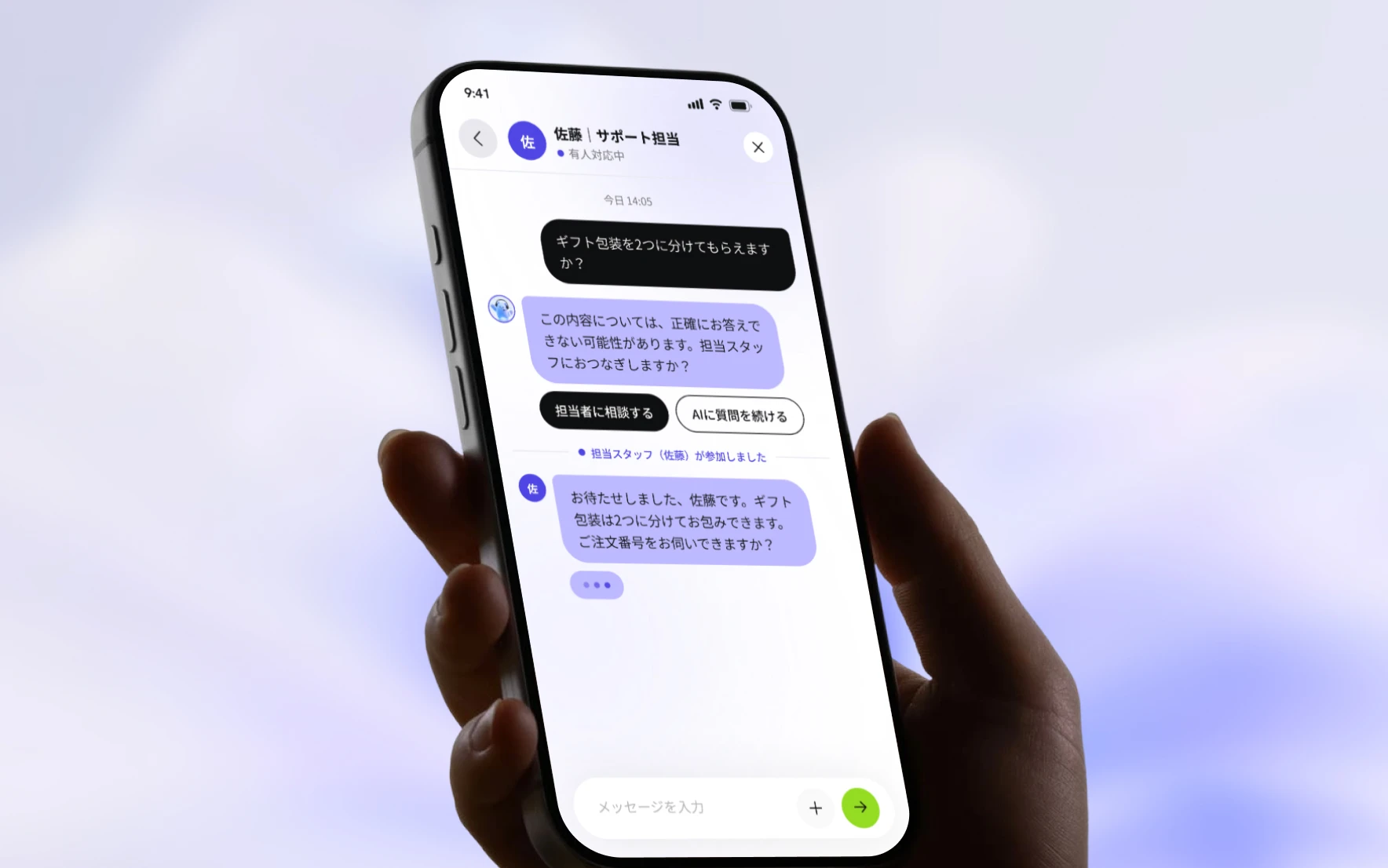
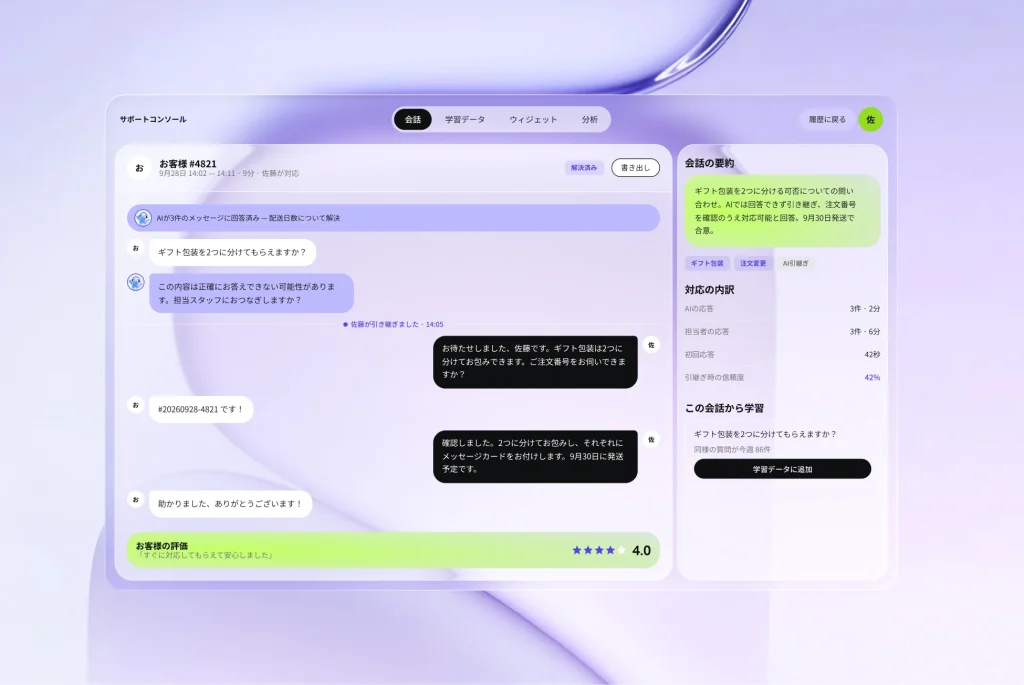
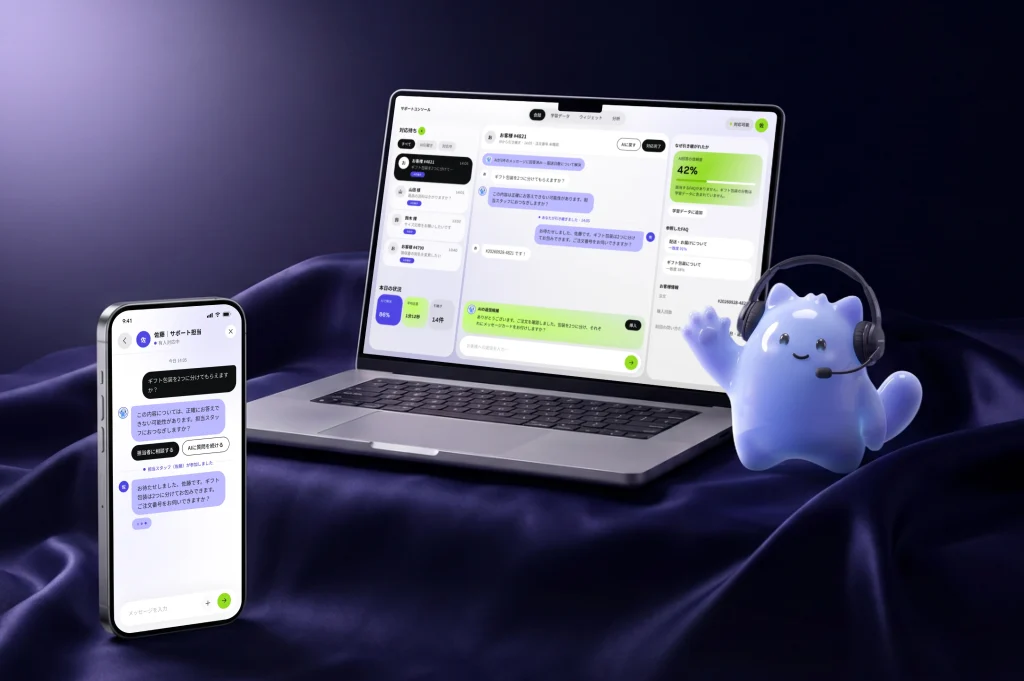
Users who did not want to continue with AI could switch to direct consultant chat, keeping human support available within the same consultation flow.
-
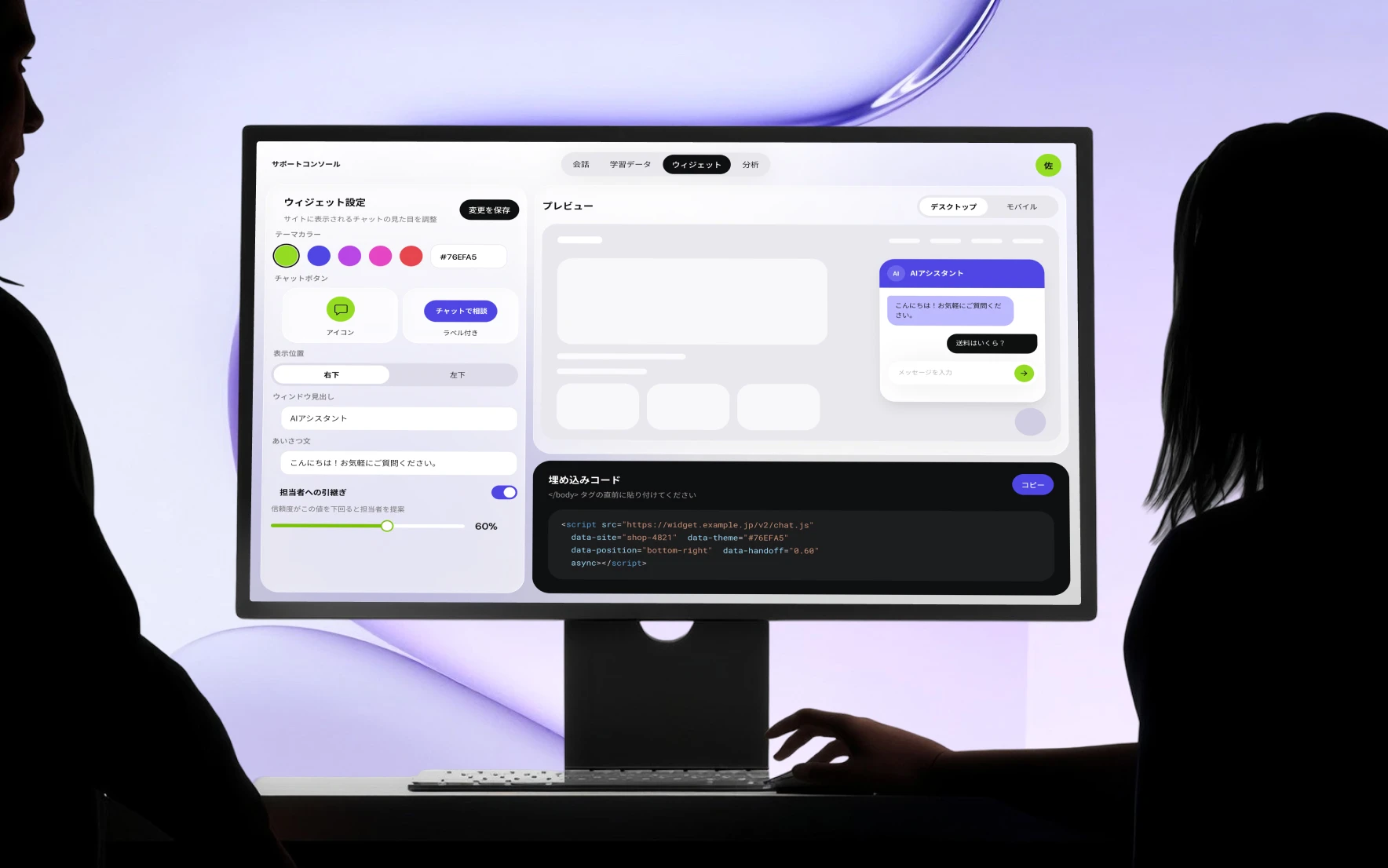
Customizable chat interface
The client could adjust the chat frame, chat window and chatbot button interface, making the chatbot easier to fit into the website experience.
-
Real operation in the main system
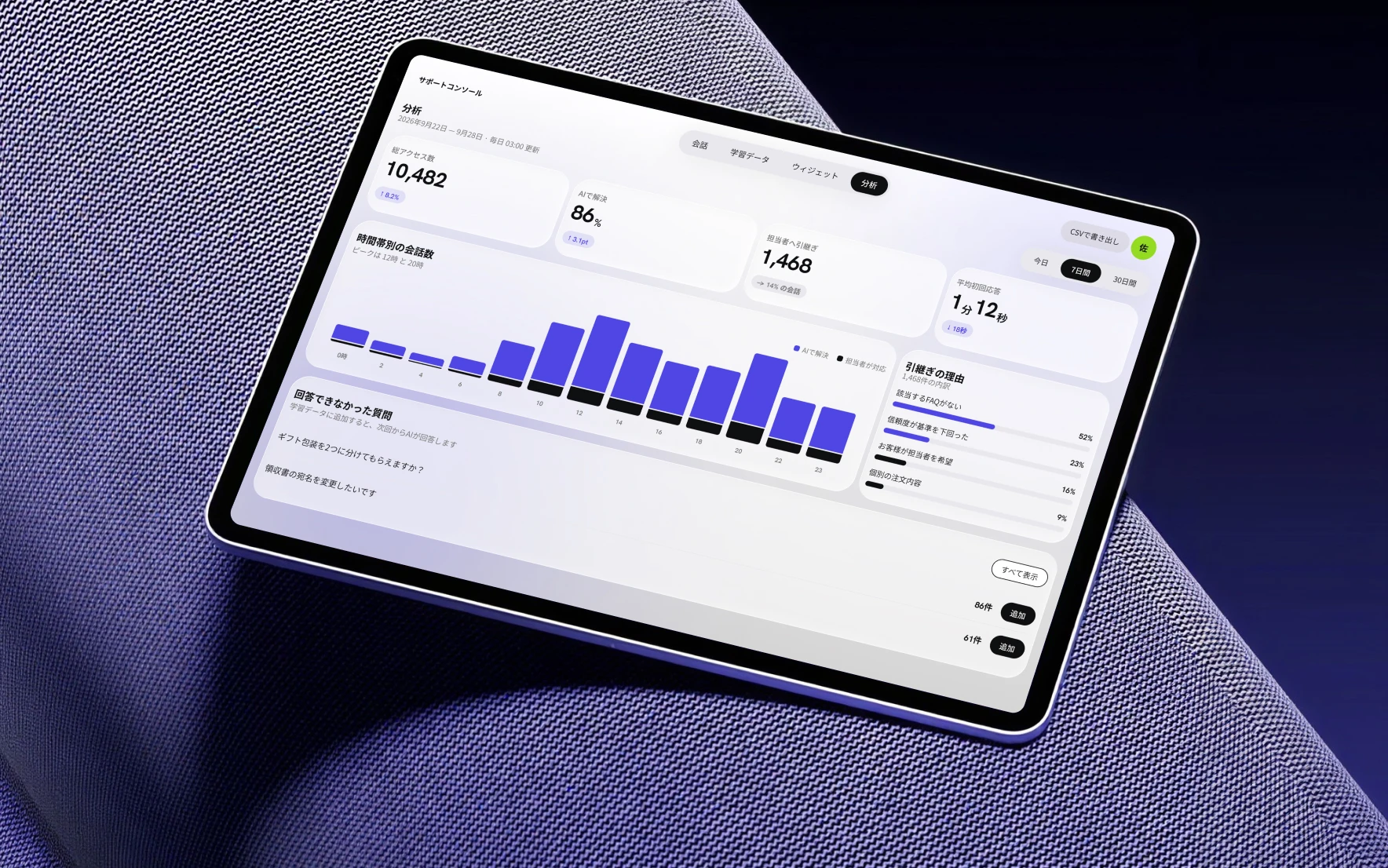
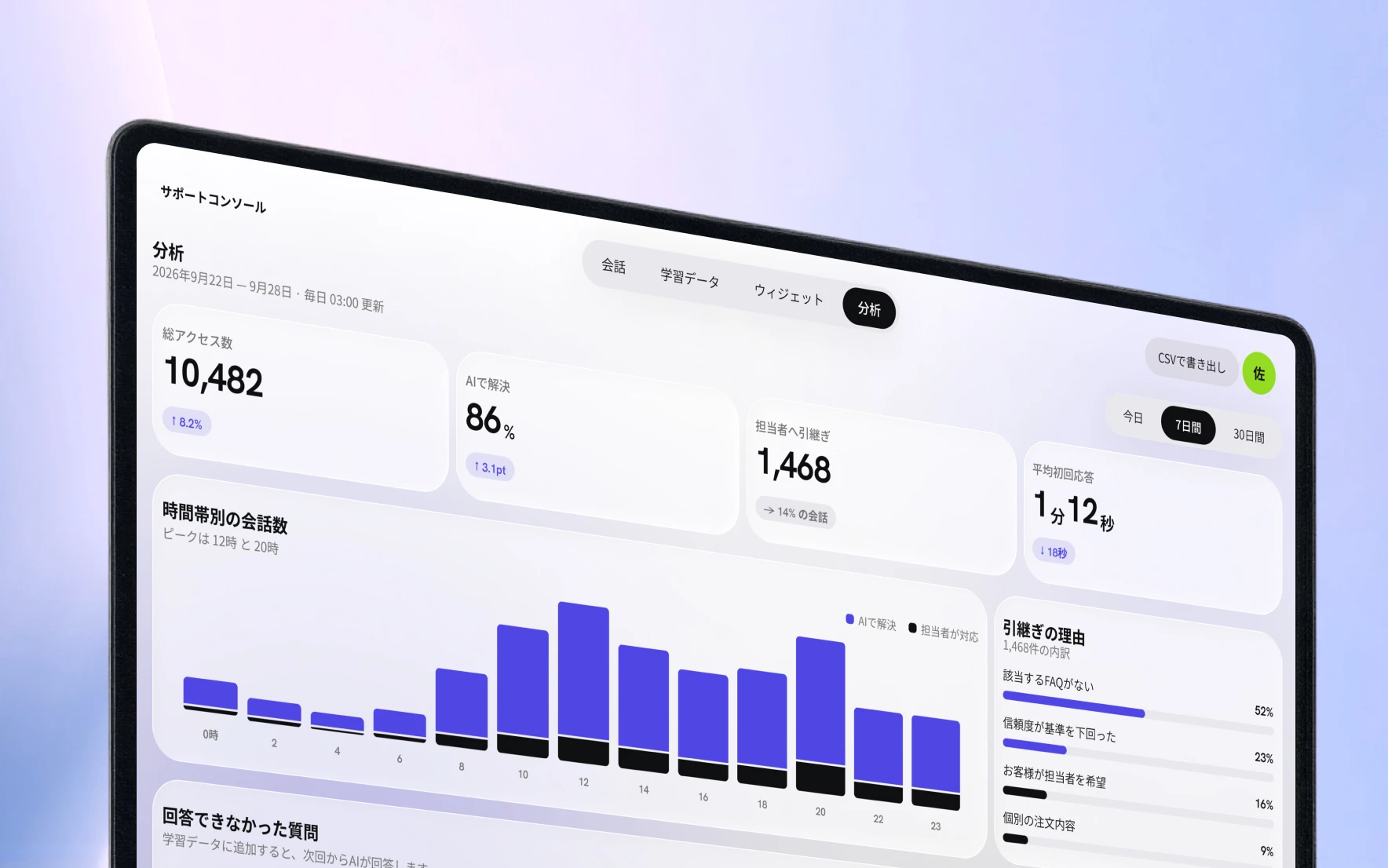
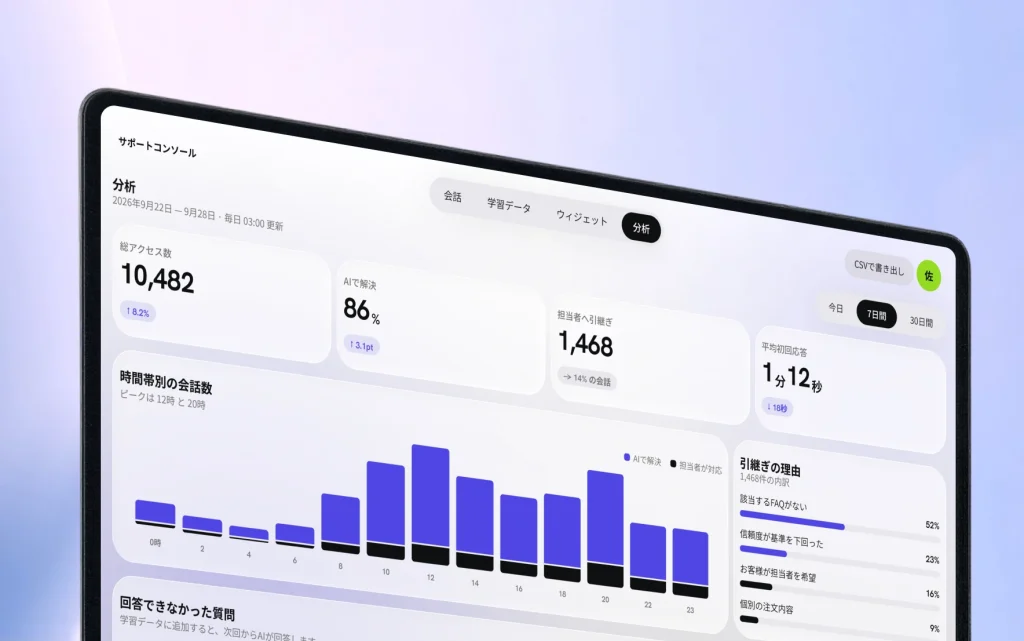
The product was applied to the client’s main system, which recorded 10K+ daily accesses. This showed the chatbot was deployed in a real website environment rather than remaining at a test or demo stage.
-
SaaS based deployment model
The system was developed as a service that could be embedded into customer websites, giving the client a stronger foundation to offer chatbot capabilities to business partners.
Business Impact
The system helped the client add AI assisted consultation alongside human support. Common questions could be answered through AI generated responses based on predefined question data, while direct consultant chat remained available for situations that required human judgment. This created a more balanced consultation flow, with AI supporting repeated inquiries and human consultants staying involved for more complex cases.
This created value in four areas:
- Support capacity: The chatbot could handle common inquiries before consultant handover when suitable, keeping human support available for more complex cases.
- Answer control: Provided question data gave the client a clearer foundation for keeping common responses consistent.
- AI reliability: Vector based analysis reduced the risk of answers drifting away from the available question content before OpenAI Model generated the final response.
- Service deployment model: The SaaS based model made the chatbot easier to embed into customer or partner websites, supporting the client’s plan to offer the service beyond its own website.
- Real website application: The product was applied to the client’s main system, which recorded more than ten thousand daily accesses. This showed that the chatbot was deployed in a real website environment rather than remaining at a demo stage.

Let’s Build Something Extraordinary
Sign up for a 30 min no-obligation strategic session with us. Transform your Ideas into scalable reality.