


Healthcare App Development Cost: Breakdown by Type, Scope, and Features
How much should you really budget for healthcare app development cost before a project moves beyond planning? A rough estimate may look useful at first, but healthcare apps often involve integrations, security controls, compliance requirements, and specialized features that can shift the budget quickly. The wrong assumptions early on can create expensive scope changes later.
A better estimate starts by separating costs by app type, features, development phase, and delivery model. This guide breaks down typical price ranges, the main factors that affect spending, hidden costs, and practical ways to estimate and control your budget more accurately.
Key Takeaways
|
How Much Does Healthcare App Development Cost?
Healthcare app development cost in 2026 can start at around $40,000 for a focused MVP and exceed $500,000 for an advanced enterprise platform. The final budget depends on what the product needs to deliver, validate, integrate, and maintain after launch.
| Product scope | Typical planning range | Typical timeline | What usually fits |
| Focused MVP | $40,000–$80,000 | 4–6 months | Profiles, booking, notifications, a basic dashboard, and secure storage |
| Mid-complexity product | $80,000–$150,000 | 6–10 months | Multiple user roles, payments, analytics, selected integrations, and stronger admin tools |
| Advanced or enterprise platform | $150,000–$500,000+ | 9–18 months | EHR/FHIR integration, telehealth, remote patient monitoring, AI, data migration, and multi-system integrations |
A mid-complexity healthcare mobile app typically requires a budget of around $80,000 to $150,000. This range generally supports a production-ready solution with multiple user roles and a limited number of integrations. Apps focused on functions such as symptom checking, appointment scheduling, or wellness tracking may remain closer to the MVP range when they do not involve complex clinical data processing.
Costs can exceed $150,000 when the app includes advanced healthcare capabilities such as telehealth, EHR integration, remote patient monitoring, or AI features. These additions require more than front-end development, involving areas such as data integration, security validation, compliance testing, and ongoing system monitoring.
Healthcare App Development Costs by Solution Type
Typical budgets for medical app development range from about $55,000 for some wellness apps to $400,000+ for hospital management systems, while remote patient monitoring requires a device-specific estimate rather than a universal range.
| Healthcare app type | Estimated development cost | Typical features | Main cost drivers |
| Telemedicine and remote consultation | $80,000–$300,000+ | Video, messaging, scheduling, payments | Real-time performance, regulated communication, provider workflows, EHR scope |
| Mental health and meditation | $60,000–$120,000 | Mood tracking, guided sessions, journals, community tools | Therapist workflows, regulated communication, AI, crisis escalation |
| Wellness and fitness tracking | $55,000–$150,000 | Activity, nutrition, sleep, wearable synchronization | Wearable data, real-time synchronization, personalized plans, social features |
| Medical CRM and hospital management | $150,000–$400,000+ | Patient records, staffing, billing, inventory | Role-based access, custom workflows, scheduling, hospital system integrations |
| EHR/EMR with patient portals | $90,000–$250,000 | Medical history, results, prescriptions, patient access | FHIR, legacy connectors, data migration, identity matching, vendor certification |
| Remote patient monitoring | Requires a custom estimate | Device readings, alerts, clinician dashboards | Device type, sampling frequency, data volume, escalation workflow, clinical validation scope |
| AI-powered healthcare assistants and chatbots | $70,000–$350,000+ | Symptom intake, reminders, conversational support | Data preparation, model or API integration, evaluation, clinical validation, monitoring |
Telemedicine and remote consultation apps
Technological costs for telemedicine systems can range from $10,000 to $500,000 per site, depending on the solution scope and technical requirements.
An MVP can keep spending lower by limiting the scope of video consultations, messaging, scheduling, payments, and EHR integration. The budget rises as the product adds more provider workflows, regulated communication, and real-time functionality. These requirements increase the amount of integration and operational work beyond the core patient-facing interface.

Mental health and meditation apps
Mental health app development generally falls between $60,000 and $120,000 for products that include mood tracking, guided sessions, journaling, and community features.
The scope can move higher when the product adds therapist workflows, regulated communication, AI functions, or crisis escalation. These additions introduce more demanding clinical and operational requirements than a basic self-guided app.
Wellness and fitness-tracking apps
A wellness or fitness-tracking app typically costs $55,000 to $150,000. Much of the variation comes from wearable integration, real-time data synchronization, personalized plans, and social functionality.
Products that make clinical claims require separate regulatory and validation assessment, so they should not be budgeted in the same way as standard wellness products.

Medical CRM and hospital management systems
Medical CRM and hospital management software generally starts at around $150,000 and can exceed $400,000. These products often combine role-based access, patient data, billing, inventory, and staff scheduling.
Costs increase because they also need to connect with existing hospital systems. This makes integration scope a major part of the budget rather than treating the product as a standalone application.
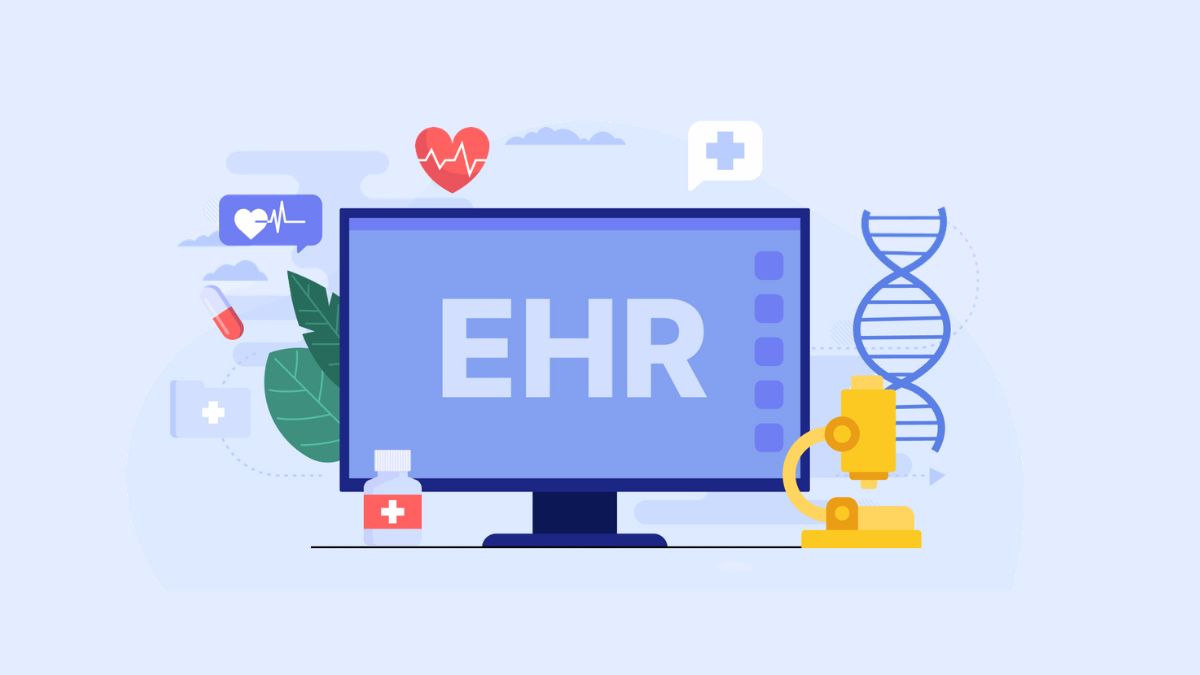
EHR/EMR apps with patient portals
An EHR or EMR system with a patient portal typically costs $90,000 to $250,000, with the final budget depending heavily on interoperability requirements, data exchange complexity, and integration scope. Beyond the core system implementation, organizations should also consider supporting infrastructure costs.
For implementation costs, the average spend was $5,900 for additional hardware, software, peripherals, and network connections, while around half of the practices averaged $3,094 for IT and other outside support during implementation.
For medicine delivery apps that require EHR connectivity, these additional expenses can significantly affect the overall development budget. Complex integrations often require extra work for data mapping, system compatibility, security validation, and ongoing technical support to ensure reliable information exchange between healthcare platforms.
Remote patient monitoring apps
Remote patient monitoring does not have a reliable universal cost range in the provided estimate. These apps connect wearable or medical-device readings with alerts and clinician dashboards, so the scope depends heavily on the hardware and data flow involved.
The estimate needs to account for the devices used, sampling frequency, data volume, escalation workflows, and whether the product falls within FDA or clinical-validation scope. For this reason, RPM products require a device-level cost estimate.
AI-powered healthcare assistants and chatbots
Adding AI capabilities can place the total healthcare app budget within roughly $70,000 to $350,000+. Initial development may include data preparation, model or API integration, evaluation, and clinical validation.
AI also introduces recurring expenses after launch. These can include inference, monitoring, retraining, human oversight, and incident review, so the initial build cost does not represent the full operating expense.
Key Factors Driving Healthcare App Development Cost
Healthcare app development cost is shaped by more than development hours and hourly rates. The final budget also depends on the feature scope, UI/UX design, technologies used, compliance and security requirements, and the technical stack behind the product. Each of these factors changes the amount of engineering work, specialist expertise, testing, and ongoing maintenance required.
Feature set and functionality
The broader the feature set, the higher the expected development cost. Basic functions such as appointment booking, user profiles, and simple health tracking are generally less expensive to build.
Costs rise when the app includes more demanding capabilities such as AI-driven analytics, video consultations, real-time monitoring, or blockchain-based payments. These functions require more development time, stronger infrastructure, and more specialized technical skills.

UI/UX design
Design costs vary according to the level of research, interaction, and visual complexity required. For healthcare apps, usability also affects how easily users can navigate the product, including elderly patients with limited technical experience.
- Standard design: Around $5,000–$10,000 for basic UI layouts and essential screens needed to support the app’s core user flows.
- Research and prototyping: Around $10,000–$30,000 when the design process includes user research, wireframes, prototypes, and concept validation before development.
- Advanced design: Around $30,000–$50,000 for highly interactive interfaces with elements such as 3D visuals, animations, and complex user interactions that require additional design effort.
Advanced technologies
Adding technologies such as AI, IoT, blockchain, AR/VR, or cloud infrastructure can increase the budget because each requires additional implementation effort and specialist knowledge.
| Technology | Typical cost range | What drives the cost |
| AI and machine learning | $100,000–$250,000+ | Data processing, predictive insights, personalized recommendations, and clinical decision support |
| IoT integration | $80,000–$200,000 | Number of connected devices, real-time data collection, synchronization, and alerts |
| Blockchain | $120,000–$250,000 | Distributed architecture, secure medical records, decentralized data access, and transaction functions |
| AR/VR | $150,000–$300,000 | Level of immersion, simulation detail, training environments, and interactive experiences |
| Cloud computing | $10,000–$50,000+ | Storage, remote access, availability, usage, and scale, plus ongoing monthly maintenance |
These estimates reflect different implementation scopes rather than fixed prices. The final cost depends on how extensively each technology is used within the app.
Compliance and security requirements
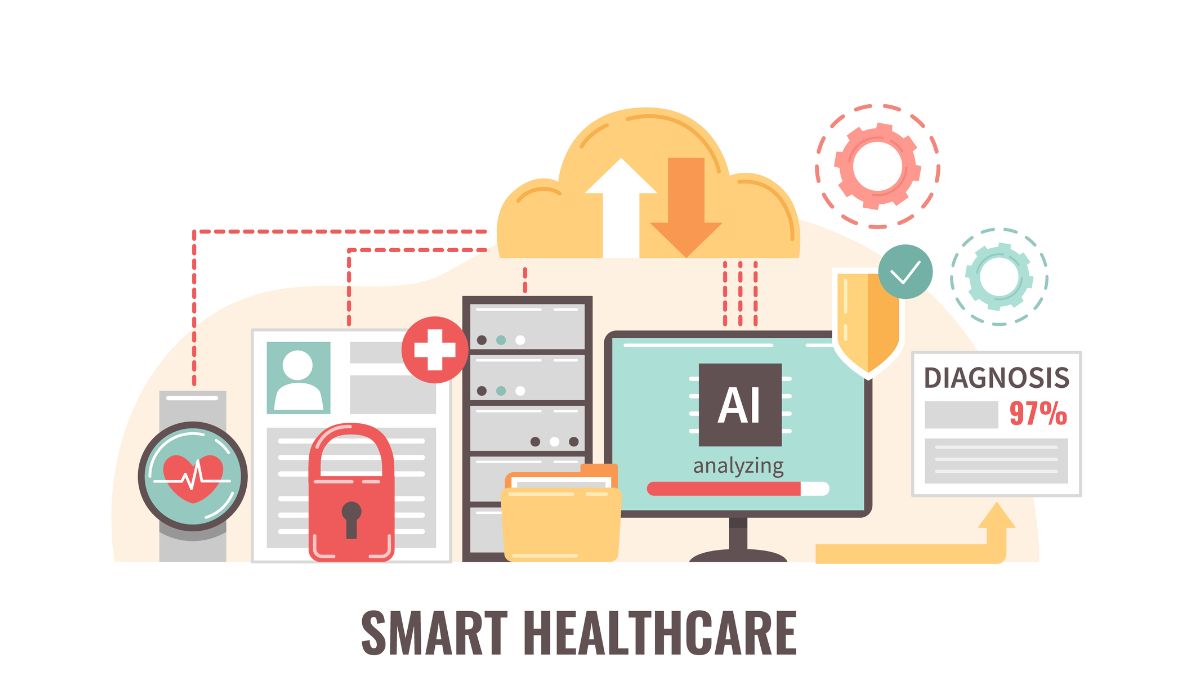
Security and compliance add both upfront and recurring expenses because healthcare applications may need regulatory alignment, secure architecture, data protection, and ongoing updates.
- HIPAA/GDPR readiness: $15,000–$50,000 may be required for compliance preparation, including regulatory documentation, security assessments, and processes needed to align with healthcare data protection requirements.
- Security infrastructure: Around $20,000–$80,000+, depending on the complexity of security measures such as encryption, access controls, authentication systems, and overall application architecture.
- Data protection systems: Typically $100–$5,000+ per month, based on factors such as data volume, storage needs, and the scale of the healthcare platform.
- Annual maintenance and updates: Usually 15–25% of the initial development cost per year to maintain security measures, address compliance changes, and keep the system reliable over time.
These costs need to be considered early because security requirements affect both the initial system design and long-term operation.
Technology stack
The selected technology stack also affects development time and cost. More demanding architectures or specialized technologies may require stronger technical expertise, more security work, and longer implementation cycles.
- Frontend development: Typically costs $20,000–$150,000, depending on the complexity of the user interface, supported platforms, and the level of customization required.
- Backend development: Usually ranges from $40,000–$250,000, with costs influenced by API architecture, third-party integrations, scalability requirements, and performance expectations.
- Database management: Approximately $10,000–$50,000, depending on data volume, database structure, security requirements, and encryption needs.
- Quality assurance and testing: Around $15,000–$60,000+, based on testing scope, automation level, and compliance validation requirements.
Development platform
The platform determines how many codebases need to be built and maintained. Native, cross-platform, hybrid, and web approaches therefore come with different cost ranges.
| Platform | Estimated cost | Cost considerations | Timeline |
| Native iOS & Android | $80,000–$300,000+ | Separate iOS and Android development increases time and effort | 6-12 months |
| Cross-platform | $60,000–$150,000+ | React Native or Flutter uses one codebase across both platforms | 4-8 months |
| Hybrid | $30,000–$120,000+ | Combines web and native technologies | 3-6 months |
| Web app (PWA) | 20–30% cheaper than native | Browser-based delivery reduces development and maintenance costs | 2-5 months |
| On-demand healthcare app | $60,000–$140,000+ | Supports real-time services such as doctor booking, emergency consultations, and home healthcare requests | 4-7 months |
Hosting and server requirements
Hosting is an ongoing expense rather than a one-time development cost. Healthcare app hosting typically ranges from $100 to $5,000+ per month, depending on data volume, traffic, and scalability requirements.
- Simple healthcare app: $100–$500/month. This cost level typically supports basic cloud hosting needs, limited data storage, and a smaller number of users or transactions.
- Mid-sized or telemedicine platform: $500–$2,000/month. Platforms with features such as video consultations, real-time communication, and higher user activity require more computing resources, data handling capacity, and infrastructure support.
- Large enterprise healthcare system: $2,000–$5,000+/month. Enterprise solutions often involve large-scale data processing, advanced security requirements, and infrastructure designed to support high availability and scalability.
Infrastructure requirements may also include secure cloud hosting, encrypted data storage, compliance-ready environments, high availability, and performance optimization.

Development team structure
Team size affects both project cost and delivery speed. A smaller team can lower upfront spending but may take longer to complete the product, while a larger team adds resources and specialized roles at a higher total cost.
Typically, healthcare app team may include project management, iOS and Android developers, backend developers, UI/UX designers, QA engineers, and security specialists.
| Team structure | Estimated cost | Typical scope |
| Small team | $60,000–$150,000+ | MVPs and basic healthcare apps with limited features |
| Mid-sized team | $150,000–$300,000 | Broader team structure with faster delivery |
| Large specialized team | $300,000–$1,000,000+ | Enterprise systems involving AI, EHR integrations, IoT devices, and strict compliance requirements |
The required team structure should therefore be considered alongside product scope rather than treated only as a staffing decision.
Development team location
Development team location directly affects healthcare app development costs, as regional differences in hourly rates can significantly change the overall budget. However, cost should be evaluated alongside factors such as healthcare expertise, technical capability, and experience with compliance requirements rather than location alone.
| Country | Avg. Hourly Rate (USD) | Key strength |
| USA | $80–$150 | Mature healthcare software market |
| United Kingdom | $70–$140 | Strong healthcare compliance environment |
| Germany | $60–$130 | Strict data protection expectations |
| India | $20–$50 | Large pool of software professionals |
| Canada | $65–$120 | Strong focus on privacy requirements |
| Australia | $70–$130 | Established software engineering market |
| France | $50–$110 | Active digital health sector |
| UAE (Dubai) | $50–$120 | Expanding healthcare technology market |
| Poland | $40–$80 | Competitive European development rates |
| Brazil | $35–$75 | Practical nearshore option for US projects |
| Ukraine | $35–$75 | Competitive engineering costs |
| South Africa | $30–$70 | English-speaking development workforce |
| Philippines | $20–$45 | Cost-conscious outsourcing market |
| Vietnam | $20–$45 | Competitive rates for offshore development without compromising the quality |
Third-party integrations
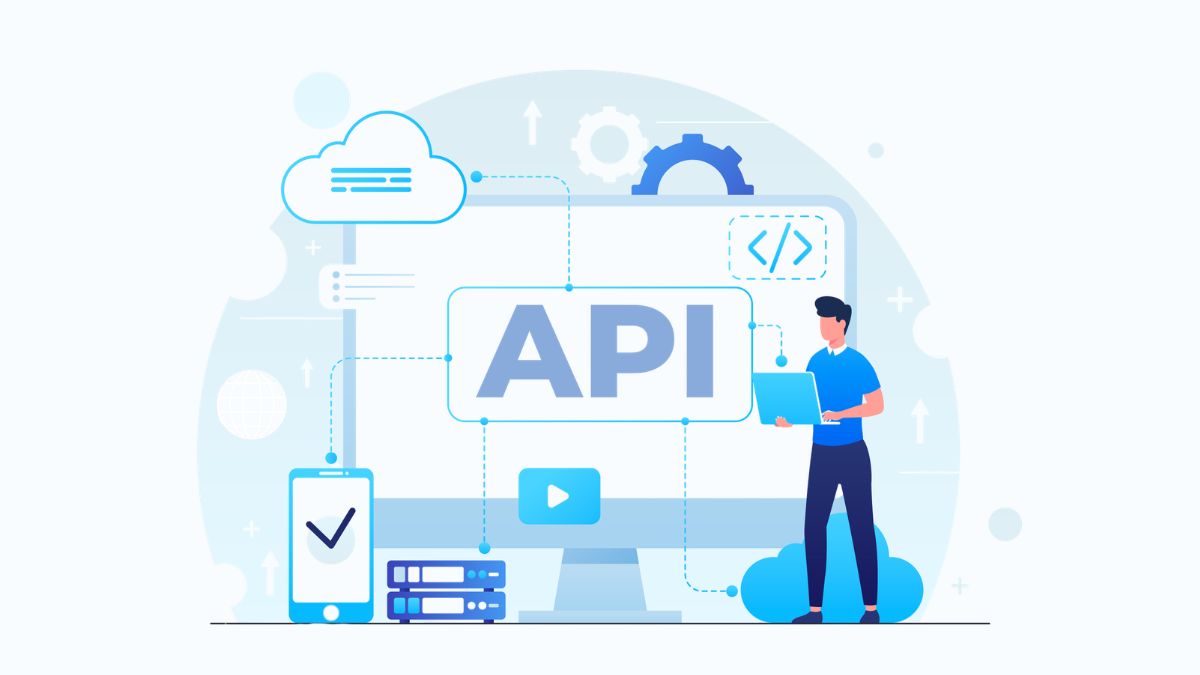
Integrations add another cost layer when a healthcare app needs to exchange data with external systems. The price depends on both the number of integrations and their technical complexity.
- Basic API integrations: $2,000–$5,000. These typically involve straightforward data exchange between systems with limited customization or processing requirements.
- Moderate integrations: $5,000–$10,000. This level covers more advanced connections, such as payment gateways and wearable device integrations, which require additional data handling and synchronization.
- Complex integrations: $10,000–$20,000+ per integration. These involve advanced systems such as EHR/EMR platforms and AI-based tools, requiring deeper technical compatibility, data mapping, and security considerations.
For a complete healthcare system setup, the total integration investment can range from $20,000 to $50,000, depending on integration complexity and quantity.
Healthcare App Development Cost Breakdown by Development Phase
Healthcare app development cost becomes easier to estimate when the project is separated into distinct phases. Breaking the budget down this way also makes it easier to see where the largest share of spending is likely to occur.
| Development phase | Estimated cost | Share of total cost | What the phase covers |
| Discovery & strategic planning | $3,000–$15,000+ | 5–7% | Market research, user needs, project scope, feature priorities, and compliance planning |
| UI/UX design | $7,000–$25,000+ | 10–15% | User flows, wireframes, prototypes, and interface design |
| Frontend development | $20,000–$100,000+ | 25–35% | User-facing screens and interactions across supported mobile platforms |
| Backend development & API integration | $25,000–$120,000+ | 30–40% | Server-side logic, databases, security, APIs, and EHR connectivity |
| QA & testing | $7,000–$20,000+ | 10–15% | Functional testing, performance checks, security testing, and compliance validation |
| Deployment & launch | $1,000–$5,000 | 1–2% | App store submission, production setup, server activation, and release configuration |
| Maintenance & compliance upgrades | 15–30% of initial cost per year | Ongoing | Security patches, software updates, compliance monitoring, and regular maintenance |
Discovery and strategic planning
Estimated Cost: $3,000–$15,000+
This phase defines the product direction before development starts. The team studies the market and user needs, clarifies the project scope, prioritizes features, and identifies compliance requirements that may affect later stages.
UI/UX design
Estimated Cost: $7,000–$25,000+
Design work turns the product requirements into user journeys, wireframes, prototypes, and interface layouts. The focus is on creating clear interactions so patients and healthcare professionals can move through the app without unnecessary confusion.
Frontend development
Estimated Cost: $20,000–$100,000+
Frontend development builds the screens and interactions users see directly. Developers convert approved designs into a working mobile interface and make sure the experience functions properly across the selected devices or platforms.
Backend development and API integration
Estimated Cost: $25,000–$120,000+
The backend handles server-side logic, databases, security, and data exchange behind the user interface. This phase can also include API and EHR integration so the app can connect with external healthcare systems and keep information synchronized.
QA and testing
Estimated cost: $7,000–$20,000+
Testing checks whether the application works as intended before release. QA teams look for functional defects, performance problems, security gaps, and compliance-related issues that could affect the reliability of the product.
Deployment and launch
Estimated Cost: $1,000–$5,000
During deployment, the application is prepared for production use. This includes configuring the production environment, activating servers, completing release setup, and submitting the app to the relevant app stores.
Maintenance and compliance upgrades
Estimated Cost: 15–30% of the initial development cost per year
Post-launch work keeps the application operational after the initial release. Ongoing activities can include security patches, operating system updates, regular maintenance, audits, and compliance monitoring as requirements change over time.
Healthcare App Cost by Feature at a Glance
Feature scope can change healthcare app development cost substantially because some functions need only basic interface logic, while others require secure data exchange, compliance controls, or more advanced technical infrastructure.
| Feature group | Feature | Estimated cost | Main cost consideration |
| Core features | HIPAA authentication | $5,000–$10,000 | Multi-factor authentication and audit trails |
| Basic dashboards | $5,000–$10,000 | Separate patient and provider views | |
| Basic appointment scheduling | $5,000–$15,000 | Calendar-based scheduling flow | |
| Connected & compliance-heavy features | HIPAA geolocation | $15,000–$25,000 | Handling protected location data |
| HIPAA in-app messaging | $15,000–$30,000 | End-to-end encryption and audit logging | |
| Read-only FHIR | $15,000–$30,000 | One-way data retrieval from an EHR | |
| HIPAA analytics and logging | $20,000–$40,000 | Audit trails across user data functions | |
| Healthcare payment processing | $20,000–$50,000 | PCI and HIPAA requirements | |
| Advanced clinical & integration features | HIPAA-compliant WebRTC | $25,000–$60,000 | Encryption and a HIPAA BAA with the provider |
| Bidirectional FHIR | $30,000–$60,000 | Two-way synchronization with an EHR | |
| Basic AI recommendation engine | $30,000–$80,000 | Data pipelines and monitoring infrastructure | |
| Clinical AI with validation | $80,000–$150,000+ | Model training and clinical validation | |
| Full EHR suite | $20,000–$500,000 | Cost varies with the number of integrations |
Core features: $5,000–$15,000
Core functionality sits at the lower end of the feature cost range. HIPAA authentication, basic appointment scheduling, and simple dashboards generally cost between $5,000 and $15,000 each.
These functions form the basic operating layer of many healthcare apps. They cover access, scheduling, and simple patient or provider views before more demanding workflows and integrations are added.

Connected and compliance-heavy features: $15,000–$50,000
This group includes functions that handle protected information or connect the app with outside services. Examples include HIPAA geolocation, secure messaging, analytics and logging, payment processing, and read-only FHIR access.
Costs typically range from $15,000 to $50,000 because these features require more than a standard interface. Messaging needs encryption and audit logs, payments must account for both PCI and HIPAA requirements, while FHIR connectivity adds healthcare data exchange work. These functions also require additional setup, testing, and compliance handling.
Advanced clinical and integration features: $25,000–$500,000
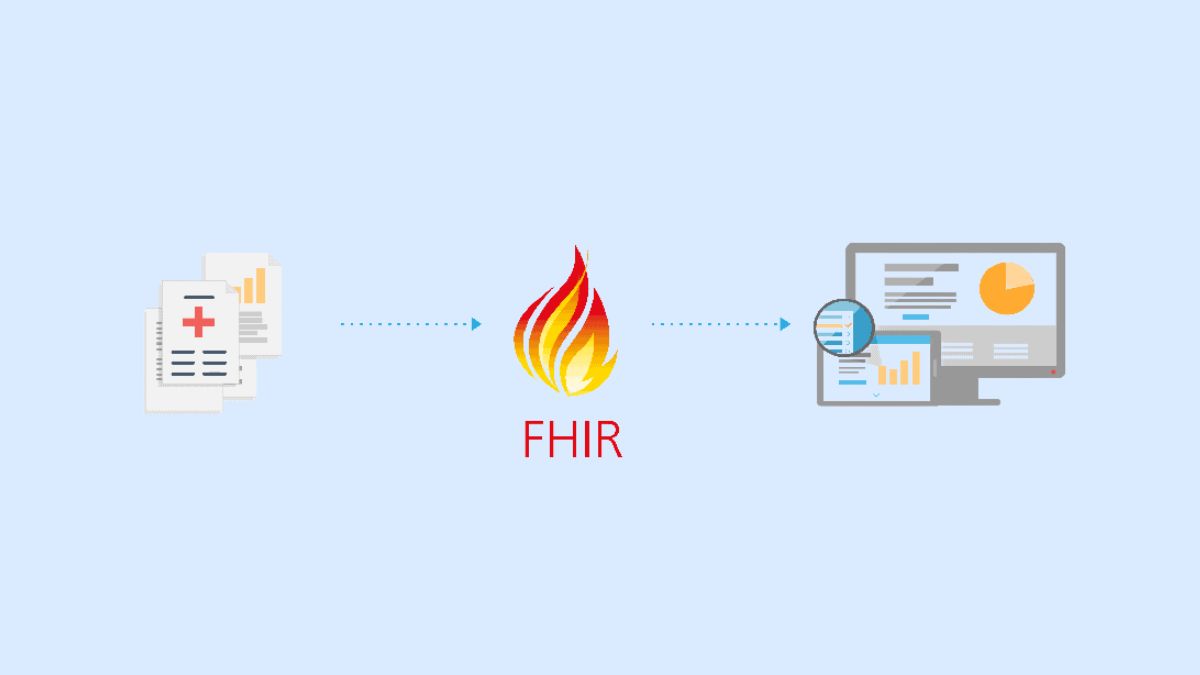
The highest-cost features are those that operate as more substantial technical systems within the app. This group includes HIPAA-compliant WebRTC, bidirectional FHIR, AI capabilities, and larger EHR integration scopes.
Real-time video is estimated at $25,000–$60,000, while bidirectional FHIR ranges from $30,000–$60,000. A basic AI recommendation engine may cost $30,000–$80,000, while clinical AI with validation can reach $80,000–$150,000+. Full EHR integration has the widest range at $20,000–$500,000, depending on how many systems need to be connected.
The cost rises because these features require additional infrastructure, data exchange, validation, monitoring, or integration work rather than functioning as isolated add-ons.
In-house Vs Outsourcing for Healthcare App Development
Choosing between an in-house team and outsourcing can change medical app development cost substantially. The decision mainly depends on budget, delivery speed, and the level of healthcare-specific expertise required. An internal team provides direct control, while outsourcing gives faster access to an established development team.
| Development model | Typical cost | Main cost considerations |
| In-house development | $200,000–$400,000+ per year | Salaries, benefits, office space, equipment, and a full dedicated team |
| Outsourced development | $30,000–$90,000 for an MVP | External team cost based on scope, location, expertise, and project complexity |
In-house development
An in-house healthcare app team typically costs $200,000 to $400,000+ per year. This budget can include salaries, employee benefits, office space, equipment, and multiple roles such as project management, UI/UX design, software development, and QA.
The main advantage is direct control over the team and project. However, building the required team internally can take longer because the organization needs to hire and manage several specialists before and during development.
Outsourced development
An outsourced healthcare app MVP can reduce development spending by 50–70% compared with an in-house model, particularly when working with offshore teams.
Outsourcing is a practical choice when you need to launch faster, avoid the cost and time of building a full internal team, or access healthcare-specific technical and compliance expertise that is not readily available in-house.
Hidden Costs in Healthcare App Development
The initial build estimate does not represent the full healthcare app development cost. QA, maintenance, app store fees, and user acquisition can continue adding expenses during development and after launch. Accounting for these items early gives a more complete picture of the budget needed to operate the app over time.
Quality Assurance
QA needs to continue throughout development to identify functional problems, usability issues, and security gaps before they affect users or sensitive healthcare data. Cutting this work from the initial budget can shift the expense to post-launch fixes.
Typical QA expenses include:
- Functional and security testing: $5,000–$15,000, typically over 4–6 weeks.
- Usability testing and bug fixes: $10,000–$25,000, typically over 6–8 weeks.
- Ongoing post-launch QA: $5,000–$10,000 per year.

App maintenance and post-launch support
Annual maintenance is estimated at around 15–20% of the initial healthcare app development cost.
Common maintenance activities include:
- Bug fixes and feature updates: Resolving technical issues and releasing improvements based on operational needs.
- Security enhancements: Strengthening protection against evolving cybersecurity threats and maintaining secure user data management.
- Platform compatibility updates: Ensuring the app continues to work with the latest mobile operating systems.
- User experience improvements: Updating features based on user feedback to improve usability.
App listing and publishing costs
Launching a healthcare app also involves costs related to publishing, security, and visibility optimization on app marketplaces.
Key expenses may include:
- Apple App Store account: $99 per year for an individual or organization developer account.
- Google Play Store registration: A one-time fee of $25 to publish Android applications.
- SSL certificates: Typically range from $50 to $300 per year to support secure data encryption and communication.
- App Store Optimization (ASO): Usually costs between $1,000 and $5,000 to improve app visibility, rankings, and downloads.

Data management and storage costs
Healthcare apps must handle sensitive information such as patient records, medical history, and real-time health data. Data management costs depend on factors such as storage volume, security requirements, and infrastructure scalability.
Typical expenses include:
- Data storage setup: $10,000–$50,000 for secure database architecture and initial configuration.
- Cloud storage and hosting: $100–$5,000+ per month depending on data size and usage requirements.
- Data security and encryption: $5,000–$25,000 for encryption, access controls, and protection layers.
- Backup and disaster recovery: $2,000–$15,000 for automated backups and recovery planning.
API and EHR integration costs
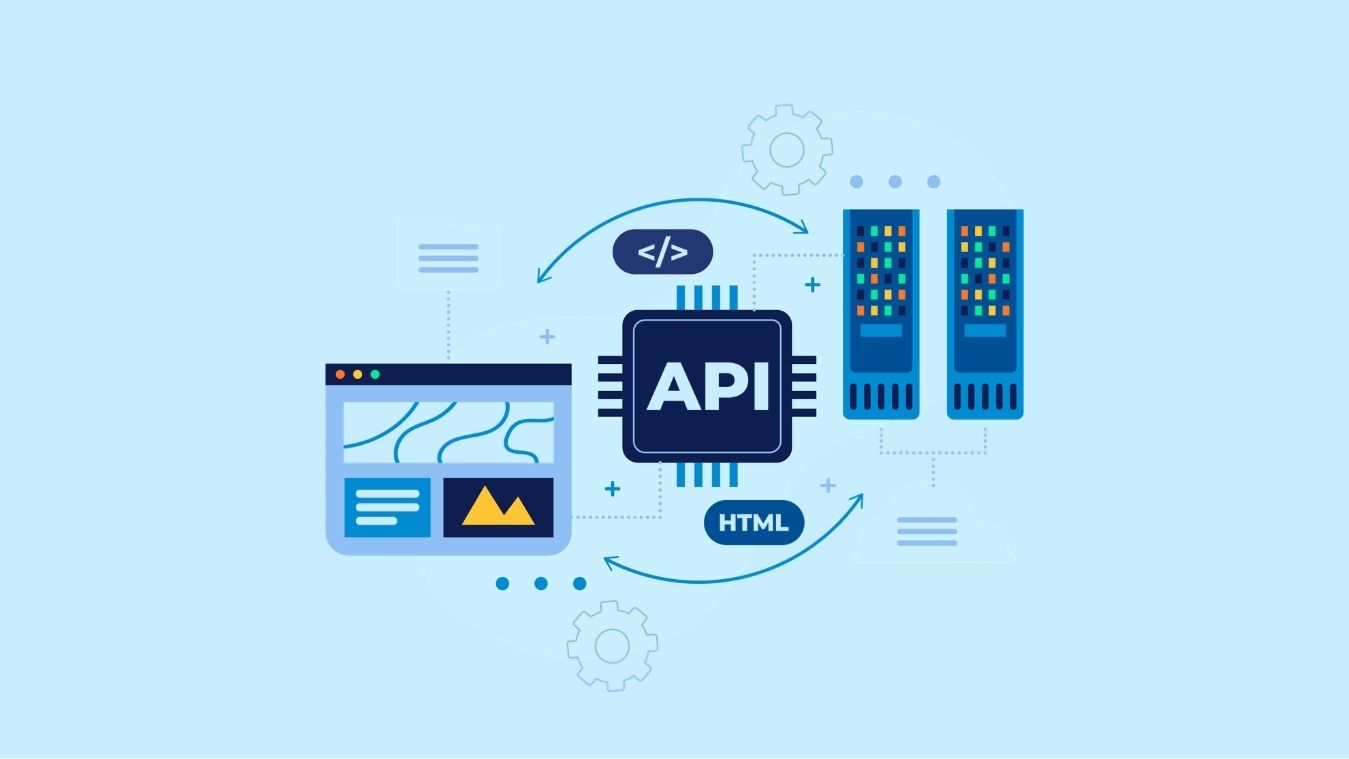
Connecting a healthcare app with external systems can add significant development expenses, especially when integrating with EHR/EMR platforms. These integrations require careful handling of data exchange, security requirements, and compatibility with existing healthcare systems.
Common integration-related costs include:
- EHR/EMR connectivity: Building connections with electronic health record systems may require specialized API development, compliance checks, and extensive testing to ensure accurate data synchronization.
- Third-party service integrations: Adding payment systems, medical devices, or wearable technology can increase development complexity due to additional security and data management requirements.
- Data synchronization requirements: More advanced integrations, such as two-way data exchange, typically require more development effort than simple data access connections.
Estimated costs may include:
- Basic EHR integration: Around $5,000–$15,000 for read-only data access.
- Advanced EHR integration: $30,000+ for bi-directional data synchronization.
- EHR vendor access and onboarding fees: Approximately $10,000–$20,000 depending on the provider requirements.
- General API integration: Ranges from $500 to $30,000+ based on integration complexity, security needs, and technical requirements.
Marketing and user acquisition
Development and infrastructure alone do not cover the cost of bringing the product to its intended users. Marketing may require a separate budget before and after launch, with spending varying by acquisition strategy.
- Pre-launch campaigns: $5,000–$20,000, typically beginning 1–3 months before release.
- Paid user acquisition: $10,000–$50,000 per month for channels such as digital advertising and social media.
- App Store Optimization (ASO): $5,000–$15,000, with an estimated timeframe of 3–6 months.
How to Calculate the Cost of Healthcare App Development
A practical way to estimate healthcare app development cost is to start with two variables: the total development hours and the team’s hourly rate. Once the project scope is defined, the basic calculation is:
Total development cost = Development hours × Hourly rate
For example, suppose a healthcare app requires 3,000 development hours and the team charges $50 per hour: 3,000 hours × $50/hour = $150,000
The estimated core development cost would therefore be $150,000. This figure covers the development work itself, but it does not include expenses that may continue after the initial build, such as post-launch support, feature updates, or compliance-related audits.
The calculation also shows why scope matters. More demanding integrations, security requirements, or AI-driven functionality can increase the number of hours required and may call for more specialized expertise. As either development time or the hourly rate rises, the overall budget increases accordingly.
For early budgeting, start by estimating the hours required for the agreed scope, apply the relevant development rate, and then account separately for post-launch and compliance expenses that sit outside the core build.
How to Reduce Healthcare Application Development Costs
Reducing medical app development cost does not have to mean cutting core functionality. The larger savings usually come from controlling scope, avoiding duplicate development work, reusing existing components, and finding issues earlier in the project.
Start with an MVP
Launching a focused MVP helps control initial investment by limiting development to essential features. This approach allows teams to validate user needs, gather feedback, and expand the product based on proven requirements.
A well-defined MVP can potentially reduce development costs by 25%–45% and shorten the timeline by 30%–50% compared with building a full-featured product from the beginning.

Use cross-platform development
Using a cross-platform approach allows teams to build applications for both Android and iOS from a shared codebase instead of developing and maintaining separate native apps. This reduces duplicated development efforts and can simplify future updates, potentially lowering costs by 30%–40% and reducing development time by 25%–40%.
Reuse pre-built APIs and integrations
Existing APIs and third-party integrations can handle common functions such as payments, notifications, and medical record synchronization without requiring every component to be built from scratch. This helps reduce backend development efforts and may lower development costs by 15%–35% while improving delivery speed by 20%–35%.
Select the right team model
Choosing an appropriate development team structure can significantly influence the overall budget. Offshore or hybrid models may provide cost advantages compared with fully in-house teams, especially for longer projects, with potential cost reductions of 40%–70% and time savings of 15%–30%.

Prioritize features by impact
Including every planned feature in the first release can increase both development complexity and delivery time. Prioritizing high-impact functions for the initial version helps allocate resources more effectively, potentially reducing costs by 20%–50% and shortening timelines by 20%–40%.
Test continuously from the start
Continuous testing throughout development helps identify issues earlier, reduce unnecessary rework, and improve product stability before launch. This practice can potentially reduce costs by 10%–30% and development time by 15%–25%.
Upcoming Trends Affecting Healthcare App Development Costs
Future healthcare app development costs will increasingly depend on the technologies and care models included. Connection, personalization, and interaction are the main pillars that shapes healthcare app in the upcoming years.
Telehealth and telemedicine
Telehealth is expanding healthcare apps beyond in-person care by enabling remote consultations through video platforms, particularly for patients with chronic conditions or mobility limitations. Supporting these workflows requires more than basic booking functionality, so video consultations and remote care capabilities can increase the technical scope and development effort.
Wearables and the Internet of medical things
Wearables are becoming more closely tied to remote patient monitoring by collecting data such as heart rate, blood pressure, sleep activity, and ECG readings. Healthcare apps that use this data need to connect with external devices and incorporate ongoing monitoring into the care workflow, adding integration and data-handling requirements that can raise development costs.
Blockchain in healthcare
Blockchain can be used for medical record management and data exchange through a decentralized ledger designed to reduce manipulation, duplication, and discrepancies. Adding this technology changes the app’s underlying data architecture, so blockchain-based record sharing or transactions can require additional backend and integration work compared with a conventional centralized system.
AR and VR in healthcare
AR and VR are extending healthcare apps into more interactive use cases, from guided meditation and mood-related experiences to medical training and surgery preparation using 3D simulations. Because these functions require richer visual experiences and specialized technical work, including AR or VR can broaden the development scope and increase the resources required.
Personalized mental health apps
Mental health apps are becoming more personalized through mood-support programs, guided exercises, therapy sessions, and video content. Combining these functions in one product expands the feature set beyond a basic wellness app, so greater personalization and live or video-based services can increase the overall development effort and cost.
Real-World Example: Building a Cross-Platform Healthcare App
The cost factors discussed above become easier to understand when viewed through an actual healthcare development project. This case shows how product requirements, cross-platform delivery, integrations, and specialized features translate into practical development decisions.

Business challenge
A pharmaceutical client needed to improve its mobile app for medication search and prescription management across Android and iOS. The existing experience relied heavily on name-based search, making it less convenient for users who needed to identify medications quickly.
Newwave Solutions’ approach
Newwave Solutions developed the app as a cross-platform solution using React Native, while integrating native modules for platform-specific capabilities. Our team expanded medication discovery with barcode and QR code scanning while retaining name-based search, and enhanced the wider medication journey with prescription refills, auto-refill setup, and real-time order tracking. Plus, we leverage Firebase for real-time data handling and notification-related functionality.
Results
The completed app gave users access to 34,500+ drug records, including more than 12,500 OTC medications and 22,000 prescription drugs. Barcode and QR scanning made medication lookup more direct, while refill and tracking features improved prescription management and order visibility. Delivered across both Android and iOS, the app ultimately reached 500,000+ installs across platforms.
Read the full case study, “How a Pharmaceutical Mobile App Reached 500K+ Users,” to see how Newwave Solutions translated complex healthcare requirements into a scalable cross-platform product.
Partner with Newwave Solutions for Healthcare App Development
Newwave Solutions works with healthcare organizations that need secure, scalable digital products built around real operational and patient needs. We bring together software engineering, system integration, cloud, AI, and data capabilities, with a strong focus on interoperability, security, and reliable delivery across complex healthcare environments.
Our healthcare app development approach covers the core requirements behind modern medical products, from HIPAA-compliant architecture and secure data exchange to patient-facing experiences and connected backend systems. What sets our work apart is how these capabilities come together across the full product lifecycle:
What makes Newwave Solutions an ideal partner for healthcare app development
- Clinical workflow alignment: We design around real healthcare operations so the product fits how care teams actually work.
- Patient-centered solutions: We create web and mobile experiences that make access, communication, and ongoing care easier to manage.
- Interoperable data exchange support: HL7 and FHIR integration helps connect hospital systems, labs, pharmacies, and other healthcare platforms.
- AI-Powered healthcare analytics: AI and predictive analytics can support better use of healthcare data across diagnosis, treatment planning, and risk detection.
- HIPAA-compliant security: We build with HIPAA, GDPR, and ISO 27001 requirements in mind to protect sensitive health information.
- Connected system architecture: We bring together healthcare apps, CRM, ERP, and external tools so data and workflows do not remain isolated.
Planning a healthcare app and need the right balance of cost, compliance, and technical scope? Talk with Newwave Solutions to shape a development approach that fits your product and business goals.
Conclusion
There is no single price that fits every healthcare app. The final healthcare app development cost depends on how ambitious the product is and how much technical and operational work sits behind the user experience.
The strongest estimates come from defining the product clearly before committing to development. If you are preparing a healthcare app budget, Newwave Solutions can help assess the scope, identify the main cost drivers, and plan a delivery approach that fits your priorities.
FAQs
How much does it cost to make a health app?
A healthcare app can cost around $40,000–$80,000 for a focused MVP, $80,000–$150,000 for a mid-complexity product, and $150,000–$500,000+ for an advanced platform. The final cost depends on the product scope, required integrations, compliance needs, and technical complexity.
What is the cost of HIPAA compliance in a healthcare app?
HIPAA/GDPR readiness is estimated at around $15,000–$50,000, while secure infrastructure can add another $20,000–$80,000+ depending on the architecture and protection required. Ongoing compliance and security updates can also account for roughly 15–25% of the total project cost per year.
How much does EHR integration add to a healthcare app development cost?
A read-only FHIR integration can cost about $15,000–$30,000, while bidirectional FHIR may range from $30,000–$60,000. More extensive EHR integration can reach $20,000–$500,000, depending on the number and complexity of systems being connected.
What are the ongoing maintenance costs after a healthcare app launches?
Annual maintenance is generally estimated at around 15–20% of the initial healthcare app development cost. This can cover bug fixes, security updates, OS compatibility, feature improvements, and other post-launch support.
How long does it take to develop a healthcare app?
A focused MVP typically takes around 4–6 months, while a mid-complexity healthcare product may require 6–10 months. Advanced or enterprise platforms with broader integrations and functionality can take roughly 9–18 months.
Source
- Grigsby, J., Sanders, J. H. (1998). Telemedicine: Where it works and where it fails. Journal of Telemedicine and Telecare, 4(2), 1–6. https://www.academia.edu/780659/Applying_telecommunication_technology_to_health_care_delivery
- McBride, D. (2012). Understanding the true costs of an EHR implementation: Plan for unanticipated expenses so they don’t slow your progress or delay a “return to normalcy.” Medical Economics.
- U.S. Department of Health and Human Services. (n.d.). Summary of the HIPAA Security Rule. HHS.gov. https://www.hhs.gov/hipaa/for-professionals/security/laws-regulations/index.html
- U.S. Department of Health and Human Services. (n.d.). Resources for mobile health apps developers. HHS.gov. https://www.hhs.gov/hipaa/for-professionals/special-topics/health-apps/index.html
- Office of the National Coordinator for Health Information Technology. (n.d.). HL7 FHIR. HealthIT.gov. https://healthit.gov/interoperability/investments/fhir/
To Quang Duy is the CEO of Newwave Solutions, a leading Vietnamese software company. He is recognized as a standout technology consultant. Connect with him on LinkedIn and Twitter.



Read More Guides

Get stories in your inbox twice a month.
Let’s Build Something Extraordinary
Sign up for a 30 min no-obligation strategic session with us. Transform your Ideas into scalable reality.
Leave a Reply