


Private vs Public Blockchain: Which is Better for Your Project?
Choosing the right type of blockchain is one of the most critical decisions you’ll make for your web3 project. With terms like private vs public blockchain swirling around, it’s easy to feel overwhelmed. The truth is, there’s no single “best” option – only the best choice for your specific business needs.
This guide will cut through the complexity. We’ll break down each type of blockchain in simple terms, explore their pros and cons, and reveal their ideal use cases. By the end, you’ll know exactly which foundation is right for your next big idea.
Key Takeaways
|
What Are Public and Private Blockchain?
Public blockchain
A public blockchain is an open and decentralized blockchain network that allows anyone to participate, validate transactions, and access transaction records. Anyone can join the network by running a node, which stores a copy of the blockchain and helps verify transactions without requiring approval from a central authority.
Public blockchains operate without a single organization controlling the network. Instead, it relies on distributed consensus mechanisms to maintain security and trust. Transactions are transparent, immutable, and visible to participants, making public blockchains suitable for open financial systems and decentralized applications. Examples include Ethereum, Polygon, Base, and XDC Network.

Private blockchain
A private blockchain is a permissioned blockchain network that restricts access to approved participants within a specific organization or group. Unlike public blockchains, private networks are controlled by a central authority that manages user permissions, transaction validation, and data visibility.
Private blockchains are commonly used by enterprises and financial institutions that require greater control, privacy, and compliance when managing digital assets or internal processes. While they provide efficiency and confidentiality, they offer less decentralization compared with public networks. Notable examples are Hyperledger and Corda.

Public and Private Blockchains at a Glance
Public and private blockchains differ mainly in terms of accessibility, control, decentralization, performance, and security. While public blockchains prioritize openness and trustless participation, private blockchains focus on privacy, efficiency, and controlled access for organizations.
| Factor | Public Blockchain | Private Blockchain |
| Access | Open to anyone who can read, write, and participate in the network. | Restricted to approved participants through invitations or authorization. |
| Network Participants | Participants typically do not know each other and interact through decentralized consensus mechanisms. | Participants are usually known entities within a controlled network. |
| Decentralization | Highly decentralized, with no single organization controlling the network. | More centralized, as access and network management are controlled by an organization or authority. |
| Performance & Scalability | Generally processes fewer transactions due to its open and decentralized structure. | Provides higher transaction throughput due to limited participants and controlled environments. |
| Native Token | Usually requires a native token to support transactions, incentives, and network security. | Native tokens are not always necessary, depending on the network design. |
| Transaction Speed | Typically slower due to broader participation and consensus requirements. | Faster because transactions are validated by selected participants. |
| Transactions Per Second (TPS) | Lower TPS due to decentralized validation processes and larger network participation. | Higher TPS due to fewer validators and optimized network performance. |
| Security | Strong security through decentralization and a large number of independent participants, making attacks more difficult. | Security depends on the controlling organization, with higher risks if internal access or authority is compromised. |
| Energy Consumption | May consume more energy, especially networks using resource-intensive consensus mechanisms. | Generally consumes less energy due to efficient consensus models and fewer participants. |
| Consensus Algorithms | Uses mechanisms such as Proof of Work (PoW), Proof of Stake (PoS), Proof of Space, and others. | Commonly uses permissioned consensus methods such as Raft, Istanbul BFT, and Proof of Elapsed Time (PoET). |
| Risk of Attacks | Validators are often unknown, creating potential risks such as 51% attacks if attackers gain majority control. | Validators are identified and authorized, reducing risks from unknown participants and validator conflicts. |
| Business Impact | Enables decentralized applications (dApps), removes intermediaries, and can reduce infrastructure costs for open digital ecosystems. | Helps organizations reduce transaction costs, improve data management, and replace traditional manual processes with automated systems. |
Key Differences Between Public and Private Blockchain
Public and private blockchains differ in how they manage access, transparency, security, consensus, and scalability. Here’s the detailed analysis of the difference between these two types.
Accessibility and participation
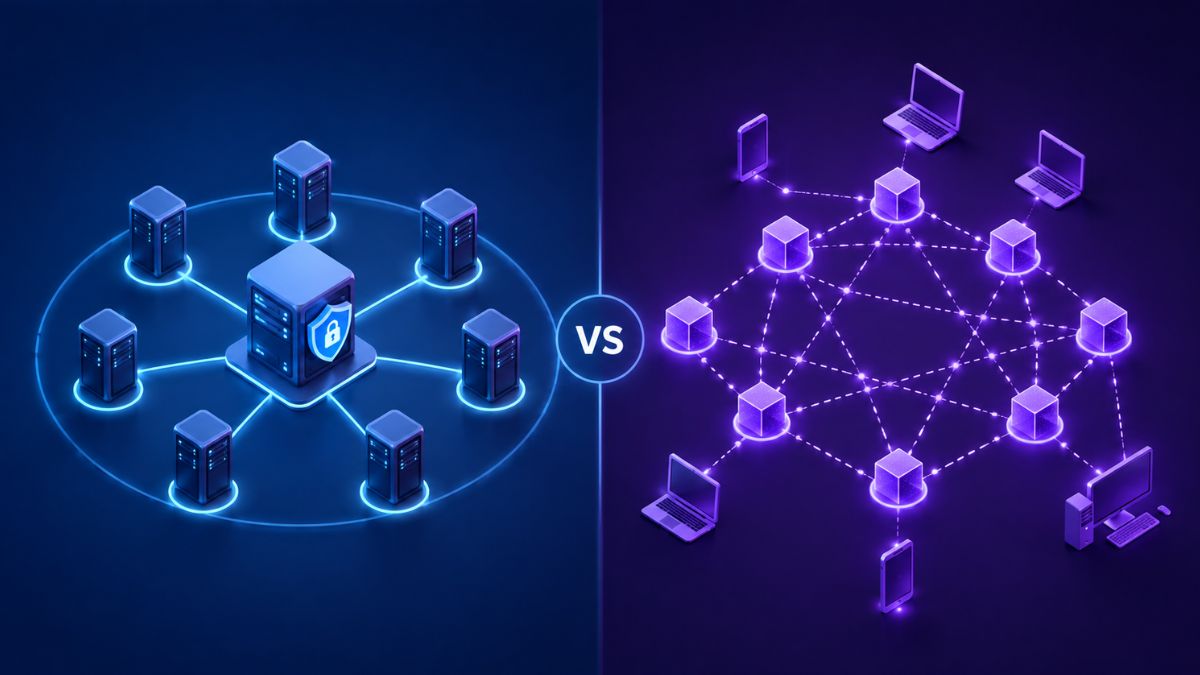
Public blockchains are open networks that allow anyone with an internet connection to participate. Users can freely join the network, run nodes, verify transactions, or contribute to network activities such as mining without requiring approval from a central authority.
Private blockchains are closed networks where only authorized participants can access and participate. Node permissions are controlled by an organization or selected authority, making them more suitable for enterprise environments that require greater control and security.
Transparency and privacy
Public blockchains provide full transaction transparency, allowing anyone to view recorded transactions that cannot be modified. However, while transaction data is visible, user identities remain protected through pseudonymous cryptographic addresses rather than personal information.
Private blockchains use controlled transparency, where transaction data is only accessible to approved participants. This limited visibility helps protect sensitive information, making private networks suitable for industries requiring privacy and regulatory compliance.
Consensus mechanism
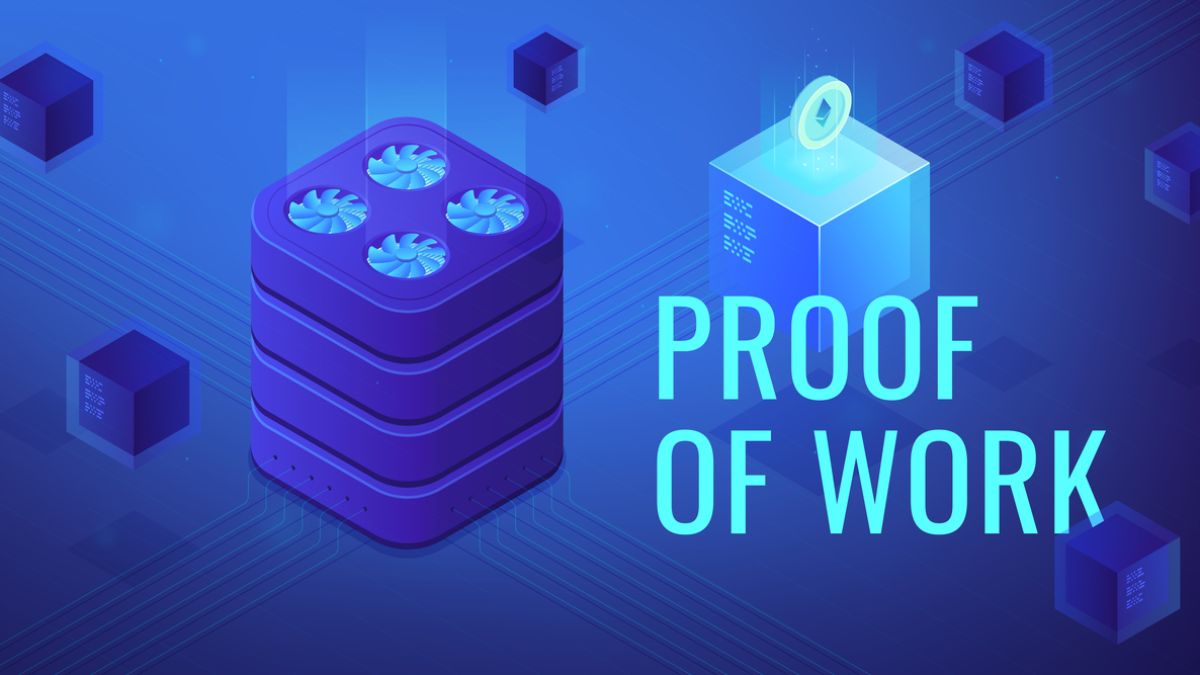
Public blockchains typically use decentralized consensus mechanisms such as Proof of Work (PoW) and Proof of Stake (PoS). While these mechanisms provide strong security, some approaches like PoW require significant computational resources and can result in higher energy consumption.
Private blockchains have greater flexibility in selecting consensus mechanisms, including Proof of Authority (PoA) and Delegated Proof of Stake (DPoS). Since validation is handled by fewer trusted participants, these networks can achieve faster processing and improved energy efficiency.
Security and trust model
Public blockchains operate under a trustless security model, relying on cryptography and decentralized consensus rather than trusted entities. Security is maintained through a large network of independent participants, making attacks more difficult but requiring broader coordination.
Private blockchains use a trusted security model where access is limited to known participants. Although they sacrifice some decentralization, controlled participation reduces the attack surface and lowers risks such as unauthorized access or Sybil attacks.
Scalability
Public blockchains like Bitcoin and Ethereum often face scalability challenges because transactions must be validated through global consensus mechanisms. The requirement for widespread verification can reduce transaction speed and limit throughput compared with traditional systems.
For example, Bitcoin processes around 7 transactions per second (TPS), while Ethereum processes approximately 15–30 TPS, which is significantly lower than many traditional payment systems.
Private blockchains generally provide higher scalability because they operate with fewer nodes and controlled participants. Faster consensus allows them to process more transactions efficiently, making them suitable for high-volume enterprise applications such as financial services.

Best Use Cases of Public vs Private Blockchain
Public blockchains are commonly used for decentralized applications and open financial systems:
- Cryptocurrencies: Public blockchains such as Bitcoin and Ethereum enable decentralized cryptocurrencies by allowing peer-to-peer transactions without relying on a central authority. Users can transfer and verify digital assets through a transparent and distributed network.
- Decentralized Applications (dApps): Public blockchains provide open and secure environments for building decentralized applications. For example, Ethereum’s smart contracts support various dApps across areas such as DeFi, gaming, and digital ownership.
- Public Auditing and Transparency: Public blockchains enable transparent record-keeping for data-sensitive industries such as supply chains and healthcare. Organizations can use blockchain records to verify transactions, track products, and improve data integrity while maintaining trust.

In contrast, private blockchains are designed for enterprise solutions requiring privacy and controlled access:
- Enterprise solutions: Private blockchains are widely used by organizations in industries such as finance, healthcare, and supply chain management. They provide controlled environments to improve transaction efficiency, secure sensitive data, and streamline business processes.
- Regulatory compliance: Private blockchains help businesses meet regulatory requirements by providing permission-based access and enhanced data protection. This makes them suitable for industries that need confidentiality while complying with standards such as data privacy regulations.
- Internal data management: Large organizations use private blockchains to manage internal data, automate workflows, and improve information sharing between authorized parties. Their controlled structure enables faster and more efficient internal transactions without exposing data publicly.
Public vs Private Blockchain: What to Choose?
Choosing between a public and private blockchain depends on your organization’s goals, technical requirements, and business priorities. Key factors such as decentralization, data privacy, scalability, regulatory needs, and implementation costs should be evaluated before selecting the right blockchain model.
Consider security, scalability, and control requirements
Public blockchain is suitable for applications that require decentralization and transparency. It allows open participation but may face scalability limitations and higher transaction costs during periods of network congestion.
Private blockchain is more suitable for organizations that need control over data, faster transaction processing, and improved scalability. Its restricted access model provides greater control over sensitive information and network operations.
Evaluate industry regulations and privacy needs
Regulatory requirements, such as data protection regulations like GDPR and industry-specific compliance standards, should be considered when selecting a blockchain model.
Private blockchain is often preferred for industries with strict privacy and compliance requirements because it allows organizations to control access to sensitive data while maintaining confidentiality.
Compare implementation and maintenance costs
Public blockchain generally has lower initial implementation costs because organizations can use existing blockchain networks. However, transaction fees may increase due to network congestion and high demand.
Private blockchain requires higher upfront investment for infrastructure and maintenance but can provide better scalability and control, making it more suitable for high-volume or enterprise-level applications.
Hybrid Blockchain as an Alternative

A hybrid blockchain combines elements of both public and private blockchains, offering a balance between transparency and control. Hybrid blockchain enables businesses to share data securely while maintaining confidentiality. For example, supply chain networks can use hybrid blockchains to provide transparent tracking information while protecting proprietary business data from public access.
Governments can also apply hybrid blockchain models for record management, such as land ownership systems. Public information, like transaction records, can remain visible, while private details, such as owner information, are only accessible to authorized parties.
Benefits of hybrid blockchain
Hybrid blockchain provides customizable transparency based on the network’s design, allowing organizations to choose which information is public and which remains private. This flexibility can improve scalability and efficiency while maintaining a balance between transparency, privacy, and performance.
Limitations of hybrid blockchain
Despite combining advantages of public and private blockchains, hybrid blockchain introduces greater complexity in governance and management. Organizations may face challenges in balancing trust, privacy, and decentralization when designing and operating hybrid networks.
FAQs
What are the 4 types of blockchain?
The four main types of blockchain are public blockchain, private blockchain, hybrid blockchain, and consortium blockchain. Public blockchains are open to everyone, private blockchains restrict access to authorized participants, hybrid blockchains combine public and private features, and consortium blockchains are managed by a group of organizations.
What are the advantages of private blockchain?
Private blockchains provide greater control, privacy, and scalability compared with public networks. They allow organizations to manage participant access, protect sensitive data, process transactions faster, and meet specific business or regulatory requirements.
Is Bitcoin a public or private blockchain?
Bitcoin is a public blockchain because anyone can join the network, run a node, verify transactions, and participate in maintaining the network. It operates without a central authority and relies on a decentralized consensus mechanism to secure transactions.
Who controls a public blockchain?
A public blockchain is not controlled by a single organization or authority. Instead, it is maintained by a distributed network of participants, including nodes, validators, or miners, who collectively verify transactions and maintain the blockchain.
Who uses private blockchain?
Private blockchains are mainly used by organizations and enterprises that require controlled access, privacy, and efficient data management. Industries such as finance, healthcare, supply chain, and government sectors use private blockchains to manage sensitive information and streamline internal processes.
Final Thoughts
The choice between private vs public blockchain plays an important role in determining the performance, security, and scalability of a blockchain solution. While public blockchain enables transparency and decentralized participation, private blockchain delivers greater control and privacy for organizations managing sensitive data.
As an experienced blockchain technology partner, Newwave Solutions helps businesses identify suitable blockchain models and develop scalable solutions based on their needs. From blockchain consulting to Web3 application development like dApp and crypto wallets, our team supports businesses in building effective blockchain ecosystems.
Contact Newwave Solutions today to explore the right blockchain approach for your business.
To Quang Duy is the CEO of Newwave Solutions, a leading Vietnamese software company. He is recognized as a standout technology consultant. Connect with him on LinkedIn and Twitter.



Read More Guides

Get stories in your inbox twice a month.
Let’s Build Something Extraordinary
Sign up for a 30 min no-obligation strategic session with us. Transform your Ideas into scalable reality.
Leave a Reply