


Software Development
Building a Cross-Chain Cryptocurrency Wallet for Secure Self-Custodial Asset Management
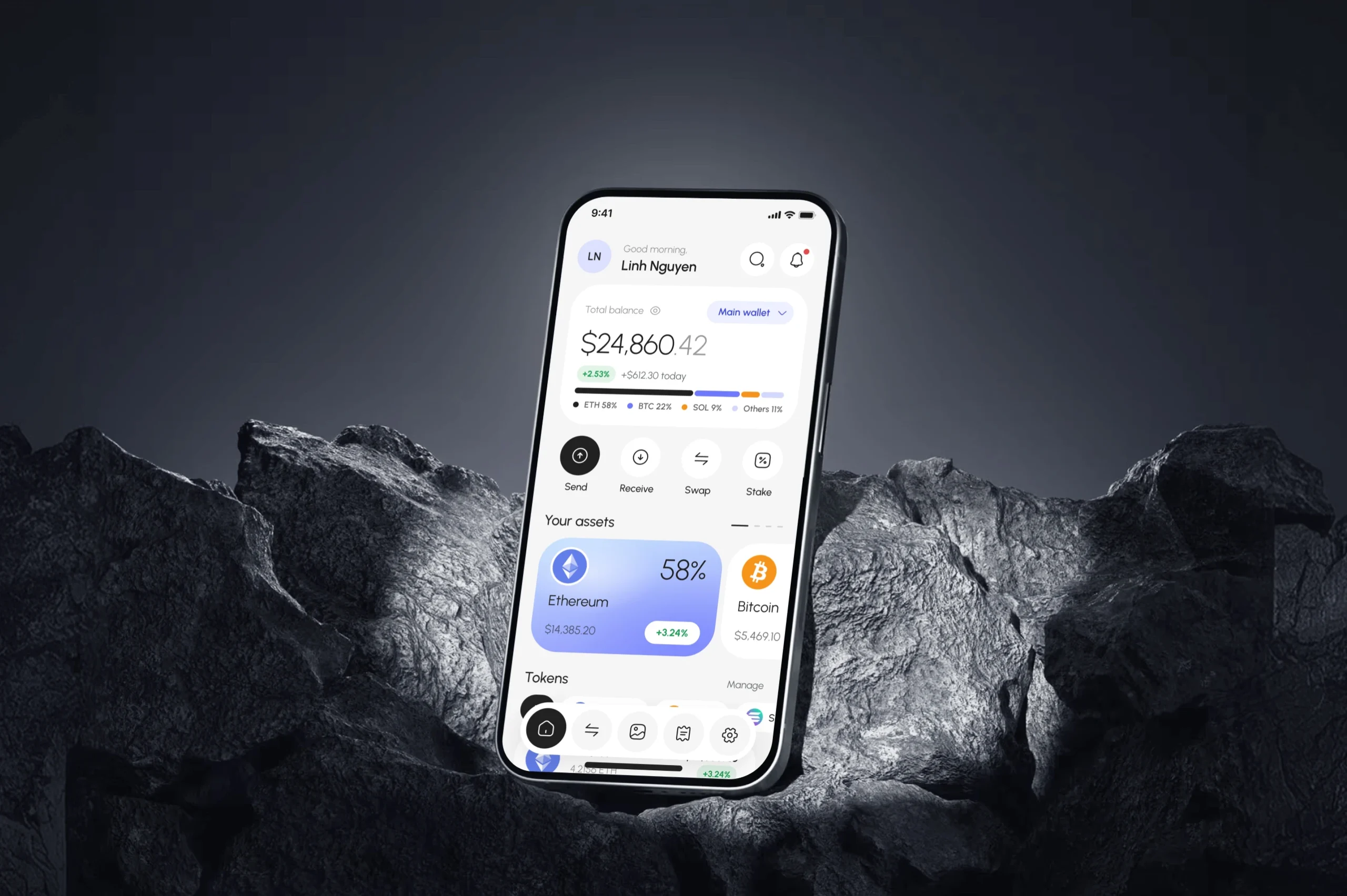
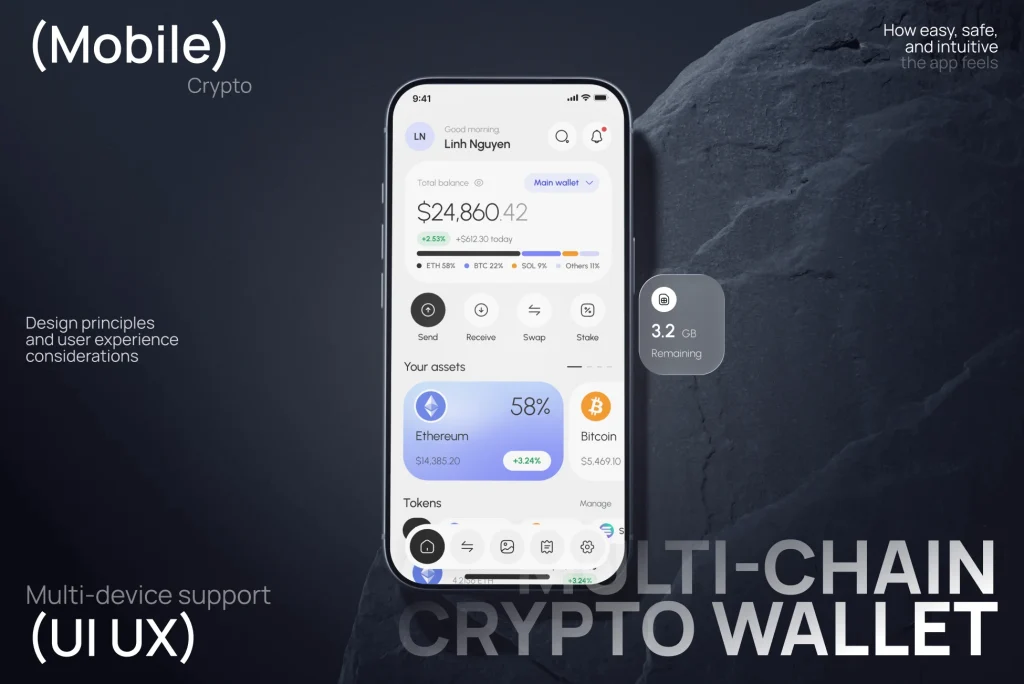
Many digital asset users manage tokens, NFTs, swaps and staking across separate tools and workflows. This fragmentation creates friction for users and slows adoption for finance businesses. Therefore, the client wanted to simplify that experience with a single self-custodial wallet where users could manage assets, perform swaps, stake tokens and interact with NFTs across multiple networks. Newwave Solutions built a multi chain cryptocurrency wallet across mobile and browser platforms, turning a technically complex requirement into a more unified and accessible digital finance experience.
- Service
- Software Development
- Team size
- 50 members
- Platform
- Web & Mobile (Android / iOS)
- Type
- Blockchain
Business Background
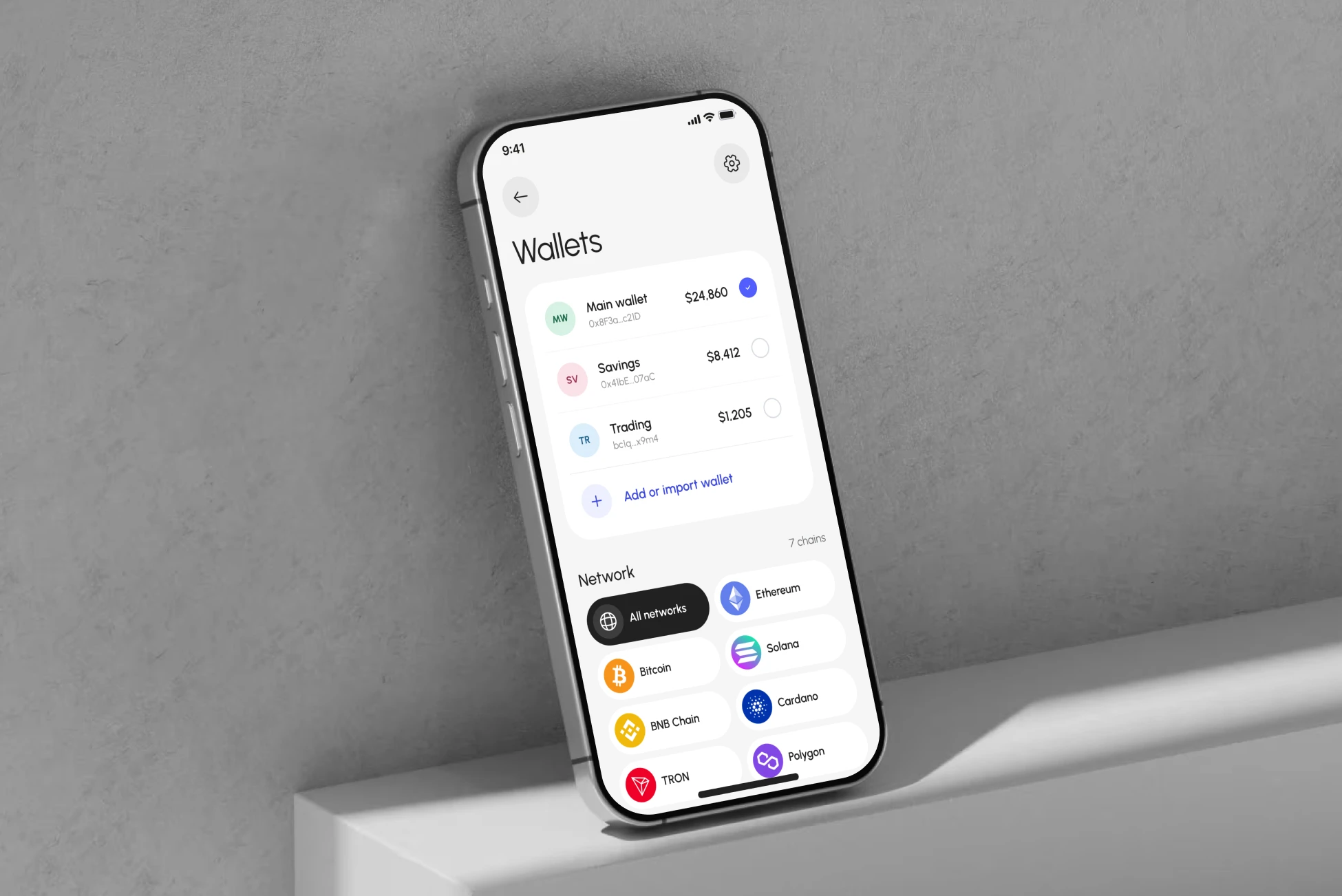
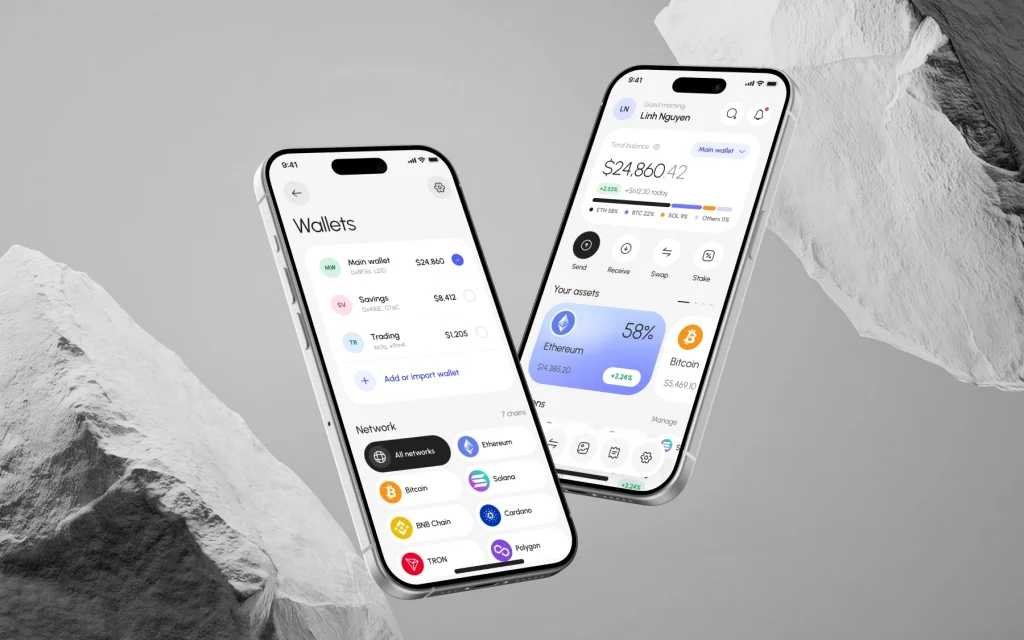
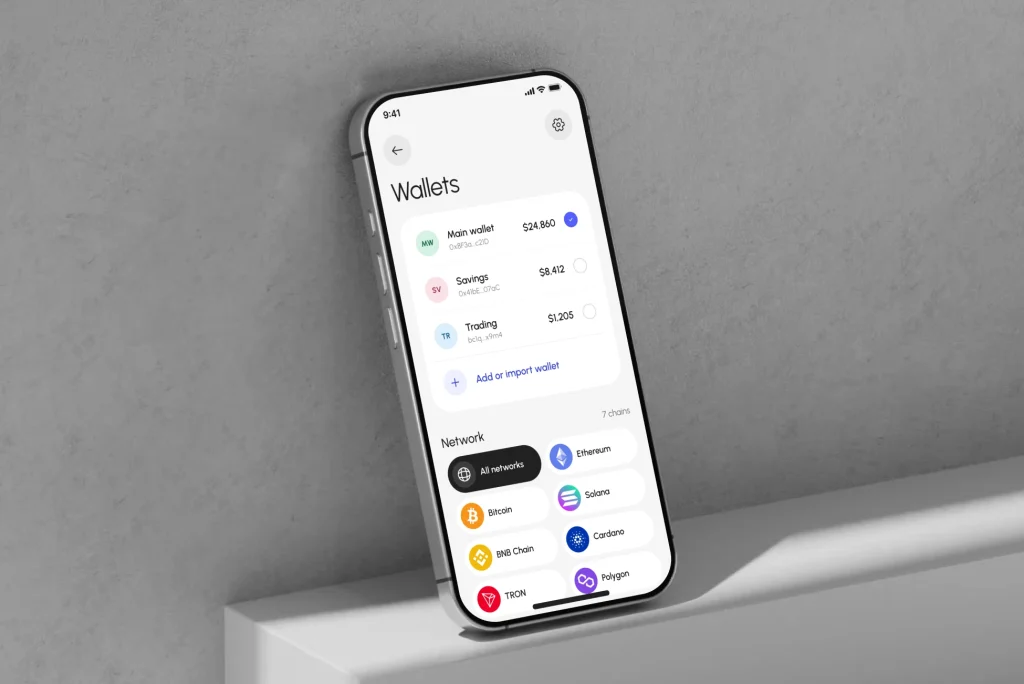
The client operated in the finance sector in Japan and needed a digital wallet app for users managing assets across TON, Ethereum, BNB Chain, Polygon, Bitcoin, Cardano, TRON and other blockchain ecosystems.
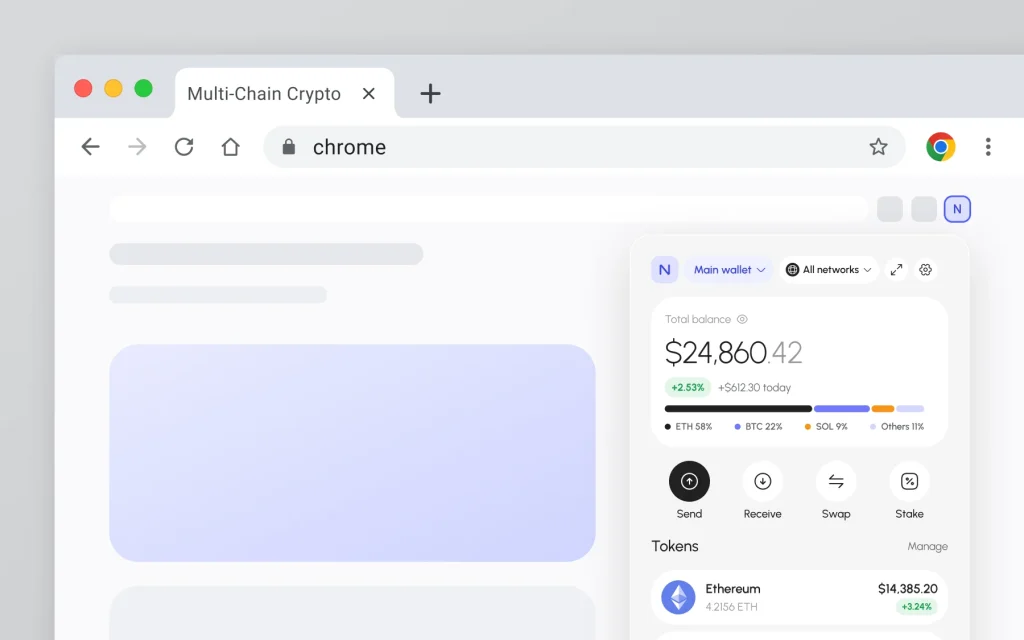
The product had to work across mobile and browser extension environments while allowing users to store, track, swap, stake and manage digital assets without relying on separate wallet tools for each network.
Business Stakes
The core challenge was not only technical. It was about trust, usability and long term product adoption.
In digital finance, users expect control over their assets. At the same time, they do not want every transaction to feel like a technical puzzle. If the wallet experience was too fragmented, too slow or too difficult to understand, users could leave before the product had a chance to prove its value.
Fragmented multi chain experience
Users could be forced to move between different tools to manage assets across networks, reducing product stickiness.
Complex network integrations
Each blockchain network had different transaction behaviors, asset standards and integration requirements, increasing delivery and maintenance complexity.
Security expectations around self custody
Weak private key handling or unclear ownership flows could reduce user trust in the wallet.
Performance and cross chain transaction speed
Inconsistent performance between mobile and browser extension, along with slow token swaps or delayed transaction updates, could affect adoption and long term usage.
Cross chain transaction speed
Slow token swaps or delayed transaction updates could make the wallet feel unreliable in real time digital asset use cases.
How We Approach
Newwave Solutions approached the project as a product architecture challenge.
The goal was to make several blockchain ecosystems feel like one connected digital finance experience. Instead of treating each network as a separate integration layer, the team designed the wallet around standardized connectivity, modular product flows and consistent interaction logic. This allowed users to move through asset storage, swaps, staking and NFT management without needing to understand what was happening behind each blockchain protocol.
The implementation strategy focused on three directions:
1. Unify asset management
Bring coins, tokens and NFTs from different networks into one self-custodial wallet experience.
2. Abstract network complexity
Standardize connectivity so users could interact with multiple chains without dealing with protocol-level complexity.
3. Maintain cross-platform consistency
Ensure the wallet worked reliably across iOS, Android and Chrome extension environments.
With this approach in place, the technical work had a clear purpose: to reduce fragmentation for users while giving the client a wallet foundation that could grow with future digital asset services.
Engineering Decisions
The technology choices were shaped around the same priorities defined in the approach: cross-platform performance, multi-chain connectivity and secure asset ownership.
Beyond the core stack, the team optimized transaction handling through caching and job queues. This helped the wallet respond more reliably during real-time asset activity, especially when users interacted with swaps, transaction updates and NFT-related data.
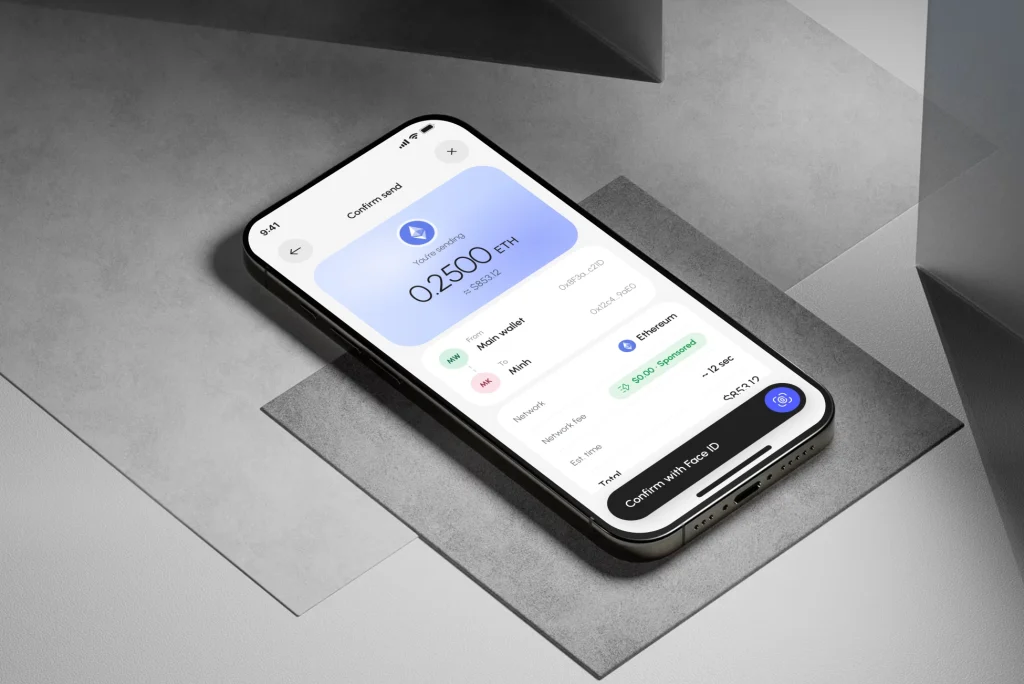
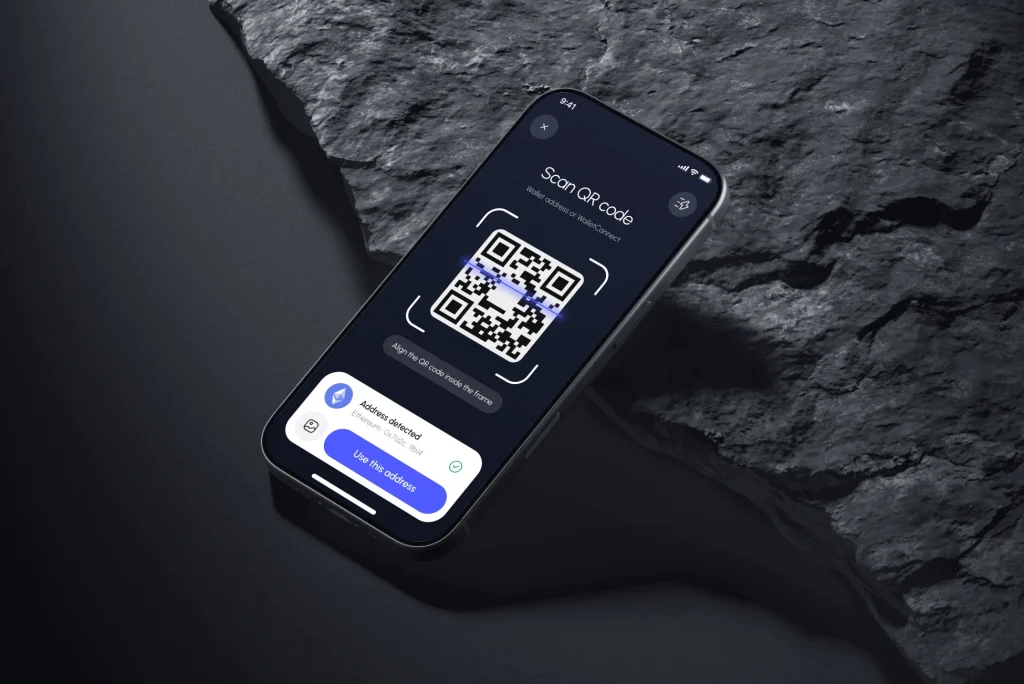
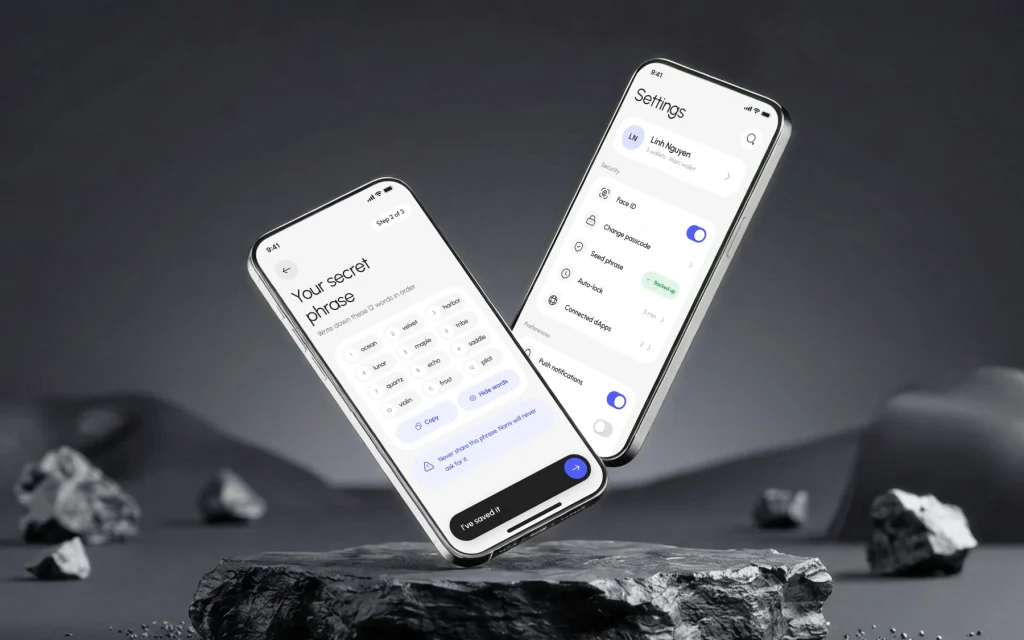
Security was also treated as a core product requirement, not an add on. The wallet was designed around self-custodial asset management, encryption measures and private key protection, helping users retain ownership while interacting with multiple networks from one interface.
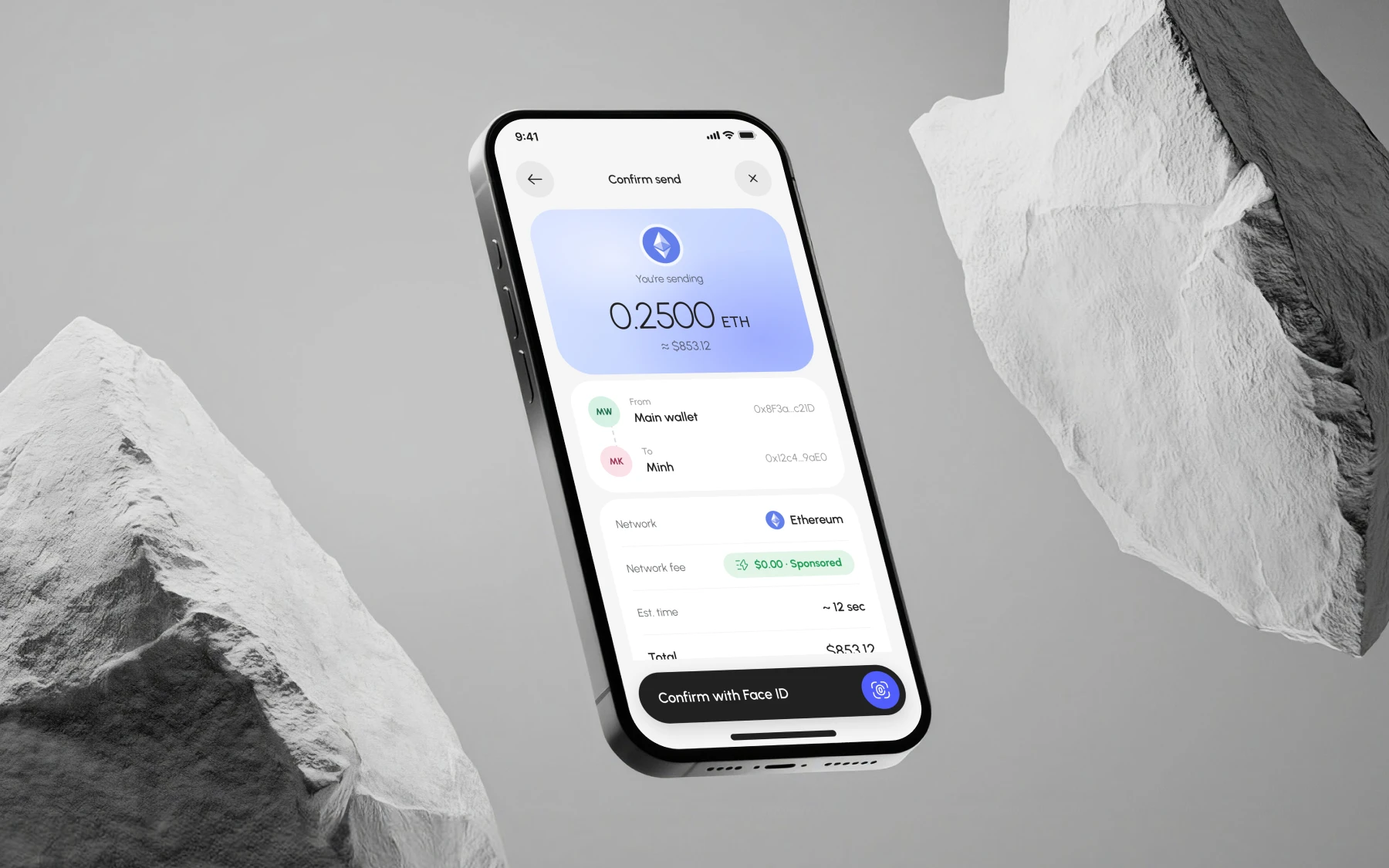
To support the wallet’s no-fee transaction experience, the platform also incorporated an advertising-supported model that helped offset transaction costs while reducing friction for end users.
With these architectural decisions in place, the wallet could support both everyday asset management and more advanced Web3 interactions.


Team Structure and Communication
Because the product touched many layers at once, delivery required close coordination between product design, network integration, backend processing and platform-specific development.
Newwave Solutions worked as an end-to-end delivery partner across requirement analysis, system design, UI/UX design, frontend and backend development, wallet engineering, testing, deployment and cloud setup. A team of 50 specialists collaborated in an ongoing engagement from January 2024 to present, ensuring product, engineering and network integration efforts stayed aligned.
Beyond the initial launch, Newwave continued supporting maintenance and feature expansion activities, helping the client evolve the wallet while maintaining performance, security and user experience standards.
Our Key Roles
System Design
UI/UX & Prototyping
Frontend Development
Backend Development
Blockchain Development
Project Outcomes
-
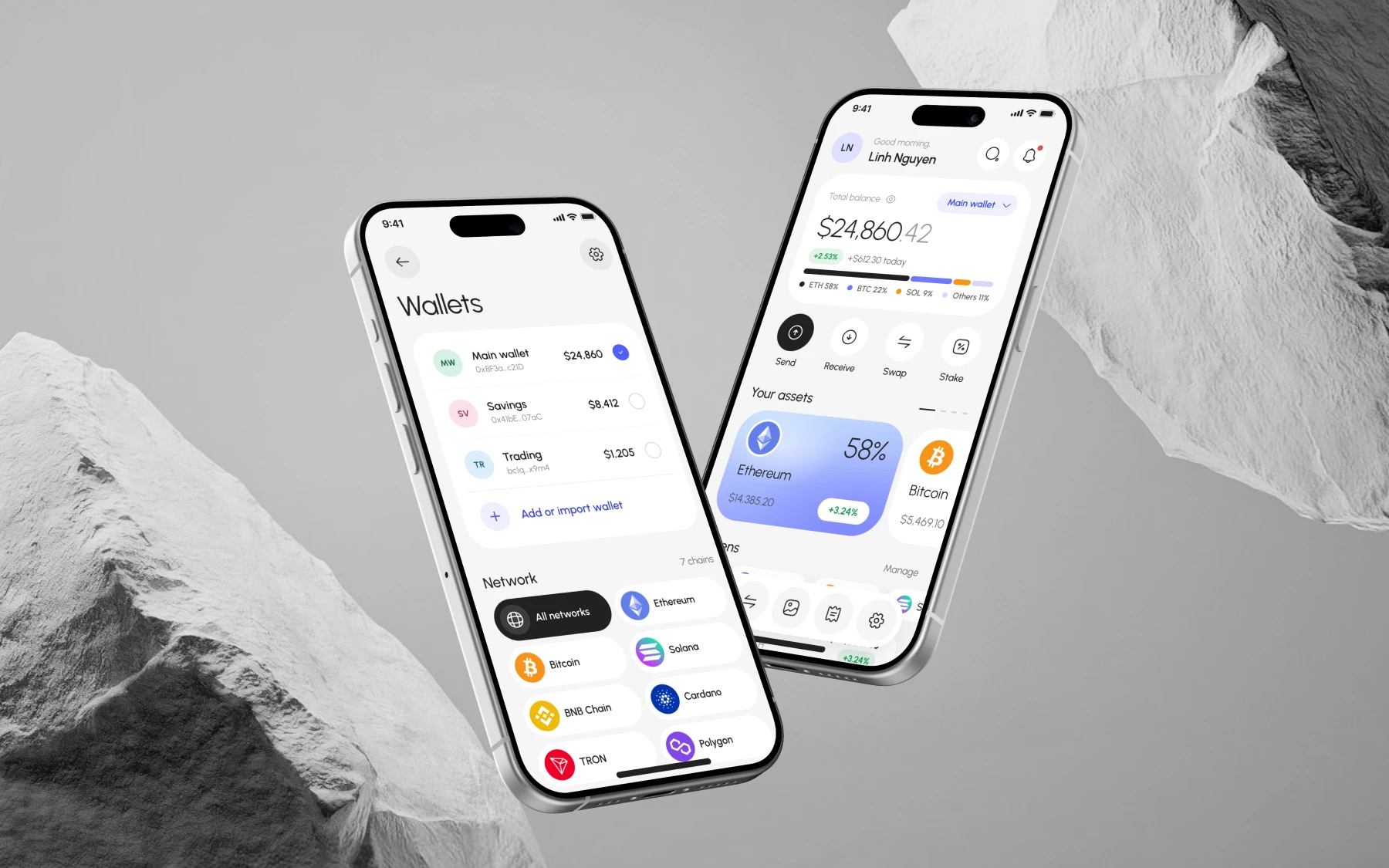
Unified digital asset management
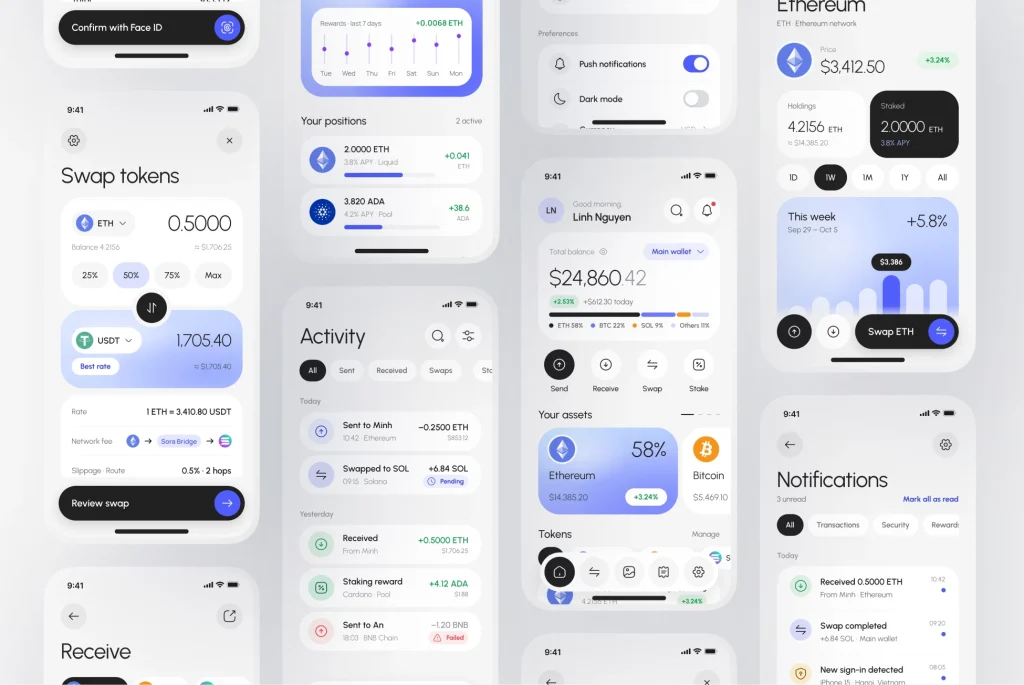
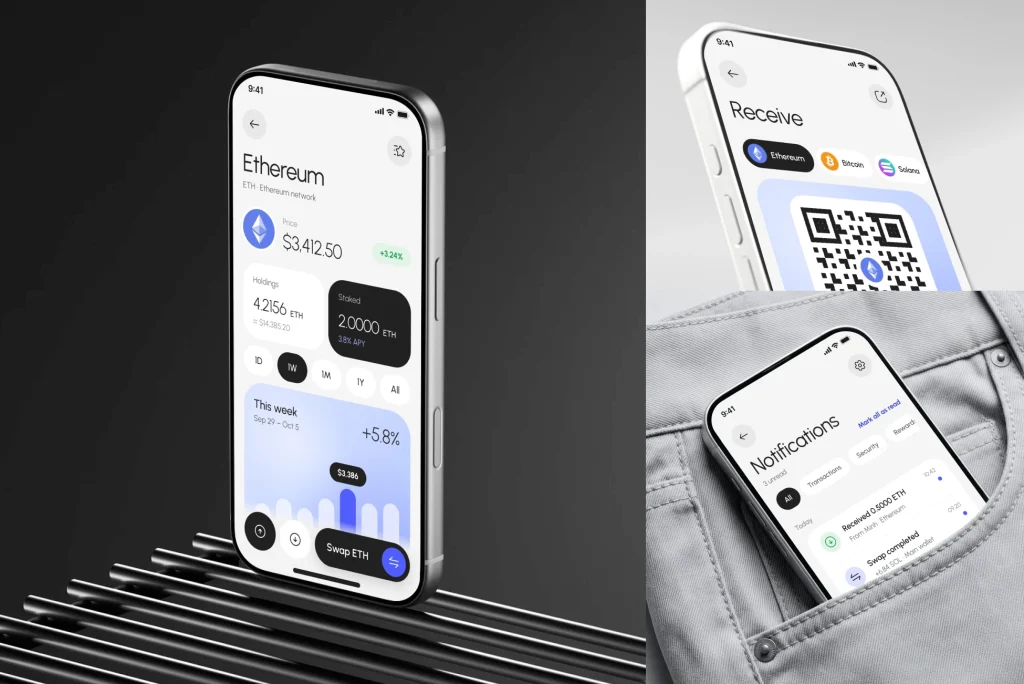
Users could manage coins, tokens and G3 NFTs across TON, Ethereum, BNB Chain, Polygon, Bitcoin and other supported networks in one app.
-
Cross-chain interaction support
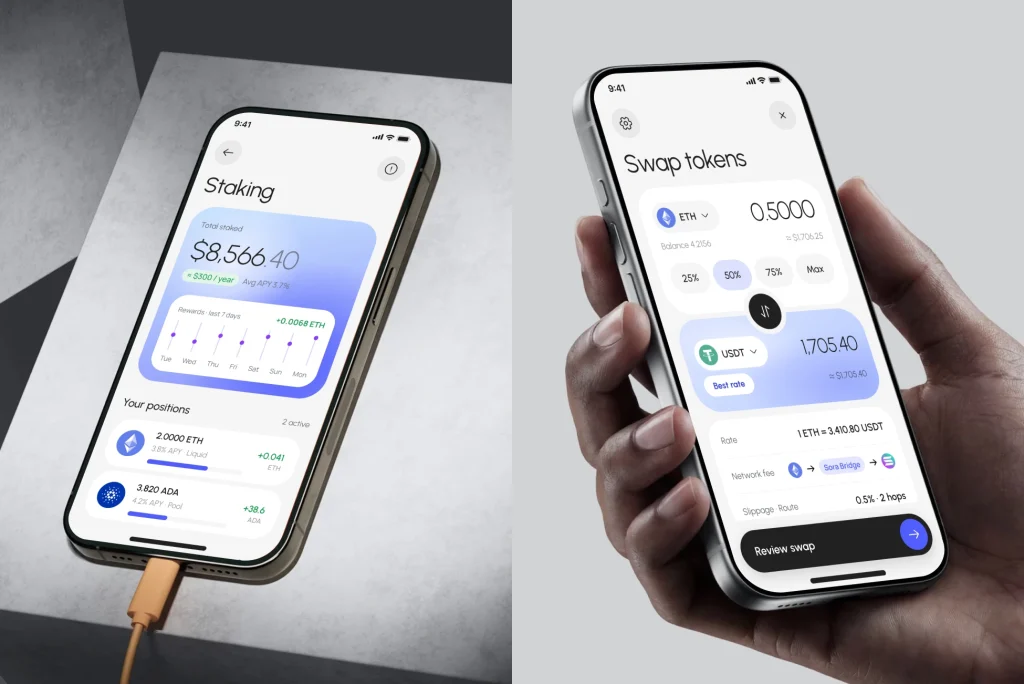
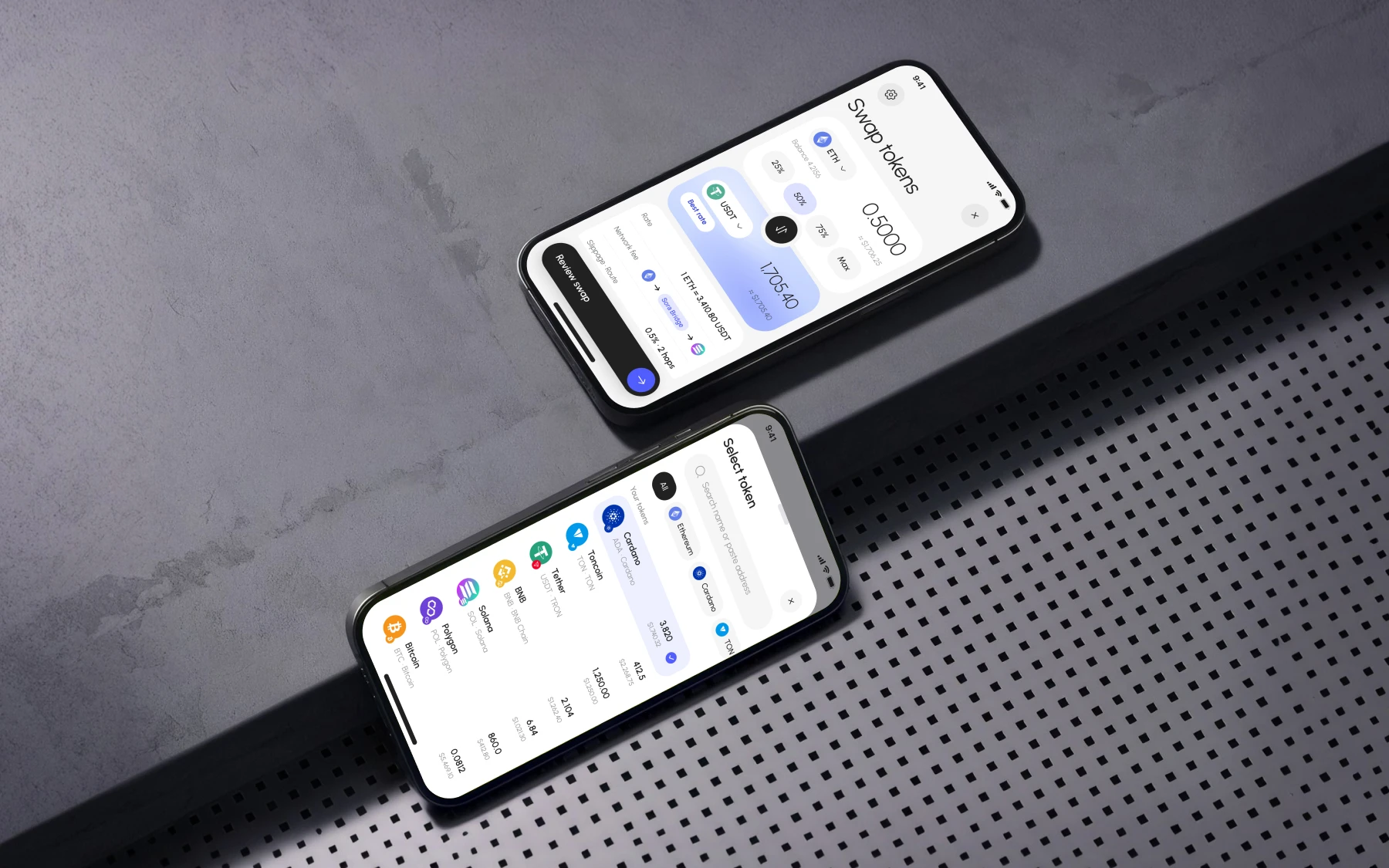
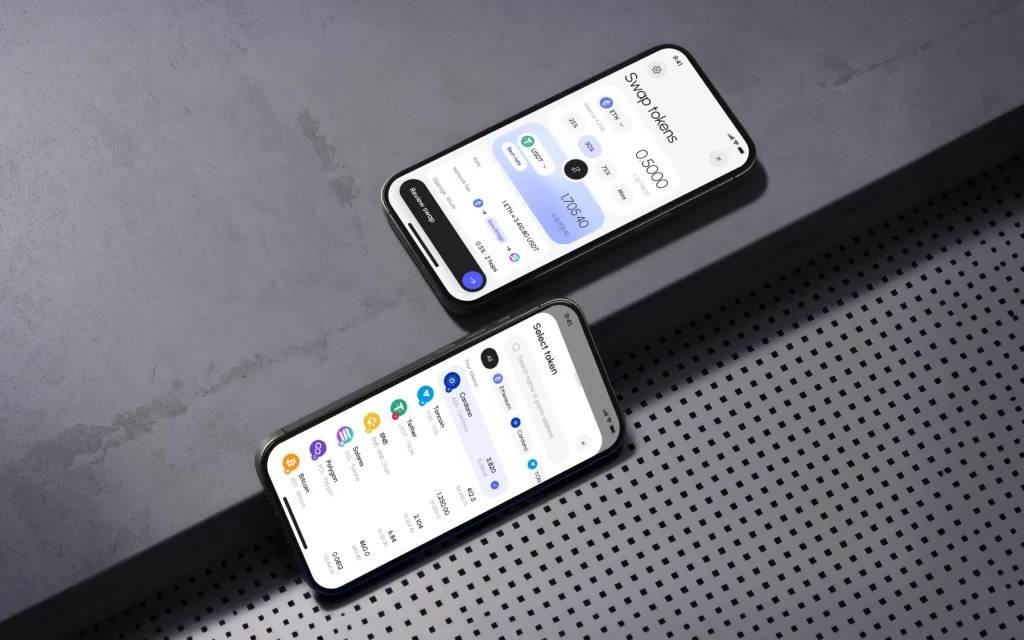
The wallet enabled low-latency token swaps and broader decentralized access through integrations such as Cardano Web3 services.
-
Staking and earning features
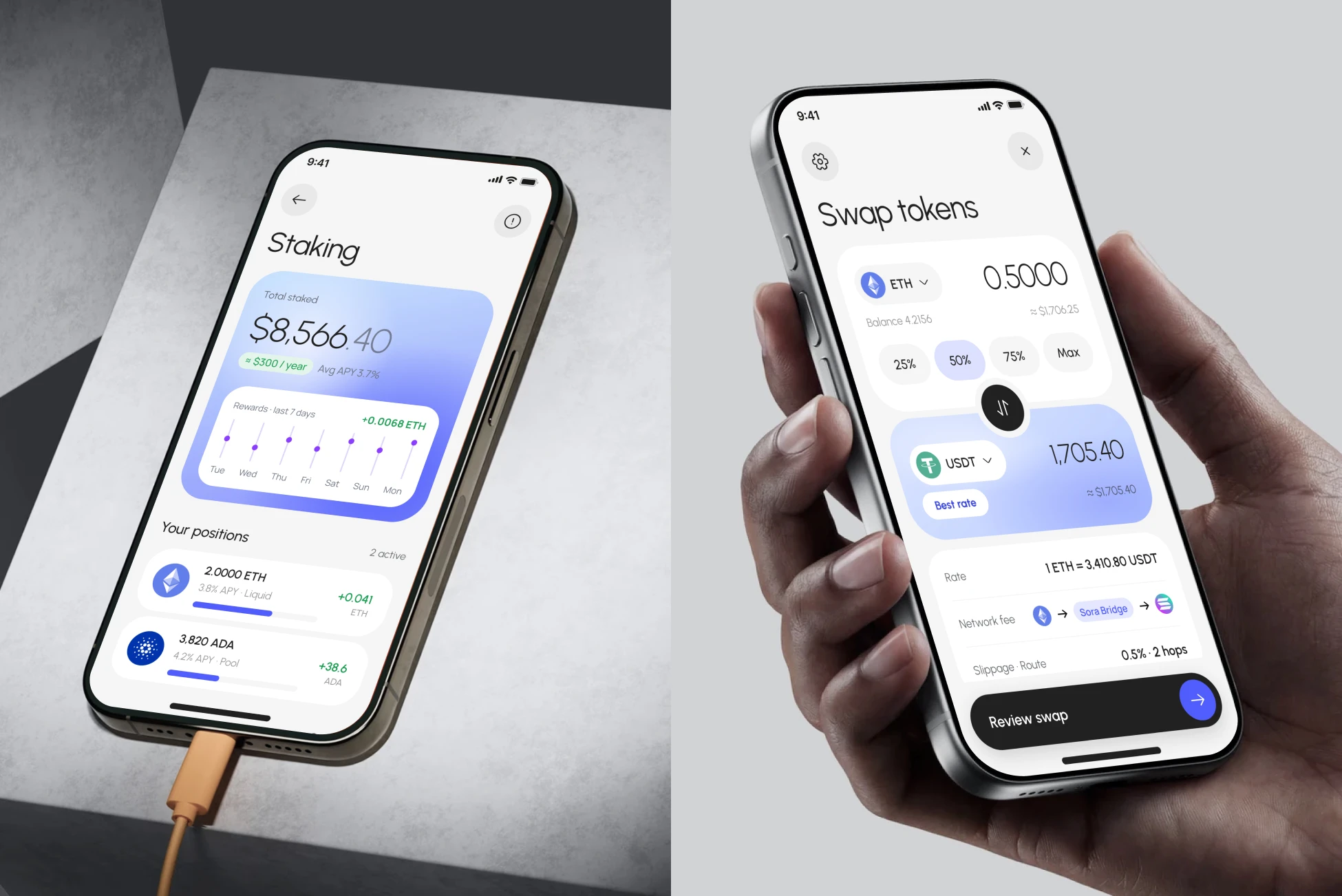
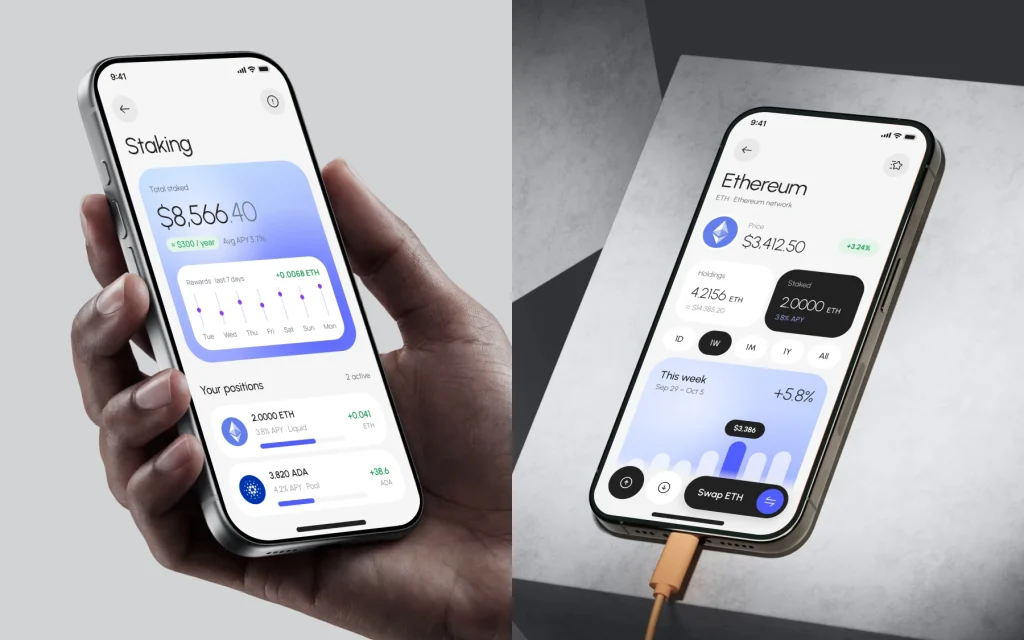
Users could stake supported assets such as Cardano, ETH and CENNZ without leaving the wallet environment.
-
Multi-platform availability
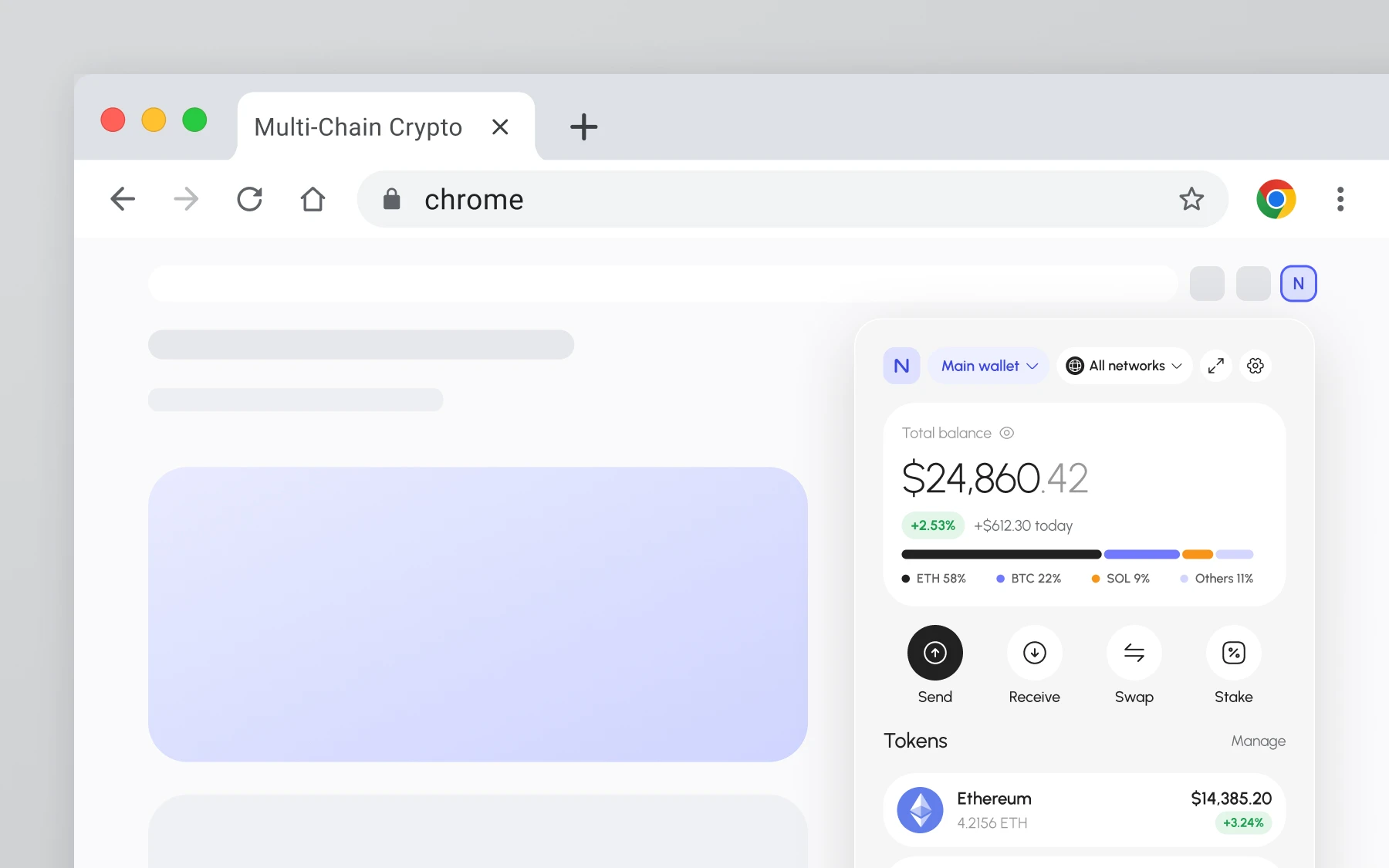
The wallet was available across iOS, Android and Chrome extension, supporting consistent usage across devices.
-
Self-custodial security
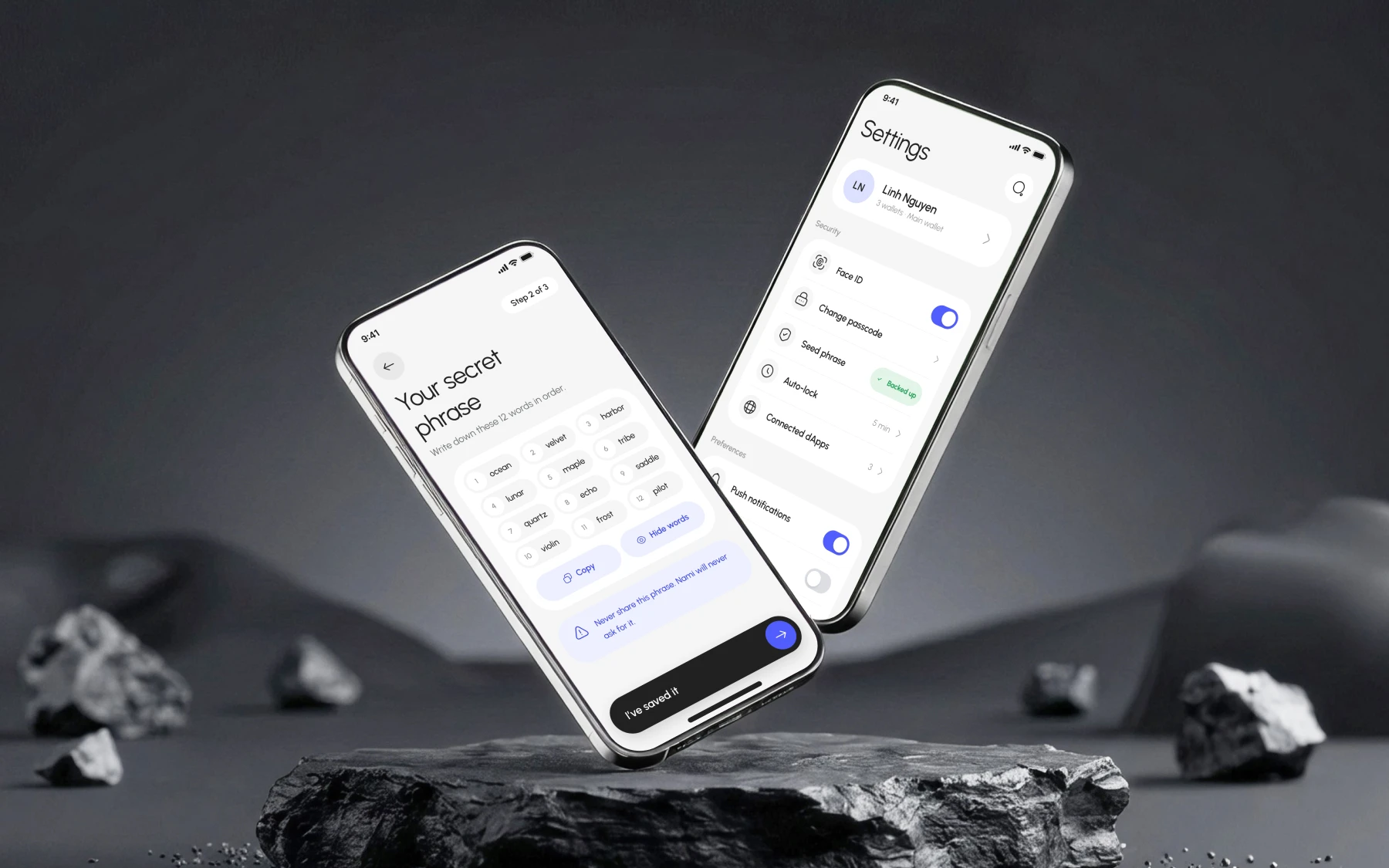
The product used self-custodial logic and encryption measures to strengthen user control over digital assets.
-
No-fee transaction experience
Users could perform supported transactions without paying fees directly, reducing friction in everyday wallet usage.
-
Optimized asset and transaction handling
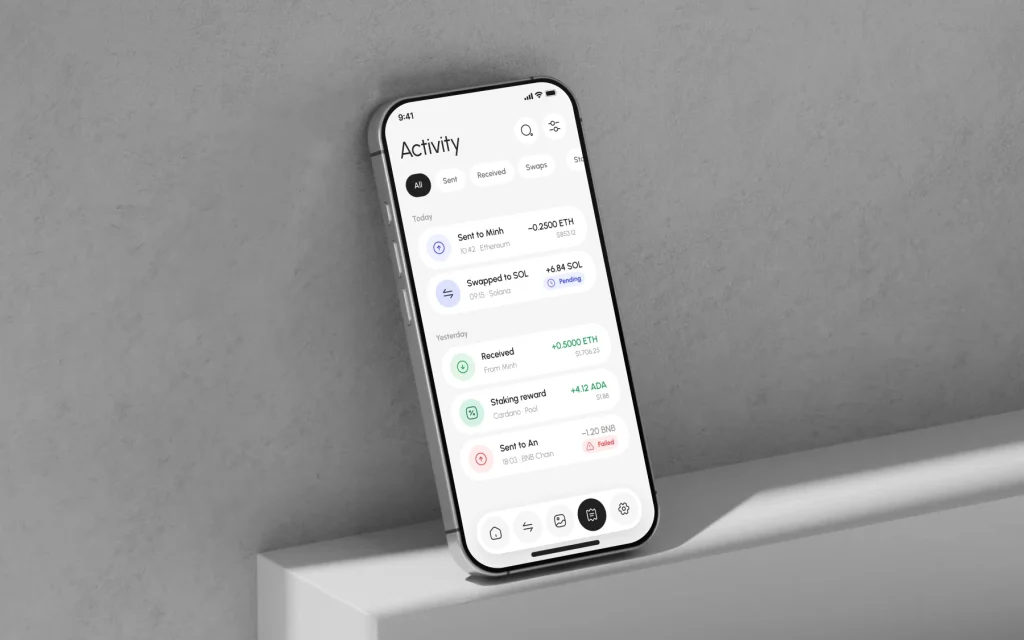
Caching, job queues, WebSocket updates and IPFS optimization improved the reliability of real-time wallet activity.
Value Delivered
The project helped the client turn a technically complex wallet requirement into a more usable digital finance product experience.
- User Value
Instead of asking users to manage different networks, assets and transaction flows through separate tools, the wallet gave them one environment for asset storage, swaps, staking, NFT management and cross-platform access. This made the product easier to understand, easier to use and more practical for everyday digital asset activities.
- Business Value
For the business, the value came from reducing friction at the points where digital asset users often hesitate. A simpler user experience, convenient swap functionality and a no-fee transaction model helped improve accessibility and support user adoption. A self-custodial architecture reinforces trust in asset ownership, while cross-platform availability expanded access across different user behaviors and devices.
- Operational Value
The modular technical foundation gave the client more room to expand future digital asset services without rebuilding the product experience from scratch. The advertising-supported transaction model helped create a sustainable approach to offering no-fee transactions, while ongoing maintenance and feature expansion support ensured the platform remained ready for future growth.
In a market where adoption depends on trust and usability, the wallet helped the client move closer to a product experience that felt less like infrastructure and more like a practical digital asset access point.
Related Case Studies

Let’s Build Something Extraordinary
Sign up for a 30 min no-obligation strategic session with us. Transform your Ideas into scalable reality.