


Building a Secure Web3 Gaming Ecosystem with Connected NFT Economy
Blockchain/ NFT Gaming · Global Market · Web3 Gaming Platform · 20 Members · 2 years
The client needed to build a complete NFT gaming ecosystem that connected gameplay, NFTs, token rewards, staking, and marketplace activities without increasing transaction cost, security risk, or operational complexity. Newwave Solutions designed a hybrid architecture that moved most game logic to the backend to reduce gas fees, synchronized on-chain and off-chain data, and monitored controls to strengthen asset security and operational stability. After deployment, the system operated with no reported security issues, while the monitoring system helped the team detect incidents early and support players when service disruptions occurred.
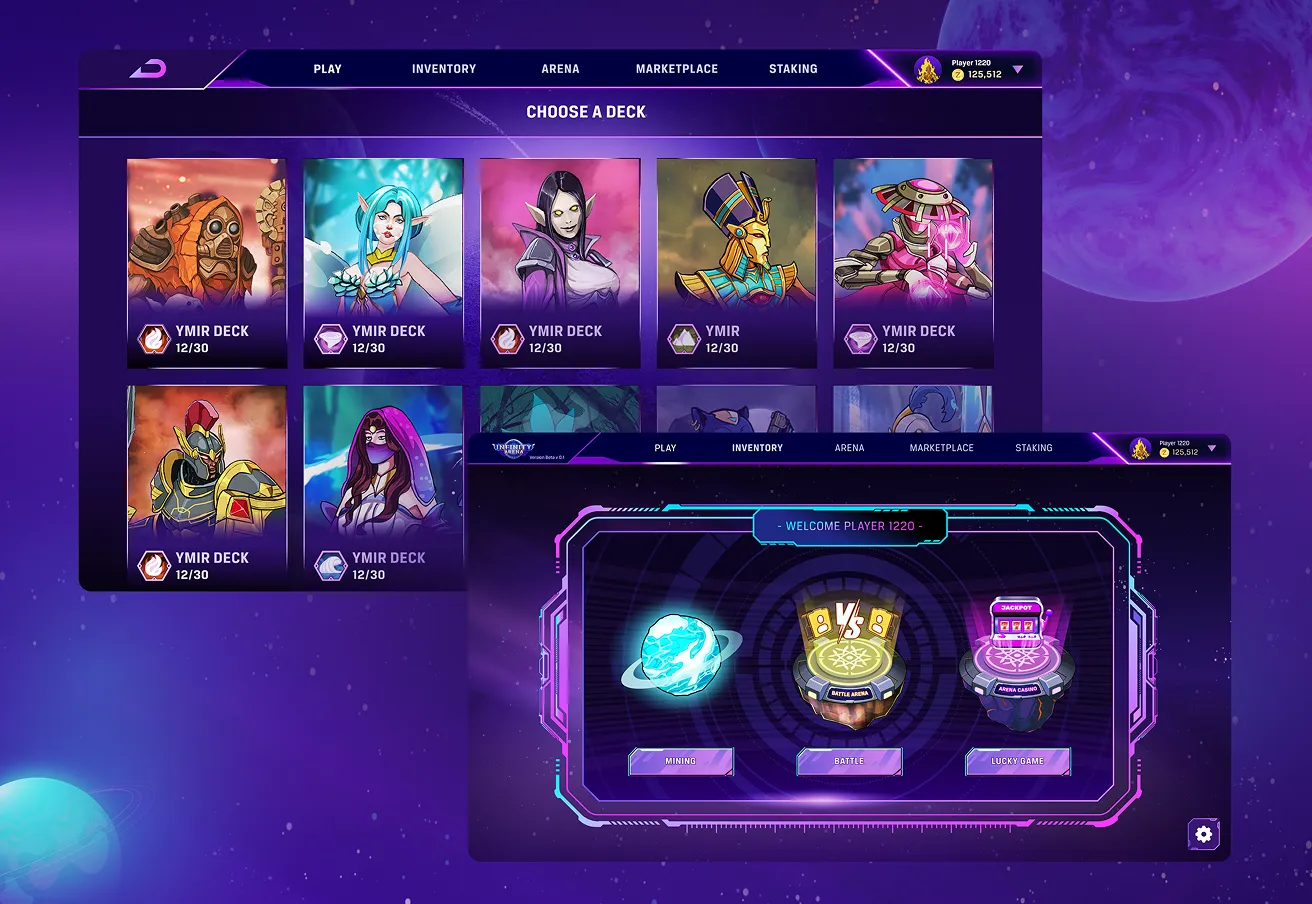
Our Client Challenges
Our client is a gaming and blockchain venture focused on building Web3 entertainment experiences.
Instead of developing a standalone NFT game, they aimed to create a multi-module game economy where gameplay, NFT ownership, mining, battles, staking, marketplace activities, lotteries, and token rewards could operate as one connected ecosystem. To bring this vision to market, the client needed a technology partner capable of designing and delivering a secure, scalable, and production-ready platform where game logic, blockchain transactions, digital assets, and operating infrastructure could work as one closed loop environment.

Industry
NFT Gaming

Platform
Web3 Gaming Platform

Duration
2 Years

Team size
20
Their Business Stakes
Because the client was building a Web3 game economy from concept to market, the business challenge went beyond product development. The platform needed to attract players, build community trust, support fundraising, and create enough in-game activity for the economy to become commercially viable after launch.
The client was turning a Web3 game economy concept into a real product. If the platform failed to launch convincingly, it could slow user acquisition, weaken investor confidence, and make it harder to prove market demand.
After development, the client still needed the product to perform in the market. If launch visibility, user acquisition, and ecosystem partnerships were weak, the platform could fail to gain momentum even if the technical product was completed.
This Web3 Gaming Ecosystem also required fundraising, community building, and blockchain marketing. Without the right support, the client could struggle to build visibility, attract ecosystem partners, and gain early community trust.
In this Web3 Gaming economy, failure does not only mean losing users. Token exploits, wallet issues, or NFT ownership errors could affect player assets, damage platform credibility, and reduce confidence in the entire economy.
Our Solutions
Newwave Solutions approached the project with game economy as the core design principle, rather than treating it as a standalone NFT game. The solution strategy focused on creating a closed loop economy where gameplay, mining, battles, staking, marketplace activities, lotteries, NFTs, and token rewards worked together to sustain player engagement, asset circulation, and in platform economic activity.
To balance user experience, transaction cost, and blockchain reliability, Newwave Solutions designed a hybrid architecture that moved most real-time game logic outside the blockchain layer, while blockchain secured asset ownership and token-based activities. Kafka was used to support synchronization between on-chain and off-chain data, helping keep rewards, ownership, and transactions consistent across the ecosystem. The team also applied Lazy Minting to reduce unnecessary smart contract operation costs and built behavior monitoring mechanisms to detect abnormal player activity early. This helped the platform reduce gas fee pressure, protect the integrity of the game economy, and support smoother operations without compromising trust in digital assets.
Technical Decisions
The strongest technical value of this project came from how the technologies were combined to support a hybrid on-chain and off-chain architecture. Instead of processing every game action directly on blockchain, the system balanced backend handled game logic, blockchain-based asset ownership, event synchronization, and scalable infrastructure to reduce gas costs while maintaining reliability.
Hybrid On-Chain and Off-Chain Architecture
Game logic was handled mainly on the backend to reduce gas fees, while blockchain was used for NFT-related activities. This allowed gameplay to run smoothly while still ensuring that user assets and transaction data remained secure.

Blockchain Node Processing and Event Listener
A dedicated node and event listener were built to read new blocks, transactions, and smart contract events from the blockchain. This helped reduce the risk of missing blockchain events, duplicate processing, or delayed updates that could affect rewards, NFT ownership, and transaction status.

Real-Time Queue System
Kafka ensured data consistency across microservices and game logic layers.

Kafka
After blockchain events were captured by the listener, Kafka received, stored, and distributed them to backend services. This helped synchronize on-chain events with off-chain systems more reliably, reducing data mismatches across gameplay, rewards, ownership, and marketplace activity.
Risk and Behavior Monitoring
Monitoring mechanisms detected abnormal player behavior early, protecting gameplay fairness, reducing fraud risk, and maintaining trust in the platform’s economy.

Smart Contract Strategy
Lazy minting reduced gas costs, while OpenZeppelin improved contract security, reducing financial risk and increasing investor and user trust.

Kubernetes
Kubernetes supported system stability during sudden increases in player activity. This helped maintain reliable security and data controls as player activity increased.

Backend service architecture
NestJS and MongoDB structured off-chain data for gameplay. This kept asset-related data consistent, reducing the risk of reward errors, ownership disputes, and trust loss.
As a team of 20 engineers, Newwave Solutions joined the project as an end-to-end delivery partner, covering requirement analysis, UI/UX design, project management, and development for a complexblockchain gaming ecosystem. With 20 engineers involved, the team coordinated across game client, backend, smart contract, wallet, NFT/token logic, and infrastructure workstreams to keep product decisions aligned with both gameplay experience and Web3 economy requirements.
To manage this multi-layer scope, Redmine was used as the central workspace for tasks, bugs, documents, and progress updates. This helped the delivery team, blockchain specialists, and stakeholders maintain visibility across technical dependencies, resolve issues faster, and keep each module moving toward a unified platform launch.
Risk Handling
To reduce gas fees, most game logic was moved to the backend instead of processing every action directly on blockchain. This created a critical synchronization challenge between on-chain and off-chain data, where any mismatch could affect player trust. Newwave Solutions treated on-chain records as the single source of truth, followed blockchain chain-depth recommendations, and built node-based event listening with fallback mechanisms to avoid missing blockchain events.
Security was also handled as a core risk area, since smart contract vulnerabilities or unauthorized token and NFT generation could lead to major asset loss. The team used audited libraries, unit testing, external audit support, and a burn-before-mint mechanism to protect digital assets and reduce the risk of exploits.
To reduce the risk of game economy manipulation, Newwave Solutions consulted blockchain specialists when designing tokenomics and game rules. This helped strengthen reward fairness, reduce exploit opportunities, and protect the long-term integrity of the in-game economy.
Product Outcome
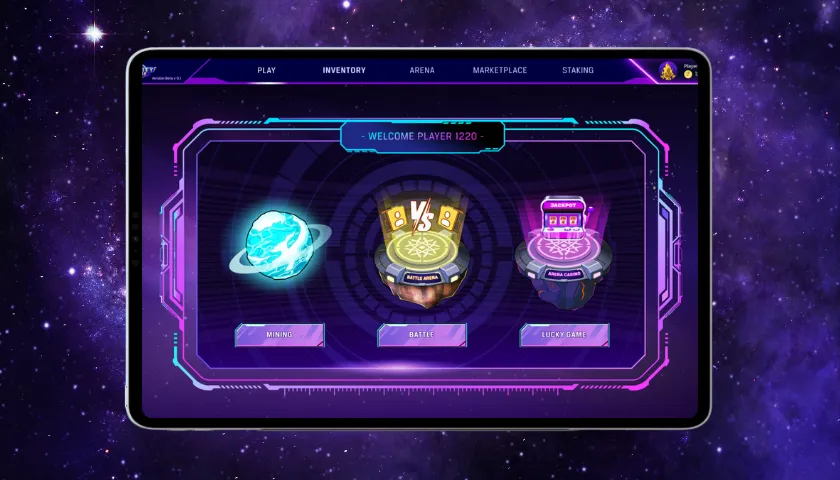
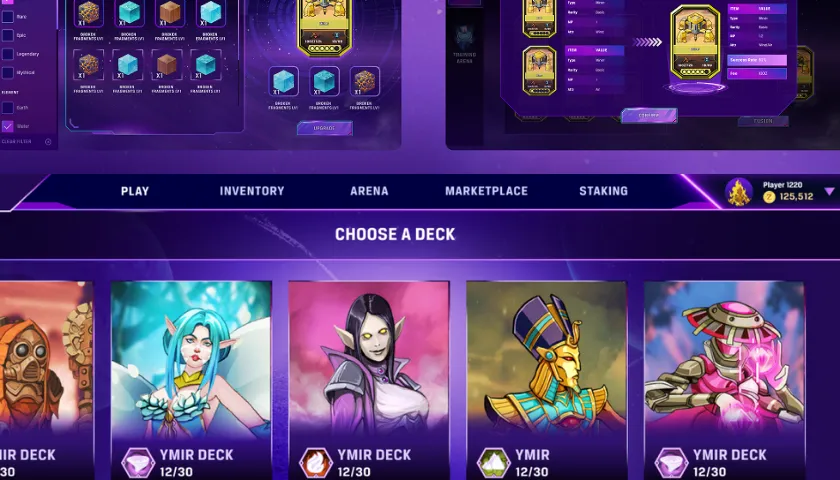
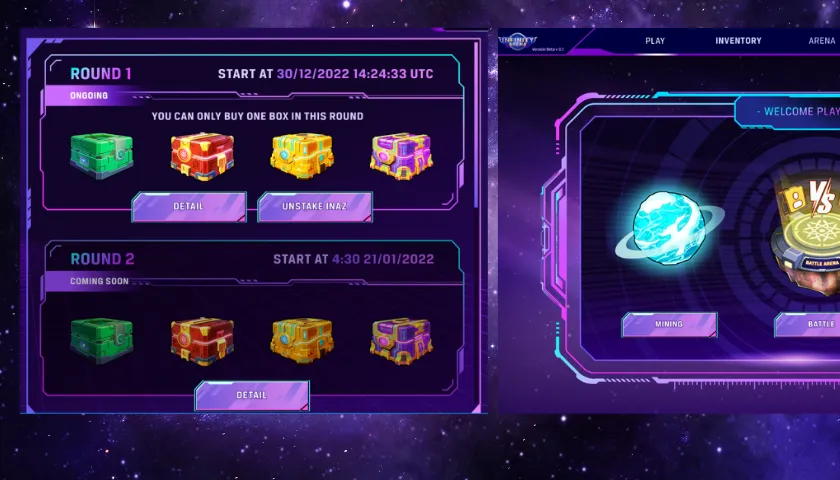
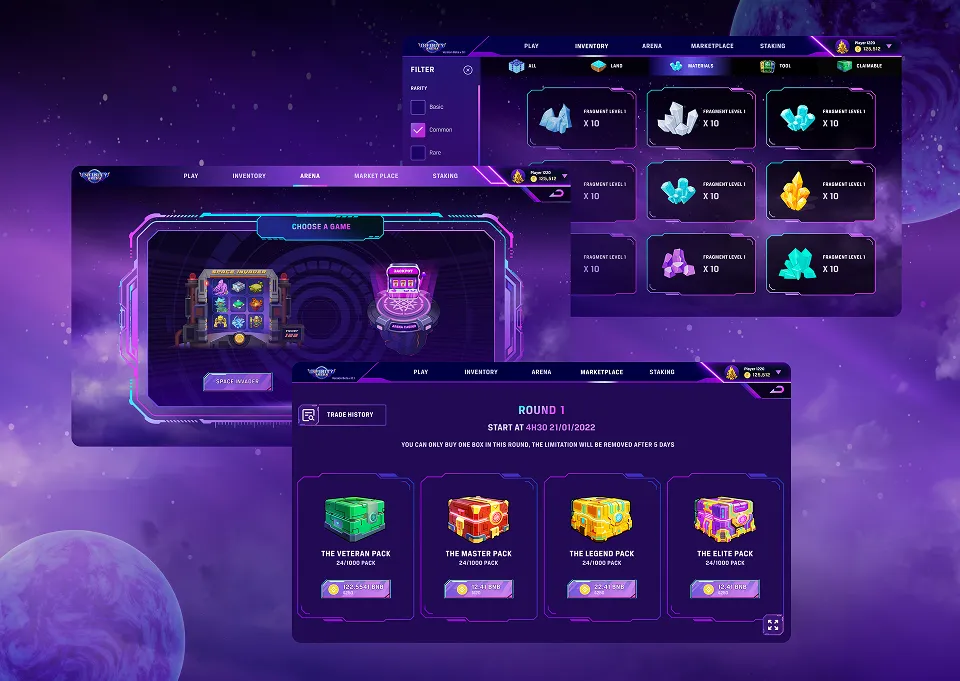
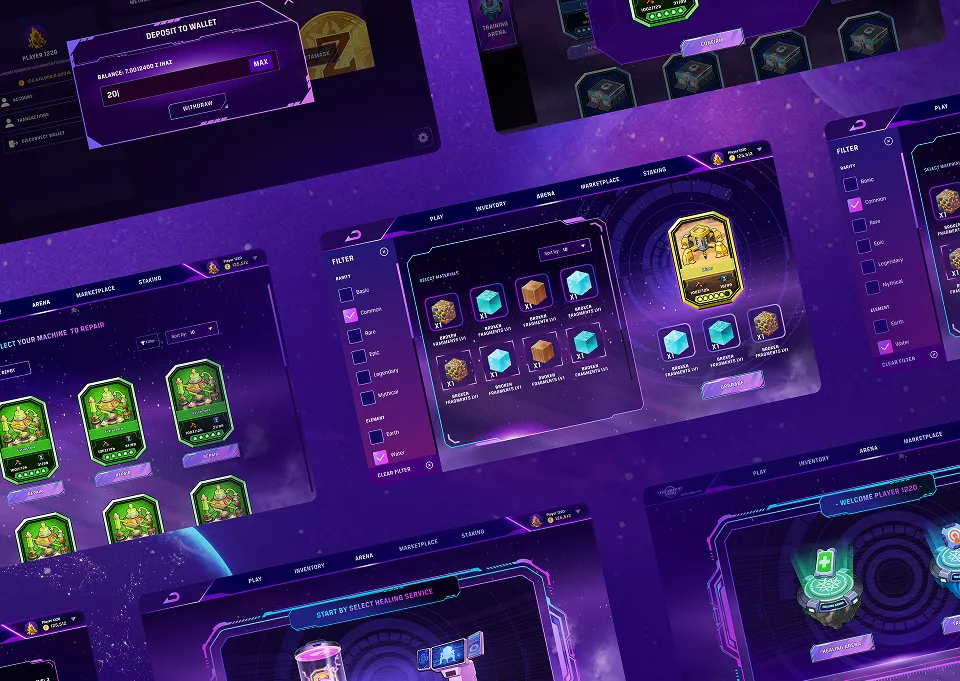
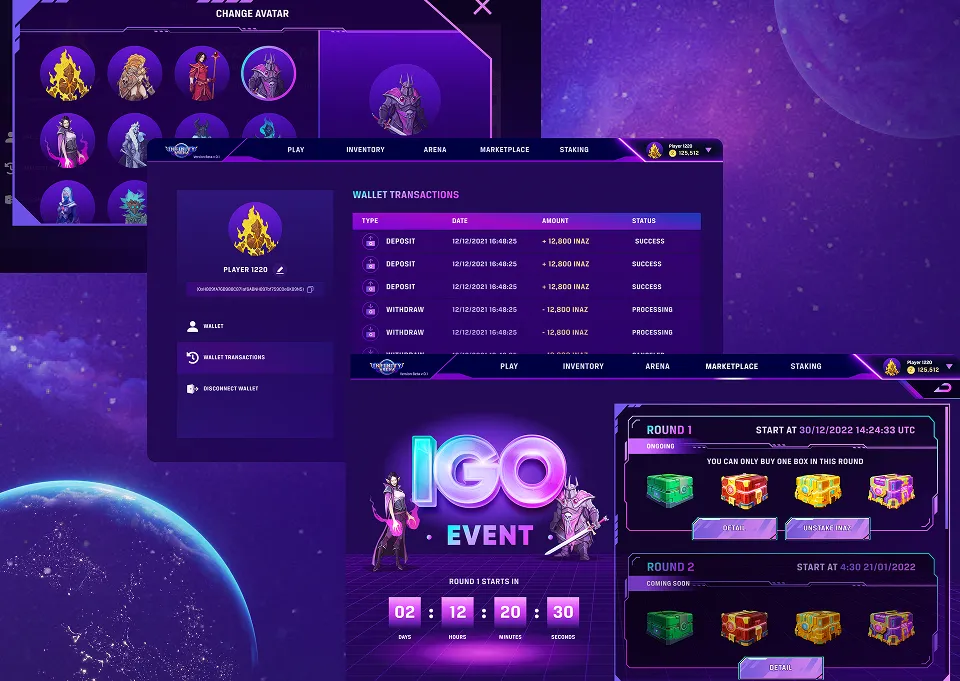
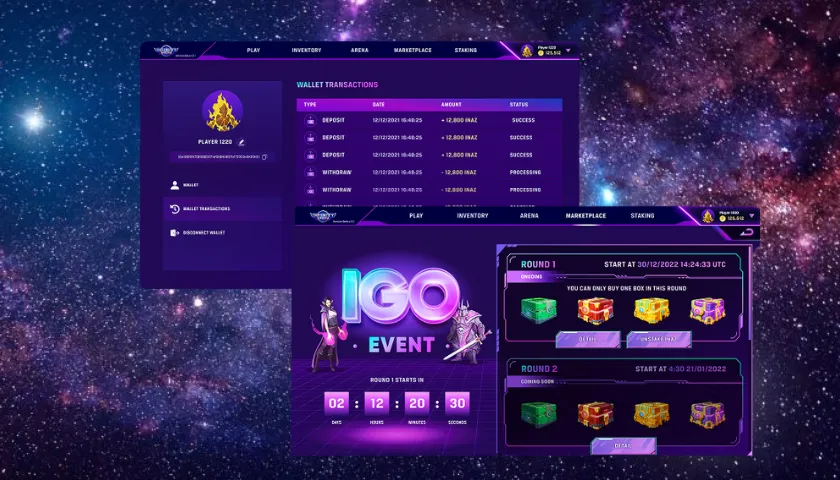
The token acted as the value layer connecting mining, staking, rewards, NFT trading, lucky arena, and marketplace activities. This helped turn separate gameplay actions into one circular economy.
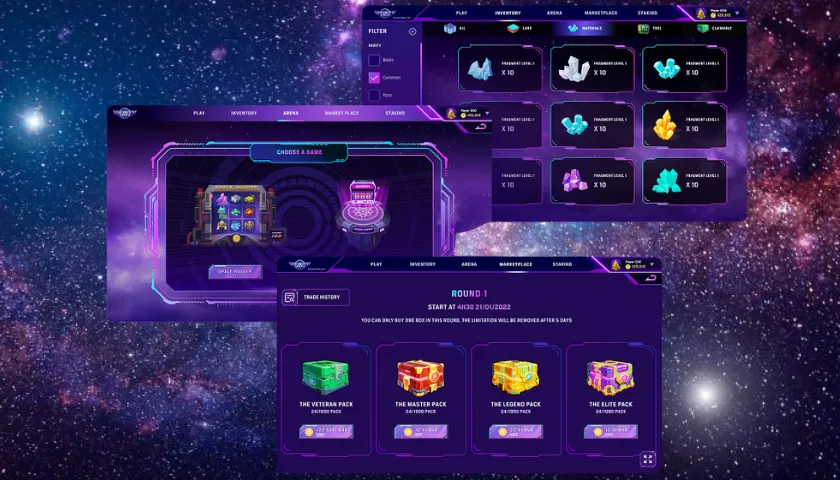
Instead of forcing players to rely on external marketplaces, the platform enabled in-game NFT trading, allowing assets to circulate within the ecosystem and increasing their practical value to players.
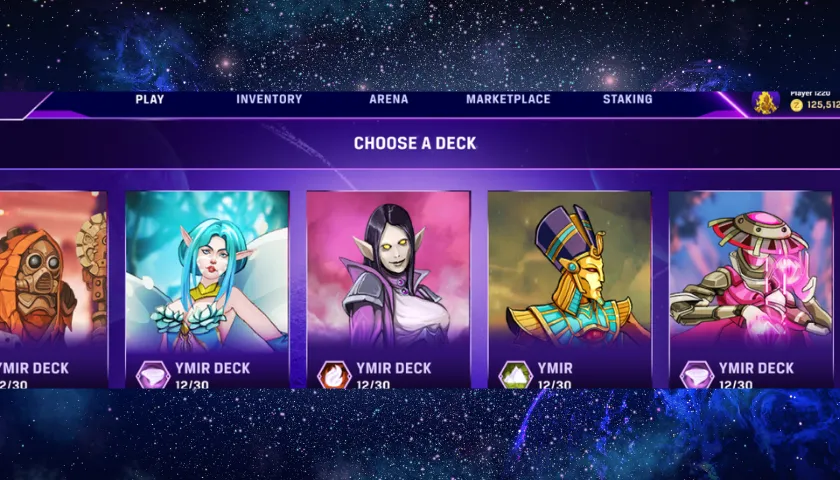
Players could use NFT assets such as Land and Machines to mine in-game tokens. This turned NFTs into productive assets within the economy, connecting ownership with earning activity and giving players a stronger reason to hold, use, and develop their digital assets.
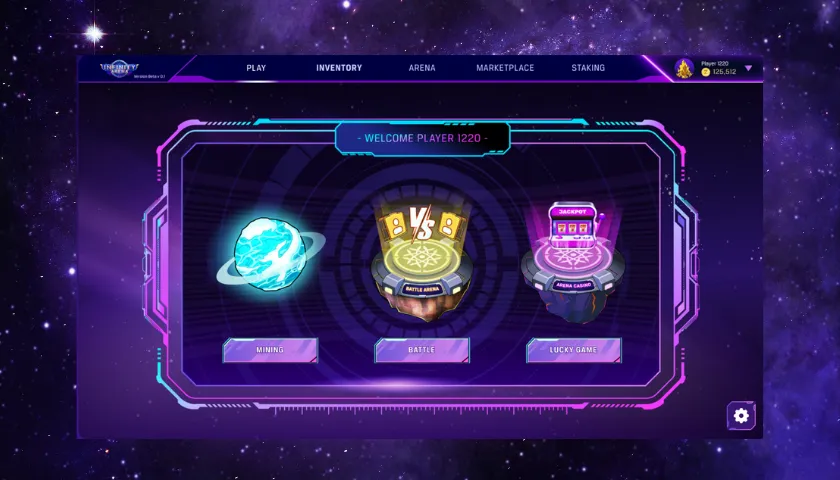
Lucky Arena introduced daily mini games where players could return regularly for a chance to earn rewards. This created a casual engagement loop that helped keep the platform active beyond core battles and mining activities.
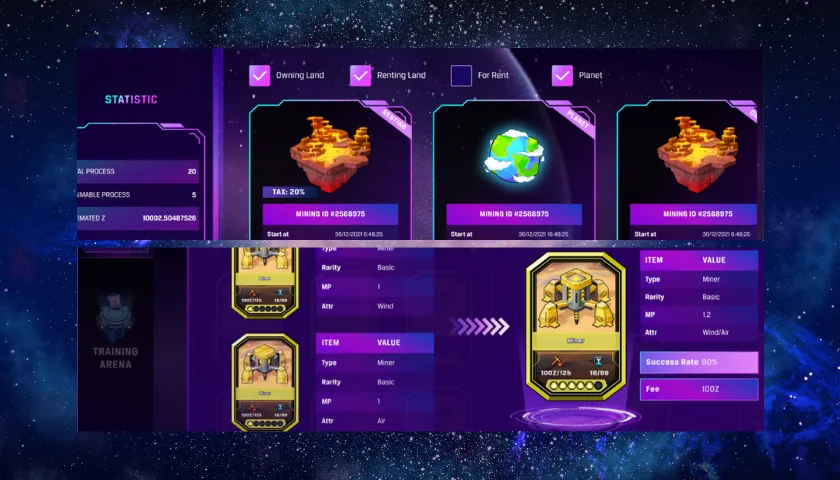
Training Arena allowed players to upgrade existing NFTs into higher-rarity and higher-value assets. This encouraged players to retain and develop their NFTs over time, strengthening asset utility within the ecosystem.
Players used NFT Guardian Cards to complete quests and compete with other players for rewards. This gave NFTs an active role in gameplay, encouraged repeated participation, and helped sustain engagement across the game economy.
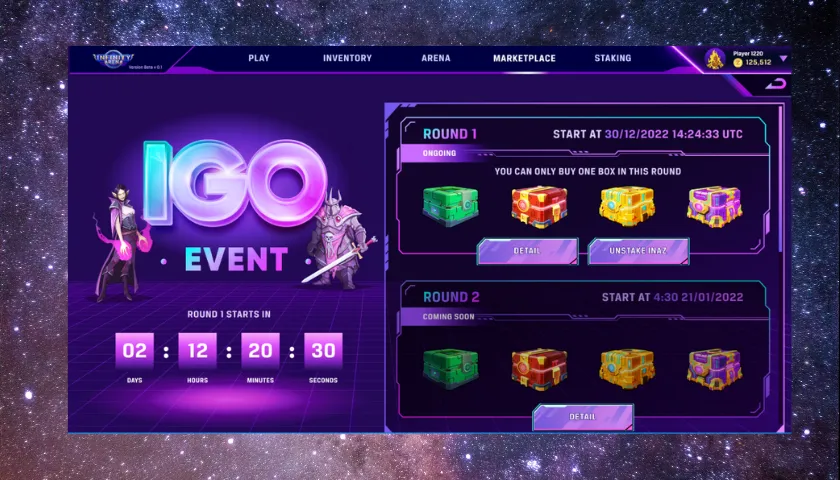
Encouraged players to keep assets active in the platform, supporting longer term participation.
Business Impacts
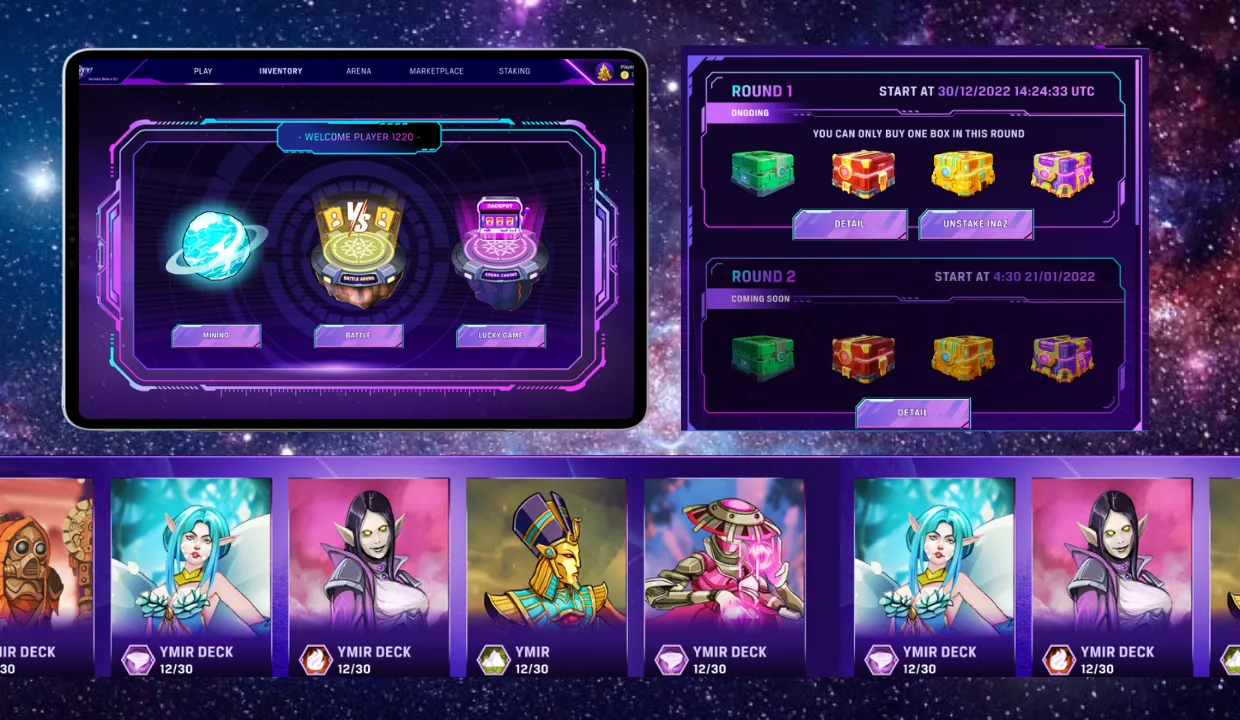
The platform recorded zero reported security incidents after deployment, showing that the client could validate early market interest without compromising user trust.
By connecting mining, battles, lucky games, staking, NFT upgrades, and marketplace trading through shared token and asset flows, the platform created multiple reasons for players to stay active, exchange value, and return over time. With security controls, behavior monitoring, and on-chain/off-chain synchronization built in, the game economy had a stronger operating foundation to protect user assets, maintain data consistency, and reduce trust risks during launch.
"The team created an amazing product. Newwave Solutions was not only on the top of the blockchain but also great at understanding us. They made sure to explain how the process will work in order to ensure client's satisfaction. We are very pleased with their service."
Related Case Study

Let’s Build Something Extraordinary
Sign up for a 30 min no-obligation strategic session with us. Transform your Ideas into scalable reality.