


Yii Framework Tutorial: Your Complete Guide to High-Performance PHP Development
In the competitive landscape of PHP frameworks, where Laravel often dominates discussions, experienced developers frequently seek alternatives that offer superior performance, efficiency, and robust architecture for building complex applications. This is precisely where the Yii framework demonstrates its exceptional value. But what is Yii framework, and why should it be an essential component of your web development service strategy? This ultimate guide serves as your comprehensive PHP Yii framework tutorial, covering everything from fundamental installation to advanced concepts, helping you determine if Yii is the optimal choice for your next software development services project.
What is Yii Framework?
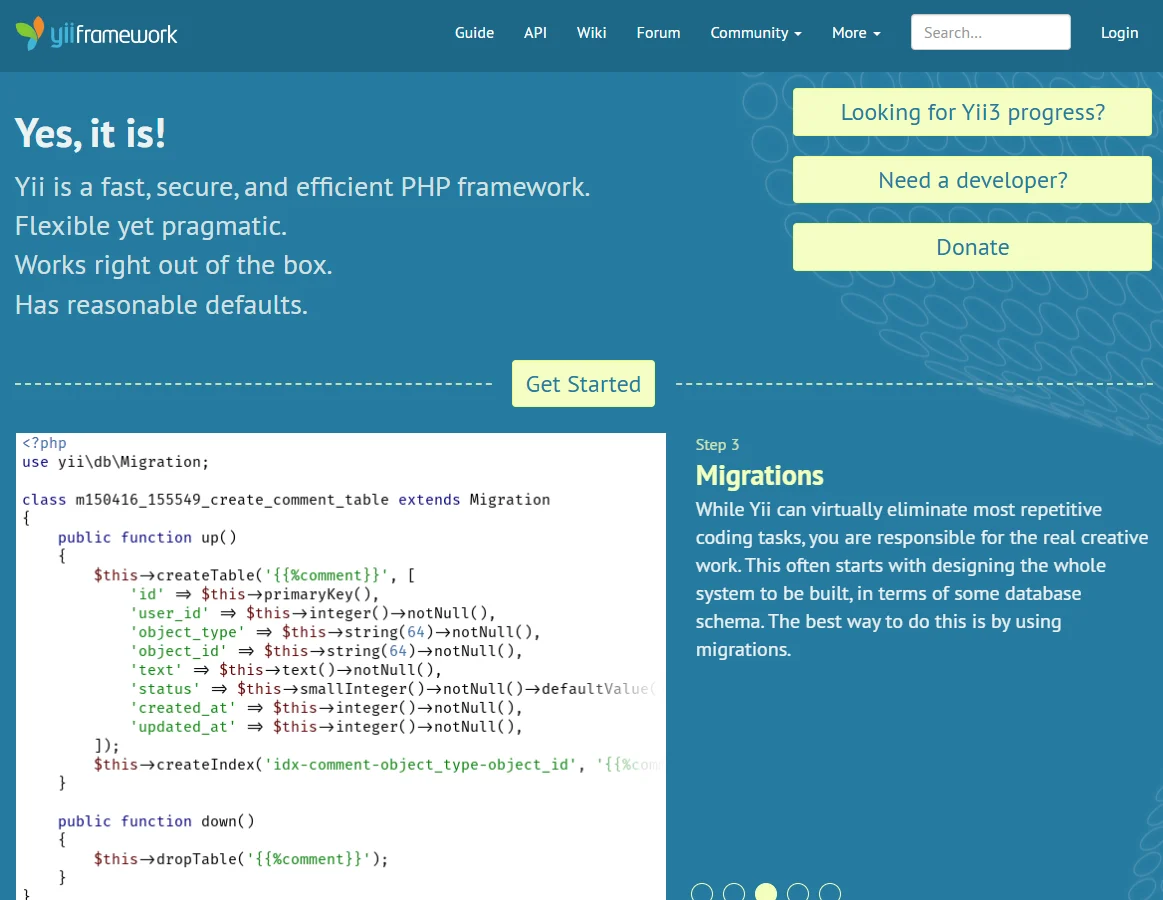
Yii is a high-performance, component-based PHP framework designed for rapidly developing modern web applications, following the Model-View-Controller (MVC) architectural pattern. The name Yii stands for “Yes It Is!” – an accurate reflection of its simple yet powerful nature. It is engineered for maximum performance, making it significantly faster than many other PHP frameworks, which is a critical advantage for ecommerce web development services and data-intensive applications.
So, how does Yii framework work? At its core, Yii helps you structure your code in an organized, maintainable way. It provides a full suite of tools, including an object-relational mapping (ORM) layer for databases, a powerful caching system, and robust security features, which are essential for secure web portal development.
How is Yii Framework Different from Laravel?
While both are excellent PHP frameworks, Yii and Laravel cater to different needs and preferences. Here’s a detailed comparison:
| Feature | Yii Framework |
Laravel |
| Performance | Extremely fast and lightweight, often outperforming other frameworks in benchmarks. | Feature-rich but can have more overhead; requires optimization for top speed. |
| Architecture | Pure and strict MVC pattern, promoting clean separation of concerns. | Also uses MVC but is more flexible, sometimes leading to a less rigid code structure. |
| Learning Curve | Steeper for beginners due to its convention-over-configuration approach. | Gentler learning curve with extensive documentation and a large community. |
| Built-in Tools | Includes a powerful code generator (Gii) and strong security features out of the box. | Relies more on its extensive package ecosystem (e.g., Laravel Nova) for added functionality. |
| Use Case | Ideal for high-performance systems, large-scale applications, and rapid MVP development. | Excellent for rapid application development, complex features, and when using many third-party packages. |
In summary: Choose Yii if your priority is top-tier performance, a clean architecture, and building scalable systems from the ground up. Laravel might be preferable for projects that benefit from a massive ecosystem and rapid feature integration. For complex decisions, consulting with a hire PHP developers service can provide valuable insight.
Why Choose Yii Framework?
You should choose the Yii framework if you need to build secure, high-performance web applications quickly, with a strong emphasis on clean code and efficient performance. Its design philosophy makes it an outstanding choice for developers who value structure and speed.
1. Exceptional Performance and Speed
Yii is famously fast and lightweight, designed from the ground up for high performance. Its sophisticated caching support operates at multiple levels (data, fragment, page, and HTTP) to ensure optimal speed. The framework implements lazy loading techniques, meaning components are loaded only when needed, reducing memory usage and improving response times. This makes Yii ideal for applications where speed is non-negotiable, such as high-traffic ecommerce web development services portals, and data-intensive enterprise applications that require real-time processing capabilities.
2. Powerful Code Generation with Gii
The built-in Gii tool is a web-based code generator that automates the creation of models, controllers, forms, and modules. This powerful feature dramatically accelerates development by generating consistent, well-structured code following Yii’s conventions. Gii is particularly valuable for both beginners learning the framework and experienced teams working on tight deadlines. It ensures code consistency across large projects and reduces human error, making it an essential tool for efficient software maintenance services and rapid prototyping during MVP development.
3. Robust Security Features
Security is a cornerstone of Yii’s design philosophy. The framework includes built-in protections against common web threats like SQL injection, cross-site scripting (XSS), and cross-site request forgery (CSRF). Yii handles input validation, output filtering, and cookie security automatically, helping developers build secure applications from the start. This strong security foundation is particularly crucial for web portal development handling sensitive user data, and for API development services, where data integrity and protection are paramount.
4. Clear MVC Architecture
Yii enforces a clean Model-View-Controller (MVC) pattern, which separates business logic, data, and presentation layers. This architectural approach results in code that is easier to manage, test, and scale—a key principle in a well-managed SDLC. The clear separation of concerns makes applications more maintainable and allows multiple developers to work on different components simultaneously without conflicts. This structured approach is particularly beneficial for long-term projects requiring ongoing software maintenance services.
5. Highly Extensible and Customizable
Yii is designed to be highly extensible, allowing developers to customize nearly every core component. You can replace default classes with your own implementations, create custom widgets, and develop extensions that seamlessly integrate with the framework. This flexibility allows development teams to tailor the framework to specific project needs, making it a versatile tool for custom API development services and other specialized projects. The component-based architecture ensures that extensions work harmoniously with the core framework.
How to Install Yii Framework?
Installing Yii is straightforward, especially if you have Composer, the dependency manager for PHP, installed on your system. This PHP framework Yii tutorial will guide you through the complete installation process.
Prerequisites
Before beginning the installation, ensure your system meets these requirements:
- A web server (Apache or Nginx recommended)
- PHP 7.4 or higher with essential extensions (mbstring, intl, etc.)
- Composer installed globally
- Database server (MySQL, PostgreSQL, or SQLite)
Step-by-Step Installation Guide
The installation process begins with using Composer to create a new Yii project. You’ll run a simple command that downloads the latest Yii application template and installs all necessary dependencies. This approach ensures you get a clean, standardized project structure that follows Yii’s best practices.
Once the installation completes, you’ll navigate to your project directory and start the built-in PHP development server. This server allows you to immediately test your application without complex web server configuration. The system will provide you with a local URL where you can access your new Yii application.
The next crucial step involves configuring your application’s environment settings. You’ll set up your database connection parameters, configure basic application settings, and run initial database migrations to create the necessary tables. This configuration process ensures your application is properly connected to your database and ready for development.
Finally, you’ll verify that everything is working correctly by accessing your application through a web browser. A successful installation will display Yii’s default welcome page, confirming that your development environment is properly set up and ready for building your application.
How Does Yii Framework Work? – The MVC Flow
Understanding how does Yii framework works is key to using it effectively. Yii follows the MVC architectural pattern, which organizes code into three interconnected parts for better separation of concerns.
The MVC Architecture in Depth
The Model layer represents your application’s data structure and business logic. In Yii, models handle all database interactions through an intuitive object-oriented interface. They’re responsible for data validation, enforcing business rules, and managing relationships between different data entities. When you work with models, you’re essentially creating a bridge between your database and application logic.
The View layer focuses exclusively on presentation. Views are template files that contain the HTML structure of your application mixed with simple PHP code to display dynamic content. Yii’s view system supports layouts for consistent page structures, partial views for reusable components, and a sophisticated theme system that makes design changes straightforward. The key principle here is that views should contain minimal logic – their main job is to display data.
The Controller layer acts as the traffic director of your application. Controllers receive user requests, process input data, interact with models to retrieve or manipulate information, and then select appropriate views to render the response. Each controller contains multiple actions that handle specific user interactions, making your application’s workflow clear and organized.
Real-World Request Example
When a user wants to view a blog post, the process begins with their browser requesting the post’s URL. Yii’s routing system analyzes this request and determines which controller and action should handle it. The controller then asks the appropriate model to retrieve the specific post from the database. Once the model returns the post data, the controller passes this information to a view template. The view template combines the post data with HTML formatting to create a complete web page, which is then sent back to the user’s browser. This structured approach makes applications easier to develop, test, and maintain.
Yii Framework Tutorial – Building a Blog Application
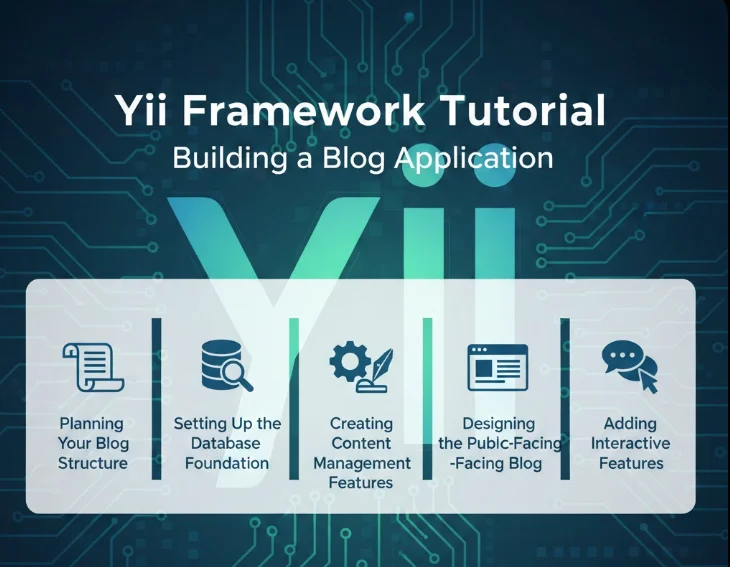
This comprehensive PHP Yii framework tutorial will guide you through building a complete blog application from start to finish, covering fundamental concepts and practical implementation strategies:
1. Planning Your Blog Structure
Before writing any code, it’s crucial to plan your blog’s structure. A typical blog needs posts with titles, content, publication dates, and possibly categories or tags. You’ll also want user authentication for the admin section and a commenting system for reader engagement. This planning phase helps you understand what database tables you’ll need and how different parts of your application will interact.
2. Setting Up the Database Foundation
The first practical step involves creating your database structure. You’ll design tables for posts, users, and comments, establishing proper relationships between them. Yii’s migration system helps you version-control your database changes, making it easy to maintain consistency across different environments. This approach ensures that your database structure evolves along with your application.
3. Creating Content Management Features
With your database ready, you’ll build the content management interface. This involves creating forms for writing and editing posts, implementing user authentication for admin access, and setting up an intuitive dashboard for managing content. Yii’s built-in form handling and validation features make this process straightforward while ensuring data integrity and security.
4. Designing the Public-Facing Blog
The public side of your blog needs an attractive layout that displays posts in reverse chronological order. You’ll implement features like pagination to handle large numbers of posts, category filtering for better content organization, and individual post pages with full content. Yii’s view system makes it easy to create consistent, reusable templates throughout your application.
5. Adding Interactive Features
To make your blog engaging, you’ll add interactive features like a commenting system where readers can leave feedback. This involves creating forms, handling user input, and implementing moderation features. You might also add search functionality, social sharing buttons, and RSS feeds to enhance user experience and extend your blog’s reach.
Advanced Yii Concepts Tutorial
1. Mastering Database Relationships
As your application grows more complex, you’ll need to work with multiple related database tables. Yii’s relationship system allows you to define connections between different models, making it easy to retrieve related data. For example, you can define that a user has many posts, and each post belongs to a specific user. This relationship management is crucial for building sophisticated applications with interconnected data.
2. Implementing Robust Form Handling
Forms are the primary way users interact with your application. Yii provides comprehensive form handling capabilities including input validation, error messaging, and CSRF protection. You’ll learn how to create complex forms with multiple field types, implement custom validation rules, and provide user-friendly error messages. Proper form handling is essential for both user experience and application security.
3. Creating Reusable Components
Yii’s component architecture encourages code reuse through widgets and extensions. You’ll learn to create custom components like recent post sidebars, category navigation menus, or social media integration widgets. These reusable components save development time and ensure consistency across your application. The component-based approach also makes maintenance easier since updates to a component automatically apply everywhere it’s used.
Advantages and Disadvantages
Yii offers outstanding performance and a solid structure for serious web development, but its steeper learning curve may be challenging for absolute beginners.
Advantages
- High Performance: Yii is optimized for speed, making it one of the fastest PHP frameworks available, which is crucial for user experience and SEO.
- Security: Built-in security features help protect your applications from common vulnerabilities, reducing risks in ecommerce web development services.
- Clean Code with MVC: The strict MVC architecture promotes writing organized, maintainable code, which is easier for teams to manage and scale.
- Powerful Code Generator (Gii): Automates the creation of common code structures, speeding up development and reducing human error.
Disadvantages
- Steeper Learning Curve: Compared to some frameworks, Yii can be more challenging for beginners due to its configuration-heavy approach and strict conventions.
- Smaller Community: While strong and dedicated, the Yii community is smaller than that of Laravel, which can mean fewer third-party packages and online resources.
- Less “Batteries-Included”: While Yii has great tools, it may require more manual configuration compared to the vast ecosystem of pre-built solutions available for other frameworks.
Why Choose a Professional Yii Development Agency?
While Yii is designed to be powerful and efficient, building a production-ready application that is secure, scalable, and maintainable requires deep expertise. Partnering with a professional agency that offers comprehensive custom software development services ensures your project follows best practices from the start.
The strategic benefits include:
- Architectural Excellence: Experts design a scalable application structure that grows with your business needs.
- Security Implementation: Professional setup of security measures beyond the basic framework protections.
- Performance Optimization: Database indexing, advanced caching strategies, and code optimization specific to Yii.
- Ongoing Maintenance: Regular updates, security patches, and feature enhancements provided by software maintenance services.
At Newwave Solutions, we have extensive experience with the Yii framework and modern PHP development practices. Our team of certified developers understands how to leverage Yii’s full potential while implementing robust SDLC methodologies. We offer end-to-end solutions from MVP development to enterprise web portals development and ongoing software maintenance services.
Our approach combines Yii’s performance advantages with enterprise-grade architecture patterns to deliver applications that perform at scale. Whether you need to hire PHP developers services for a specific project or require comprehensive IT outsourcing services, we provide tailored solutions that align with your business objectives.
Conclusion
This comprehensive Yii framework tutorial guide has taken you from understanding what is Yii framework to building a complete application. We’ve explored its exceptional performance capabilities, robust security features, and clean MVC architecture that makes it ideal for serious web development service projects. The framework’s powerful code generation tools and extensible nature provide a solid foundation for everything from rapid MVP development to complex enterprise systems requiring sophisticated API development services.
Through this PHP framework Yii tutorial, you’ve gained practical knowledge of installation procedures, database management, and advanced concepts that demonstrate why Yii remains a top choice for performance-conscious developers. While the learning curve may be steeper than some alternatives, the payoff in application speed, security, and maintainability makes Yii an excellent investment for long-term projects.
As you continue your Yii journey, remember that professional IT outsourcing services as Newwave Solutions, are available to help you maximize the framework’s potential and ensure your project’s success. Ready to build a high-performance web application with the Yii framework? Contact us today for a free consultation, and let’s discuss your project!
To Quang Duy is the CEO of Newwave Solutions, a leading Vietnamese software company. He is recognized as a standout technology consultant. Connect with him on LinkedIn and Twitter.



Read More Guides

Get stories in your inbox twice a month.
Let’s Build Something Extraordinary
Sign up for a 30 min no-obligation strategic session with us. Transform your Ideas into scalable reality.
Leave a Reply