


Custodial vs Non-Custodial Wallet: Which One Should You Choose?
Roughly 6.8% of people worldwide hold digital currencies, meaning hundreds of millions depend on crypto wallets to manage their assets. Choosing between a custodial vs non-custodial wallet is therefore a critical decision, as it determines who controls the private keys, how funds are protected, and who bears responsibility when risks arise.
Although both wallet models support crypto storage and transactions, they follow very different approaches to ownership and security. This guide compares custodial wallet vs non custodial wallet from practical, technical, and risk perspectives to help individuals and businesses choose the right model.
Key Takeaways
|
What is Custodial Wallet?
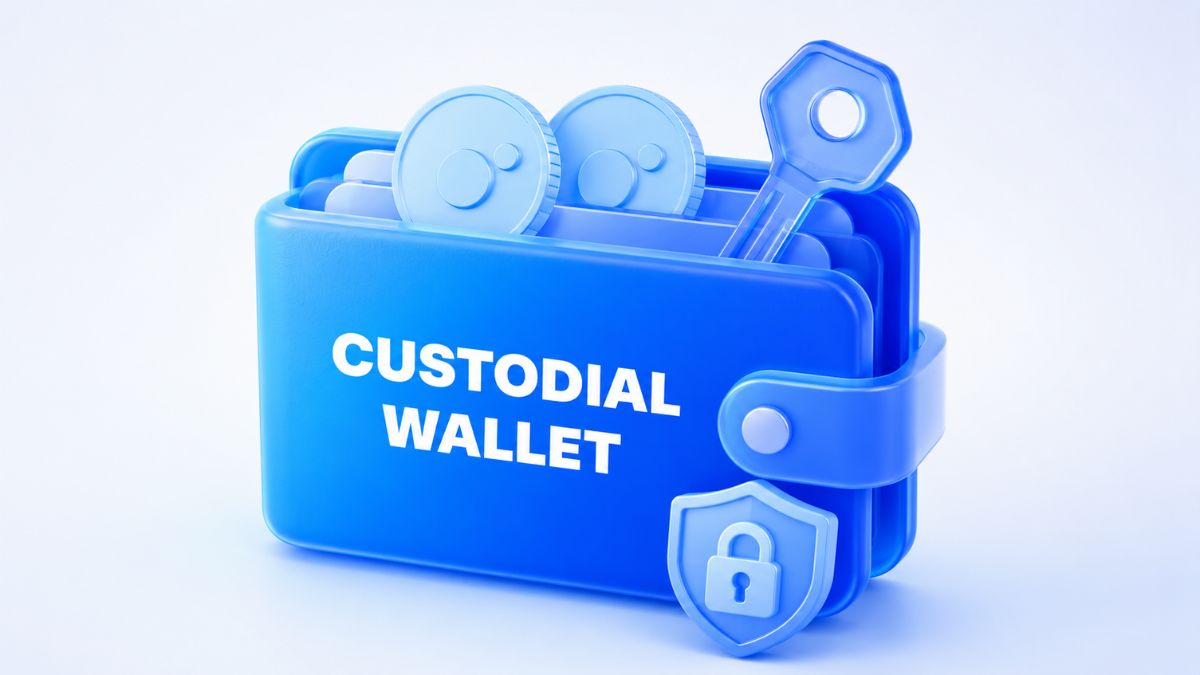
A custodial wallet is a crypto wallet model where a third-party service provider holds and manages the private keys on behalf of users. This approach is most commonly used by centralized exchanges and fintech platforms that aim to make blockchain technology accessible to the mass market.
From a user perspective, custodial wallets resemble traditional online banking systems. You sign in with an email and password, and the platform abstracts away most blockchain complexity, including key management, transaction signing, and network interactions. This design prioritizes convenience and speed, often at the cost of full asset sovereignty.
Custodial wallets are commonly used by beginners, active traders, institutional investors, and businesses that value convenience and simplified account management. They are particularly suitable for users who prefer password recovery, customer support, faster transactions, and easy access to services such as crypto trading, fiat payments, and staking.
How does it work?
In a custodial wallet, a third-party provider manages the wallet and controls the private keys on the user’s behalf. Users typically create an account with a crypto exchange or wallet platform and access their funds through login credentials rather than a recovery seed phrase.
Key mechanics include:
- Users create an account and may be required to complete identity verification
- Private keys are generated, stored, and protected by the custodian
- Users access their assets using an email address, password, and two-factor authentication
- The platform verifies and authorizes withdrawals and transfers
What is Non-Custodial Wallet?
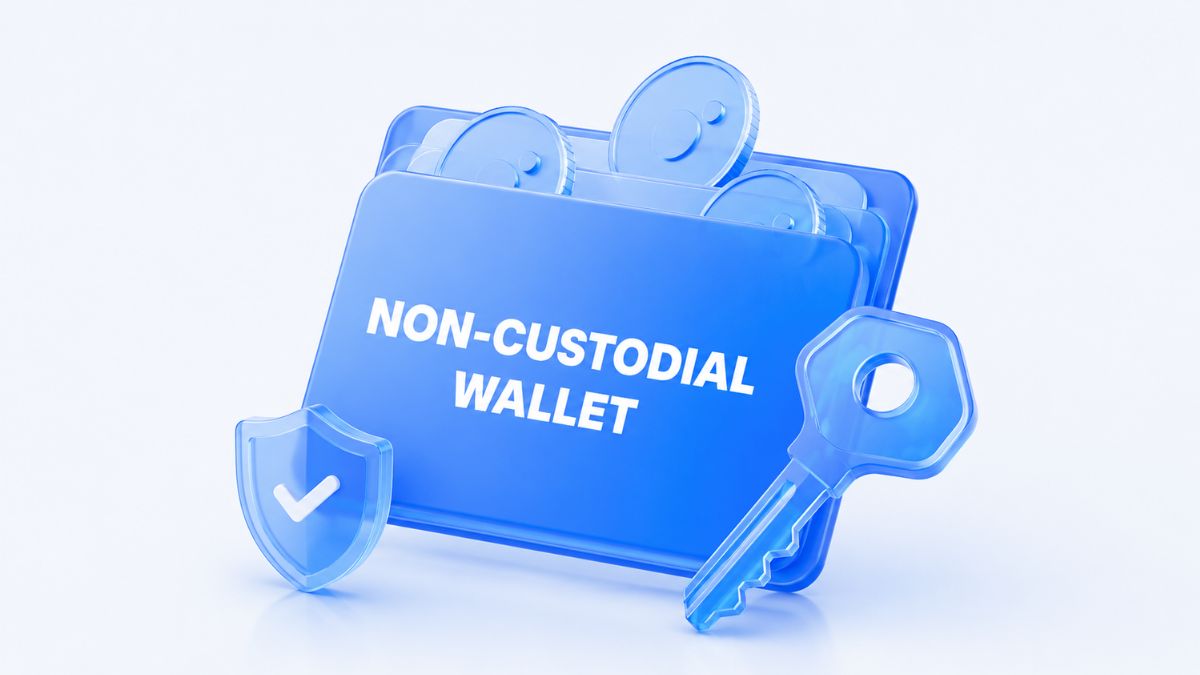
A non-custodial wallet is a crypto wallet where only the user controls the private keys. No third party can access, freeze, or recover the wallet. This model reflects the original philosophy behind Bitcoin and Ethereum: minimizing trust, maximizing ownership, and enabling permissionless interaction with blockchain networks.
This type of wallet gives users full control through a private key, which proves ownership. During setup, it generates a 12- or 24-word recovery phrase to restore access if needed. The private key is stored securely on the user’s device or hardware, not on third-party servers.
How does it work?
A non-custodial wallet allows users to interact directly with blockchain networks without relying on an exchange or service provider to approve transactions. The wallet manages key generation and transaction signing locally, while the user remains fully responsible for access and security.
- Users set up a wallet through a mobile app, browser extension, desktop application, or hardware device.
- The wallet generates a unique private key and a corresponding 12- or 24-word recovery phrase.
- Users must back up the recovery phrase securely, preferably in an offline physical location.
- A public wallet address is derived from the private key and can be shared to receive cryptocurrency.
- When sending funds, the wallet signs the transaction locally using the private key.
- The signed transaction is broadcast directly to the blockchain network without an intermediary.
- Network validators confirm the transaction, after which it becomes final and is recorded on-chain.
A practical example of a non-custodial wallet is the multi-chain wallet developed by Newwave Solutions. The solution allows users to retain control of their private keys while managing assets across TON, Bitcoin, and EVM-compatible networks from one platform. It also supports staking, token swaps, NFTs, and dApp access across mobile, web, and browser environments.
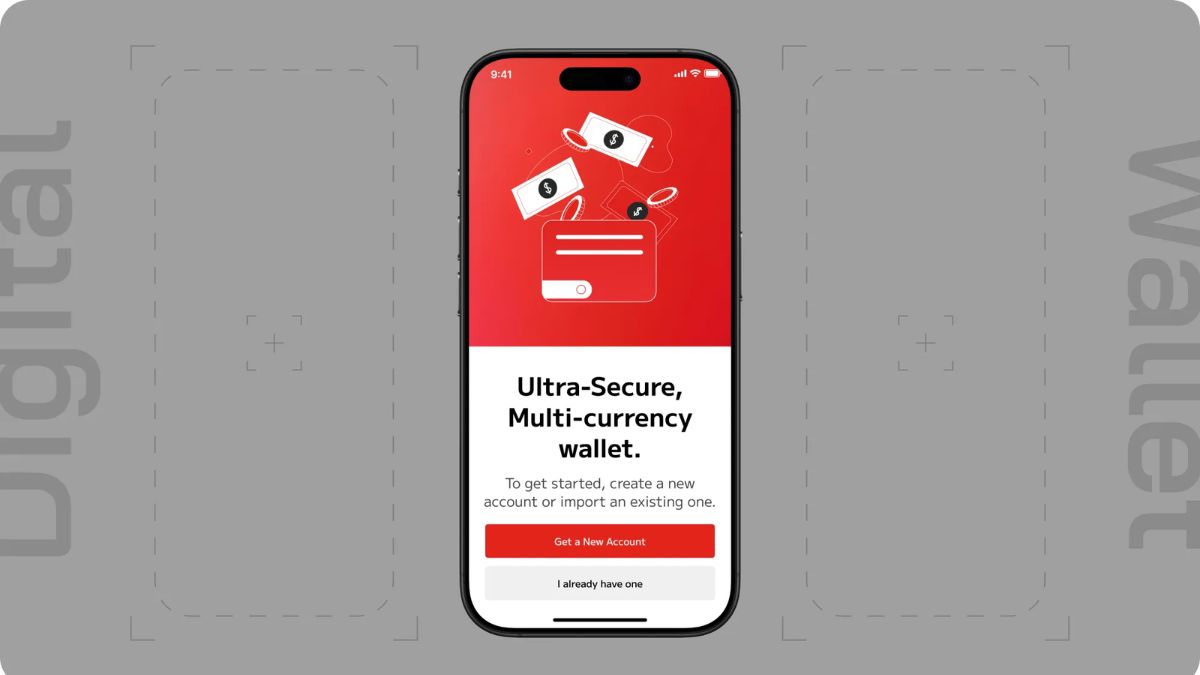
Read the full case study to see how Newwave Solutions delivered a secure, scalable non-custodial wallet for multi-chain use: Creating a Secure Multi-Chain Wallet for Web3 Asset Management and NFT Utility
Pros and Cons of Custodial Wallets
Custodial wallets reduce the technical complexity of managing cryptocurrency by allowing a third-party provider to secure private keys and process transactions. This makes them accessible to beginners and institutions, but users must depend on the provider for account access, withdrawals, and asset protection.
Pros
- Ease of use: Users can access and manage crypto through familiar login methods without handling private keys or recovery phrases.
- Backup and recovery: Providers can help restore access when users forget passwords or lose authentication credentials.
- Customer support: Dedicated support teams may assist with account issues, transaction delays, and security concerns.
- Advanced security infrastructure: Reputable providers may use encryption, multi-signature systems, cold storage, and fraud monitoring.
- Regulatory compliance: Many custodial platforms follow KYC, AML, and financial regulations, which can support institutional adoption.
- Integrated services: Users can often trade, stake, buy, sell, and convert assets within the same platform.
Cons
- Limited asset control: Users do not directly control the private keys and must rely on the custodian to access their funds.
- Withdrawal restrictions: Platforms may apply limits, delays, fees, or additional approval requirements.
- Provider security risks: Exchange hacks, internal fraud, operational failures, or bankruptcy can place user assets at risk.
- Regulatory exposure: Accounts or funds may be frozen, restricted, or reviewed due to legal and compliance requirements.
- Privacy concerns: Users often need to provide personal information, while account activity may be monitored by the platform.
Pros and Cons of Non-Custodial Wallets
Non-custodial wallets give users direct control over their private keys and blockchain assets. This model offers greater independence and privacy, but it also places full responsibility for wallet security, backups, and transactions on the user.
Pros
- Full asset control: Users own and manage their private keys without relying on an exchange or centralized provider.
- Direct blockchain access: Wallet holders can interact with DeFi protocols, decentralized applications, NFTs, and Web3 platforms.
- Greater privacy: Users can create and operate wallets without sharing extensive personal information with a custodian.
- No provider withdrawal limits: Funds can generally be transferred at any time without platform approval or processing delays.
- Reduced custodial risk: Assets are not directly exposed to exchange insolvency, custodial failures, or centralized account freezes.
- Modern security options: Hardware wallets, multi-party computation, passkeys, and social recovery can reduce certain self-custody risks.
Cons
- No guaranteed recovery support: Losing the private key and all recovery credentials can result in permanent loss of access.
- Higher technical responsibility: Users must understand key management, transaction fees, network selection, and wallet security.
- Risk of human error: Transactions sent to the wrong address or network are usually irreversible.
- Exposure to scams: Phishing websites, malicious smart contracts, fake wallet applications, and compromised devices can lead to asset loss.
- Backup requirements: Recovery phrases and private keys must be stored securely and protected from theft, damage, and unauthorized access.
Potential Risks of Custodial vs Non-Custodial Wallet
Both wallet models involve risk, but the source of that risk is different. With custodial wallets, users depend on the provider’s security and policies, while non-custodial wallet users take full responsibility for protecting their keys and transactions.
Risks of custodial wallets
Custodial wallet risks mainly come from relying on a third-party provider to secure assets and maintain account access. Breaches, operational failures, insolvency, or regulatory actions can affect how and when users access their funds.
- Provider breaches: Centralized platforms hold large pools of assets, making them attractive targets for hackers.
- Operational failures: System outages, internal errors, or service disruptions may temporarily block access to funds.
- Custodian insolvency: If the provider becomes financially unstable or fails, users may lose access to some or all of their assets.
- Regulatory restrictions: Authorities may require account freezes, withdrawal limits, reporting, or additional identity checks.
Risks of non-custodial wallets
Non-custodial wallet risks are often from user responsibility and irreversible blockchain actions. Losing private keys, approving malicious contracts, or making transaction errors can lead to permanent asset loss without recovery support.
- Private key loss: Losing the recovery phrase or private key can result in permanent loss of wallet access.
- Phishing and malware: Fake websites, malicious extensions, and compromised devices can expose wallet credentials.
- Irreversible mistakes: Transactions sent to the wrong address or network generally cannot be reversed.
- Malicious smart contracts: Approving an unsafe contract may allow attackers to drain wallet assets.
Custodial vs Non-Custodial Wallet: What are the Differences
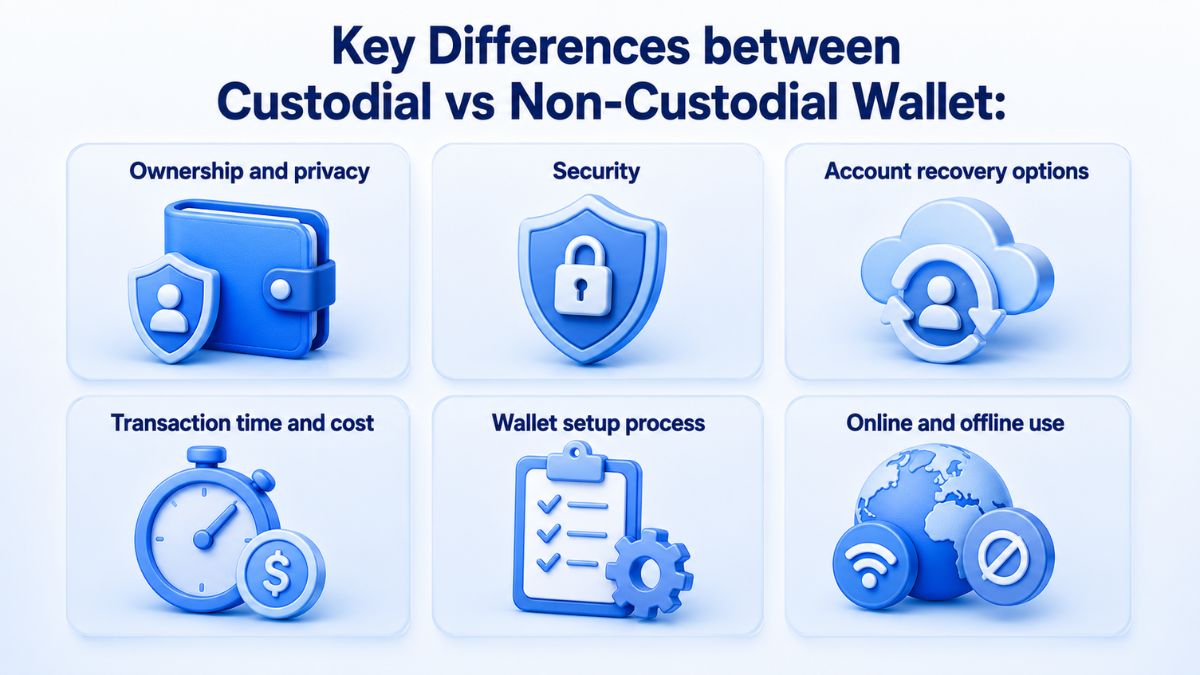
The main differences between custodial and non-custodial wallet lie in control, security, recovery options, and user responsibility. Choosing between them depends on whether you prioritize convenience and support or independence and full ownership.
| Feature | Custodial Wallets | Non-Custodial Wallets |
| Control | A third-party provider controls the private keys and manages access to funds. | The user controls the private keys and has direct access to the funds. |
| Ease of use | Easier to use, with familiar account logins, password recovery, and customer support. | Requires users to manage wallet security, backups, and blockchain transactions independently. |
| Security responsibility | Security depends mainly on the provider’s infrastructure and internal controls. | Security depends mainly on how well the user protects their device, private keys, and recovery credentials. |
| Recovery | Account access can often be restored through password reset or identity verification. | Recovery usually requires a seed phrase or another configured recovery method. |
| Identity verification | Commonly requires KYC and AML verification before full access is granted. | Can usually be created without submitting personal information or completing KYC. |
| Transactions | The provider may approve, delay, limit, or charge additional fees for withdrawals. | Users sign transactions directly, with speed and fees determined mainly by the blockchain network. |
Ownership and privacy
In custodial setups, a third-party provider manages private keys and controls access to funds. Users rely on the platform to secure assets and process transactions, and this model typically requires identity verification through KYC and AML procedures. While it offers convenience, it reduces privacy and places trust in the provider.
Non-custodial wallets give users full control over their private keys, which means there is no third party involved. These wallets usually require little to no personal information, offering greater privacy and independence.
Security
Custodial wallets rely on centralized providers, making them more vulnerable to large-scale attacks and breaches. For example, hackers stole more than US$275 million worth of cryptocurrency from the exchange KuCoin in one of the largest ever hacks of its kind. Because funds are pooled under one platform, a single compromise can expose many users’ assets at once.
Non-custodial wallets remove reliance on third parties, reducing exposure to large-scale breaches. Security depends entirely on the user’s practices, including how well they protect their private keys and recovery phrases. Plus, hardware wallets can add an extra layer of protection by keeping keys offline.
Account recovery options
In custodial environments, users can usually recover access through password resets or customer support after identity verification. This means it is easier to regain access but requires trust in the provider’s recovery process.
With non-custodial wallets, recovery depends entirely on backup credentials such as the recovery phrase. If these are lost, there is no way to restore access to the funds, making secure storage essential.
Transaction time and cost
Custodial platforms may review or approve transactions, especially for large or unusual transfers. Internal transfers are often fast and low-cost, but withdrawals to the blockchain can involve additional fees and delays.
Non-custodial wallets allow users to sign and broadcast transactions directly to the blockchain without intermediary approval. Fees and processing times depend on network conditions, giving users more control over speed and cost.
Wallet setup process
Setting up a custodial wallet typically involves registration, identity verification, and compliance checks. While this process may take longer, it provides familiar account management features and access to customer support.
Non-custodial wallets can be created quickly without identity verification. During setup, users receive a private key and recovery phrase, which must be securely stored before using the wallet.
Online and offline use
Custodial wallets generally require an internet connection to access accounts, as users depend on centralized platforms. Service outages or restrictions can temporarily limit access to funds.
Non-custodial wallets are more flexible because they can operate both online and offline. Software wallets require internet access to send transactions, while hardware wallets can sign transactions offline, keeping private keys isolated from online threats.
When You Should Choose Custodial vs Non-Custodial Wallets
The right wallet depends on how much control, convenience, security responsibility, and Web3 access you need. Custodial wallets simplify crypto management through a third-party provider, while non-custodial wallets give users direct ownership of private keys and assets.
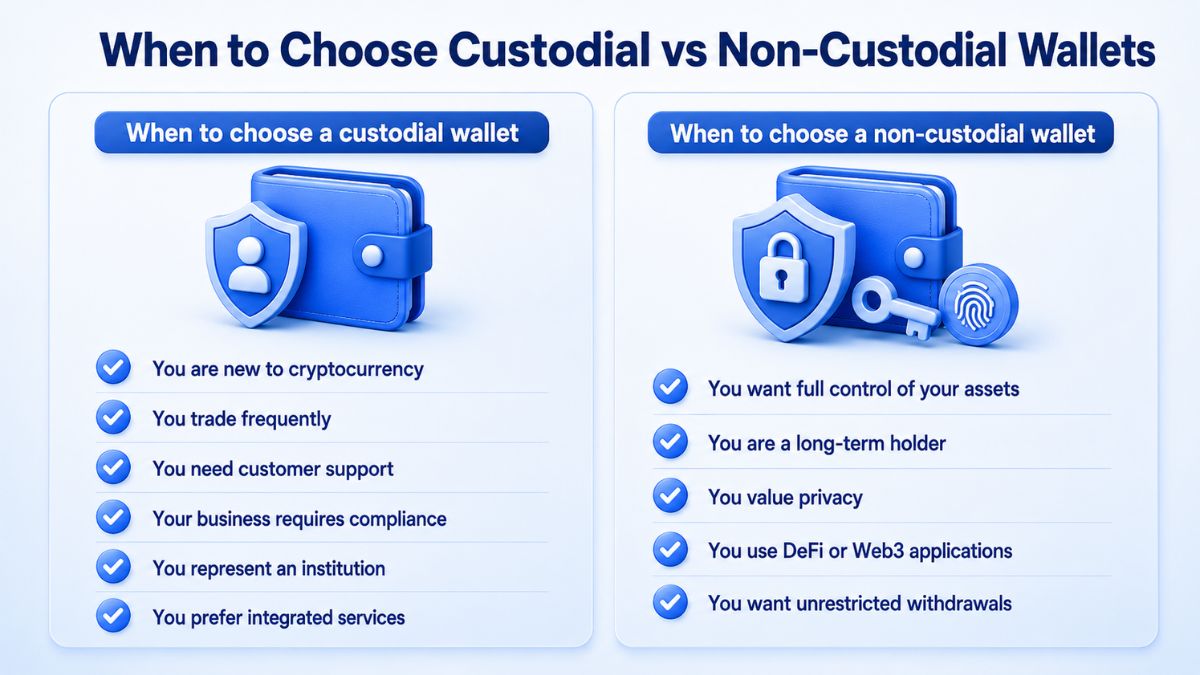
When to choose custodial vs non-custodial wallets
A custodial wallet may be the better option when ease of use, support, and regulatory compliance are more important than complete control over private keys.
- You are new to cryptocurrency: Familiar account logins and password recovery reduce the technical burden of managing private keys.
- You trade frequently: Centralized platforms may offer faster internal transfers, higher liquidity, and convenient access to trading tools.
- You need customer support: The provider can assist with login problems, account recovery, and transaction-related issues.
- Your business requires compliance: Custodial platforms often include KYC, AML, reporting, and transaction monitoring capabilities.
- You represent an institution: Professional custody solutions can provide governance controls, secure storage, and structured asset management.
- You prefer integrated services: Buying, selling, staking, converting, and storing assets can often be handled within one platform.
When to choose a non-custodial wallet
A non-custodial wallet is more suitable when direct asset ownership, privacy, and access to decentralized applications are the main priorities.
- You want full control of your assets: Only you hold the private keys and authorize transactions.
- You can manage wallet security: You understand how to protect recovery phrases, devices, and private keys.
- You are a long-term holder: Self-custody can reduce exposure to exchange failures, account freezes, and third-party insolvency.
- You value privacy: Wallet creation usually does not require KYC or extensive personal information.
- You use DeFi or Web3 applications: Non-custodial wallets support direct access to dApps, decentralized exchanges, NFT platforms, and blockchain protocols.
- You want unrestricted withdrawals: Transactions can be signed and sent without waiting for approval from a centralized provider.
Can You Use Both Custodial and Non-Custodial Wallets?
Yes. Many individuals, businesses, and institutions use both wallet models as part of a hybrid crypto management strategy. Custodial wallets can support frequent transactions, fiat deposits, trading, and compliance, while non-custodial wallets provide greater control over assets held for longer periods.
For example, active funds may remain with a regulated custodian for faster execution and access to liquidity. Long-term reserves, accumulated profits, or strategic holdings can then be transferred to a hardware or self-custody wallet to reduce reliance on a third party.
This approach works best when assets are separated by purpose, risk level, and frequency of use. It allows users to maintain convenient access for daily activity while keeping core holdings under direct control.
Conclusion
The right choice between a custodial vs non-custodial wallet comes down to product goals and user expectations. Businesses serving beginners may prioritize simple access and recovery, while Web3-focused products often require direct key ownership, privacy, and permissionless interaction.
Once the custody model is defined, the next step is building a secure and scalable product around it. Newwave Solutions provides end-to-end crypto wallet development services with self-custodial architecture, multi-chain support, real-time monitoring, and tailored features for different business requirements. Book a consultation with us to define the right wallet architecture and turn your concept into a reliable digital asset product.
FAQs
1. Is a non-custodial wallet safe?
A non-custodial wallet can be highly secure because the private keys remain under the user’s control rather than on a centralized platform. However, its safety depends on how securely the user protects the recovery phrase, device, and wallet access.
2. Can a non-custodial wallet be hacked?
The wallet itself may be difficult to compromise when properly secured, but users can still lose assets through phishing, malicious applications, compromised devices, or unsafe smart contracts. Hardware wallets and careful recovery phrase management can reduce these risks.
3. What are the risks of custodial wallets?
Custodial wallets expose users to third-party risks such as platform breaches, insolvency, account freezes, withdrawal restrictions, and operational failures. Because the provider controls the private keys, users must trust its security systems and asset management practices.
4. What is a private key?
A private key is a unique cryptographic code that proves ownership of a blockchain wallet and authorizes transactions. Anyone who gains access to it can control the associated assets, so it must never be shared or stored insecurely.
5. Which is better, a custodial or non-custodial wallet?
Neither model is universally better. Custodial wallets are more suitable for users who value convenience, account recovery, and customer support, while non-custodial wallets are better for those who prioritize full asset control, privacy, and direct Web3 access.
To Quang Duy is the CEO of Newwave Solutions, a leading Vietnamese software company. He is recognized as a standout technology consultant. Connect with him on LinkedIn and Twitter.



Read More Guides




Get stories in your inbox twice a month.
Let’s Build Something Extraordinary
Sign up for a 30 min no-obligation strategic session with us. Transform your Ideas into scalable reality.
Leave a Reply