


AI Automation in Healthcare: From Use Cases to Successful Implementation
Healthcare teams are being asked to do more with less: manage rising patient demand, reduce administrative work, connect fragmented systems, and maintain care quality under constant staffing pressure. AI automation in healthcare offers a way to reduce repetitive work and move information faster across clinical and operational workflows, but the real question is where automation should be applied and how far it should go.
To answer that, this article explains how AI automation works across healthcare workflows, where it can deliver measurable operational and patient-care benefits, and which use cases are most practical.
Key Takeaways
|
What Is AI Automation in Healthcare?
AI automation in healthcare is the use of artificial intelligence to process healthcare data and carry out or assist with specific clinical and operational tasks within a defined workflow. Depending on the workflow, it can extract relevant details from clinical records, sort incoming cases by priority, prepare information for staff review, or complete routine actions when predefined conditions are met.
Unlike traditional healthcare automation, which relies on predefined rules, AI automation can interpret context and adjust the next step accordingly. For example, an AI-enabled workflow can review the result, identify unusual patterns, prioritize cases that may need faster attention, and direct them to the appropriate staff for review.
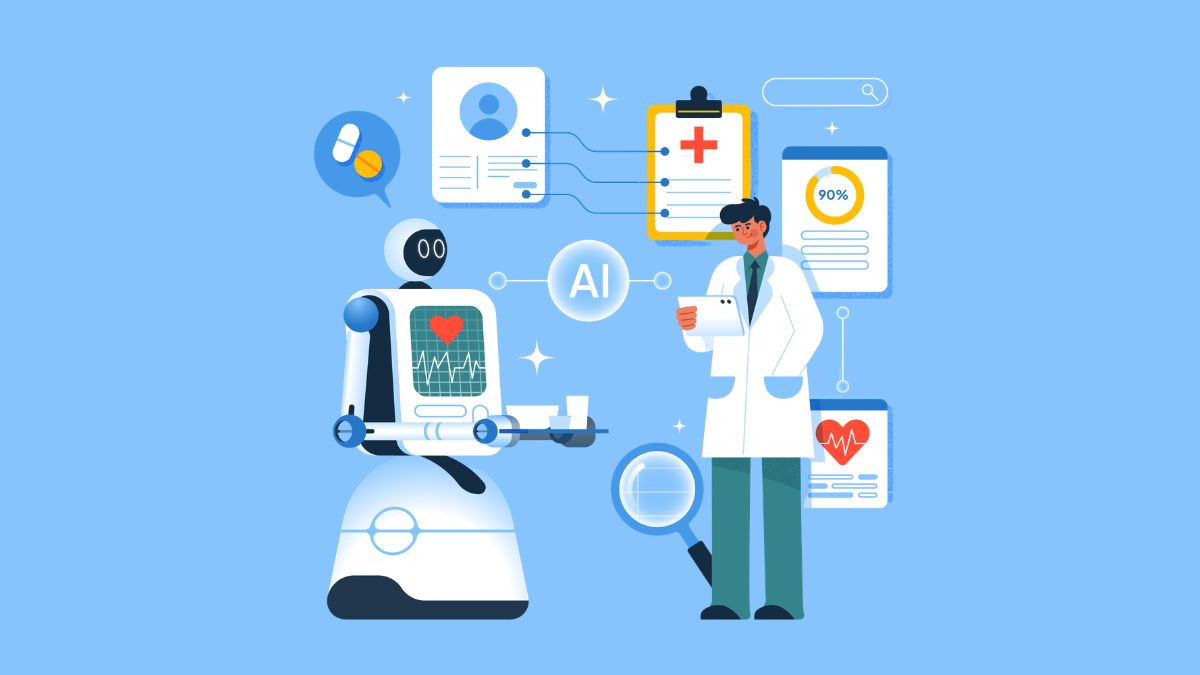
The level of automation should reflect the clinical risk of the task: the greater the potential impact on patient care, the stronger the need for human review and control.
- Low-risk automation: AI can complete routine administrative or operational tasks within predefined rules, such as organizing information, routing records, or triggering standard follow-up actions.
- Moderate-risk automation: AI can analyze data and recommend or prepare an action, but a healthcare professional reviews the output before it is used.
- High-risk clinical support: AI can identify patterns, flag potential risks, or provide decision support, but diagnosis, treatment, and other high-impact clinical decisions remain under professional control.
Why AI Automation Matters in Healthcare Today
Healthcare organizations are dealing with a costly mix of administrative workload, fragmented systems, information overload, and workforce pressure. Administrative tasks account for about 25-35% of total U.S. healthcare spending, while clinicians may spend nearly two hours on paperwork for every hour of patient care. Physician burnout also reached 62.8% in 2021, showing how heavily these operational demands can affect healthcare staff.
Taken together, these pressures make workflow efficiency a practical priority rather than a purely technical one. Healthcare organizations need ways to reduce repetitive administrative work, improve how information moves across disconnected systems, and help staff focus more time on tasks that require professional judgment.
Adoption is already widespread. Morgan Stanley reported that 94% of healthcare companies were using AI or machine learning in some capacity. This shift means healthcare organizations are moving from automating isolated tasks toward coordinating broader workflows, including scheduling, billing, clinical decision support, patient intake, discharge, and related operational processes.
How AI Automation Works in Healthcare Workflow
AI automation in healthcare can be understood as a data flow: information moves from source systems into a shared data layer, is processed by AI, translated into workflow actions, and then monitored over time. This makes the automation easier to evaluate because each stage has a clear role in how data is handled and acted on.
Data Sources and Ingestion
The workflow begins with the systems that generate healthcare data. These may include clinical records, hospital databases, laboratory and diagnostic platforms, medical devices, patient applications, and remote monitoring tools.
At this stage, the priority is to identify which data is relevant to the use case and make sure it can be accessed appropriately. The quality of the downstream automation depends on whether the right information enters the process in a reliable and authorized form.

Data Integration and Preparation
Healthcare data often sits across separate applications and vendor systems, so the next step is to make that information usable together.
DICOM supports the exchange and management of medical imaging data, while HL7 FHIR supports the movement of clinical and administrative information between healthcare applications. Data preparation may also involve normalizing terminology, resolving duplicate records, mapping patient identities, defining access permissions, and maintaining audit trails.
The purpose of this layer is to create a consistent data foundation before any AI model is applied.
AI Processing and Analysis
Once the data has been prepared, it can be routed to the AI model that best fits the task.
- Computer vision can process X-rays, CT scans, MRI studies, ultrasound images, and other imaging data.
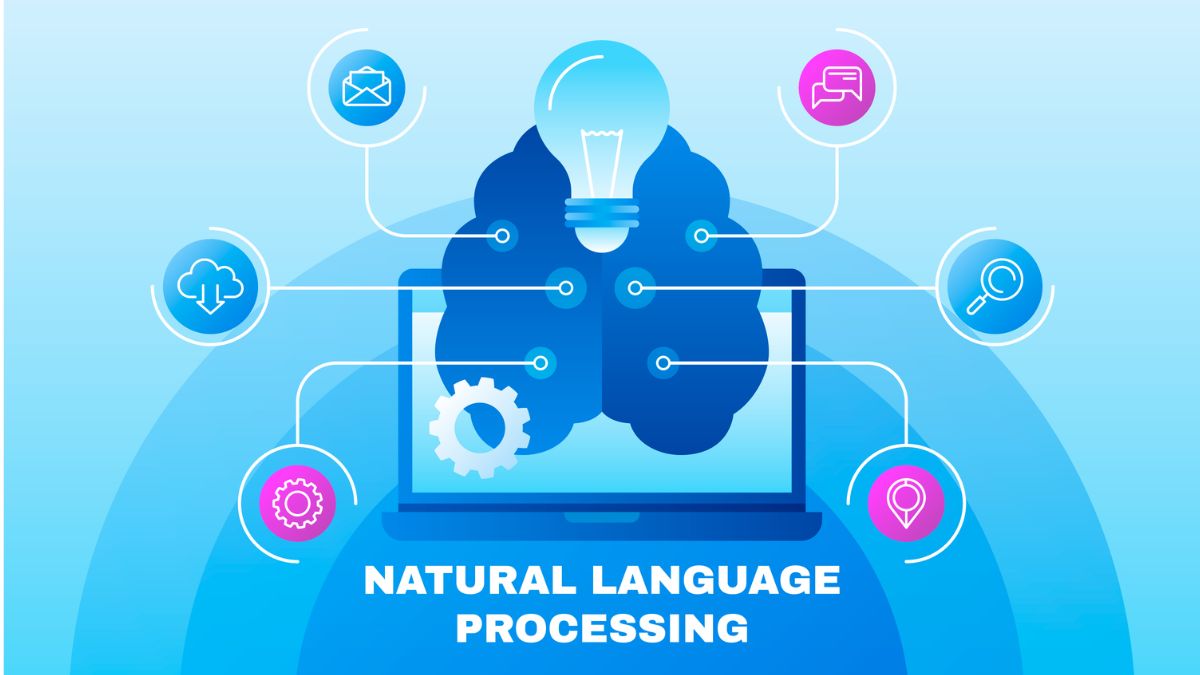
- Natural language processing can structure clinical notes, summarize patient histories, and support report drafting.
- Predictive models can generate estimates related to patient risk, demand, or resource requirements.
- Anomaly detection can identify unusual findings, inconsistent records, or unexpected system behavior.
The output may take the form of an alert, classification, risk score, extracted field, suggested finding, or recommended next action.
Workflow orchestration and human review
AI output becomes operational only when it is passed into a workflow that determines what happens next.
Routine or low-risk actions can be completed automatically when they fall within predefined rules. Cases that are sensitive, uncertain, or higher risk can be escalated for review by authorized staff. Once an action is approved, the result can be synchronized with connected healthcare systems.
This is where AI analysis is converted into workflow automation, while human oversight remains in place for decisions that require professional judgment or clinical responsibility.
Monitor and feedback
The data flow continues after deployment. Organizations need to observe how the system performs in real conditions, including where staff override AI outputs, where errors occur, whether model behavior changes, and whether security or workflow issues emerge.
This feedback can be used to adjust the model, business rules, or integration logic over time. The NIST AI Risk Management Framework recommends monitoring AI systems in production to identify changes in behavior, performance gaps, and model drift as operating conditions evolve.
Key Benefits of AI Automation in Healthcare
AI automation in healthcare can support both clinical and administrative operations. It can take over repetitive work, process information more consistently, and help teams respond to patients faster. For healthcare organizations, these capabilities can translate into lower operating costs, fewer avoidable errors, and more time for clinicians to focus on patient care.
Lower costs and greater operational efficiency
A major benefit of AI automation for healthcare is its ability to reduce the manual effort behind routine processes. Tasks such as administrative processing, documentation, and other repetitive workflows can be automated or streamlined. This reduces operational waste and allows staff time to be used more efficiently.
The financial opportunity is substantial. McKinsey estimates that using AI to streamline administrative processes could save the U.S. healthcare system hundreds of billions of dollars. This is particularly significant given that roughly $1 trillion is spent on healthcare administration.
Higher accuracy and fewer human errors
Manual processes can introduce mistakes when information is entered, transcribed, or coded. AI automation can reduce this exposure by handling repeatable data-processing tasks in a more consistent way. For example, automating medical records and billing can help limit errors that may contribute to claim denials or patient safety concerns.
AI can also assist with information that requires analysis. Natural language processing can extract structured information from physician notes, while AI-based image analysis can help identify findings in medical scans. In one study, AI-assisted CT interpretation increased radiologists’ lung cancer detection rate from 64.5% to 80.0%. This suggests that AI can strengthen clinical analysis by helping specialists detect relevant findings more consistently while keeping final interpretation in human hands.
Better Patient Experience and Faster Service
The benefits of AI automation in healthcare can also extend to how patients interact with providers. Automating routine communication and scheduling can make services more responsive while reducing unnecessary delays.
Appointment reminders and smart scheduling, for instance, can help address no-shows and waiting room congestion. Chatbots can handle common patient questions around the clock. At the same time, reducing paperwork gives healthcare professionals more capacity for direct patient interactions.

Reduced Clinician Workload and Burnout
Administrative work can consume time that clinicians could otherwise spend with patients. AI automation can shift part of this workload away from healthcare professionals, particularly for repetitive documentation tasks.
AI scribes are one practical application. They can capture and document patient visits with less manual note-taking from clinicians. This can reduce time spent completing records, including work that might otherwise continue after clinical hours. As a result, clinicians can devote more of their working time to patient care and communication.
Improved Care Quality and Patient Outcomes
AI automation can support care teams by identifying information that may require earlier attention. Predictive analytics, for example, can flag patients with elevated risks, including potential deterioration, sepsis, or readmission. This gives clinicians additional information that can support timely intervention.
Decision-support tools can also help apply evidence-based care more consistently. In urgent situations, risk-scoring systems may help prioritize patients who need rapid assessment, such as potential stroke cases. In this role, AI automation healthcare systems complement clinical expertise by bringing relevant signals to the attention of professionals who remain responsible for care decisions.
Best AI Automation Use Cases in Healthcare
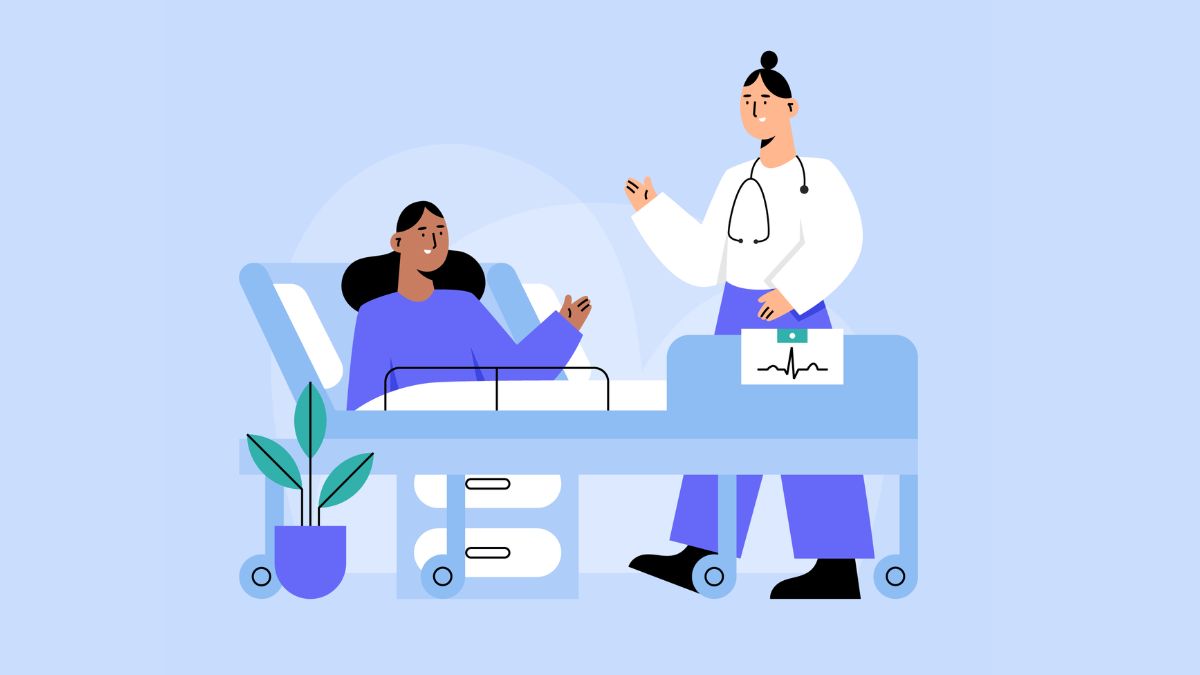
The value of AI automation in healthcare becomes clearer when applied to specific operational problems. Some applications improve how patients access information and services. Others reduce repetitive work for medical staff or help care teams identify cases that need attention sooner. The following use cases illustrate these three areas.
Patient experience and engagement
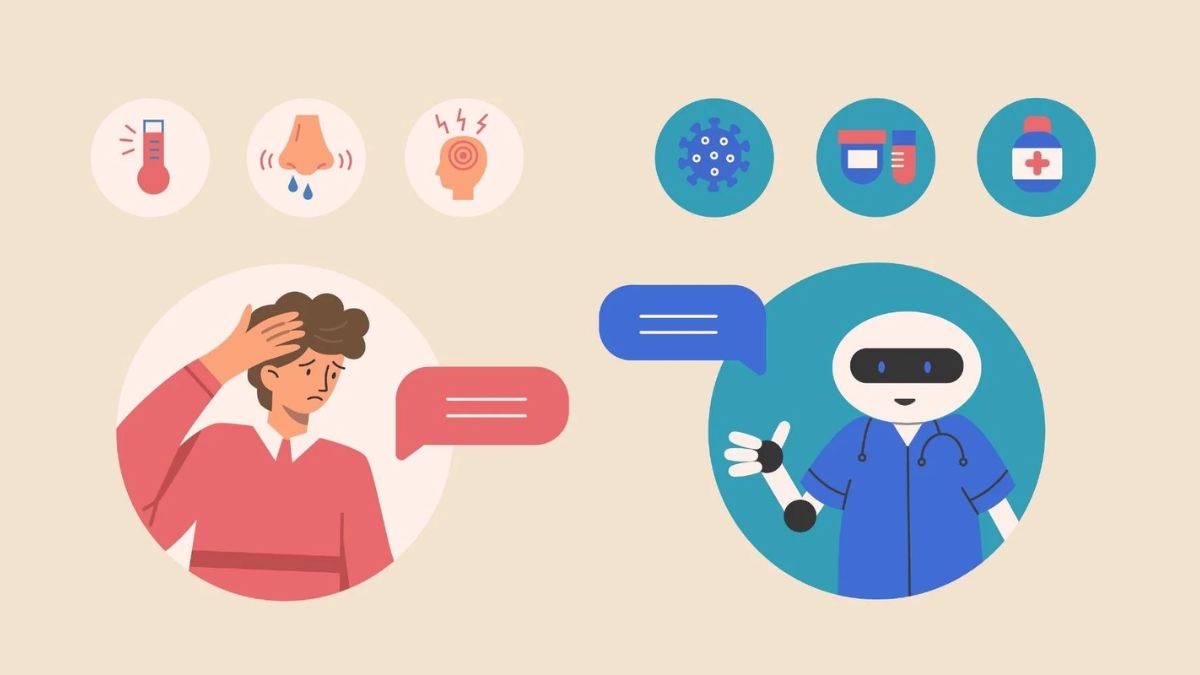
AI can act as an initial support layer between patients and healthcare services. Virtual health assistants, for example, can help users describe their concerns, access verified health information, and understand possible next steps. This gives patients a more accessible way to navigate health questions while keeping diagnosis and treatment decisions with qualified professionals.
Real-world example: Wake Forest Baptist Comprehensive Cancer Center developed a chatbot to help people identify potentially relevant cancer clinical trials. The assistant asks patients about factors such as cancer type, subtype, and stage, explains unfamiliar clinical terms, and screens responses against trial eligibility criteria.
Healthcare staff productivity and efficiency
Another practical use of AI automation for healthcare is reducing the time clinicians spend creating documentation. Ambient AI can capture information from consultations and turn conversations into draft clinical notes. Instead of starting documentation from scratch, clinicians can review and correct an AI-generated draft before adding it to the medical record.
Real-world example: Singapore General Hospital evaluated an in-house ambient AI scribe across 169 outpatient consultations. Use of the tool was associated with a 15% reduction in documentation time per consultation, from an average of 5.3 minutes to 4.5 minutes. The study also found a higher proportion of clinician-patient eye contact, while consultation duration did not change significantly.
Patient care workflow optimization
AI can also help care teams move from reactive workflows toward earlier identification of potential problems. Data collected during ongoing care can be analyzed for changes that may require attention. When the system detects a relevant signal, it can flag the case so healthcare professionals can determine the appropriate intervention.
Real-world example: Mount Sinai deployed a machine-learning model that analyzes electronic health record data to identify hospitalized patients at higher risk of delirium. When a patient is flagged, a specially trained team is alerted to assess the case and determine whether a treatment plan is needed.
In a study involving more than 32,000 patients, deployment of the model was associated with a fourfold increase in identified delirium cases without increasing the time spent screening patients.
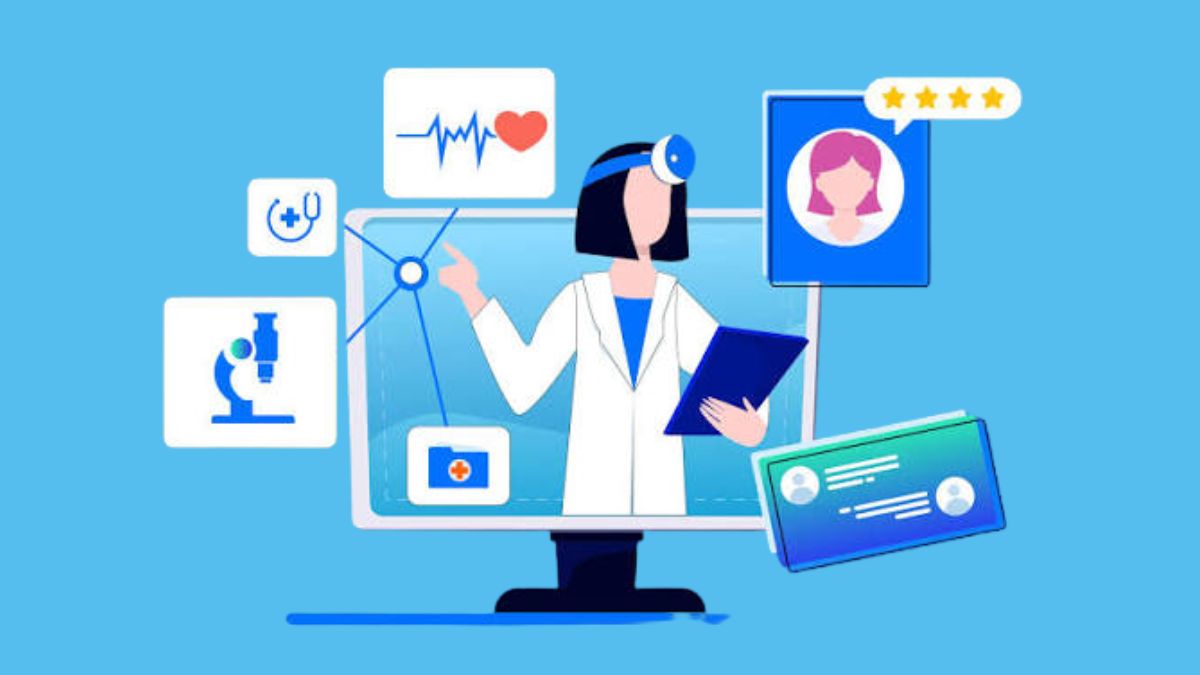
For a closer look at how autonomous AI systems can support patient interactions, clinical workflows, and administrative tasks, read our guide to AI agents for healthcare.
A Strategic Approach to Implement AI Automation in Healthcare
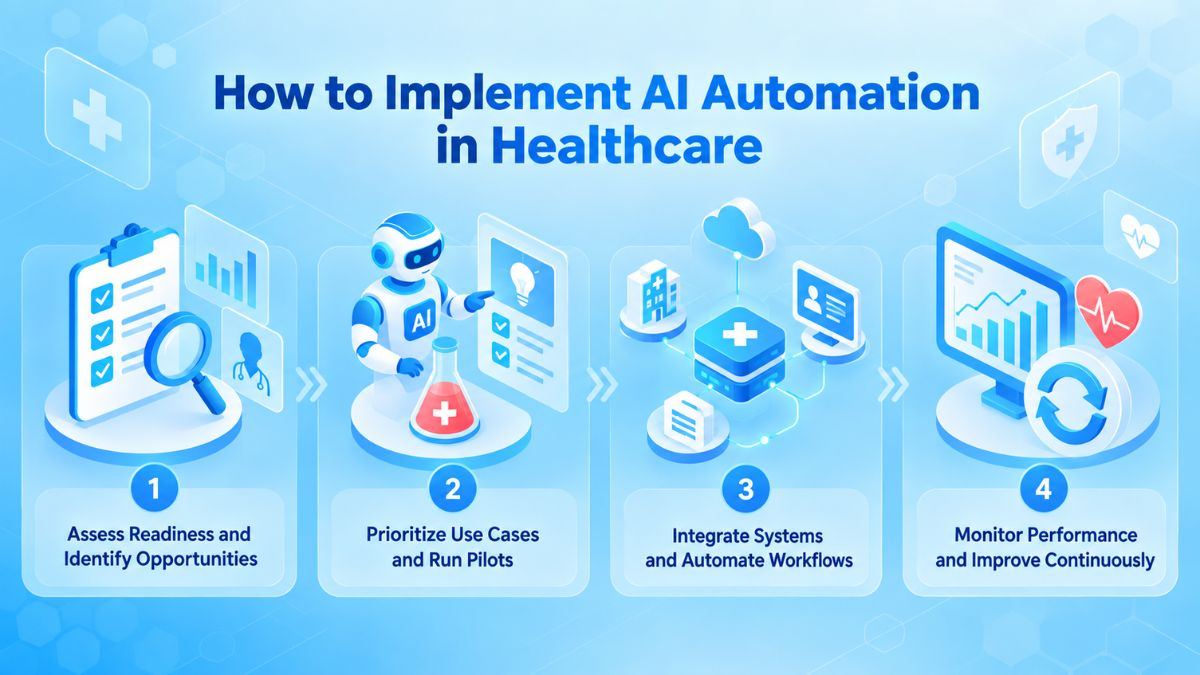
Implementing AI automation in healthcare works best as a staged program rather than a large-scale rollout from day one. The priority is to confirm that the organization has the right data, infrastructure, processes, and internal readiness before expanding automation across more workflows.
1. Assess readiness and identify opportunities
Start by reviewing the foundation that AI automation will depend on. Data should be accessible, usable, and connected across systems such as EHR software development, billing, laboratory, and imaging platforms. The technical environment also needs enough computing capacity, cloud support, and API connectivity to run AI workloads and exchange information between systems.
Readiness is not only technical. Staff also need a realistic understanding of what AI can and cannot do, while leadership must be prepared to manage changes in processes and responsibilities.
2. Prioritize use cases and run pilots
The next step is to narrow the scope. Rather than automating many processes at once, focus on workflows where operational friction is already visible, such as prior authorization, claims handling, or appointment scheduling.
A controlled pilot can test whether the proposed automation works in practice before it is expanded. This also gives teams an opportunity to refine the workflow, resolve issues, and compare performance against predefined KPIs such as turnaround time, staff workload, operational cost, and the rate of cases requiring manual intervention.
3. Integrate systems and automate workflows
At this stage, the focus shifts from testing a single use case to making automation work across the wider healthcare environment. AI needs access to the systems that hold patient, billing, insurance, and operational data, with APIs helping those applications exchange information and trigger the right actions.
More advanced setups may divide work across several AI agents, each responsible for a different part of the process. For example, one agent could manage appointment coordination, another handle insurance checks, and another notify the care team when follow-up is needed. Their outputs should feed into the same workflow so the process remains coordinated from one step to the next.
Controls also need to be designed into the workflow itself. That includes protecting patient information, maintaining auditability, supporting fair model behavior, and meeting HIPAA requirements throughout deployment.
4. Monitor performance and improve continuously
Deployment is not the final step. AI automation for healthcare needs ongoing monitoring because workflows, regulations, payer requirements, and operational conditions can change.
Teams should track where users override AI decisions, whether output quality is declining, and whether the system continues to perform as expected. Feedback from users can also be used to refine models and workflows.
Where needed, models may require retraining to stay aligned with current requirements. Performance dashboards and alert systems can help detect degradation early so technical teams can investigate issues before they affect wider operations.
Overcome Challenges When Implementing AI Automation in Healthcare
Moving AI from a pilot into day-to-day healthcare operations introduces risks that need to be addressed in the system design, not after deployment. For AI automation in healthcare, four areas deserve particular attention: patient data protection, model bias, total implementation cost, and the level of authority given to automated decisions.
Data privacy and security risks
Healthcare AI may process large volumes of protected patient information, so every additional connection between an AI model, clinical system, and external service creates another point where data must be controlled.
Protection should cover the full data path. Encryption can secure information while it is stored and transferred, role-based permissions can limit who can access PHI, and secure APIs can control exchanges between connected systems. Organizations also need to design their implementation around applicable privacy and security requirements, including HIPAA and GDPR where relevant.
Algorithmic bias and unequal patient outcomes
An AI system can reproduce patterns or imbalances present in the data used to build it. In healthcare, this may affect how the system supports diagnosis, prioritizes cases, or produces treatment-related recommendations across different patient groups.
Testing should therefore look beyond aggregate model performance. Teams can compare outputs across relevant populations to identify inconsistent behavior, while audit mechanisms can make these differences easier to detect over time. Where AI contributes to clinical decisions, clinicians should also be able to inspect the basis of a recommendation and override the system when necessary.
High implementation and maintenance costs
The financial requirement does not stop at purchasing or building an AI model. Organizations may also need to fund infrastructure, integration with existing systems, staff training, and ongoing model maintenance.
A smaller initial scope can help limit this exposure. Instead of funding a broad rollout immediately, an organization can test AI automation for healthcare on one defined workflow and assess whether the results justify further investment. Cloud computing for healthcare, modular system design, and open-source frameworks may also reduce some upfront infrastructure or licensing requirements.
This makes the investment decision more incremental: prove the use case first, then expand when the operational case is clearer.
Overreliance on automated decision-making
Speed and consistency can become a problem when users begin treating an AI output as automatically correct. If an inaccurate result passes through a workflow without adequate review, excessive reliance on automation can create patient-safety concerns and weaken professional judgment.
The level of human involvement should therefore reflect the risk of the task. High-risk outputs can require professional review before any action is taken, while override controls allow clinicians to reject or correct an AI-generated recommendation. Explainable outputs and configurable decision rules can further help healthcare professionals understand when intervention is needed.
Future Trends in AI Automation in Healthcare
The next phase of AI automation in healthcare is likely to move beyond isolated task support toward more connected, patient-facing, and clinically embedded workflows. Several trends point to how that shift may take shape.
Generative AI becomes more embedded in clinical work
Generative AI is beginning to take on more practical roles in healthcare, from preparing draft documentation and responding to patient queries to supporting research-related work. Its use may expand further into summarizing patient histories, preparing administrative documents, and combining language models with verified medical knowledge sources.
A 2024 survey reported that 40% of physicians were prepared to use generative AI directly at the point of care. This suggests growing interest in systems that can assist clinicians directly within everyday workflows, provided accuracy and trust are addressed.
More clinical guidance moves into interactive workflows
Clinical guidelines may increasingly be delivered through AI-supported pathways inside healthcare systems rather than as static reference material. Instead of manually searching through protocols, clinicians could receive step-by-step guidance within the workflow itself.
This could make evidence-based recommendations easier to access at the point where decisions are being made and reduce the need to switch between separate sources of information.
Patient self-service expands
AI may also take a larger role before a patient speaks directly with healthcare staff. Symptom assessment tools, triage assistants, and other patient-facing systems can help users navigate common questions and determine an appropriate next step.
The same direction may extend into home care, where voice-based assistants and connected tools could help patients review health information and manage parts of their care outside hospital settings.
Physical automation moves further into hospital operations
Healthcare automation is not limited to software. Hospitals may make greater use of delivery robots, robotic assistants, and AI-supported surgical systems to take on selected operational or procedural tasks. The likely direction is greater automation of routine physical work while clinicians remain responsible for tasks that require professional judgment and supervision.
AI supports more personalized care and research
As genomic and proteomic information becomes more available within healthcare workflows, AI may help identify patients who match the criteria for precision therapies or clinical trials.
For example, AI can be used to scan patient records for characteristics relevant to a trial or treatment pathway, reducing the amount of manual review required to find suitable candidates.
Regulation and responsible AI become more important
As adoption grows, governance is likely to become a larger part of AI implementation. Future developments may include clearer rules for AI used as a medical device, reimbursement for some AI-assisted services, and stronger transparency requirements around how AI contributes to medical records and decisions.
How Newwave Solutions Supports Healthcare Organizations with AI Automation
Through AI development services, Newwave Solutions helps healthcare organizations automate repetitive workflows, connect fragmented processes, and turn operational data into faster actions. Our focus is on applying AI where it can reduce manual effort, improve process consistency, and fit naturally into the systems teams already use.
Our AI development approach starts with the workflow itself: identify where automation can create the most value, validate the use case, then build and integrate the solution around existing data and operational constraints. That same problem-first mindset is reflected in our work on healthcare-related process automation.
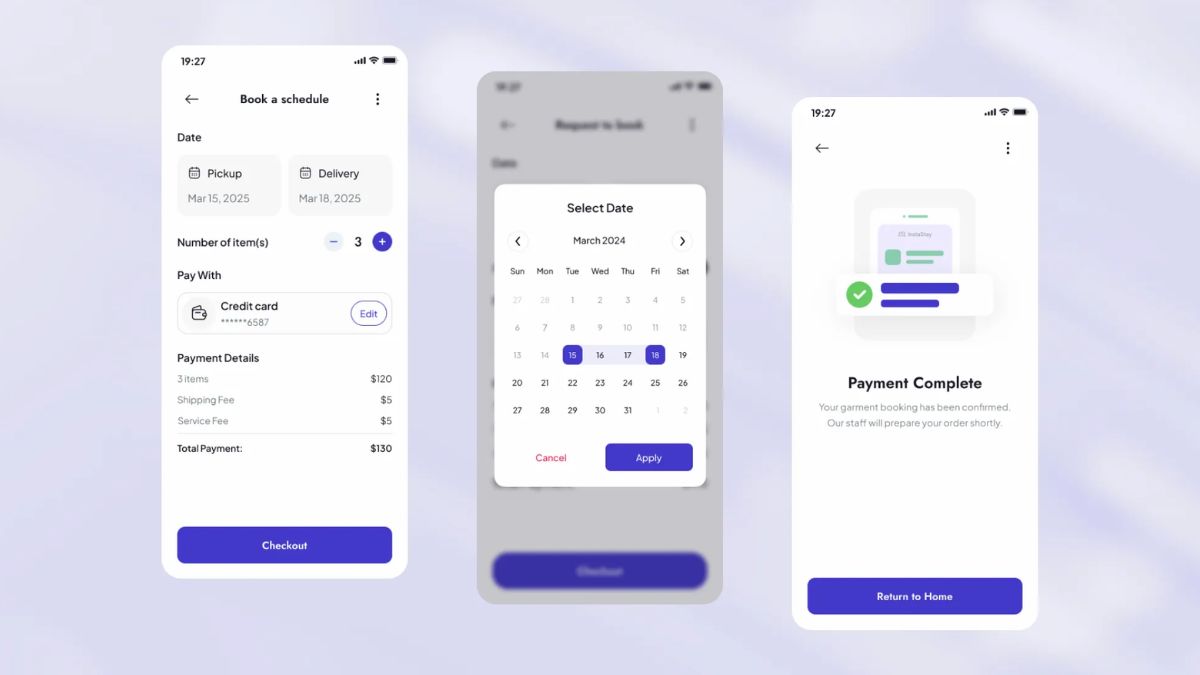
In one project, we helped an Australian provider serving hospitals and other large facilities streamline asset control with an RFID-based mobile solution:
- Challenge: Staff had to verify large volumes of garments and room assets manually, which could take an entire day. The solution also had to work with specialized RFID hardware that was not available to our development team.
- Our approach: We built a mobile workflow that could scan RFID-tagged items in bulk, store data offline, synchronize later, and validate records against the backend. Testing was organized iteratively with the client on the actual device, allowing the application to be refined despite the hardware constraint.
- Result: The new workflow reduced garment verification from a full day to just a few minutes and enabled staff to audit hundreds of items with a handheld reader.
Read the full case study, Reducing Manual Garment Verification in Healthcare Facilities from a Full Day to Minutes, to see how Newwave Solutions redesigned the workflow and delivered measurable operational gains.
Conclusion
AI automation in healthcare is most effective when it becomes part of how clinical and administrative teams already work. The goal is not to automate every possible step, but to create a system where data, AI outputs, human review, and follow-up actions work together in a controlled way. That makes workflow design just as important as the AI itself.
A sensible next step is to identify one process where automation can solve a clear operational problem and test it under real conditions. Newwave Solutions can support this from use-case planning through integration and refinement. Contact our team to explore which healthcare workflow is the right starting point for AI automation.
FAQs
1. How much does AI automation reduce healthcare costs?
The savings vary by workflow, scale, and how well the automation is integrated with existing systems. The biggest cost impact usually comes from reducing manual administrative work, shortening processing time, lowering error rates, and allowing staff to spend less time on repetitive tasks.
2. Can AI automation replace healthcare workers?
No. AI automation is better suited to handling repeatable tasks, processing information, and supporting decisions, while healthcare professionals remain responsible for judgment, patient communication, and high-risk clinical decisions. In practice, the strongest model is usually human-in-the-loop rather than fully autonomous care.
3. How does AI automation improve patient care quality?
AI automation can help surface relevant information faster, flag cases that may need attention, reduce documentation burden, and make routine processes more consistent. This can give care teams more timely inputs and more time to focus on direct patient care.
4. Can AI automation integrate with existing healthcare systems?
Yes, provided the systems support suitable integration methods and data standards. AI solutions can connect with EHRs, billing systems, laboratory platforms, imaging systems, and other healthcare applications through APIs and standards such as HL7 FHIR and DICOM.
5. Is AI automation in healthcare HIPAA compliant?
AI automation itself is not automatically HIPAA compliant. Compliance depends on how the solution is designed, hosted, accessed, and monitored, including controls for PHI, encryption, access permissions, audit trails, and secure data exchange.
Source
- Becker’s Hospital Review. Administrative costs now eat 25% to 35% of U.S. health spending: AHA.
https://www.beckershospitalreview.com/finance/administrative-costs-now-eat-25-to-35-of-us-health-spending-aha/ - American Medical Association. Physician burnout rate drops below 50% for first time in 4 years.
https://www.ama-assn.org/practice-management/physician-health/physician-burnout-rate-drops-below-50-first-time-4-years - Morgan Stanley. AI in Health Care: The Potential to Transform the Industry.
https://www.morganstanley.com/ideas/ai-in-health-care-forecast-2023 - NIST AI Risk Management Framework. https://airc.nist.gov/airmf-resources/playbook/measure/
- McKinsey & Company. Reimagining healthcare industry service operations in the age of AI.
https://www.mckinsey.com/industries/healthcare/our-insights/reimagining-healthcare-industry-service-operations-in-the-age-of-ai - American Journal of Roentgenology. AJR Research Article.
https://www.ajronline.org/doi/full/10.2214/AJR.17.18718 - Google for Education. Wake Forest Baptist Comprehensive Cancer Center Customer Story.
https://edu.google.com/resources/customer-stories/wake-forest-google-cloud/ - PubMed Central. Study on Ambient AI Scribes in Outpatient Consultations.
https://pmc.ncbi.nlm.nih.gov/articles/PMC13037756/ - Mount Sinai. AI Model Improves Delirium Prediction, Leading to Better Health Outcomes for Hospitalized Patients.
https://www.mountsinai.org/about/newsroom/2025/ai-model-improves-delirium-prediction-leading-to-better-health-outcomes-for-hospitalized-patients - Keragon. AI in Healthcare Statistics.
https://www.keragon.com/blog/ai-in-healthcare-statistics
To Quang Duy is the CEO of Newwave Solutions, a leading Vietnamese software company. He is recognized as a standout technology consultant. Connect with him on LinkedIn and Twitter.



Read More Guides


Get stories in your inbox twice a month.
Let’s Build Something Extraordinary
Sign up for a 30 min no-obligation strategic session with us. Transform your Ideas into scalable reality.
Leave a Reply