


Turning Fragmented Parking Supply into a Transaction-Ready Marketplace
Mobility - Japan Client - Mobile App Development – Cross-Platform - 3 months – 7 man-months
The client needed to transform fragmented, privately owned parking spaces into bookable inventory that drivers could discover and reserve in advance. Newwave Solutions structured the product as a two-sided transaction platform, connecting space registration and availability management with location-based search, booking, verification, and payment. The result was a mobile foundation capable of converting idle parking capacity into reservable, commercially usable urban supply.
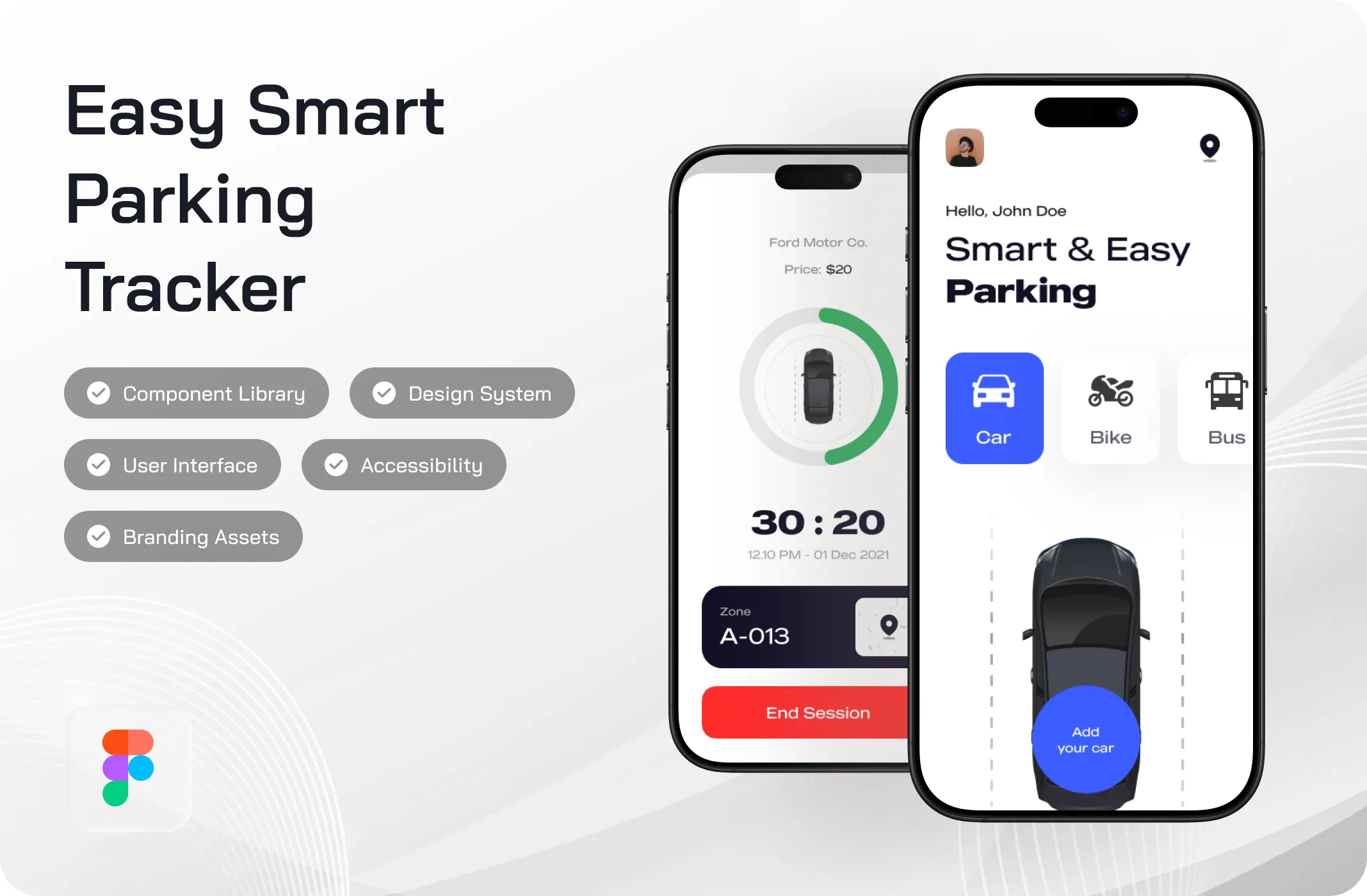
About our client
The client was a Japan-based technology company pursuing a parking-sharing model built around underused private spaces. Its vision was to give drivers more predictable access to parking near their destinations while enabling homeowners, apartment operators, and businesses to earn from capacity that would otherwise remain idle.
To make that model commercially viable, the client needed more than a parking search application. It needed a platform that could organize fragmented supply, support advance reservations, and connect both sides of the marketplace through a complete digital transaction.

Services

Platform

Type

Team size
7 man-month
Their Business Stakes
The commercial challenge was not simply making parking spaces visible. The platform had to convert irregular, privately managed spaces into inventory that could be registered, scheduled, discovered, reserved, and paid for through a consistent process. If any part of that loop failed, the service risked having listed spaces without completed transactions.
Many available parking spaces were not fully utilized, so the platform needed to make these spaces visible, searchable, and usable through a mobile experience.
Drivers needed to secure parking before arriving at their destination, especially for events, customer visits, or other short-term use cases. Without reservation certainty, users could still face stress, wasted time, or last-minute parking issues.
Parking space owners needed a simple way to register vacant spaces, set available hours, and earn income from actual usage. If this flow was difficult, the service would struggle to attract enough supply.
The service needed to connect map-based search, usage date selection, vehicle information, reservation, and online payment in one clear flow. Any friction in this journey could reduce booking completion and weaken platform adoption.
Our Approach
The team’s central product decision was to organize the platform around the complete parking transaction rather than develop search, booking, payment, and owner management as disconnected modules.
A search-first approach would have allowed drivers to locate nearby spaces quickly, but it would not solve the client’s broader marketplace challenge. Each parking result also needed verified availability, reservable time slots, owner information, and a path to payment. The team therefore connected demand-side discovery with supply-side registration and scheduling through one shared transaction flow.
This decision kept the initial delivery focused on the capabilities required to move a parking space from idle capacity to completed booking, giving the client a stronger foundation for marketplace adoption and monetization.
Technical Decisions
The technical direction focused on turning fragmented parking capacity into transaction-ready inventory while keeping the experience connected for both drivers and parking owners.

Two-sided platform structure
Because the business depended on both parking demand and owner-provided supply, the team connected owner registration and availability management with driver-side search, reservation, and payment. This allowed the product to support complete transactions instead of functioning only as a parking search app.

Shared Flutter codebase
The client needed to launch on both iOS and Android within a constrained timeline. A shared Flutter codebase accelerated delivery, maintained a consistent experience across devices, and reduced the effort required to maintain two separate applications.

Map-based parking discovery with Google Maps
Since parking value depends heavily on proximity, Google Maps and mobile location data were used to organize discovery around the user’s destination. This made fragmented parking spaces easier to find at the moment demand occurred.

Integrated booking and payment
Parking discovery would not generate business value if users still had to coordinate reservations or payments manually. Connecting booking with Stripe-powered payment created a clearer path from search intent to completed transactions.

Notification support with FCM
Users needed visibility after making a reservation or payment. FCM notifications kept them informed of relevant status changes, reducing uncertainty and maintaining confidence throughout the booking journey.

KYC and user verification flow
Since the service connects drivers and parking space owners, user verification was important for building transaction confidence. The KYC flow helped reduce trust barriers and supported safer interactions between both sides of the platform.

Owner-controlled availability
Parking spaces could only become usable inventory when owners could define when they were available. Owner-side registration and availability management converted unused spaces and time slots into structured, reservable marketplace supply.
With 7 man-months of effort and a constrained delivery timeline, the team prioritized the transaction-critical journeys before expanding secondary functionality. Requirements, dependencies, and acceptance status were managed through a shared Jira workflow, giving both teams visibility into how changes affected search, reservation, payment, and owner operations.
This journey-based coordination helped prevent individual feature decisions from creating gaps elsewhere in the transaction flow, particularly where driver actions depended on owner-provided availability and booking information.
Risk Handling
Parking spaces could appear searchable while lacking the availability and owner-side information required for booking. The team therefore connected each listing to space registration and time-slot management, ensuring that discovery led toward reservable inventory rather than static location data. This protected the platform from becoming a directory with limited monetization potential.
Also, because drivers and parking owners often had no prior relationship, limited identity and booking visibility could weaken confidence on both sides. The platform combined user verification with timely booking notifications, helping reduce uncertainty before and after a reservation.
Product Outcome
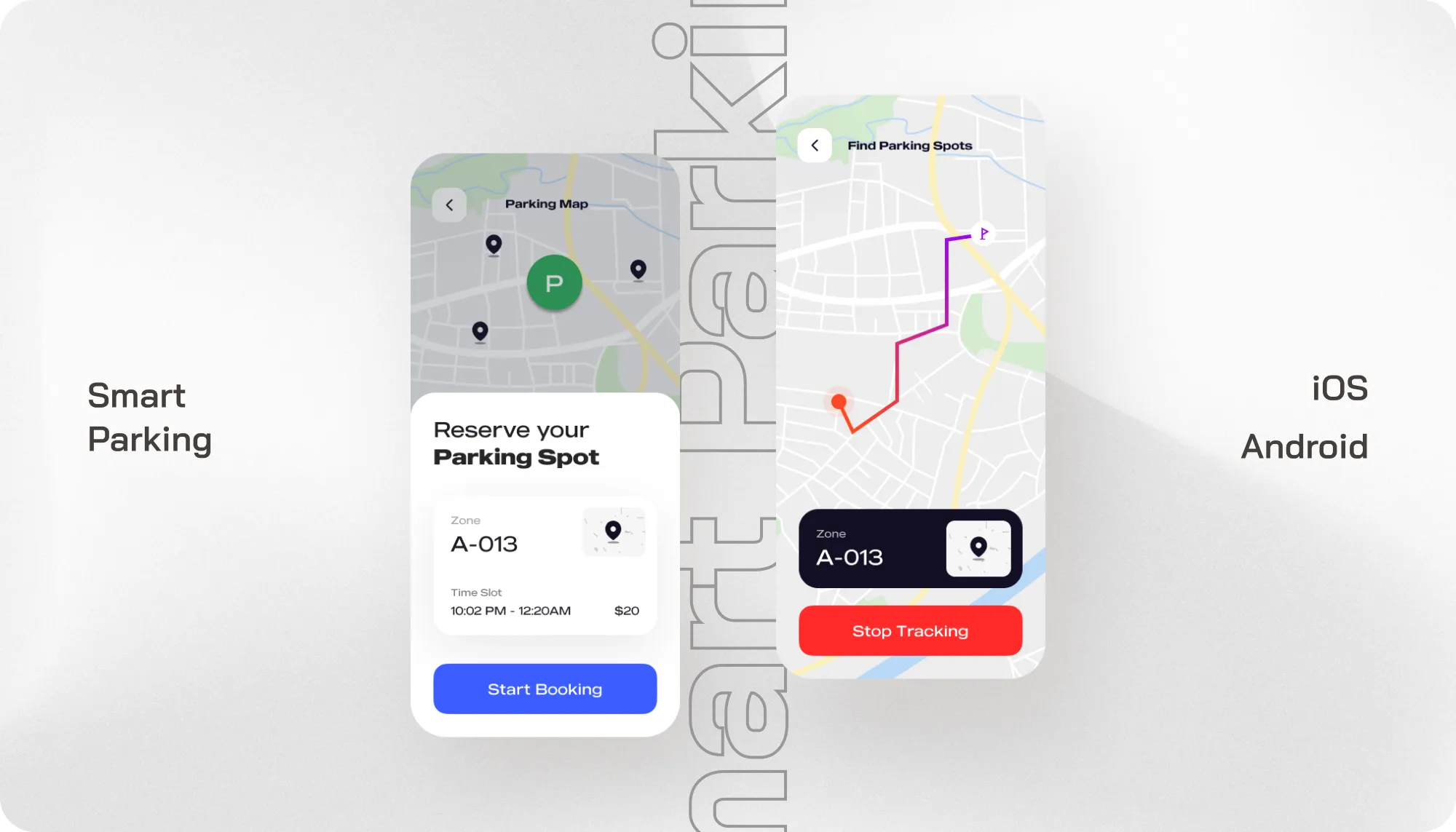
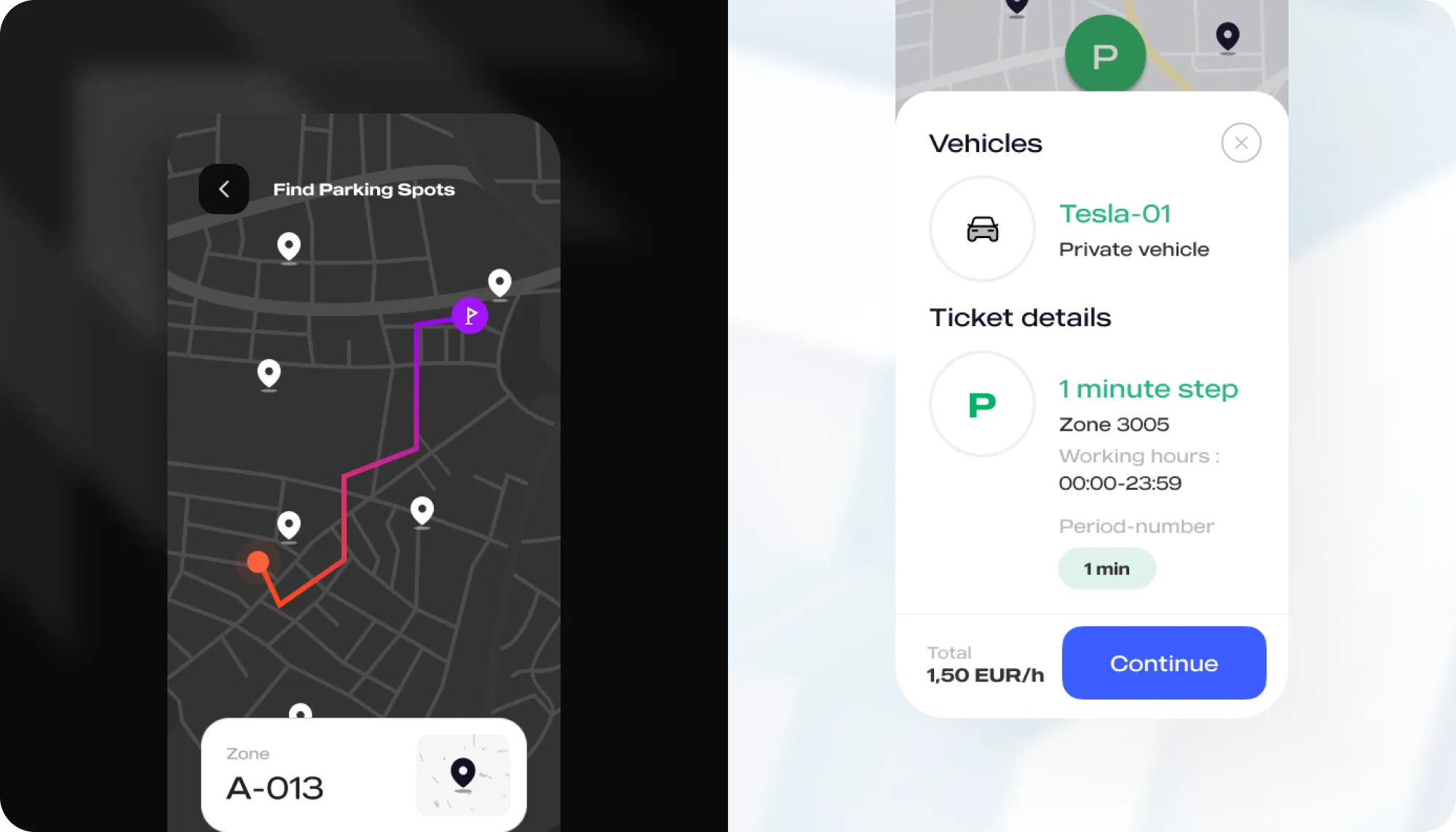
Available parking spaces could be displayed through map-based search. This helped the service convert scattered and underused parking capacity into visible supply, making the platform more useful for drivers and more scalable as new owners joined.
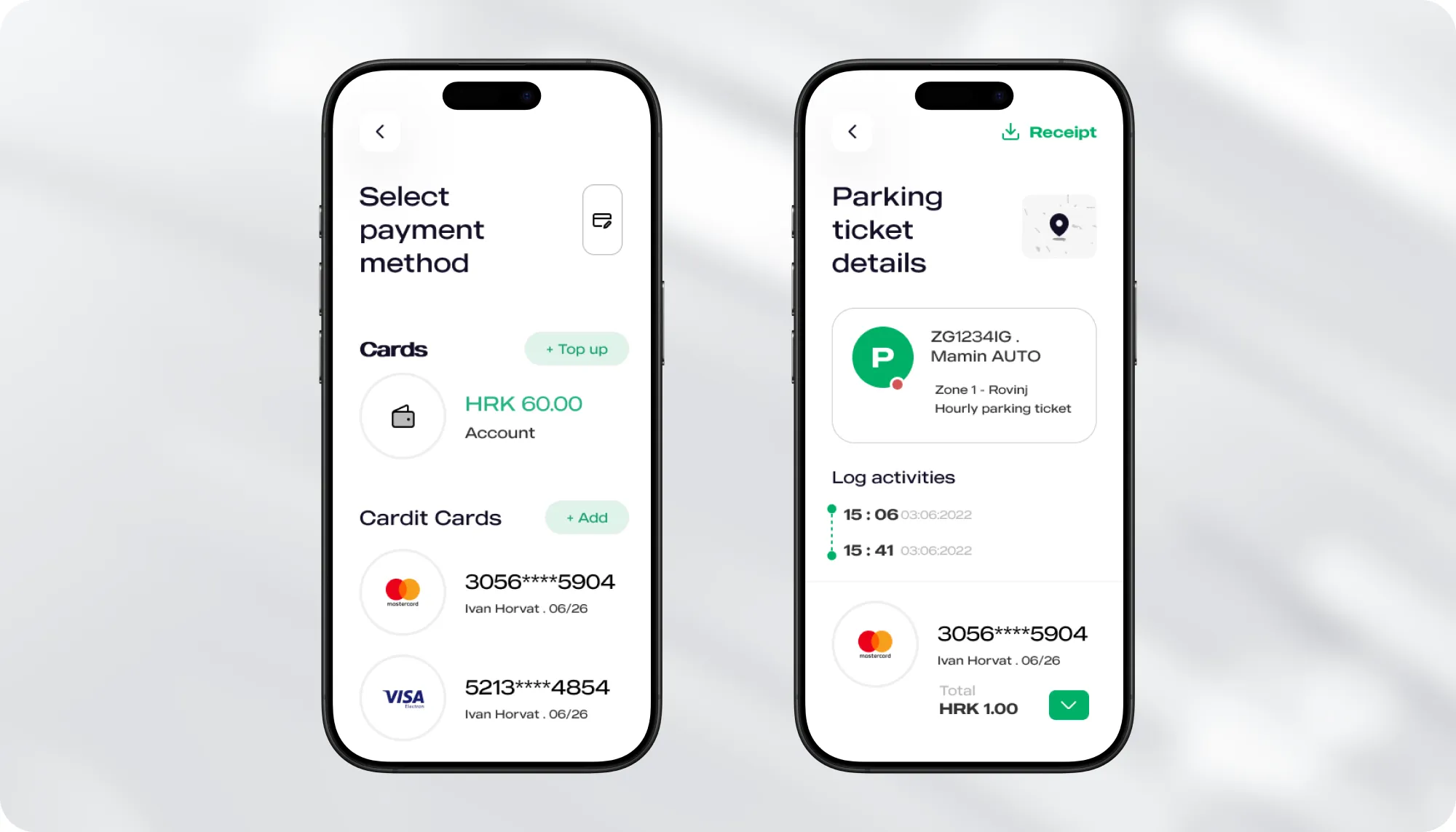
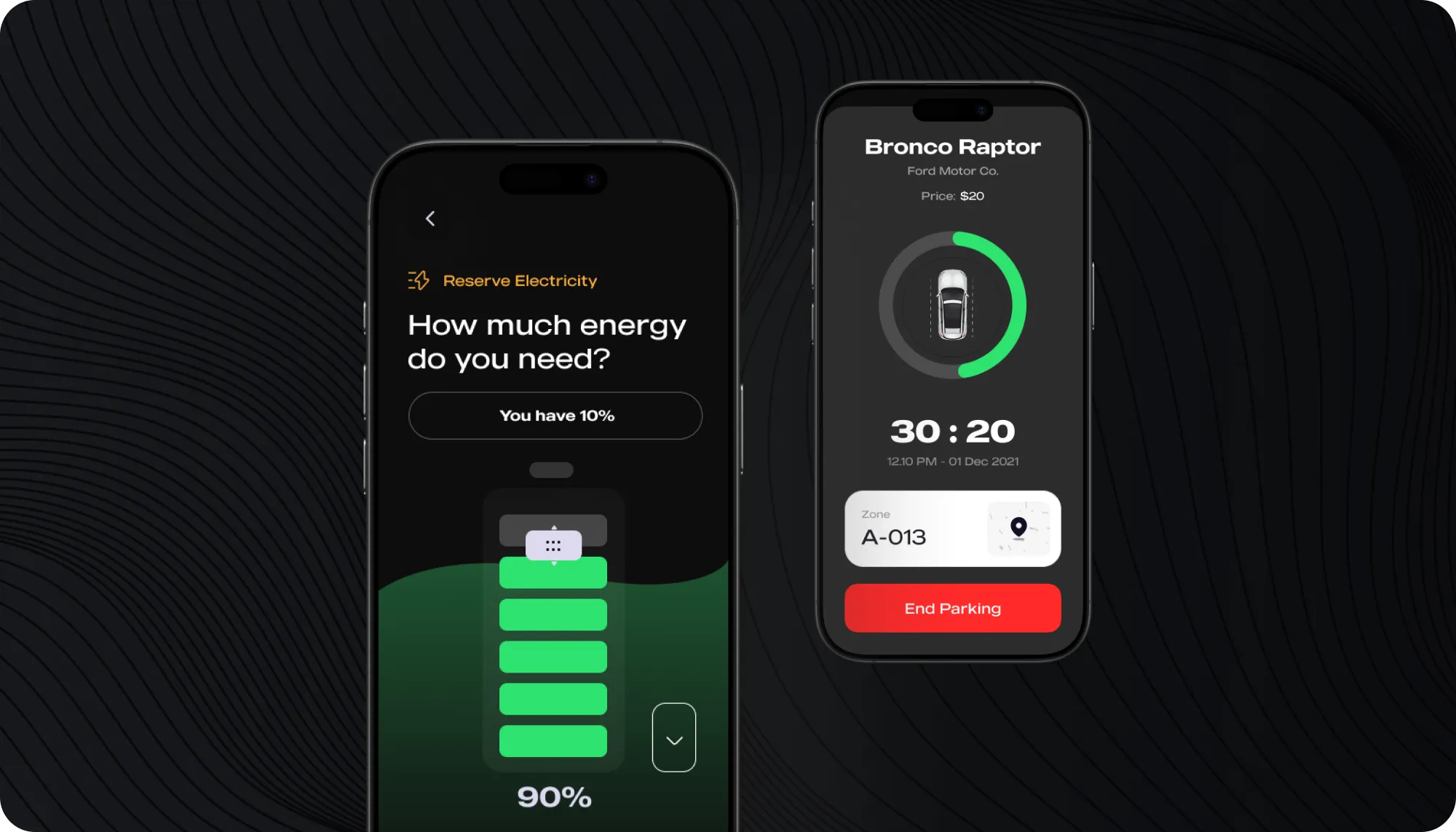
This turned parking discovery into a completed transaction, reducing the risk of users leaving the app after search and helping the platform capture demand at the moment of intent.
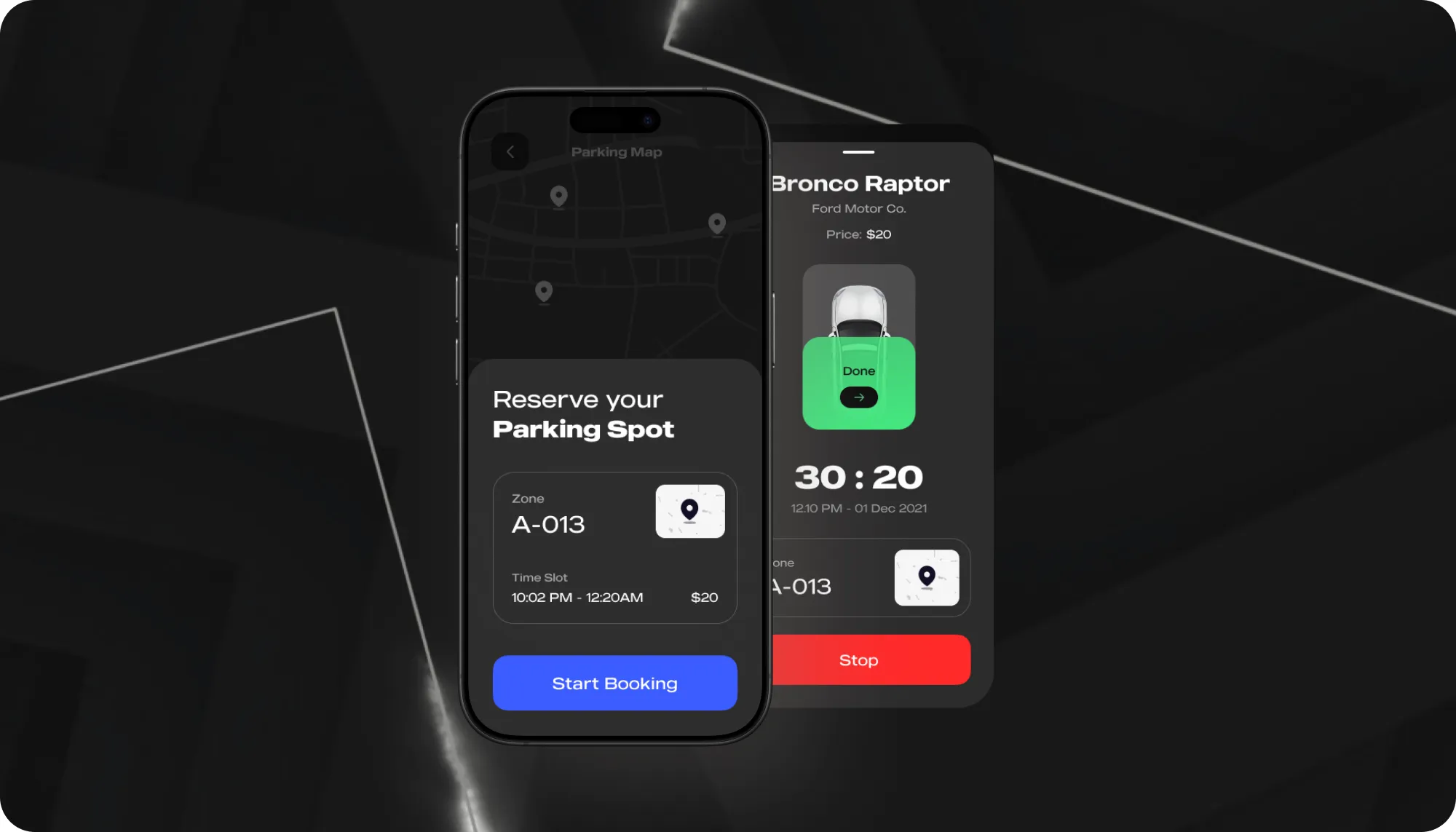
Owners could register unused parking spaces and available time slots for rental. This gave the platform a stronger supply acquisition mechanism by allowing individuals to generate income from idle spaces, creating a practical reason for owners to keep contributing parking inventory.
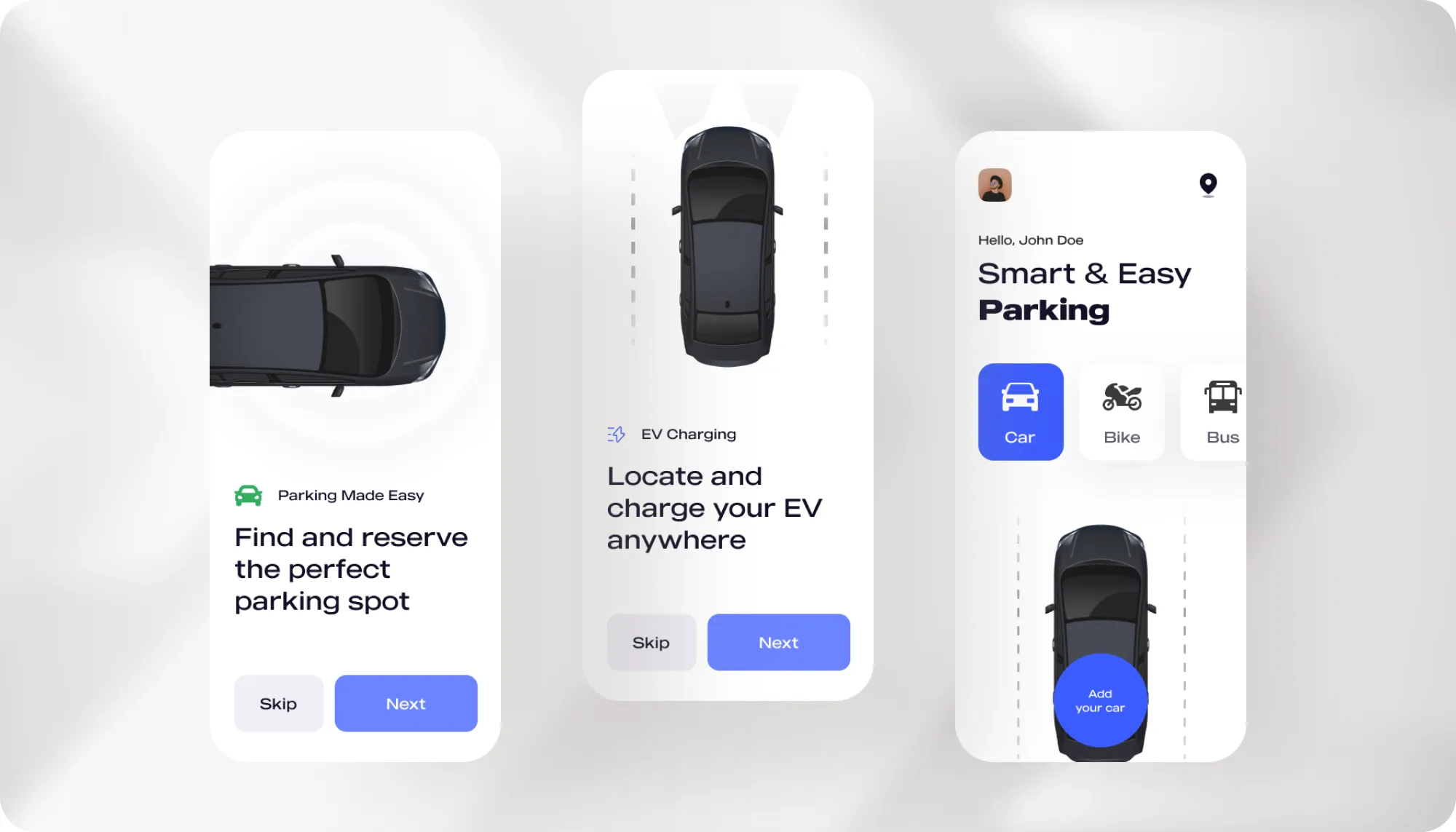
The platform supported use cases that traditional coin-operated parking may not fully cover, such as advance reservation and multiple entries or exits within the reserved time. This expanded the service beyond simple parking availability and positioned it for planned, repeated, and situation-based parking needs such as events, visits, parks, or short-term work.
Business Impacts

The delivery gave the client an operational foundation for running a two-sided parking marketplace, not merely publishing parking locations. By connecting owner-managed availability with driver search, reservation, and payment, the platform created a direct path from idle physical capacity to digital transactions.
This positioned the client to expand parking supply, validate marketplace demand, and develop new revenue opportunities without relying on manual matching between drivers and space owners.
Related Case Study

Let’s Build Something Extraordinary
Sign up for a 30 min no-obligation strategic session with us. Transform your Ideas into scalable reality.