


Scaling a Live Print on Demand Ecosystemto 1,500 Daily Orders
Print-on-Demand Commerce - Japan - Web & Mobile Development - 15 Members - OSDC Model
Turning user created designs into real commerce requires more than an online storefront. The client needed a stable Print on Demand ecosystem where product creation, sales and fulfillment could grow without disrupting daily operations. The system connected a design tool, creator storefronts and print fulfillment workflows, helping users move from digital creation to production and delivery. As an extension of the client’s product and engineering capacity, Newwave Solutions supported continuous improvement through a dedicated development setup. The platform later scaled from around 100 to 1500 orders per day, proving its ability to support higher commercial volume across a complex POD model.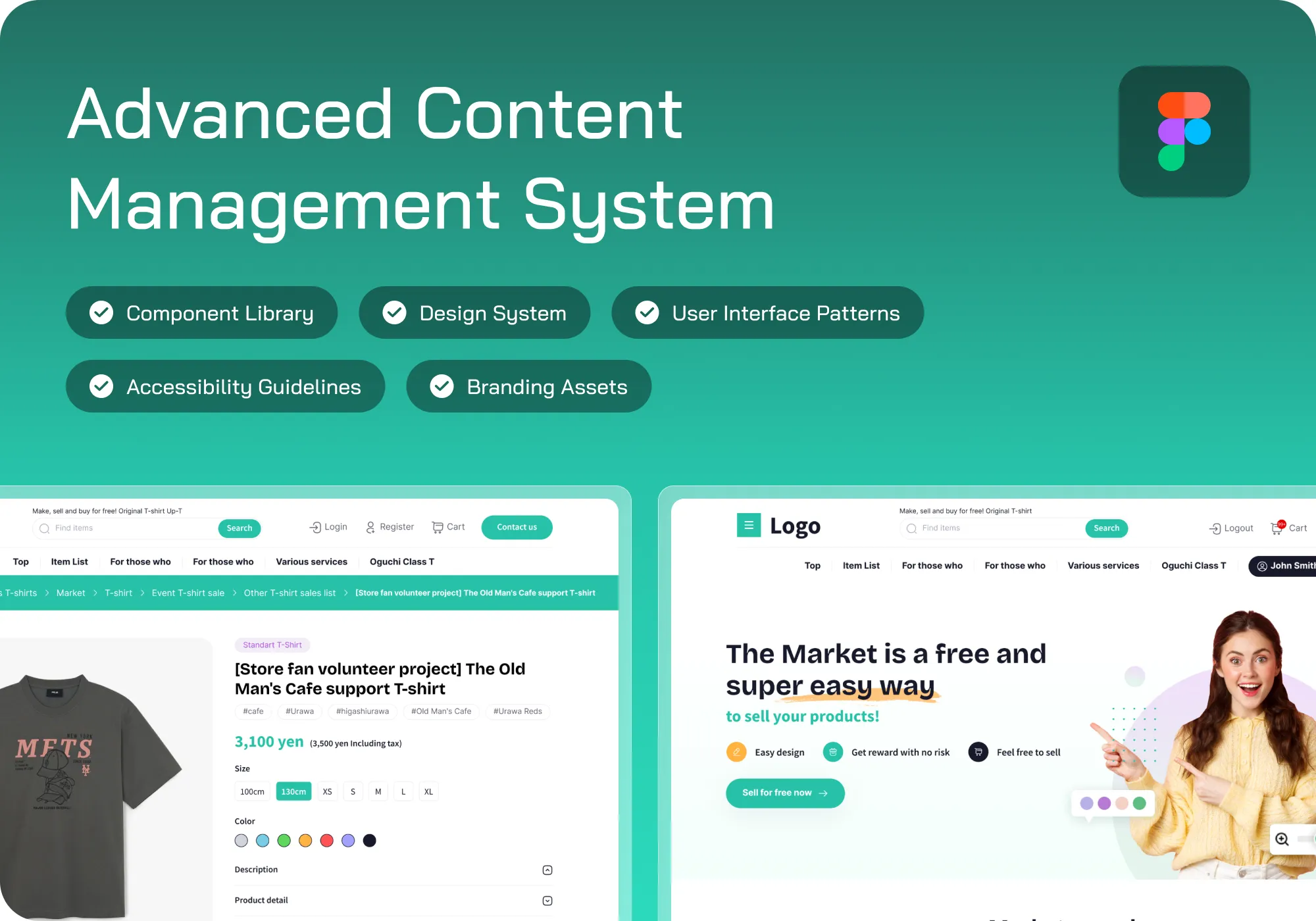
Client Context
The client is a Japanese Print on Demand commerce business for customizable goods such as apparel, bags and phone cases.
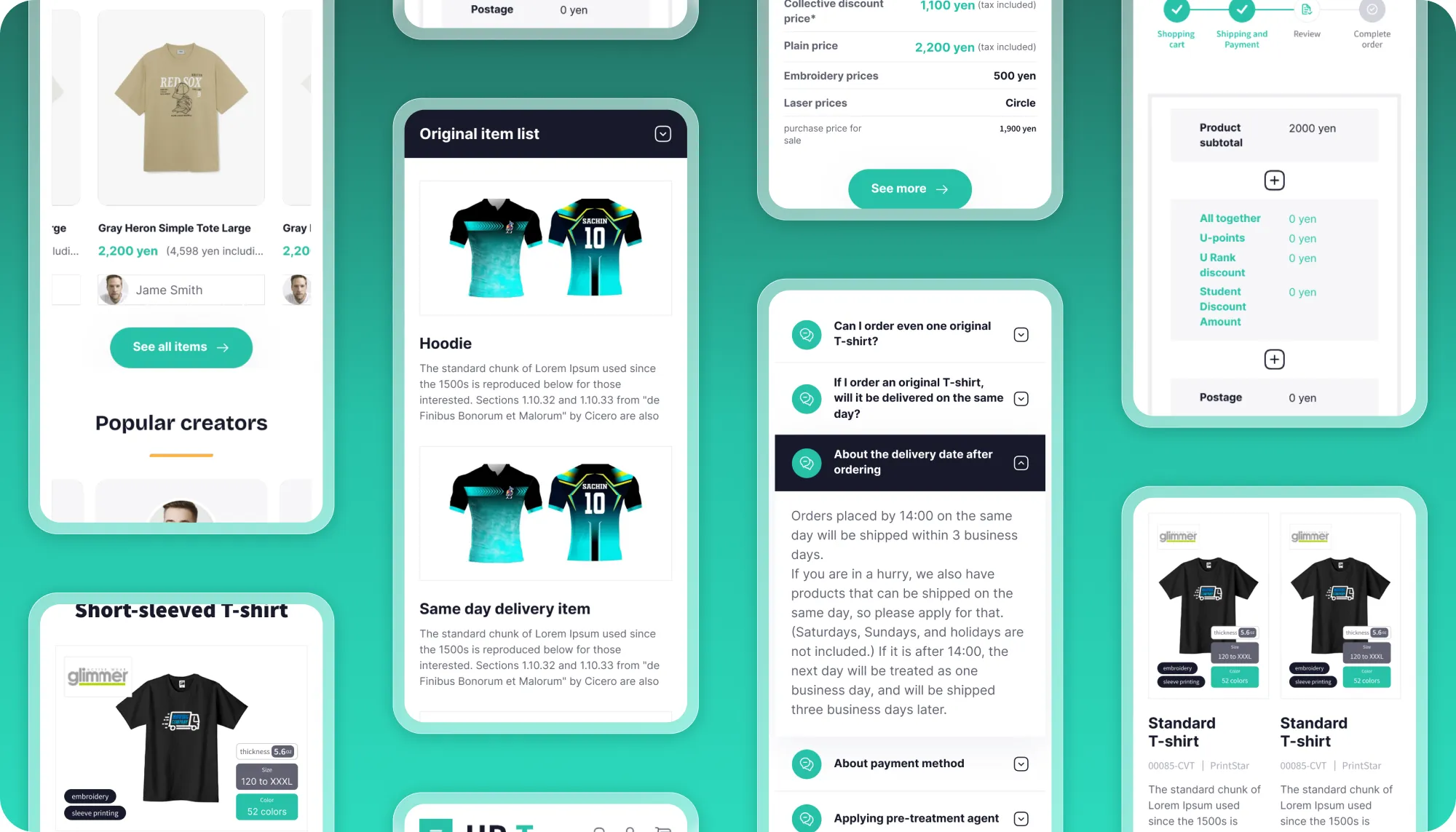
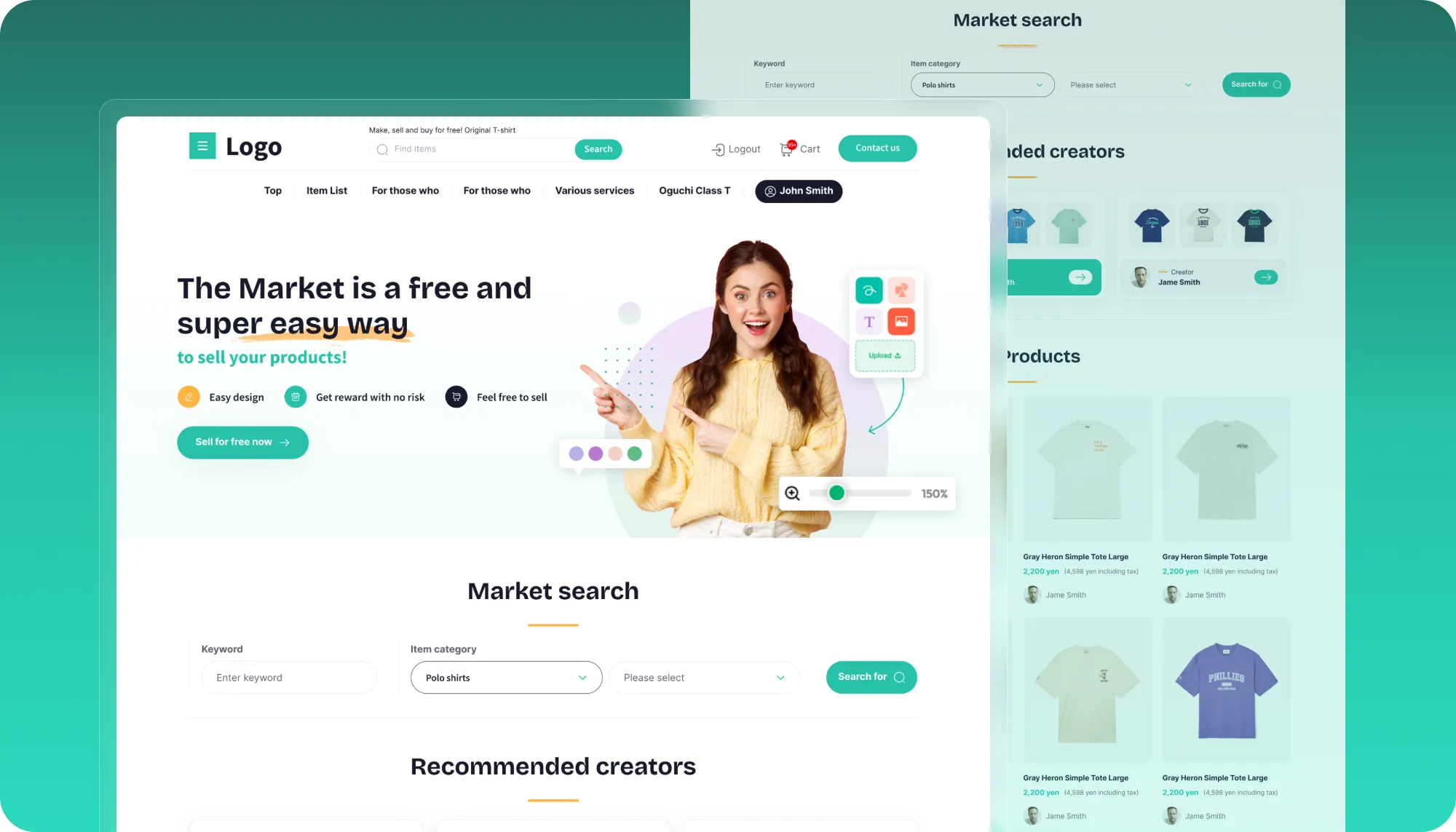
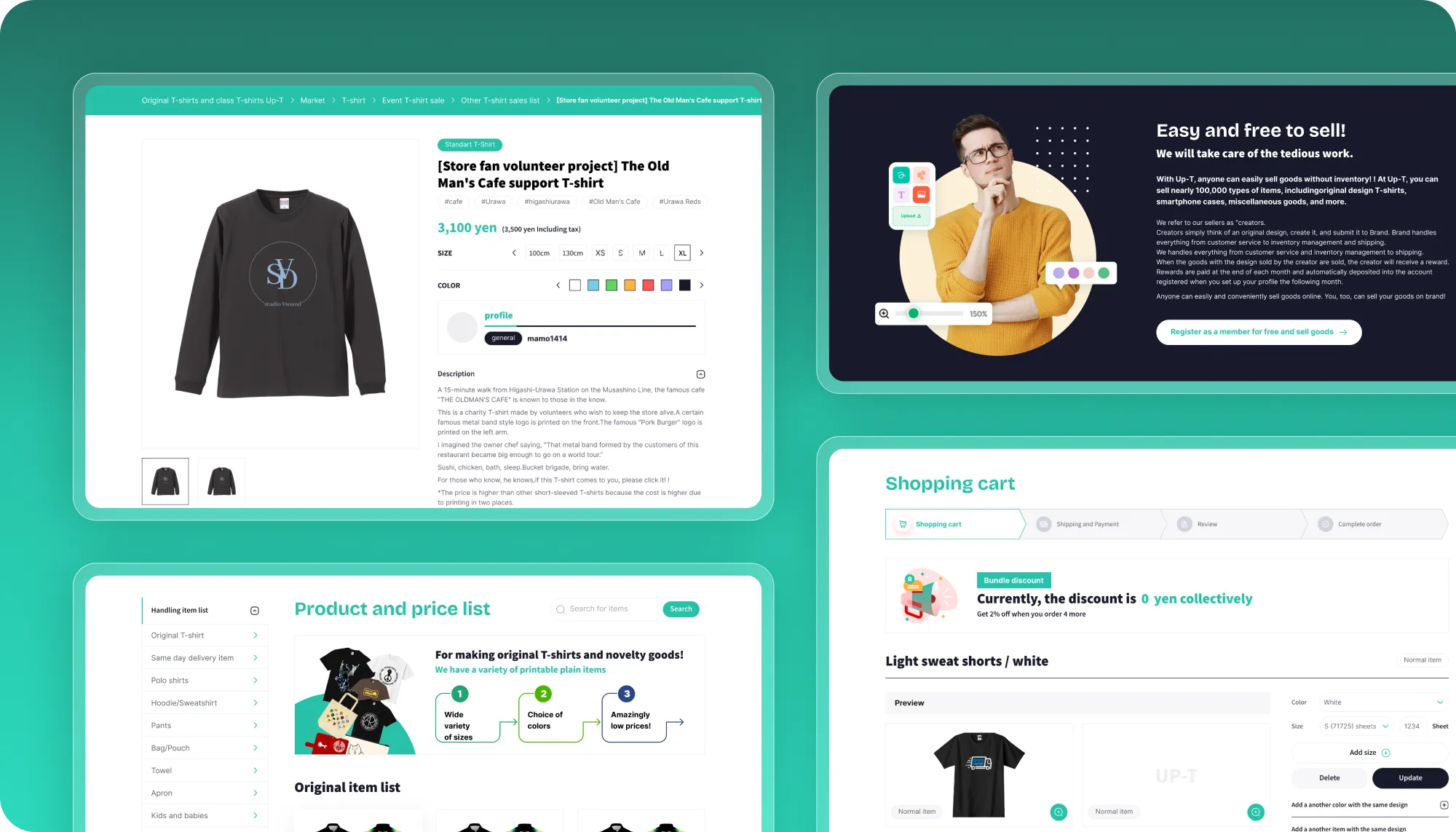
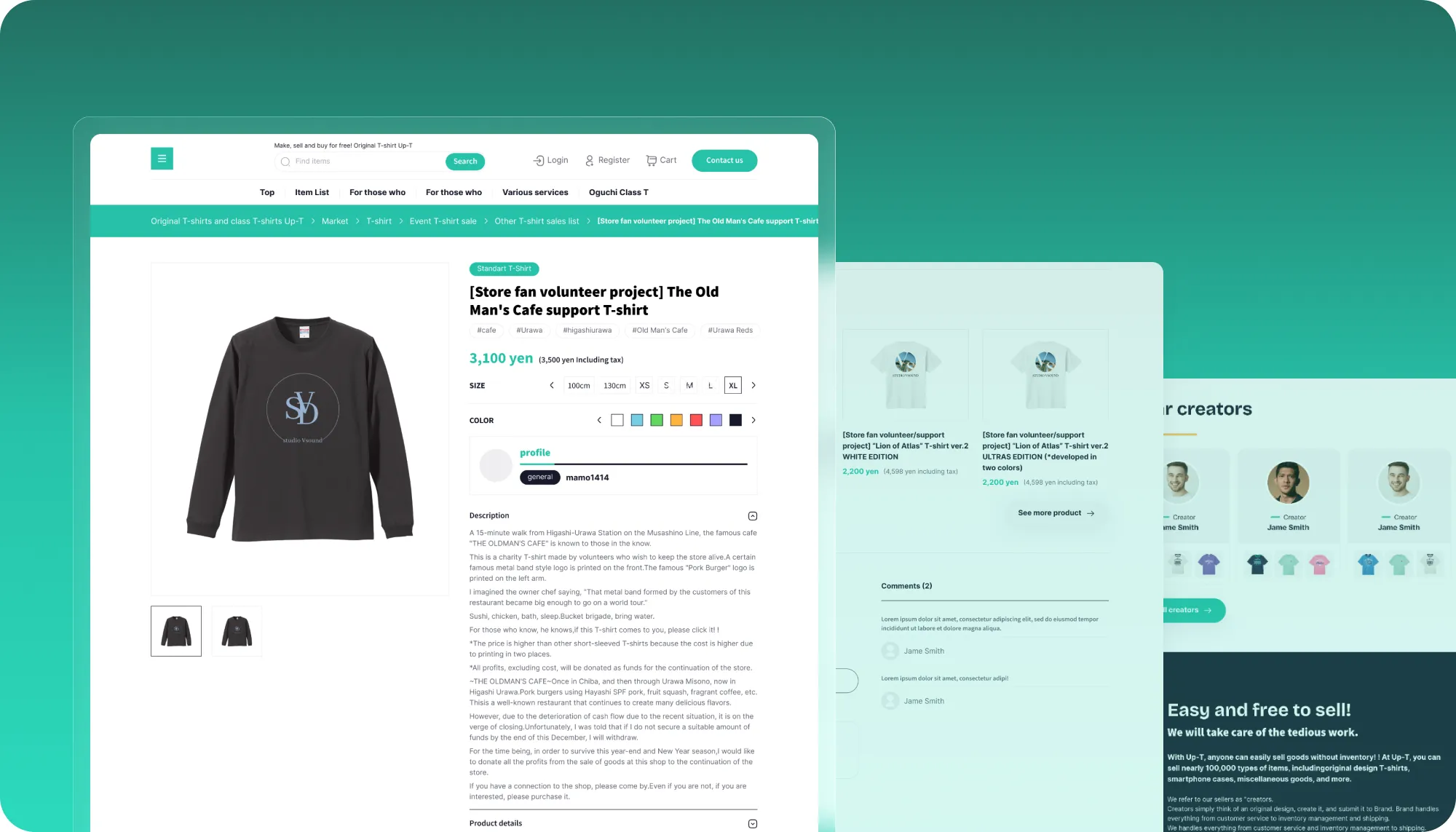
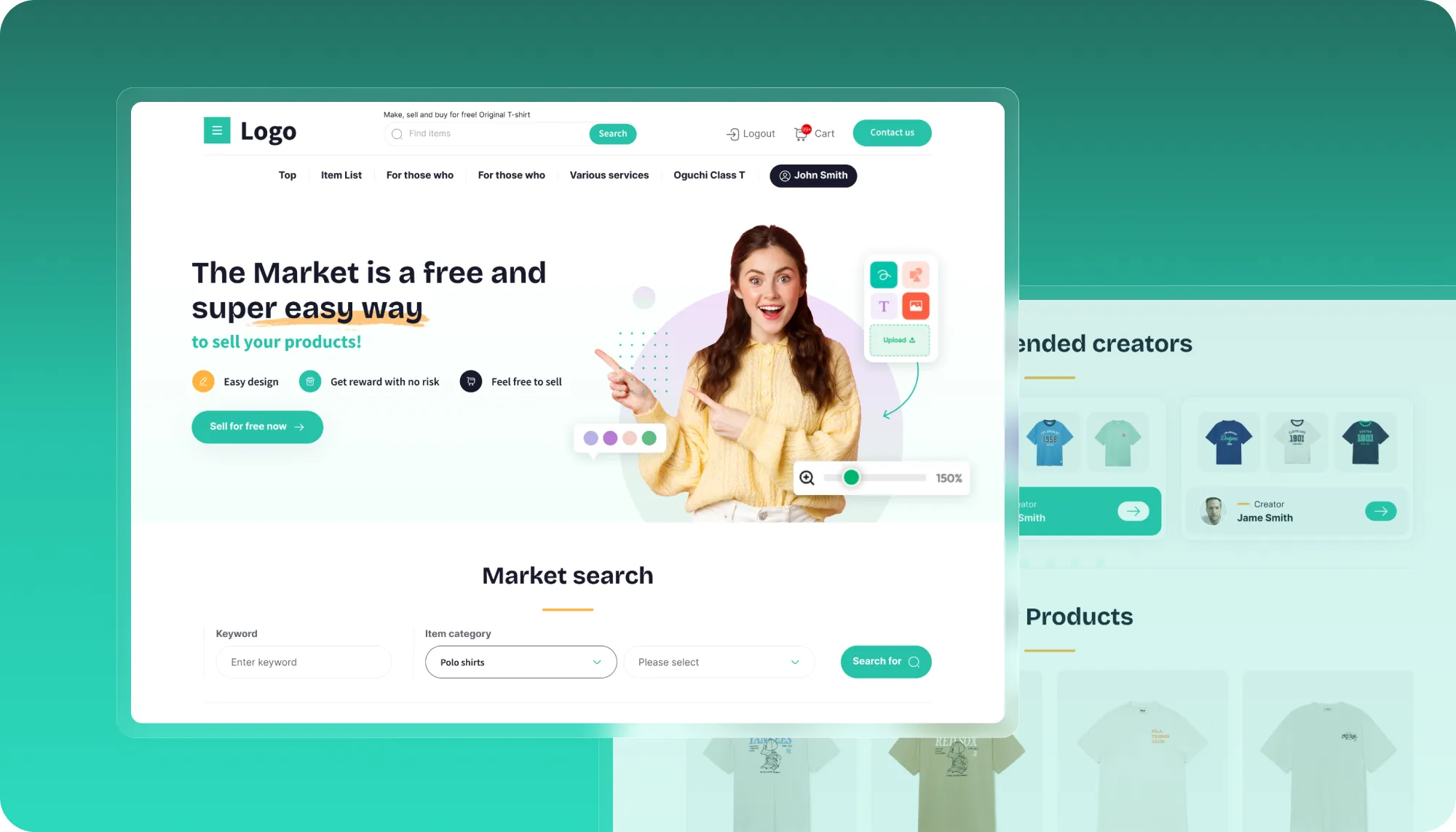
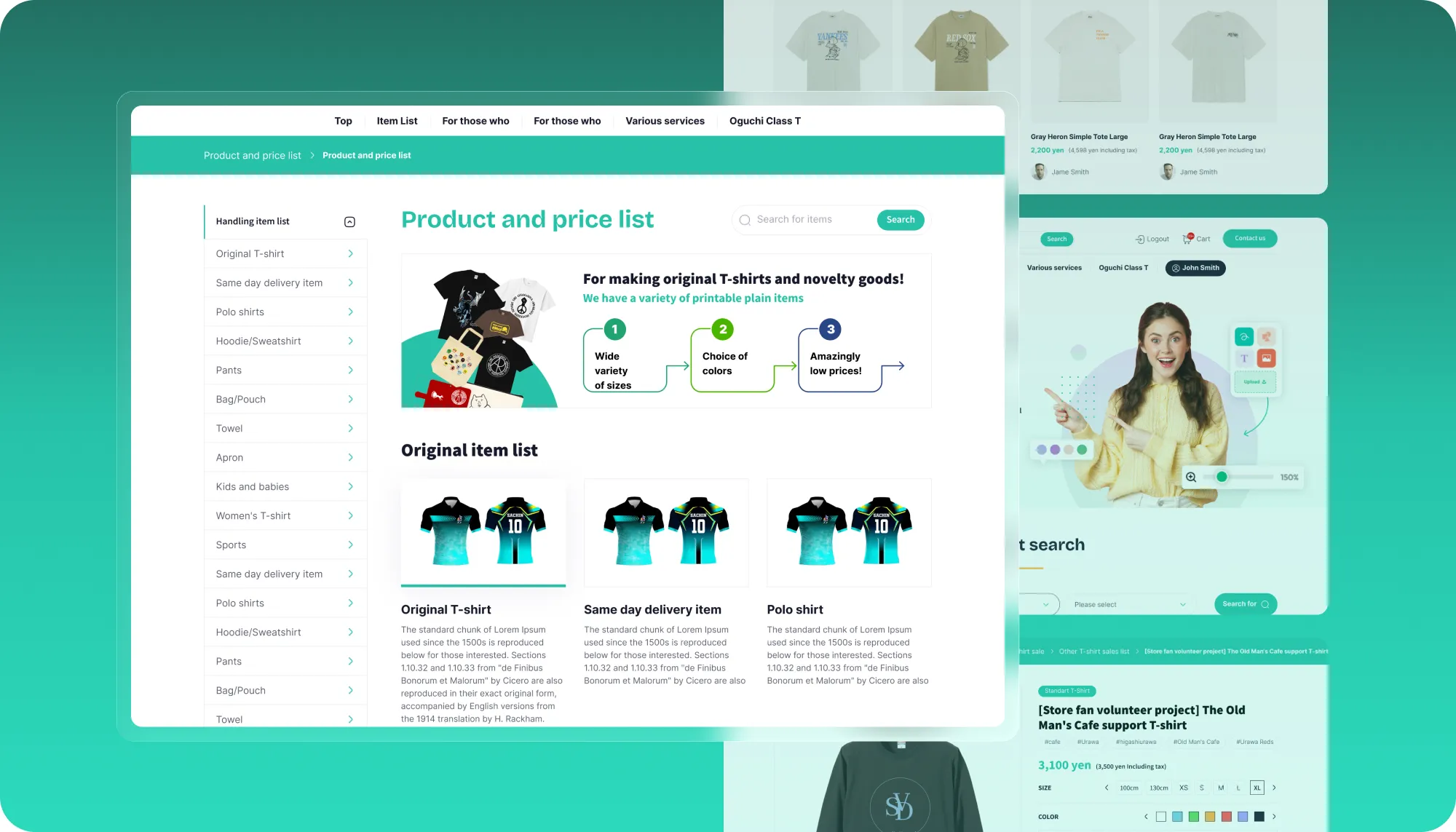
Its ecosystem served creators, buyers and fulfillment teams through a design tool, marketplace, creator storefronts and print operations. Users could design products, buy ready-made items or sell through their own stores. After purchase, order data moved into fulfillment for printing and delivery handoff. The system therefore operated as commerce infrastructure where design, sales, production and delivery had to stay connected at scale.


Business Stakes
As the platform became part of daily Print on Demand commerce operations, every update had to support business growth without disrupting active product creation, sales and fulfillment. The client needed continuous engineering support to keep the system stable, secure and adaptable as commercial volume increased.
Product creation, storefront sales and fulfillment workflows had to stay connected because any disruption could affect daily transactions and the experience of both creators and buyers.
As platform visibility, traffic, user data and purchase information grew, stronger security controls became important to protect customer trust and reduce the risk of transaction disruption.
The platform needed to remain stable while handling active users, orders and fulfillment activity, especially as order volume increased from around 100 to 1500 orders per day.
New business requirements had to be introduced without slowing the core commerce flow, allowing the client to keep improving the platform while daily operations continued.
Order data had to move accurately from digital product creation to printing and delivery handoff, because fulfillment issues could directly affect customer satisfaction and creator trust.
Our Approach
Newwave Solutions approached the project as a connected Print on Demand commerce ecosystem, not a single eCommerce platform. Each requirement had to be reviewed against its impact on product design flows, creator storefronts, product data, order processing, print fulfillment and delivery preparation. Before implementation, the team analyzed how each change would affect both customers facing experiences and back-office operations. This helped keep multiple business flows aligned while the client continued to improve the live system under growing traffic, larger data volume, and changing product needs.
Technical Decisions

PHP / CakePHP
Formed the backend foundation for user accounts, product data, order flows, and operational processes, giving the platform a maintainable base for ongoing feature updates.

ReactJS / JavaScript
Built the web interface for customers facing commerce functions. Users could interact with product creation, store, and purchase flows more smoothly.

Native iOS and Android
Supported native apps through platform specific implementation, using Android Java and Swift to maintain performance and usability across mobile touchpoints.

AWS Cloud Infrastructure
Supported high traffic handling, large data processing and continuous availability through AWS services such as RDS, EC2, ELB, Route53, S3 and CloudFront for scalable delivery and stronger reliability.

Docker
Standardized development and deployment environments. This reduced environment-related issues during continuous platform improvement.

Jenkins
Supported automated build and deployment processes, helping the team release updates more consistently and reduce manual delivery risks.

Fabric
Improved visibility into mobile app stability and crash related issues, helping the team respond to app problems more efficiently.
Newwave Solutions worked with the client through a Dedicated Team / OSDC model, maintaining a dedicated 15 member team for a long running engagement. This reflected the scale of a live commerce ecosystem under continuous development, not a short term build or MVP. The setup allowed the client to keep product direction close while relying on NWS for ongoing analysis, management and development support across web and mobile workstreams. The team followed an Agile and Scrum based process, using Redmine to manage requirements, tasks and progress. For a high traffic Print on Demand ecosystem, this model provided steady technical capacity over time.
Risk Handling
- One key delivery risk came from updating a live Print on Demand commerce ecosystem with high traffic, large user and purchase data, and repeated security exposure. A small issue in processing, release control or security readiness could affect product browsing, order handling, fulfillment operations and customer trust. To reduce this risk, Newwave Solutions reviewed each request before implementation and kept changes aligned with the wider system flow. AWS, Docker and Jenkins supported infrastructure stability, controlled releases and service continuity while daily operations continued. Because the platform had strong visibility and repeated attack attempts, security remained a continuous requirement. Across releases, the team strengthened protection for user data, transaction continuity and customer trust.
Product Outcomes
The platform grew from handling around 100 to 200 orders per day to supporting 1K to 1.5K orders per day, showing stronger capacity for high volume custom commerce operations.
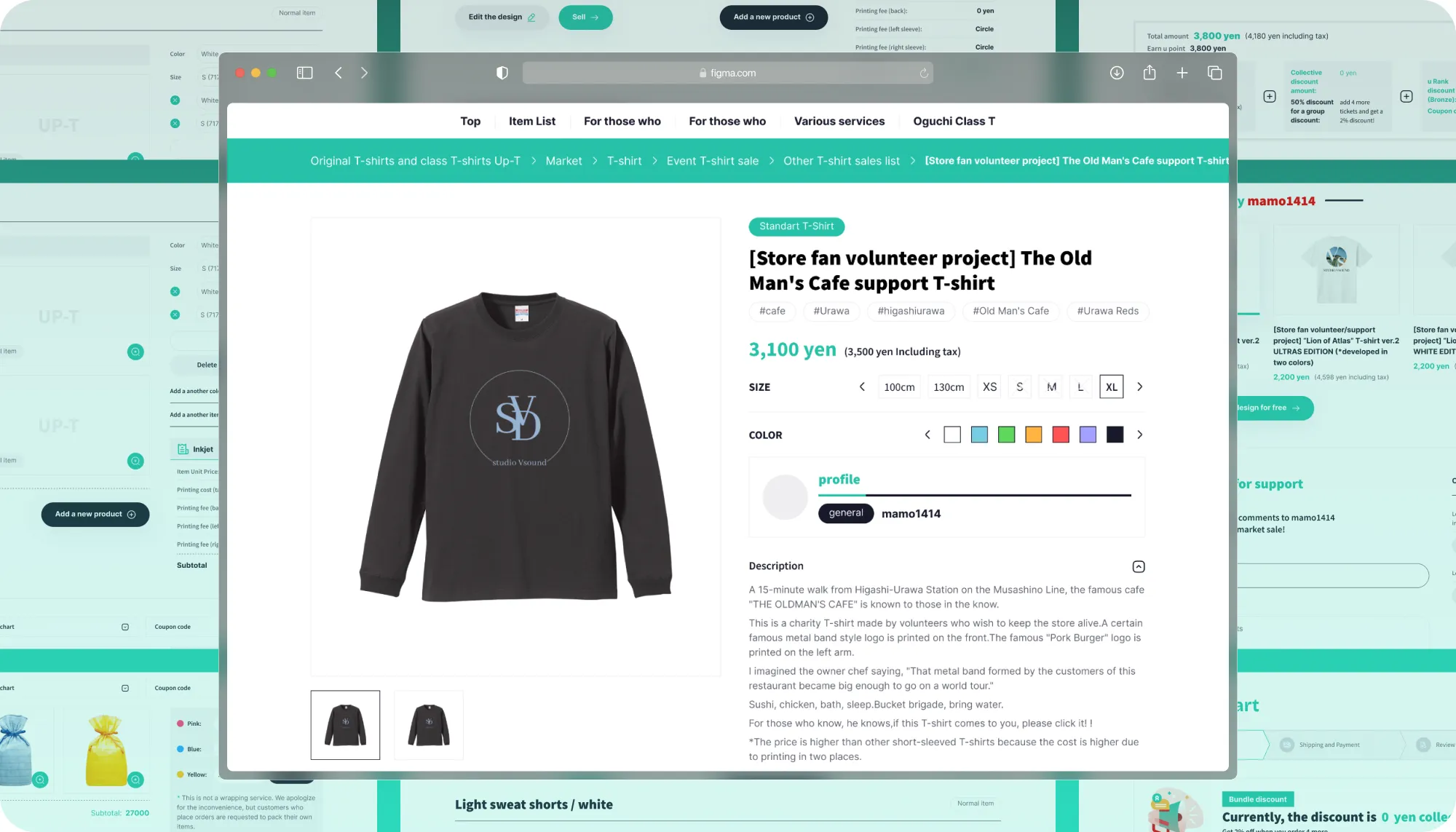
Users could move from product design and purchase to printing and delivery within one connected POD flow. This created a smoother path from digital creation to physical fulfillment.
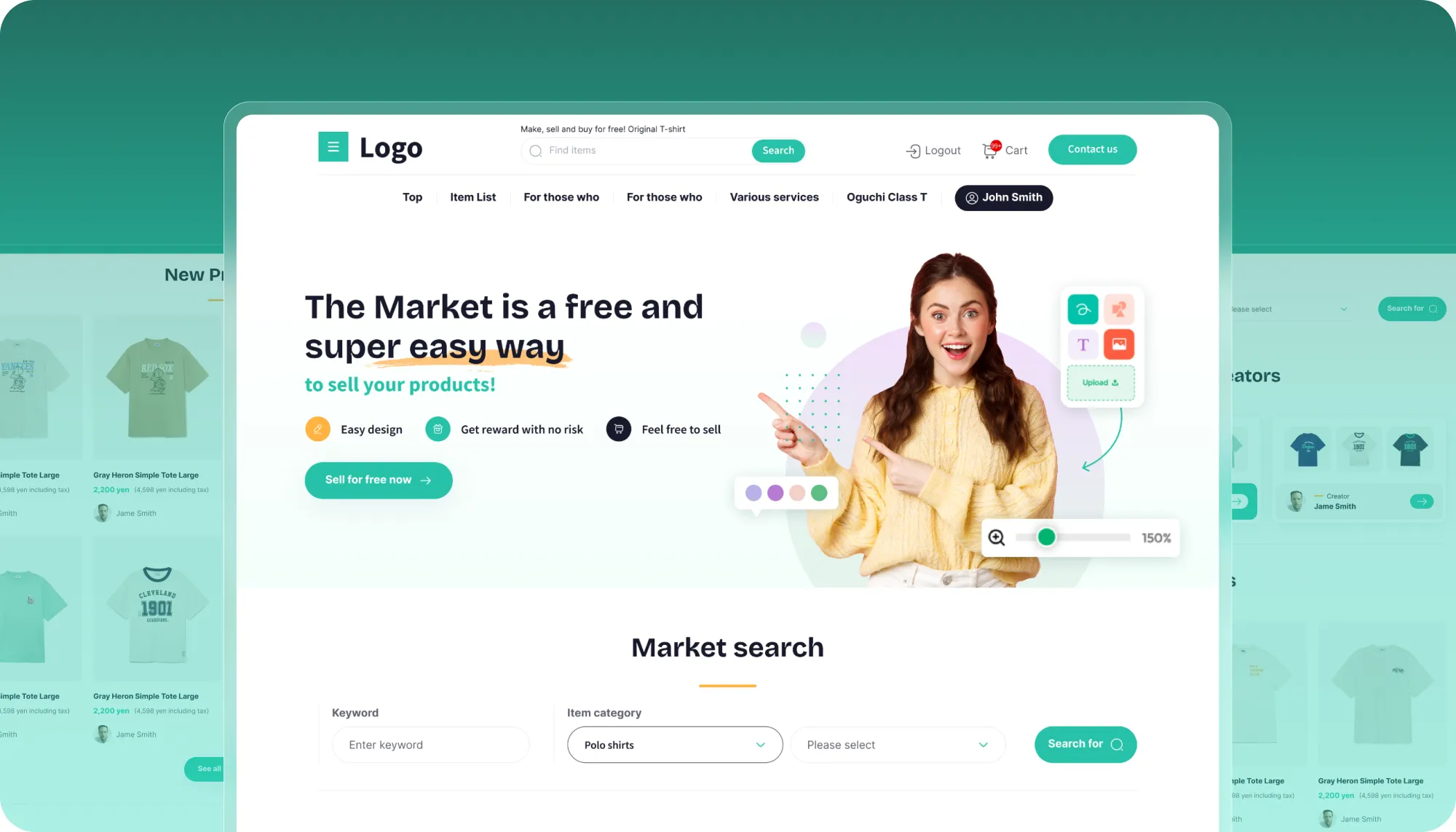
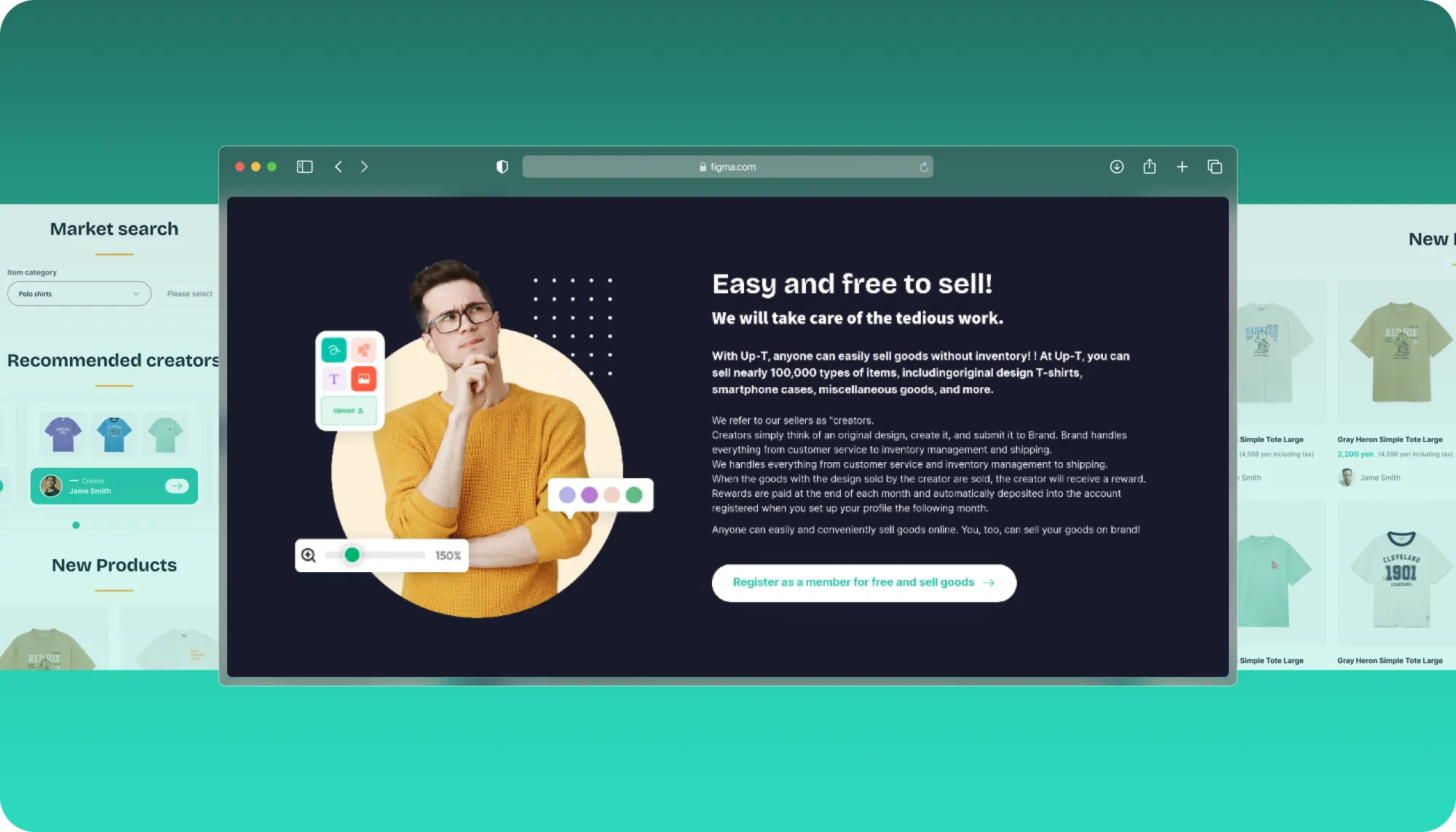
Personal store functions allowed users to sell their own designed products, expanding the platform beyond standard online purchasing.
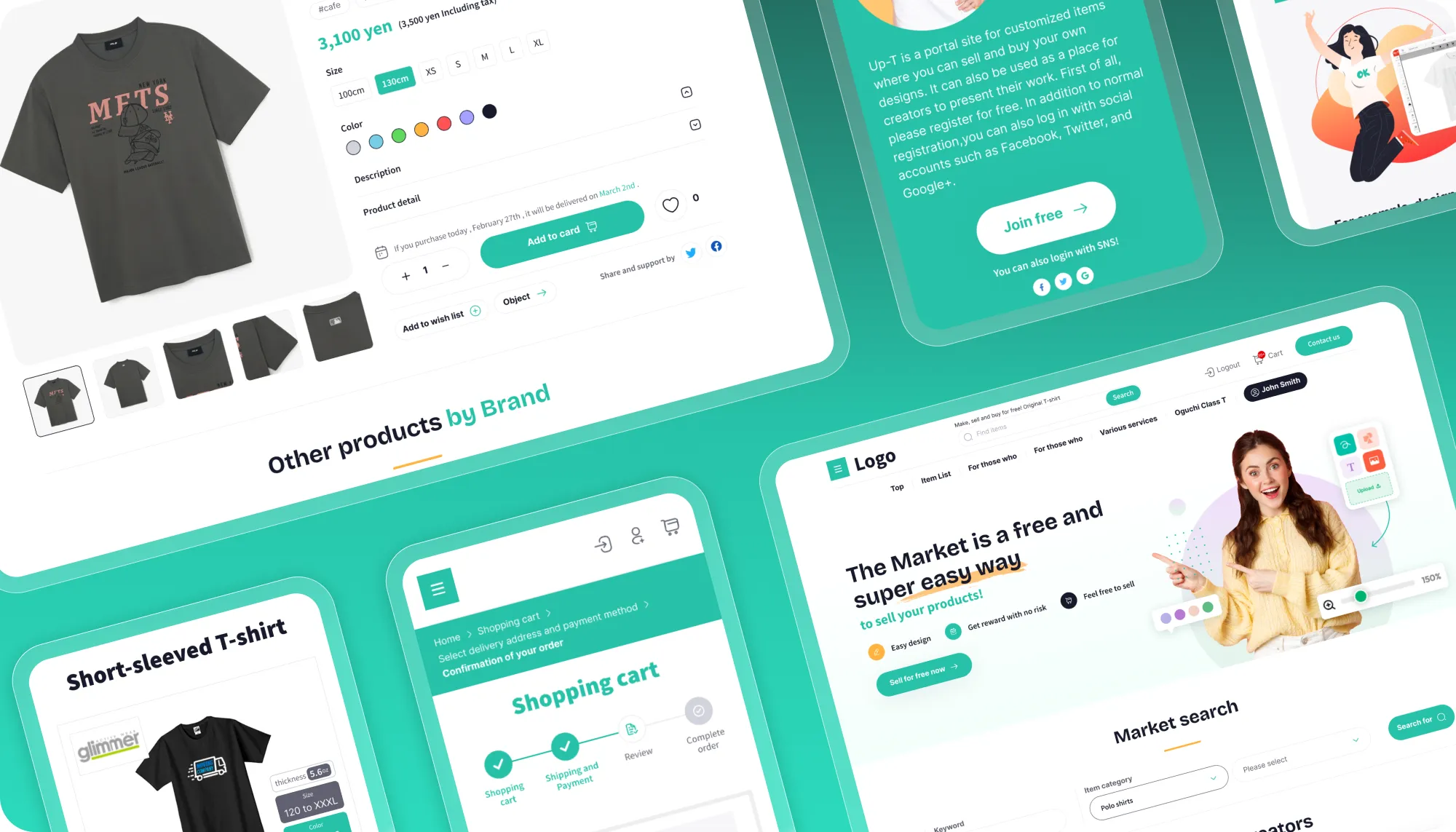
The ecosystem continued to support active order handling, product data, print fulfillment, and delivery related workflows while improvements were introduced over time.
Web, iOS and Android availability helped the client serve users across major digital touchpoints.
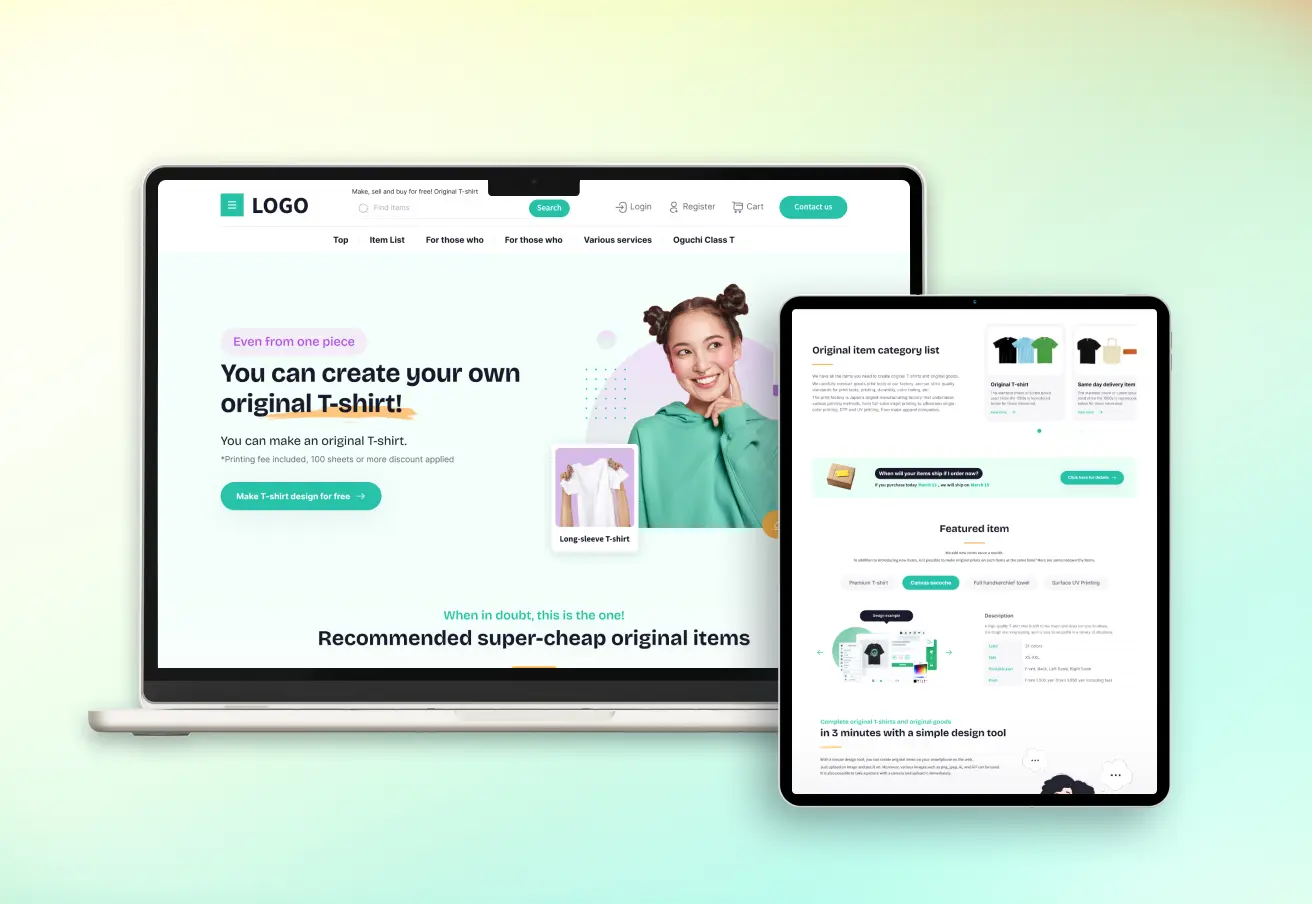
The editing tool gained more functions and continued to integrate new technologies, which allowed the platform to better support user-created product experiences over time.
Business Impact
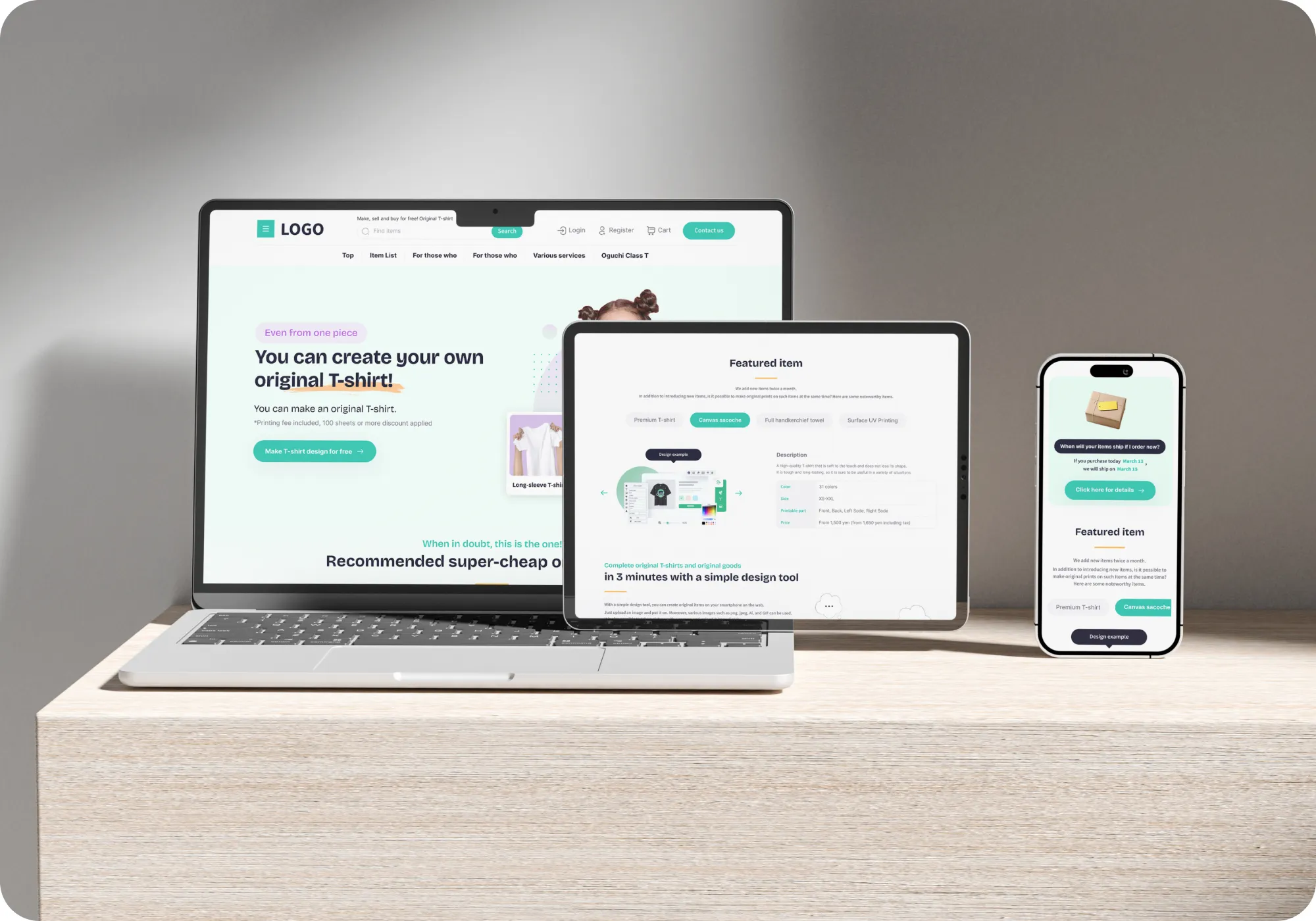
From a business perspective, the strongest value was the client’s ability to scale a connected Print on Demand commerce ecosystem with stronger operational confidence. The client could continue improving the platform while keeping active sales, user generated product creation, and fulfillment related workflows running with better control.
The project also strengthened the client’s creator economy model. By giving users a clearer path to turn personal designs into sellable products and individual storefronts, the business could expand participation from both creators and buyers without depending only on traditional product inventory.
Over time, the engagement created stronger operational sustainability. With dedicated engineering support, the client could keep improving the ecosystem, maintain service continuity, and manage more complex production and fulfillment needs while protecting customer trust at scale.
Related Case Study





Let’s Build Something Extraordinary
Sign up for a 30 min no-obligation strategic session with us. Transform your Ideas into scalable reality.