


Top 10 Asset Tokenization Platforms for RWA in 2026

As financial markets move toward more connected, programmable infrastructure, real world assets are increasingly being brought onchain. Asset tokenization platforms sit at the center of this shift, helping institutions bridge traditional finance with blockchain-based markets while improving liquidity, operational efficiency, and access to new investment models.
However, platforms differ significantly in compliance support, asset coverage, blockchain compatibility, security, and integration capabilities. This guide explains how RWA tokenization platforms work, compares leading asset tokenization platforms in 2026, and highlights the key factors businesses should evaluate when choosing a solution for their tokenization strategy.
Key Takeaways
|
What Is an Asset Tokenization Platform?
An RWA tokenization platform is a technological infrastructure that converts ownership rights in real world assets into digital tokens recorded on a blockchain. These assets may include real estate, commodities, bonds, private equity, fine art, or U.S. Treasuries.
By representing assets as programmable tokens, it can enable fractional ownership, faster settlement, broader investor access, and greater transaction transparency. RWA tokenization platforms therefore act as a bridge between traditional asset markets and blockchain based financial systems.
How Many Types of Tokenization Platform?

A modern tokenized assets platform market is structured into four major functional layers. Each layer supports a different stage of the asset lifecycle, from issuance to liquidity to settlement infrastructure. Understanding these types helps clarify where you fit in the ecosystem and which best platforms for investing in tokenized assets align with your goals.
1. Issuance Platforms (Primary Market)
Issuance platforms are the foundational layer of the tokenization ecosystem. Think of them as the “IPO gateways” of the digital asset world. These platforms handle the complex process of converting physical or traditional financial assets into compliant digital tokens on the blockchain.
The journey begins when an asset owner—perhaps a commercial real estate firm with a portfolio of office buildings or a private equity fund—decides to tokenize. The issuance platform manages the entire lifecycle: legal structuring (often creating Special Purpose Vehicles or SPVs), regulatory compliance across jurisdictions, smart contract development, token minting, and initial distribution to accredited investors.
What makes these platforms distinct is their deep focus on compliance infrastructure. They integrate sophisticated KYC/AML modules, investor accreditation verification, and jurisdiction-specific transfer restrictions directly into the token layer. Many use specialized token standards like ERC-3643 (the T-REX standard) which embeds compliance rules into the token itself, ensuring that tokens cannot be transferred to non-accredited or sanctioned wallets.
These platforms also handle the critical “off-chain to on-chain” connection—ensuring that legal ownership in the real world is accurately reflected in the digital token. They work with qualified custodians for underlying physical assets and provide regular auditing and reporting mechanisms.
Target audiences:
- Real estate developers and property funds seeking fractional ownership models
- Private companies preparing for tokenized equity offerings
- Fund managers launching tokenized investment vehicles
- Governments and municipalities issuing tokenized bonds
- Institutional asset owners looking to unlock liquidity from illiquid holdings
Common examples:
- Securitize – The gold standard for regulated securities tokenization, backed by BlackRock
- Polymath – Specialized in security token offerings with built-in compliance modules
- Tokeny – European-focused platform using the ERC-3643 standard
- Tokensoft – Enterprise-grade issuance with multi-jurisdictional compliance
- Brickken – SaaS-based tokenization platform popular in European markets
2. Liquidity Protocols and Marketplaces (Secondary Market)
If issuance platforms create tokens, liquidity protocols give them life. These platforms solve the historic challenge of tokenized assets platform adoption: creating vibrant secondary markets where investors can actually trade these tokens.
Unlike traditional stock exchanges with fixed trading hours and settlement delays, liquidity protocols leverage decentralized finance (DeFi) infrastructure to enable 24/7 trading, instant settlement, and programmable liquidity. They build “liquidity pools”—smart contract-based reserves where users can deposit tokens to facilitate trading and earn yields.
What makes this category unique is the concept of programmable liquidity. These platforms don’t just match buyers and sellers; they create automated market makers (AMMs) where prices are determined algorithmically based on pool depth. Some implement sophisticated risk management features like tranching—splitting pools into senior and junior segments with different risk-return profiles—allowing institutional investors to choose their preferred exposure.
Many liquidity protocols are asset-agnostic, meaning they can accommodate various token types—from tokenized Treasuries to real estate shares to private credit instruments—within the same ecosystem. This creates powerful network effects where liquidity from one asset class benefits the entire platform.
Target audiences:
- Institutional investors seeking liquid exposure to tokenized assets
- DeFi yield farmers looking for sustainable, real-world yields
- Market makers and high-frequency trading firms
- Retail investors wanting access to previously illiquid markets
- Borrowers seeking collateralized lending against tokenized assets
Common examples:
- Centrifuge – Connecting real-world assets to DeFi liquidity
- Ondo Finance – Leading provider of liquid tokenized Treasury products
- Maple Finance – Institutional-grade lending with undercollateralized loans
- RealT – Marketplace for fractional real estate tokens with daily rental distributions
3. Centralized Exchanges (CEXs)
Centralized exchanges serve as the on-ramp for the majority of retail and institutional investors entering the tokenized asset space. These platforms bridge the gap between traditional finance and the crypto world by offering familiar interfaces, robust customer support, and regulated environments.
What distinguishes CEXs from other platform types is their role as custodians and gatekeepers. When you buy tokenized stocks or bonds on a centralized exchange, the exchange handles the complex backend—managing private keys, ensuring regulatory compliance, processing KYC, and providing fiat on-ramps and off-ramps. For most investors, this simplicity is invaluable.
The leading exchanges have developed sophisticated infrastructure for tokenized assets platform trading, including:
- Fractional trading – Buy $10 worth of Apple stock tokenized on-chain
- 24/5 or 24/7 markets – Extended trading hours beyond traditional exchange schedules
- Self-custody options – Some allow withdrawing tokens to personal wallets
- Proof of reserves – Transparent verification that tokenized assets are fully backed
- Integration with traditional banking – Seamless movement between fiat and tokenized assets
The competitive advantage for CEXs lies in their user base and liquidity. With millions of active traders already on their platforms, they can instantly create liquid markets for newly listed tokenized assets. This network effect makes them attractive partners for token issuers seeking immediate distribution.
Target audiences:
- Retail investors new to tokenized assets
- Traditional traders seeking exposure without managing private keys
- Non-US investors wanting access to US capital markets
- Users seeking a single platform for both crypto and tokenized traditional assets
- Institutional investors requiring regulated counterparties
Common examples:
- Kraken (xStocks) – Leading the charge with over 60 tokenized US stocks
- BingX – Innovative platform with AI trading tools and zero-fee options
- Robinhood EU – Consumer-friendly gateway for European investors
- Backed Finance – Tokenized stocks integrated with major CEXs
4. Specialized Blockchain Infrastructure (Layer-1)
The final category operates at a deeper level—the blockchain infrastructure itself. Specialized Layer-1 blockchains are built from the ground up to handle the unique requirements of regulated tokenized assets.
Unlike general-purpose blockchains like Ethereum, which require complex smart contract modifications to implement compliance features, these specialized chains embed regulatory requirements directly into the protocol layer. This architectural choice offers several advantages:
- Native identity management – Investor identities and accreditation status are verified at the protocol level
- Built-in compliance – Transfer restrictions, jurisdictional rules, and securities laws are enforced by the chain itself, not just smart contracts
- Privacy features – Zero-knowledge proofs and other privacy technologies protect sensitive investor and transaction data
- Institutional governance – Permissioned nodes and validator sets can include regulated financial institutions
- Interoperability – Designed to connect with traditional financial infrastructure like DTCC, Euroclear, or SWIFT
These platforms are rarely used directly by retail investors. Instead, they function as the settlement layer for institutional-grade tokenization—the digital equivalent of how traditional securities clear through DTCC or Euroclear. Major financial institutions build their tokenization applications on top of this infrastructure, trusting that the base layer meets regulatory and security requirements.
Target audiences:
- Global systemically important banks (GSIBs) and financial institutions
- Central securities depositories (CSDs) and clearing houses
- Asset managers launching regulated tokenized funds
- Governments exploring central bank digital currencies (CBDCs) and tokenized bonds
- Enterprise blockchain consortia requiring institutional-grade infrastructure
Common examples:
- Polymesh – Built specifically for regulated security tokens
- Canton Network – Backed by DTCC and Wall Street consortium
- Rayls (Parfin) – Permissioned blockchain with zero-knowledge privacy for banks
RWA Tokenization Platforms Compared at a Glance
Asset tokenization platforms serve different parts of the asset lifecycle. Some provide end-to-end issuance and investor management, while others specialize in regulated trading, blockchain infrastructure, or specific asset classes such as real estate and private credit. Let’s take a look at the table below to have an overview
|
Platform |
Compliance | Asset Classes | White label |
Best for |
|
Securitize |
SEC-registered entities support regulated issuance, ATS | Private equity, investment funds, public equities | No | Institutional asset managers and large regulated fund tokenization projects. |
|
Tokeny |
ERC-3643 embeds identity checks, 180+ jurisdictions | Securities, funds, debt, equity, real estate | Yes | EU institutions and cross-border issuers of regulated assets |
|
RealT |
LLC per property, automated KYC/AML verification | Residential real estate | No | Retail investors seeking low-barrier fractional real estate ownership |
|
Lofty |
LLC structures, mandatory KYC/AML checks, and smart contract enforcement | U.S. residential rental properties | No | Individuals seeking fractional U.S. rental property investments |
|
Brickken |
Integrated KYC/KYB, ISO/IEC 27701 and ISO/IEC 27018, Chainlink Proof of Reserves (PoR) and CCIP, ERC-7943, ERC-8226 (RAMS) | Real estate, equity, debt, carbon, IP | Yes | Institutions managing multiple regulated asset classes |
|
Polymesh |
On-chain identity, ERC-1400, KYC | Securities, funds | No | Organizations needing compliance built into blockchain infrastructure |
|
Ondo Finance |
Institutional & DeFi guardrails | U.S. Treasuries | No | Institutions and developers accessing tokenized traditional financial products |
|
tZERO |
Special Purpose Broker-Dealer (SPBD), regulated ATS | Real estate, private equity | Yes | Compliant digital securities issuance and secondary trading |
|
ADDX |
Automated KYC/AML, ADDX Go & Multi-Party Computation, ISO/IEC 27001 | Private equity, hedge funds, private credit, fixed income, commercial paper, and structured products | Yes | Accredited investors accessing Asian private-market opportunities |
|
Centrifuge |
Automated KYC/KYB & AML, ERC-20, ERC-1404, ERC-4626, and ERC-7540 | Private credit, fund, U.S treasuries, funds, invoices, trade finance | Yes | Onchain funds, private credit, and RWA-backed lending |
Top 10 Asset Tokenization Platforms in 2026
To help you choose the most suitable platform, this analysis will provide insights into their strengths, problems and ideal users.
Securitize
Securitize is an institutional RWA tokenization platform that supports the issuance, management, and trading of tokenized securities and investment funds. Its U.S. affiliates include an SEC-registered transfer agent and a broker-dealer operating an SEC-regulated Alternative Trading System, allowing the platform to connect compliant issuance with potential secondary-market liquidity.
Securitize also provides investor onboarding, fund administration, distribution, and automated asset management services.
- Key strengths: End-to-end tokenization services, regulated transfer-agent and trading infrastructure, automated KYC and AML checks, investor management, fund administration, dividend distribution, and secondary-market access.
- Potential limitation: Its institution-focused compliance and onboarding requirements may be more demanding for early-stage issuers seeking a simple or low-cost token launch solution.
- Best for: Institutional asset managers, financial institutions, and large-scale fund tokenization projects that require comprehensive regulatory and operational support.
Tokeny
Tokeny is an institutional-grade tokenization platform designed to issue, manage, and distribute regulated digital assets. It pioneered ERC-3643, a permissioned token standard that embeds investor identity, eligibility requirements, and transfer controls directly into smart contracts. Tokeny reports more than $32 billion in tokenized assets and serves financial institutions across global markets.
- Key strengths: ERC-3643 compliance standard, built-in digital identity and transfer controls, no-code and API-based deployment, multi-chain support, lifecycle management, and compliant DeFi distribution.
- Potential limitation: Tokeny’s institutional architecture and compliance-first model may require more implementation planning than simple token-creation tools.
- Best for: EU-based financial institutions, asset managers, banks, and cross-border issuers that need compliant tokenization for funds, debt, private equity, real estate, or other regulated assets.
RealT
RealT is a blockchain-based real estate tokenization platform that enables fractional ownership of U.S. residential and commercial properties. Unlike traditional real estate investment models that require large upfront capital and lengthy transactions, RealT uses tokenized ownership through a separate LLC structure for each property, allowing investors to purchase smaller shares of income-generating assets.
The platform also enables weekly rental income distributions in stablecoins directly to token holders’ wallets and provides a peer-to-peer marketplace for trading property tokens.
- Key strengths: Fractional real estate ownership, low investment entry points, weekly stablecoin rental payouts, asset-backed token structure, direct wallet distributions, and a built-in marketplace for peer-to-peer token trading.
- Potential limitation: RealT focuses specifically on U.S. real estate assets, which limits exposure to other asset classes and geographic markets. Investors may also need to consider property-specific risks, liquidity limitations, and regulatory requirements associated with tokenized real estate ownership.
- Best for: Retail investors, real estate enthusiasts, and crypto users seeking access to tokenized property ownership and passive rental income through blockchain-based assets.
Lofty
Lofty is a fractional real estate investment platform that enables users to buy tokenized shares of individual U.S. rental properties. Each property is divided into smaller ownership interests, allowing investors to enter the market with approximately $50 rather than purchasing an entire home. The platform is designed primarily for investors rather than businesses seeking to tokenize their own assets.
- Key strengths: Low investment minimums, property-level fractional ownership, daily rental-income distributions when available, transparent property information, investor voting, and an integrated resale marketplace.
- Potential limitation: Lofty focuses specifically on residential real estate investment and does not provide a general-purpose tokenization solution for issuers.
- Best for: Individual investors who want direct fractional exposure to income-generating U.S. rental properties without purchasing or managing an entire property.
Brickken
Brickken is an institutional-grade RWA tokenization platform that supports the full lifecycle of tokenized financial instruments, from issuance and investor onboarding to asset management and distribution. They report more than $500 million in total tokenized value across over 150 clients.
Brickken also offers white-label deployment, allowing institutions to launch branded tokenization platforms on top of its technology and compliance stack.
- Key strengths: Broad asset-class support, end-to-end lifecycle management, white-label infrastructure, DORA compliance verification, and participation in developing the ERC-7943 standard.
- Potential limitation: Brickken’s extensive compliance, white-label, and lifecycle capabilities may require more implementation planning than basic no-code token creation tools.
- Best for: Enterprises, financial institutions, fund managers, fintech companies, and tokenization providers that need configurable infrastructure for issuing and managing multiple types of regulated assets.
Polymesh
Polymesh is a purpose-built Layer 1 blockchain designed for regulated assets and security tokens. Unlike general-purpose blockchains, it integrates identity verification, compliance controls, governance, confidentiality, and settlement directly into the network. This allows issuers to enforce investor eligibility and transfer restrictions at the protocol level instead of relying only on additional smart contracts.
- Key strengths: Protocol-level identity and compliance, native transfer restrictions, confidential asset support, institutional governance, deterministic settlement, and infrastructure tailored specifically to regulated financial assets.
- Potential limitation: Polymesh is highly specialized for regulated assets, which makes it less flexible for general-purpose tokens, open DeFi applications, or non-security use cases.
- Best for: Regulated financial institutions, asset managers, fintech companies, and tokenization providers that need compliance embedded directly into the blockchain infrastructure.
Ondo Finance
Ondo Finance is an RWA platform that brings institutional-grade financial products and traditional assets onto blockchain networks. It operates through an asset management arm that develops tokenized investment products and a technology arm that builds supporting decentralized protocols.
Users can access products backed by assets such as U.S. Treasuries and money market instruments, subject to product-specific eligibility requirements.
- Key strengths: Institutional-grade product structuring, transparent asset and yield information, compliance-focused investor onboarding, tokenized financial products, multi-chain availability, and developer tools for protocol integration.
- Potential limitation: Ondo primarily provides access to structured tokenized investment products rather than a general-purpose platform for businesses to tokenize any asset they choose.
- Best for: Financial institutions, qualified investors, fintech companies, wallets, exchanges, and DeFi developers seeking access to or integration with tokenized traditional financial products.
TZERO
tZERO is a blockchain-based capital markets platform focused on the issuance, trading, and settlement of digital securities. It provides tokenization APIs and institutional infrastructure that help enterprises convert assets such as equity and debt into compliant blockchain-based securities. The platform also supports secondary-market trading and blockchain settlement, creating a more connected route from issuance to liquidity.
- Key strengths: Regulated digital securities infrastructure, tokenization APIs, secondary-market trading, blockchain-based settlement, immutable audit trails, and integration support for existing financial systems.
- Potential limitation: tZERO is primarily designed for regulated securities and institutional capital-market use cases, making it less suitable for general-purpose tokens or early-stage projects seeking a lightweight tokenization tool.
- Best for: Financial institutions, enterprise blockchain teams, private-market issuers, and tokenization providers that need compliant issuance and secondary trading infrastructure.
ADDX
ADDX is a Singapore-based digital investment platform that uses tokenization to expand access to private-market and alternative assets. It operates under a Capital Markets Services licence from the Monetary Authority of Singapore.
This platform offers accredited investors exposure to private equity, private credit, hedge funds, real estate, commercial papers, and structured products with lower minimum commitments than traditional private markets. ADDX operates under a Capital Markets Services licence from the Monetary Authority of Singapore.
- Key strengths: MAS-regulated operations, lower investment minimums, accredited investor verification, diversified alternative assets, transparent fees, and secondary-market liquidity for selected products.
- Potential limitation: ADDX is primarily an investment and distribution platform rather than a general-purpose tokenization infrastructure provider. Access is also restricted to eligible investors, while liquidity depends on whether a product is listed and actively traded on its secondary market.
- Best for: Accredited investors, family offices, external asset managers, and financial institutions seeking regulated access to private-market opportunities in Asia.
Centrifuge
Centrifuge is a decentralized RWA tokenization platform that helps asset managers bring funds, credit products, real estate, invoices, and other financial assets onchain. It also connects tokenized assets with DeFi protocols, enabling eligible assets to access lending, borrowing, and liquidity opportunities. Its asset-agnostic approach gives institutions flexibility to create different onchain investment products.
- Key strengths: Asset-agnostic tokenization, real-time onchain portfolio data, configurable tokenized funds, transparent reporting, DeFi integration, open-source infrastructure, DAO governance, and support for Ethereum and Polkadot ecosystems.
- Potential limitation: Centrifuge provides flexible tokenization infrastructure rather than a fully managed regulatory solution for every market. Issuers may still need external legal structures, investor verification providers, licensed intermediaries, custody arrangements, and jurisdiction-specific compliance support.
- Best for: Asset managers, private credit providers, fund managers, financial institutions, tokenization platforms, and DeFi developers creating onchain funds or RWA-backed lending products.
Key Considerations for Choosing the Right Asset Tokenization Platform
The right tokenization platform depends on your role in the ecosystem. A business issuing an asset, an investor evaluating an offering, and a fintech company embedding tokenization into a product will each need to prioritize different capabilities.
If you are tokenizing an asset
Your main focus should be the platform’s compliance infrastructure, experience with your asset class, and the full cost of launching a compliant offering. Minting tokens is relatively straightforward, but structuring them within a regulatory framework is far more complex.
- Compliance infrastructure: Check whether the platform uses a token standard with built-in identity verification and transfer restrictions, such as ERC-3643, or relies mainly on off-chain compliance processes.
- Asset class experience: Confirm that the provider has already structured offerings for assets similar to yours, especially if you are tokenizing commodities, natural resources, or physical assets with complex valuation requirements.
If you are investing in tokenized assets
Your evaluation should focus on the legal compliance of the offering, the quality of the underlying asset verification, and the options available for selling your tokens later. A reputable platform does not automatically make every listed asset a sound investment.
- Underlying asset quality: Review how the asset was valued, verified, and documented rather than relying only on the reputation of the tokenization platform.
- Legal investor rights: Check whether the offering structure clearly protects your ownership, income, redemption, or other contractual rights.
- Secondary market access: Determine whether the token can be traded through an integrated marketplace, a DeFi protocol after a holding period, or no meaningful secondary market at all.
- Compliance verification: Confirm that the offering identifies the applicable securities exemption, requires KYC and AML checks, and enforces restrictions on who can receive or transfer the token.
If you are adding tokenization to a financial product
Fintech and institutional teams should prioritize API infrastructure, support for multiple asset types, regulatory flexibility, and integration with existing systems. The platform should be modular, auditable, and adaptable across different jurisdictions and use cases.
- API infrastructure: Check whether the platform provides reliable APIs for integrating token issuance, compliance, investor management, and transaction functions into your product.
- Custody integration: Confirm that the platform can connect with your existing custody provider or preferred digital asset custody infrastructure.
- Multi-asset support: Verify that the platform can handle the range of assets your product intends to tokenize without requiring separate infrastructure for each offering.
- Configurable compliance rules: Ensure that compliance requirements can be adjusted by jurisdiction and asset class rather than applied as one fixed model.
Cost of Asset Tokenization Platform?
The cost to develop an asset tokenization platform depends on its scope, compliance requirements, supported assets, and level of customization. A basic MVP may start at around $25,000, while a fully customized enterprise platform can exceed $150,000.
Key factors driving asset tokenization platform development cost include:
- Feature and complexity: Platforms with advanced compliance automation, investor portals, secondary trading, reporting, or multi-chain support require more development and testing than basic issuance solutions.
- Type of asset: Complex assets such as real estate, securities, or private credit require more legal controls, data structures, and ownership workflows than simpler assets.
- Platform model: Costs vary by pricing structure, including subscription tiers, flat project fees, usage-based charges, or hourly development rates.
- Level of customization: A tailored platform with unique workflows, integrations, branding, and token logic costs more than a standardized or template-based tokenization solution.
How Newwave Solutions Can Help You Navigate Tokenization?
As tokenization moves toward wider institutional adoption, businesses need a technology partner that understands both blockchain infrastructure and the demands of financial services.
At Newwave Solutions, our team combines deep technical expertise in blockchain technology with practical experience in Defi development and financial development solutions. We build compliant, secure, and tokenization solutions that reduce risk, streamline asset management, improve investor access, and connect assets to traditional finance and DeFi.
Here’s what Newwave Solutions can support you with:
- Custom dApp Development: We build investor dashboards, secondary marketplaces, and governance portals that connect smoothly with tokenization platforms and simplify digital asset management.
- Smart Contract Engineering: We develop and audit security-focused smart contracts, including compliance-ready implementations using standards such as ERC-3643.
- DeFi Integration: We connect tokenized assets with lending protocols, decentralized exchanges, crypto wallets and yield solutions to expand liquidity and utility while supporting compliance requirements.
- Exchange Development Solutions: Looking to launch your own marketplace for tokenized assets? We provide comprehensive exchange development, from spot trading engines to NFT marketplaces, with regulatory considerations built in.
- Fintech Development Services: We build compliant asset tokenization solutions for products such as tokenized funds and fractional real estate, helping fintech companies expand investor access, streamline asset management, and launch new digital offerings.
- NFT Development Solutions: Beyond securities, we create custom NFT solutions for art, collectibles, and intellectual property, helping businesses establish verifiable ownership, unlock new revenue models, and bring unique real-world assets into digital markets.
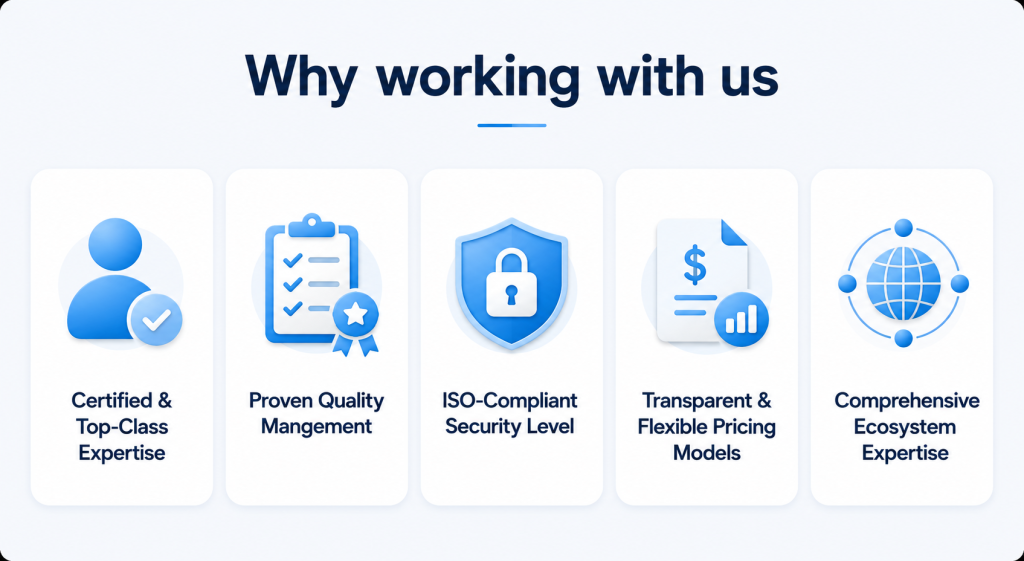
Whether you need to tokenize a fund, integrate RWAs into DeFi, or launch a compliant asset platform, Newwave Solutions can help you design and build the right solution.
Contact us to discuss your goal and build a secure, compliant tokenization solution.
FAQs
1. What are the top asset tokenization platforms?
Some leading asset tokenization platforms include Securitize, Tokeny, Brickken, Polymesh, Centrifuge, Ondo Finance, tZERO, and ADDX. Businesses should compare platforms based on asset-class support, regulatory coverage, custody integration, secondary-market access, and blockchain compatibility.
2. What are examples of tokenized assets?
Tokenized assets can include real estate, private equity, bonds, investment funds, commodities, intellectual property, carbon credits, art, and infrastructure projects. For example, a commercial property can be divided into digital tokens representing fractional ownership, while a tokenized bond can automate interest payments and settlement through smart contracts.
3. How does an asset tokenization platform work?
The platform first connects a legally structured asset to a digital token and defines ownership, transfer, and compliance rules through smart contracts. Investors complete verification, purchase tokens, and receive blockchain-recorded ownership, while the platform manages transactions, distributions, reporting, and redemption.
4. How do asset platforms maintain compliance?
Tokenization platforms may use identity verification, investor eligibility checks, transaction monitoring, and token-level transfer restrictions. Some platforms use permissioned standards such as ERC-3643, which can embed compliance rules and approved-investor controls directly into token transfers.
5. Can tokenized assets be traded?
Tokenized assets can be traded when the offering provides access to a compliant secondary marketplace or another approved liquidity venue. However, tokenization does not automatically guarantee liquidity, and some assets may remain subject to holding periods, investor restrictions, or limited buyer demand.
Conclusion
Asset tokenization platforms are reshaping how businesses issue, manage, and trade assets such as real estate, securities, commodities, and private funds. However, successful implementation depends on more than token creation. Companies need reliable compliance controls, secure custody, scalable infrastructure, and clear investor experiences to bring tokenized assets to market effectively.
With expertise in blockchain, fintech, smart contracts, and multi-chain development, Newwave Solutions can support your project from architecture to deployment. Discuss with our experts to create a secure, compliant tokenization platform built around your asset class, target investors, and business goals.
To Quang Duy is the CEO of Newwave Solutions, a leading Vietnamese software company. He is recognized as a standout technology consultant. Connect with him on LinkedIn and Twitter.



Read More Guides
Get stories in your inbox twice a month.
Let’s Build Something Extraordinary
Sign up for a 30 min no-obligation strategic session with us. Transform your Ideas into scalable reality.
Leave a Reply