


AI in Manufacturing: A Practical Guide to Applications and Benefits
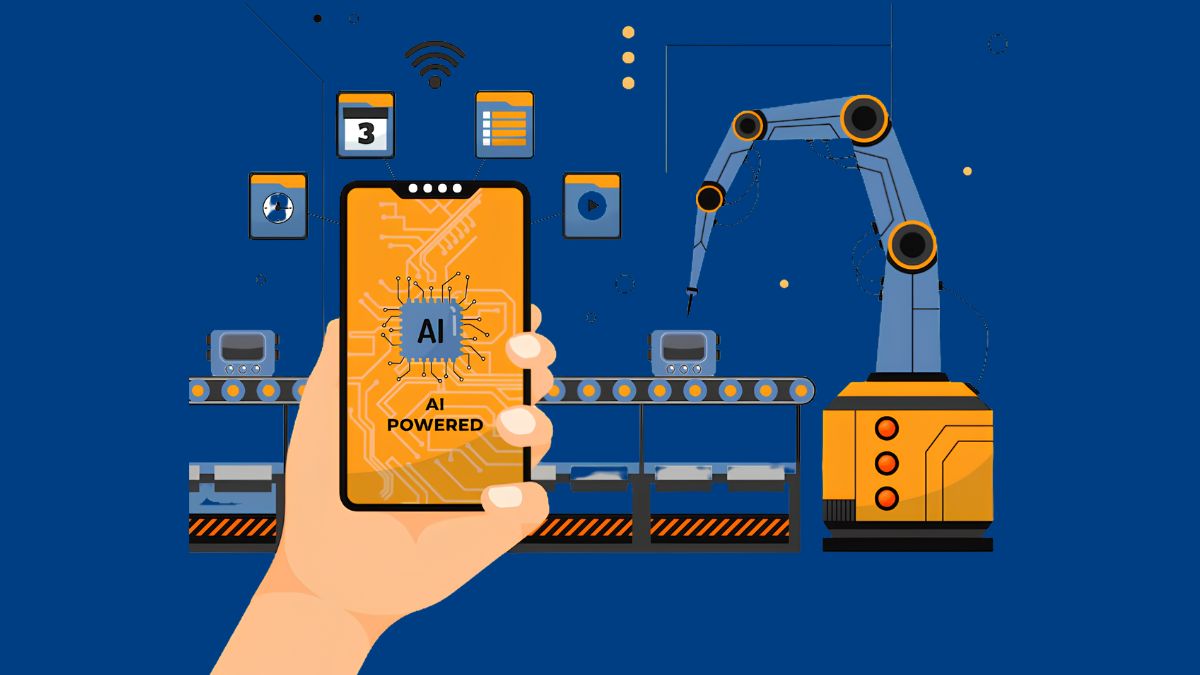
Manufacturers often struggle with a familiar challenge: how to increase productivity while controlling costs, maintaining quality, and responding faster to market changes. AI in manufacturing is becoming a strategic approach to address these pressures by enabling smarter automation, predictive insights, and more efficient resource management.
This article explores AI capabilities in manufacturing, its impact on operations and sustainability, key implementation steps, industry examples, and future developments to help evaluate opportunities and plan scalable AI initiatives.
Key Takeaways
|
What Is AI in Manufacturing?
AI in manufacturing is a technology-driven approach that enables factories to use intelligent systems for improving production processes, operational decisions, and resource management. According to Quality Magazine, 63% of manufacturing companies are already using AI for quality control, with adoption expanding toward real-time process optimization.
It combines capabilities such as computer vision, machine learning, predictive analytics, and generative AI to help manufacturers analyze complex data, identify inefficiencies, and optimize activities across the production lifecycle.
For example, an AI system can analyze energy usage patterns across different production stages to identify opportunities for reducing unnecessary consumption, or assist engineers in detecting abnormal production conditions before they affect output.
What Are the Benefits of AI in Manufacturing?
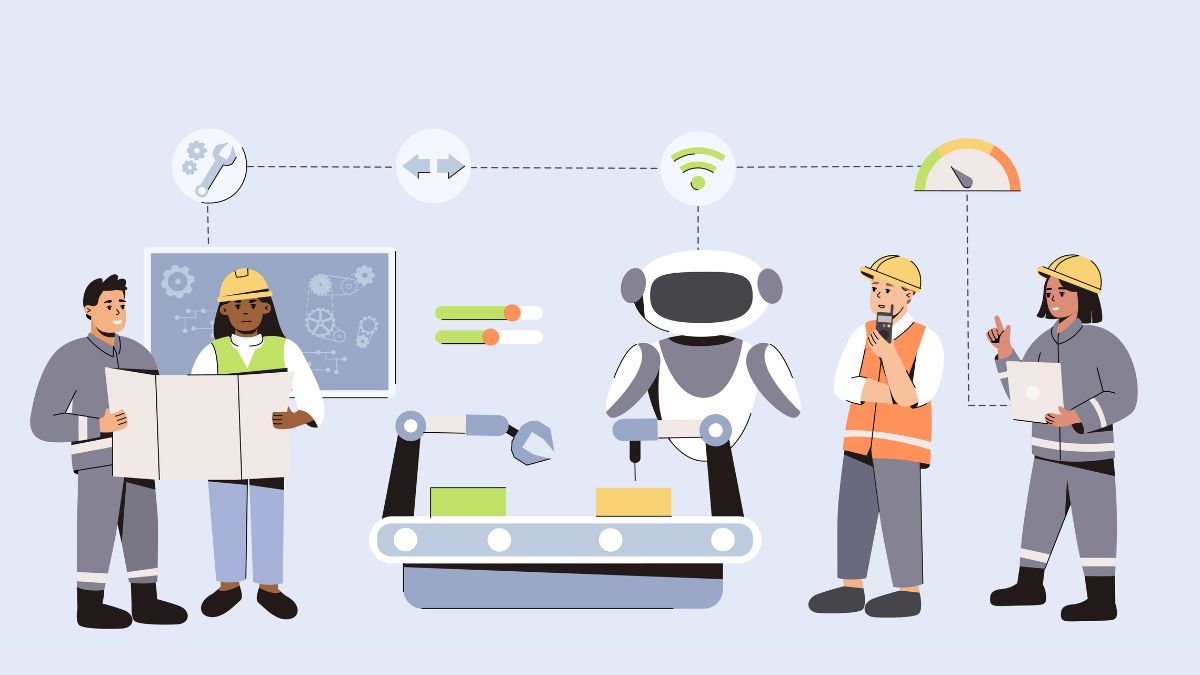
The value of AI in manufacturing goes beyond automation. By combining operational data with intelligent analysis, AI helps manufacturers address common challenges such as unexpected equipment failures, production inefficiencies, quality issues, rising energy costs, and workforce limitations.
Optimize asset performance and reduce operational costs
Unplanned equipment downtime can significantly affect production output and maintenance expenses. AI-based predictive maintenance helps manufacturers move from reactive repairs to proactive decisions by identifying early signs of equipment problems before failures occur.
This approach can improve Overall Equipment Effectiveness (OEE), optimize maintenance schedules, reduce unnecessary spare parts inventory, and extend asset lifespan.
By improving equipment reliability, manufacturers may also reduce the need for additional capital investment because existing assets can be utilized more effectively.
Improve product quality and minimize manufacturing waste
Quality control is one of the most common areas where the use of AI in manufacturing creates measurable improvements. AI-powered inspection systems can analyze production data and identify defects more consistently than manual inspection processes, helping manufacturers reduce scrap, rework, and delays caused by quality issues.
For example, an AI vision system can monitor products during assembly and detect unusual patterns that indicate potential defects, allowing teams to investigate problems earlier rather than discovering them after production completion.
Increase supply chain and production planning efficiency
Manufacturing performance depends heavily on accurate demand forecasting and efficient resource planning. AI can analyze demand signals, production capacity, inventory conditions, and supply chain data to support better forecasting and scheduling decisions.
AI-driven planning tools can help manufacturers optimize production sequences, improve throughput, reduce changeover times, and increase on-time delivery without necessarily requiring additional equipment investment. Better forecasting can also help reduce the financial impact of both excess inventory and stock shortages.
Reduce energy consumption and improve sustainability performance
Factories consume large amounts of energy, and production timing has a direct effect on that cost. AI can read equipment and facility data to show where consumption rises, then use those patterns to refine schedules around actual operating demand.
The same analysis can inform peak-load shifting and demand-response decisions, giving teams a clearer view of when and where energy is being used. Manufacturers can then reduce avoidable consumption while keeping production targets intact.
Enhance workforce productivity and workplace safety
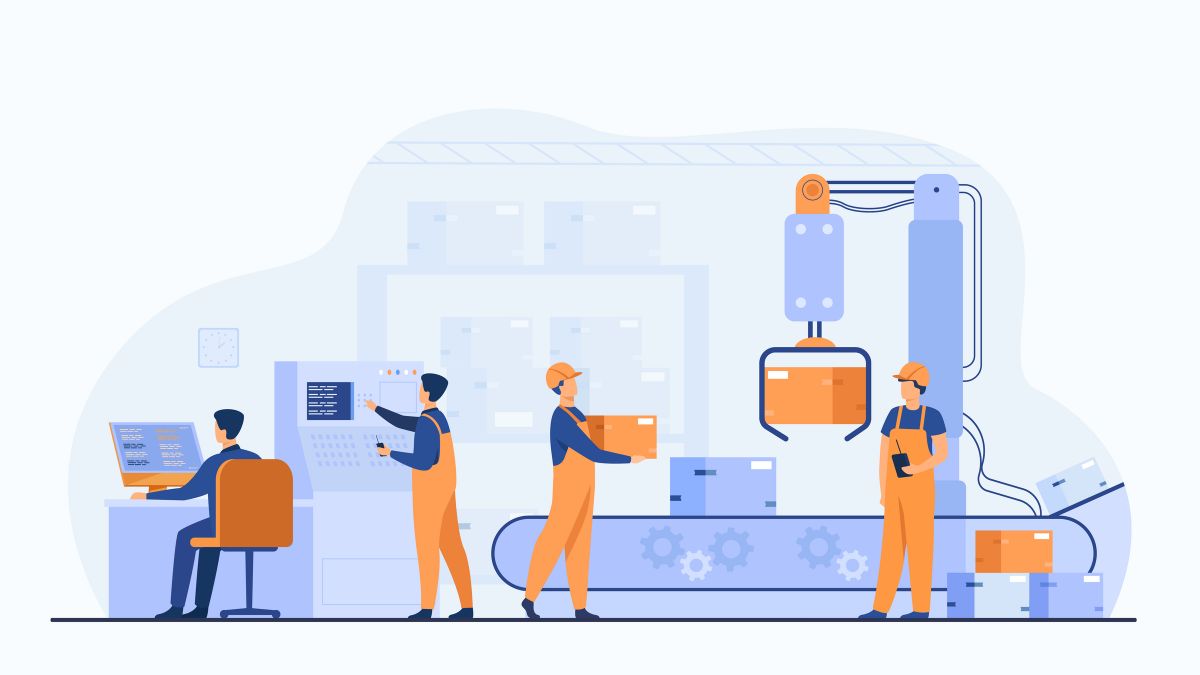
AI can make shop-floor work easier by reducing the time employees spend searching for instructions or handling repetitive tasks. Tools such as computer vision, wearable devices, voice assistants, and AGVs can support workers with real-time information and safer task execution.
Used in the right context, these systems can shorten response time, reduce exposure to hazardous work, and give employees more consistent assistance during daily operations.
Accelerate product innovation and increase revenue opportunities
Product development is becoming more competitive as manufacturers need to respond faster to changing customer expectations. AI can support faster design iterations by allowing teams to evaluate and refine product concepts digitally before physical production.
This capability helps manufacturers explore more design options, adapt products to market requirements, and support customized offerings. AI-driven personalization can also create new revenue opportunities by enabling manufacturers to better align production with customer demand.
Beyond operational improvements, AI also strengthens risk identification and response across complex manufacturing environments. Explore how AI in risk management helps manufacturers detect potential disruptions, improve resilience, and make more informed operational decisions.
Best Use Cases for AI in Manufacturing
The application of AI in manufacturing is expanding across the entire production lifecycle, from equipment maintenance and quality inspection to supply chain planning and product development.
Instead of applying AI as a single solution, manufacturers are using it in different operational areas to solve specific challenges, improve efficiency, and create more data-driven processes.
Predictive maintenance and asset optimization
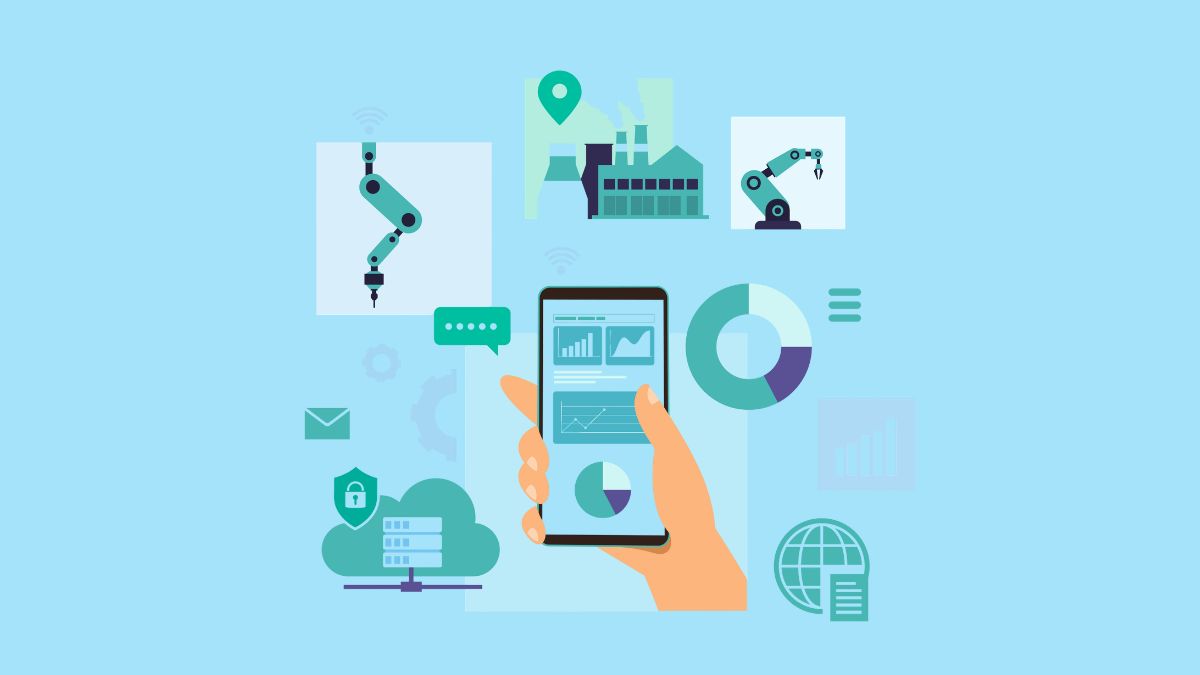
One of the most valuable examples of AI in manufacturing is predictive maintenance, where AI analyzes equipment data to identify potential failures before they interrupt production.
By processing signals such as vibration, temperature, acoustic patterns, and machine performance data, AI systems can detect early warning signs and recommend maintenance actions.
This allows manufacturers to move away from reactive repairs and create more balanced maintenance schedules. As a result, companies can reduce unexpected downtime, improve equipment utilization, optimize maintenance resources, and extend the operational life of critical assets.
AI-powered quality control
AI-driven computer vision is transforming how manufacturers monitor product quality. Unlike traditional inspection methods that rely heavily on manual checks, AI systems can analyze images and production data at high speed to identify defects across different manufacturing stages.
For example, in electronics manufacturing, machine learning-based inspection systems can detect microscopic issues in circuit board components that may be difficult for human inspectors to recognize. This helps manufacturers reduce defective output, minimize waste, improve production consistency, and lower costs associated with rework or warranty claims.
Demand forecasting and supply chain optimization
AI helps manufacturers make supply chains more responsive by analyzing a wider range of data than traditional forecasting methods. Instead of relying only on historical sales patterns, AI models can evaluate factors such as market signals, customer behavior, and changing demand conditions to generate more accurate forecasts.
With better demand visibility, manufacturers can optimize inventory levels, reduce excess stock, avoid shortages, and improve coordination between procurement, production, and distribution. AI can also support supplier risk monitoring by identifying potential disruptions and improving sourcing decisions.
Intelligent production planning and scheduling
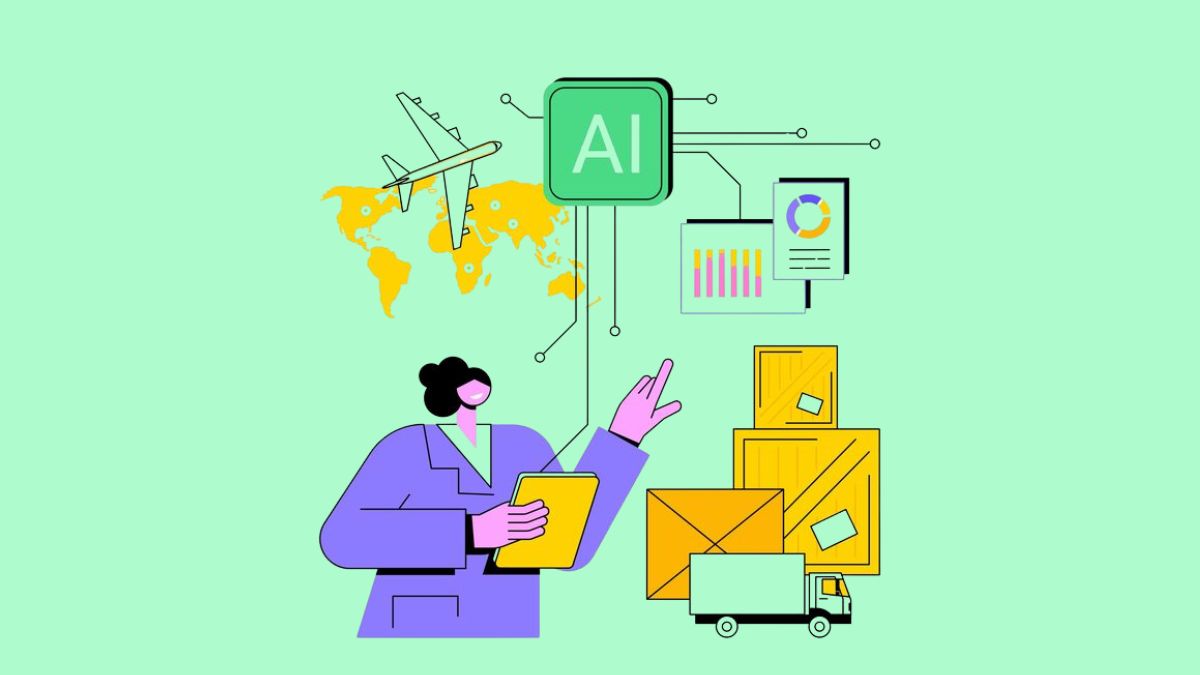
Production scheduling is often complex because manufacturers must balance machine availability, labor capacity, material constraints, and changing customer requirements. AI-powered planning systems can continuously analyze these variables and adjust schedules based on real-time conditions.
For instance, when equipment unexpectedly becomes unavailable or urgent orders appear, AI can help reorganize production priorities to maintain delivery commitments. This improves throughput, reduces idle capacity, and supports more efficient use of existing resources.
Energy management and sustainability optimization
Energy consumption is a major operational consideration for many manufacturers. AI can help companies understand energy usage patterns, identify inefficiencies, and optimize how resources are consumed across production facilities.
AI-based monitoring systems can detect unusual energy behavior, analyze equipment performance, and support smarter scheduling decisions. For example, production activities can be adjusted to reduce unnecessary energy demand while maintaining required output levels, helping manufacturers improve both cost efficiency and sustainability performance.

Workforce augmentation and workplace safety
AI can be used to reduce the amount of routine work employees need to handle and give less experienced workers more assistance on the job. Generative AI copilots and cobots, for example, can provide task guidance or take over repetitive activities that would otherwise consume worker time.
This also changes how safety is managed. Moving repetitive or physically demanding work to automated systems can limit employee exposure to higher-risk tasks while allowing teams to focus on work that requires human judgment.
Smart warehouse and logistics automation
In warehouses, AI can be applied to the flow of goods rather than only to inventory records. Robotic picking systems and warehouse robots can handle repetitive movement and picking tasks with greater consistency, while inventory data helps determine what materials need to be available and when.
This can reduce picking errors, improve stock handling, and make warehouse operations more responsive to production needs. Better coordination between inventory and material movement may also help reduce logistics and procurement costs.

Optimizing procurement and supplier risk
Procurement decisions directly affect manufacturing costs, production continuity, and supply chain resilience. AI can analyze supplier performance, sourcing data, and external risk factors to help manufacturers make more informed purchasing decisions.
For example, AI-based supplier analytics can identify risks related to supplier concentration, financial conditions, or potential contract issues. This enables organizations to shift from responding to disruptions after they occur toward proactively managing supplier relationships and sourcing strategies.
Digital twins and generative design
A digital twin gives manufacturing teams a working model of a process or asset that reflects current operating conditions. AI can use this model to test possible adjustments, spot constraints, and estimate how a change may affect production before it reaches the factory floor.
The same principle can help during product development. AI can review available design information and production feedback to narrow down options earlier. This can reduce unnecessary physical trials and make design decisions easier to validate before manufacturing begins.
As AI becomes integrated across manufacturing operations, connecting intelligent systems with enterprise platforms is becoming increasingly important. Solutions such as ERP AI chatbot technologies can help unify operational data, automate information access, and support faster decision-making across manufacturing and business functions.
Real-world Examples of AI in Manufacturing
Many manufacturers are moving beyond experimental AI projects and applying intelligent technologies to solve practical production challenges, including equipment reliability, quality assurance, engineering efficiency, and operational decision-making.
BMW Group
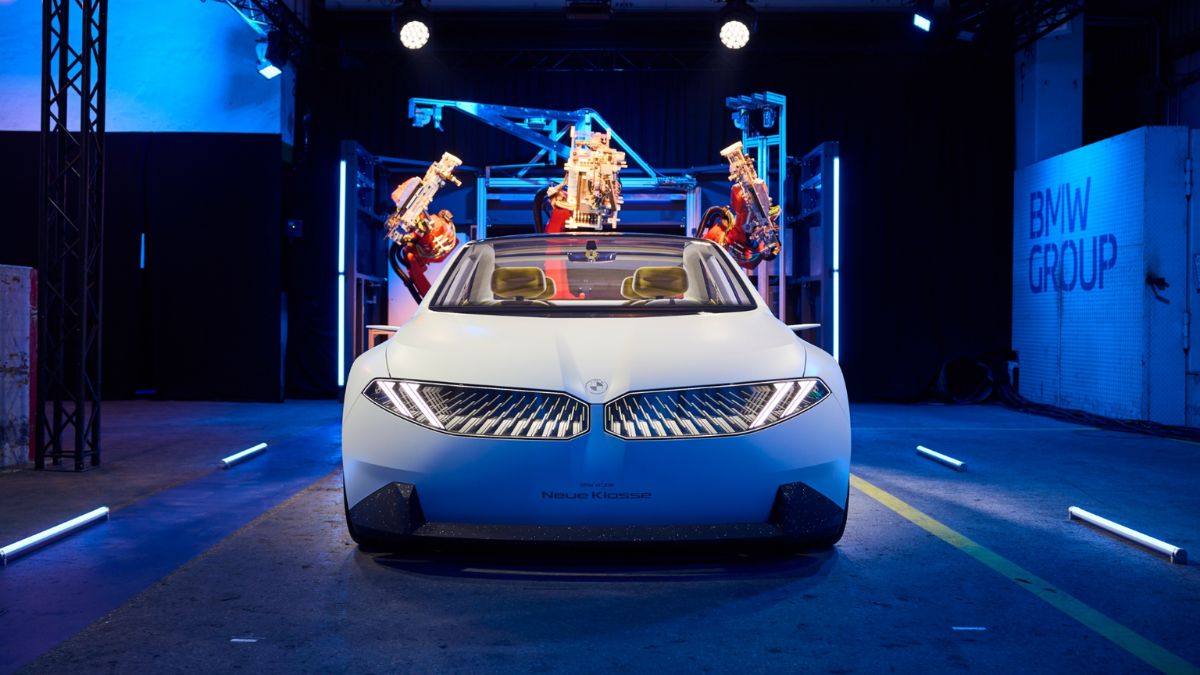
BMW’s AIQX platform is one practical example of AI being used directly in vehicle quality control. It brings together sensor information and machine learning to check production conditions while assembly is still underway. Employees receive feedback during the process, which gives them a chance to investigate quality issues before the vehicle moves further down the line.
Siemens
Siemens applies AI to maintenance through Senseye Predictive Maintenance. The system examines machinery performance and looks for signs that equipment may need attention before a failure occurs. Siemens reports that users of the platform can see up to 40% lower maintenance costs, 55% higher productivity, and 50% less downtime. The practical shift is from reacting to breakdowns toward planning maintenance earlier.
General Motors
General Motors uses machine learning to detect problems in battery packs, including potential leaks during vehicle production. The system helps teams identify these issues sooner, so repairs can happen earlier in the manufacturing process. This is a focused quality-control use case where AI is applied to a specific component rather than the entire production line.
ZF Group
At ZF Group, AI appears earlier in the product lifecycle. Generative AI is used for technical requirements, drawings, mockups, and software code, while AI-based simulations and predictive models assist during validation. This gives engineering teams more room to test ideas digitally before committing as much time and resource to physical hardware testing.
Common Challenges of Adopting AI in Manufacturing
Adopting AI in manufacturing can create practical value, but results depend heavily on how well the technology fits the factory’s data, systems, and operating conditions. Most implementation issues come from gaps between what AI requires to perform reliably and what manufacturers already have in place.
Ensuring data quality and availability
Manufacturing AI learns from operational data. If that data is inaccurate, incomplete, or isolated across different systems, the model may produce unreliable predictions or miss important patterns.
The problem can begin at the source. For example, if a sensor or scale records inaccurate measurements, an AI system trained on that information will also work from a distorted view of production conditions. Fragmented data creates another issue because the model may see only part of the process rather than the relationships between machines, materials, and operations.
Manufacturers can reduce this risk by auditing data before deployment, checking the accuracy of data collection devices, and connecting relevant data sources where possible. Human review and regular quality checks should continue after implementation rather than assuming that AI outputs will remain accurate automatically.

Managing AI implementation costs
The cost of AI in the manufacturing industry is not limited to building an AI model. Manufacturers may also need infrastructure, data preparation, system integration, and ongoing technical resources.
Building every AI component in-house can increase upfront cost and make early projects harder to justify. Manufacturers can instead use existing cloud or business platforms with built-in AI or third-party integrations. Centralizing data and infrastructure can also reduce the effort needed to connect information across separate systems.
A practical approach is to start with a clearly defined operational problem and choose an implementation model that matches the available budget, data, and internal capabilities.
Integrating AI with existing manufacturing systems
AI may need to work with IoT devices, smart equipment, business platforms, and other technologies already used across production. Coordinating all of these at once is what creates the technical complexity. If the AI system cannot access relevant information from these technologies, its analysis may be incomplete. Poor integration can also make it harder to move AI results into the operational workflows where employees actually need them.
Manufacturers should therefore treat integration as part of the AI project from the beginning. This means identifying where the required data comes from, how AI will connect with existing technologies, and where its outputs will be used. External technical partners may also be useful when internal teams lack experience planning or implementing this type of connected environment.
Addressing AI skills and workforce gaps
Even a well-designed AI system needs people who can implement it, interpret its outputs, and check whether it continues to work as intended. Manufacturers without sufficient AI expertise may struggle to turn a technical deployment into sustained operational use.
The skills gap can also affect AI performance over time. Without regular verification, problems with data, configuration, or model outputs may remain unnoticed.
Manufacturers do not necessarily need to build every AI capability internally. Technology partners can provide implementation expertise, periodic performance reviews, and training for internal teams. This allows manufacturers to combine external AI knowledge with the process expertise already held by their workforce.
How to Implement AI in Manufacturing Successfully
Successful AI in manufacturing implementation depends on matching the technology to a real operational need and building the right conditions around it. A phased approach helps manufacturers test whether AI works in practice before extending it to more processes or production areas.
Identify high-value AI use cases
Start with a production problem that is already affecting operations rather than looking for places to apply AI simply because the technology is available. Suitable starting points may include recurring equipment failures, slow quality inspection, or planning issues.
Define the problem, the desired outcome, and how success will be assessed before selecting an AI solution. This keeps the first project focused on a measurable operational need and makes it easier to judge whether further investment is justified.
Prepare and connect manufacturing data
AI models depend on the information they receive, so data preparation should come before deployment. Review data from machines, sensors, ERP platforms, and other relevant sources for accuracy, completeness, and consistency.
This may involve cleaning historical records, checking sensor measurements, standardizing data entry, and bringing information from separate systems together. The result is a more dependable data foundation for training models and generating useful outputs.
Integrate AI with existing factory systems
Manufacturers should determine how AI will exchange data with platforms such as ERP, MES, IoT networks, and quality systems. AI integration should be designed around where decisions actually happen.
For example, a maintenance prediction is more useful when it can trigger a work order in the existing maintenance system, rather than appearing only in a separate AI dashboard. Mapping each AI output to a specific downstream action helps turn model predictions into operational response.
Start with pilot projects and scale gradually
Instead of deploying AI across an entire factory at once, begin with a defined process, production line, or operational problem. A predictive maintenance or quality inspection project, for example, can be tested within a limited scope before wider rollout.
Use the pilot to evaluate how the AI performs, identify implementation issues, and adjust the approach. Once the project produces acceptable results, the same model can be extended gradually to other relevant areas with less disruption and more practical knowledge from the first deployment.
Enable workforce adoption and change management
Employees need to understand how AI fits into their work before it can become part of normal factory operations. Training should cover how to use the new tools, how AI outputs should inform decisions, and when human review is still required.
Clear governance also helps define responsibilities and expectations around AI use. Bringing production teams into the process early can reduce uncertainty and give employees practical experience with how the technology assists their existing work.
Continuously monitor and improve AI performance
AI implementation does not end once a model is deployed. Manufacturers need to periodically check whether outputs remain accurate and whether the system continues to meet the operational goal defined at the start.
Feedback from employees and production results can be used to identify where the model, data, or workflow needs adjustment. Ongoing review helps keep the application of AI in manufacturing aligned with changing operating conditions rather than treating the first deployment as a finished system.
Future of AI in Manufacturing and What to Prepare
The future of AI in manufacturing will increasingly depend on how AI connects with other digital technologies across design, production, and supply chains. Manufacturers should therefore prepare not only for new AI capabilities, but also for the data, infrastructure, and workflows needed to put them into practical use.
Edge computing
Edge computing processes machine and sensor data near where it is generated instead of sending everything to the cloud first. For AI, this means production data can be analyzed with lower network latency and less bandwidth usage, making faster responses possible on the factory floor.
Manufacturers considering edge AI should first identify processes that require near real-time decisions and assess whether their current IoT infrastructure can provide the necessary data locally. The goal is to place AI processing where faster response can make a practical difference.

Blockchain integration
Blockchain can give procurement teams a more dependable record of supplier and transaction data, while AI can use that history to spot sourcing risks and changing supply conditions. For example, manufacturers could review supplier performance, trace material records across the chain, and detect unusual patterns that may affect purchasing decisions or production continuity.
Before combining them, manufacturers should determine which information actually requires blockchain-based traceability and what AI is expected to do with that data. This avoids adding technical overhead where conventional data systems would already meet the requirement.
Virtual and augmented reality
VR and AR can extend AI beyond dashboards into training, design, and shop floor operations. AI can adapt to virtual training scenarios based on employee actions, analyze 3D models for possible issues, or process equipment data displayed through AR devices.
To prepare, manufacturers need to define where immersive interfaces solve a practical problem. Training teams may focus on simulated equipment operation, while engineering teams may use AR and AI to examine designs or production information in context.

Generative AI
Generative AI adds a different capability to manufacturing AI: producing new outputs rather than only analyzing existing conditions. Engineers and designers can use it to generate multiple design alternatives and evaluate different concepts earlier in product development.
For manufacturers, preparation starts with identifying tasks where generated output can shorten exploration or support engineering decisions while keeping human review in the process.
Companies planning broader adoption may also need to evaluate whether to build internally or work with specialized providers. Our guide to generative AI development companies can help teams compare potential technology partners for these projects.
Partner with Newwave Solutions to Develop AI-Powered Systems for Manufacturing
Newwave Solutions helps manufacturers turn AI ideas into systems that can work within real production environments. Our focus is on reducing the barriers that often slow AI adoption, from limited internal expertise and fragmented data to complex system integration and difficulty scaling beyond an initial pilot.
Depending on the use case, we can support manufacturers with:
- Predictive maintenance to analyze equipment data and identify potential failure risks
- AI-powered quality inspection to assist with defect detection and production monitoring
- Production and demand forecasting to support planning with data-driven predictions
- Intelligent document processing to extract and organize information from manufacturing documents
- AI assistants and knowledge systems to help teams access operational information more efficiently
- Generative AI applications for engineering, product design, and other manufacturing workflows
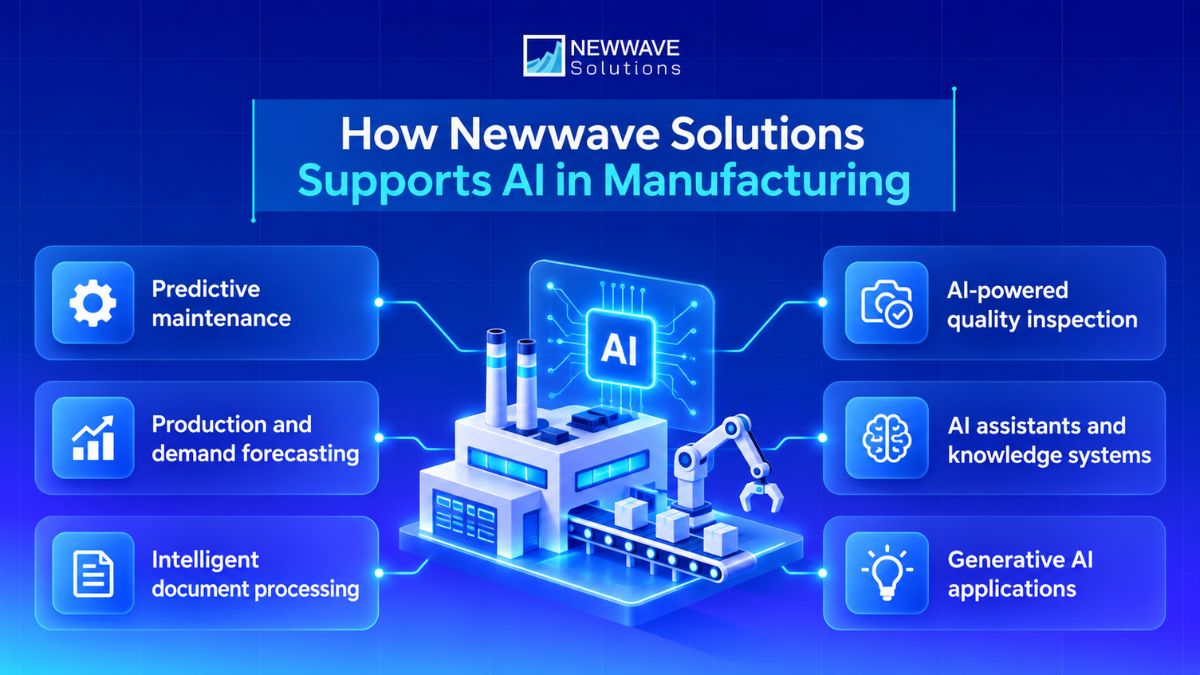
Through our AI development services, we can work with you from use case definition and data preparation through system integration, deployment, and further expansion. The goal is to build AI around the way your factory already operates, then scale it as the use case proves practical value. This allows manufacturers to start with a focused operational need while keeping a clear path for wider AI adoption.
If you are evaluating where AI could fit into your manufacturing operations, our team can help turn that opportunity into a practical implementation plan.
Conclusion
The long-term value of AI in manufacturing depends on whether the system continues to perform once it meets real production conditions. Reliable data, clear ownership, and regular performance checks matter just as much as the initial model, especially when the solution begins to scale across more workflows.
For businesses moving from evaluation to implementation, Newwave Solutions can assist from use case definition and data preparation through integration and deployment. Contact our team now to discuss where AI could fit into your factory.
FAQs
1. How is AI used in the manufacturing industry?
AI is used across manufacturing for predictive maintenance, quality inspection, production planning, demand forecasting, energy management, warehouse automation, and workforce assistance. It analyzes operational data to detect patterns, predict issues, and help teams make faster production decisions.
2. What is the best AI for manufacturing?
There is no single best AI for manufacturing because the right approach depends on the problem being solved. Computer vision may fit quality inspection, predictive models suit maintenance and forecasting, while generative AI can assist with design, engineering, and knowledge access.
3. How can generative AI be used in manufacturing?
Generative AI can help engineers create and compare design alternatives, generate technical content, and assist employees with accessing operational knowledge. It is most useful when its outputs are reviewed by people and connected to a clearly defined engineering or production workflow.
4. What are concerns about AI in manufacturing?
Common concerns include poor data quality, fragmented systems, implementation costs, integration difficulties, and shortages of AI expertise. AI performance can also decline if data, models, and outputs are not reviewed regularly after deployment.
5. What are the key benefits of implementing AI in manufacturing?
AI can help manufacturers reduce unplanned downtime, improve product quality, optimize planning, use energy more efficiently, and assist employees with complex or repetitive tasks. The business impact depends on selecting the right use case and integrating AI with existing manufacturing operations.
To Quang Duy is the CEO of Newwave Solutions, a leading Vietnamese software company. He is recognized as a standout technology consultant. Connect with him on LinkedIn and Twitter.



Read More Guides



Get stories in your inbox twice a month.
Let’s Build Something Extraordinary
Sign up for a 30 min no-obligation strategic session with us. Transform your Ideas into scalable reality.
Leave a Reply