


10 Blockchain Platforms Compared: Find the Right Fit in 2026
Web3 adoption continues to expand across finance, gaming, supply chains, digital identity, and enterprise applications. However, each blockchain platform offers different strengths in scalability, security, interoperability, cost, and development support. Choosing the right foundation is therefore essential to building a reliable, efficient, and future-ready blockchain solution.
This guide compares the top 10 blockchain platforms with key features, strengths, and use cases. We also provide a practical guidance to help you select the best platform and avoid common mistakes during the decision-making process.
What are Blockchain Platforms?
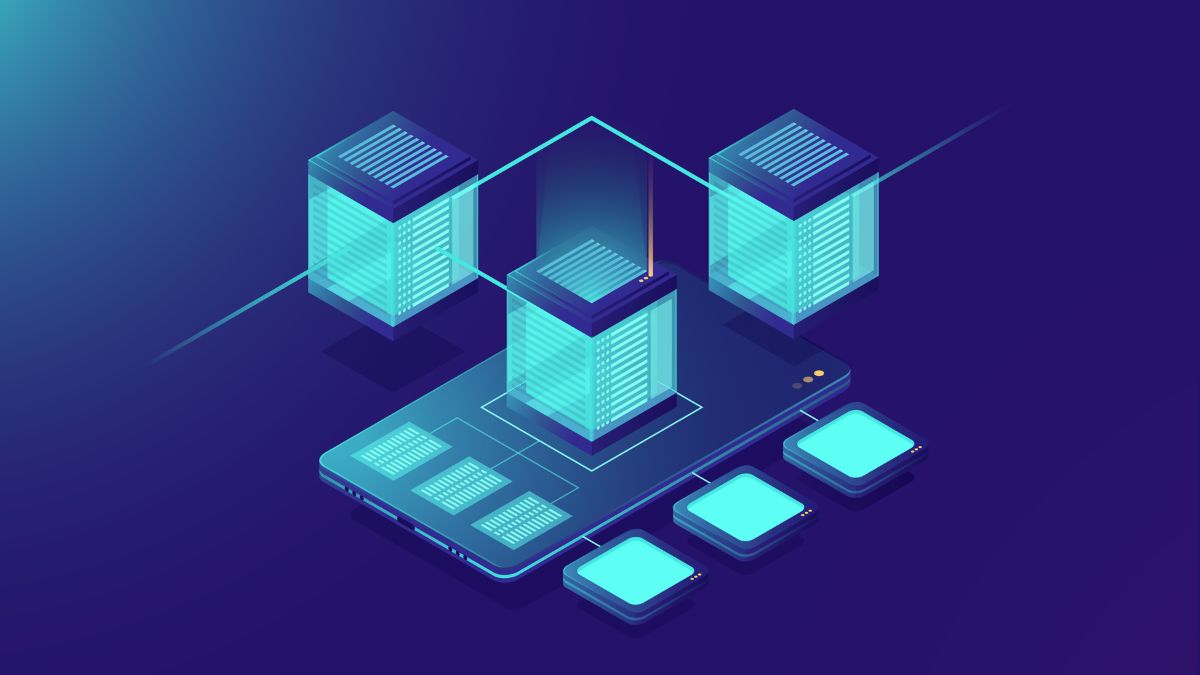
A blockchain platform is a decentralized digital infrastructure that enables developers and organizations to build, deploy, and manage blockchain applications, smart contracts, tokens, and distributed networks. It provides the core protocols, development tools, consensus mechanisms, and governance models required to record and verify transactions across a peer-to-peer network.
Unlike centralized systems, blockchain platforms store data in cryptographically linked blocks that form a transparent and tamper-resistant ledger. Depending on the project, businesses can choose public platforms such as Ethereum, Solana, and Polygon or permissioned enterprise frameworks such as Hyperledger Fabric.
How We Rated the Blockchain Platforms
Choosing the best blockchain platforms requires more than comparing popularity, market position, or transaction speed. We assessed each platform using practical criteria that reflect technical capabilities, ecosystem maturity, business suitability, and long-term development potential.
- Scalability: Can the platform handle high transaction volumes while maintaining speed and performance?
- Security: How strong is its architecture, consensus mechanism, and smart contract safety, and how well has it resisted attacks?
- Decentralization: How distributed is control, validation, and governance across independent participants?
- Developer ecosystem: How strong are the tools, documentation, SDKs, community support, and developer base?
- Enterprise adoption: How widely is it used in real-world applications like dApps, payments, tokenization, and enterprise solutions?
- Interoperability: How easily can it connect and exchange data with other blockchains and traditional systems?
- Transaction speed and costs: How fast are transactions confirmed, and what are the typical fees?
- Regulatory readiness: How well does it support compliance needs like KYC/AML, identity management, and industry regulations?
Blockchain Platforms Compared at a Glance
The table below compares leading blockchain platforms based on their network type, primary use cases, consensus model, approximate transaction capacity, and ecosystem maturity.
|
Platform |
Type | Best For | Consensus | Transactions Per Second (TPS) (Approx.) |
Rating |
|
Ethereum |
Public, permissionless Layer 1 | DeFi, NFTs, DAOs, tokenization, and general-purpose dApps | Proof of Stake | 15–30 TPS |
4.4/5 (Gartner) |
|
Solana |
Public, permissionless Layer 1 | High-volume DeFi, payments, gaming, NFTs, and consumer applications | Proof of Stake with Proof of History | Around 4,000 TPS |
4.5/5 (Capterra) |
|
Hyperledger Fabric |
Private, permissioned blockchain framework | Supply chains, healthcare, banking, and enterprise consortium networks | Pluggable consensus, commonly Raft | 1,000–3,500+ TPS |
4.3/5 (Gartner) |
|
BNB Chain |
Public, permissionless Layer 1 | DeFi, gaming, token issuance, exchanges, and cost-sensitive EVM applications | Proof of Staked Authority | Around 113–193 TPS |
Not reviewed yet |
|
R3 Corda |
Private, permissioned distributed ledger platform | Banking, insurance, trade finance, and regulated business transactions | Validity and uniqueness consensus through notaries | 1,678 TPS for a local single-node issuance and 600 TPS for a two-party payment transaction |
4.3/5 (G2) |
|
Tezos |
Public, permissionless Layer 1 | Tokenized assets, NFTs, institutional applications, and governance-focused projects | Liquid Proof of Stake | Around 50–53 TPS |
3.6/5 (G2) |
|
Polygon |
Ethereum-compatible scaling ecosystem | Scalable dApps, gaming, payments, NFTs, and enterprise Web3 solutions | Proof of Stake | Around 60-85 TPS |
Not reviewed yet |
|
Stellar |
Public, permissionless Layer 1 | Cross-border payments, remittances, stablecoins, and digital asset issuance | Stellar Consensus Protocol | Around 100-120 TPS |
4.5/5 (Gartner) |
|
Avalanche |
Public Layer 1 and customizable blockchain ecosystem | DeFi, institutional tokenization, gaming, and application-specific networks | Snowman consensus with Proof of Stake | Up to 4,500 TPS |
Not reviewed yet |
|
TRON |
Public, permissionless Layer 1 | Stablecoin transfers, payments, DeFi, and high-volume digital transactions | Delegated Proof of Stake | Around 75-180 TPS |
Not reviewed yet |
Top 10 Best Blockchain Platforms in 2026
Explore the top 10 blockchain platforms below to understand their features, use cases, advantages, and limitations.
Ethereum
Ethereum is a public, open-source blockchain platform designed for building smart contracts and decentralized applications. It has one of the largest blockchain developer ecosystems and supports established standards for fungible tokens, NFTs, decentralized finance, and decentralized governance.
Ethereum now operates through Proof of Stake, where validators stake ETH to verify transactions and secure the network. Its extensive infrastructure makes it a common choice for projects prioritizing security, decentralization, and ecosystem access.
Use cases: Ethereum is widely used for DeFi protocols, NFT marketplaces, decentralized autonomous organizations, stablecoins, tokenized assets, digital identity systems, blockchain games, and enterprise applications.
Key features:
- Proof-of-Stake consensus mechanism
- Programmable smart contracts through the Ethereum Virtual Machine
- Established ERC-20, ERC-721, and other token standards
- Extensive developer tools, libraries, wallets, and infrastructure
- Broad support from Layer 2 scaling networks
Pros:
- Large and mature developer ecosystem
- Strong security and decentralization
- Extensive liquidity and application interoperability
- Widely supported by wallets, exchanges, and infrastructure providers
Cons:
- Layer 1 transaction fees can become expensive during high demand
- Base-layer throughput is lower than many newer blockchain platforms
- Smart contract development and security auditing can be complex
Solana
Solana is a public Layer 1 blockchain designed to support high-performance decentralized applications. It combines Proof of Stake with Proof of History, a cryptographic time-ordering mechanism that helps validators process transactions efficiently.
Programs on Solana commonly use Rust and interact through the platform’s account-based architecture. Its high throughput and low transaction costs make it suitable for applications requiring frequent on-chain activity.
Use cases: Solana is commonly used for decentralized exchanges, payment applications, trading platforms, NFT projects, blockchain games, decentralized physical infrastructure networks, and consumer-facing Web3 applications.
Key features:
- Proof of Stake supported by Proof of History
- Parallel transaction processing
- Low-latency block production
- Low average transaction fees
- Support for Rust-based on-chain programs
Pros:
- High throughput and fast transaction confirmation
- Cost-effective for high-volume applications
- Growing DeFi, payments, gaming, and consumer-app ecosystem
- Suitable for real-time blockchain experiences
Cons:
- Development can be more complex for teams unfamiliar with Rust
- Validator hardware requirements may create decentralization concerns
- Past network disruptions have raised reliability considerations
Hyperledger Fabric
Hyperledger Fabric is an enterprise-grade, permissioned distributed ledger framework hosted by the Linux Foundation. Unlike public blockchains, it allows organizations to control network participation, identity, data access, and transaction visibility. Its modular architecture supports configurable consensus, membership services, smart contracts known as chaincode, and private data sharing.
Use cases: Hyperledger Fabric is used for supply chain traceability, trade documentation, healthcare data exchange, financial settlement, manufacturing workflows, insurance processes, digital identity, and multi-company data sharing.
Key features:
- Permissioned network membership
- Modular and configurable architecture
- Private channels and private data collections
- Smart contracts through chaincode
- Pluggable ordering and consensus components
Pros:
- Strong privacy and access-control capabilities
- Suitable for regulated and enterprise environments
- No requirement for a public cryptocurrency
- Supports confidential transactions between selected participants
Cons:
- Network governance can become complex across multiple organizations
- Deployment requires infrastructure and identity-management expertise
- Less suitable for open, permissionless consumer applications
- Performance varies significantly by configuration and hardware
Binance Smart Chain (BNB Chain)
BNB Smart Chain, commonly called BSC, is an EVM-compatible public blockchain within the BNB Chain ecosystem. It uses Proof of Staked Authority, where a selected validator group produces and verifies blocks.
Developers can reuse many Ethereum tools, smart contracts, wallets, and development frameworks with limited modification. Its relatively low fees and short block times have supported broad adoption across DeFi, gaming, and token-based applications.
Use cases: BNB Smart Chain is frequently used for decentralized exchanges, yield farming platforms, crypto wallets, NFT applications, blockchain games, token launches, payment products, and other cost-sensitive EVM applications.
Key features:
- Ethereum Virtual Machine compatibility
- Proof-of-Staked-Authority consensus
- Smart contract and token support
- Short block times and relatively low transaction fees
- Native staking and governance mechanisms
Pros:
- Easy migration for Ethereum-based applications
- Large user base and active DeFi ecosystem
- Lower transaction costs than Ethereum Layer 1
- Strong integration with wallets and exchanges
Cons:
- Smaller validator set than some public blockchains
- Greater concentration of network control
- Ecosystem quality varies considerably across applications
- Projects may face stronger dependence on the broader BNB ecosystem
R3 Corda
R3 Corda is a permissioned distributed ledger platform built for organizations that need private and legally meaningful transactions. Unlike conventional blockchains, Corda does not broadcast every transaction to every network participant. Transaction data is shared only with relevant parties, while notary services help confirm uniqueness and prevent double-spending.
Use cases: Corda is primarily used in banking, insurance, trade finance, capital markets, digital assets, syndicated lending, and intercompany settlement.
Key features:
- Peer-to-peer transaction sharing
- Validity and uniqueness consensus
- Notary services for double-spend prevention
- Identity-based permissioned networks
- Workflow automation through CorDapps
Pros:
- Strong transaction privacy
- Designed for regulated business environments
- Integrates with existing enterprise and financial systems
- Limits data distribution to relevant participants
Cons:
- Smaller developer ecosystem than major public blockchains
- Less suitable for public DeFi, NFTs, or open consumer dApps
- Enterprise implementation can require specialized Corda expertise
- Network setup and governance may involve multiple institutional parties
Tezos
Tezos is a public Proof-of-Stake blockchain known for its on-chain governance and self-amending protocol. Token holders can participate in proposing, evaluating, and approving protocol upgrades without requiring a conventional hard fork.
The platform also supports smart contracts and formal verification, which can help developers mathematically evaluate critical contract behavior. Its governance model is designed to support long-term protocol adaptability.
Use cases: Tezos is used for tokenized securities, digital art and NFTs, institutional finance, gaming, decentralized applications, and governance-driven blockchain projects.
Key features:
- On-chain governance and protocol amendment
- Proof-of-Stake-based validation
- Smart contract support
- Formal verification capabilities
- Energy-efficient network operation
Pros:
- Can upgrade without disruptive hard forks
- Strong focus on governance and protocol adaptability
- Suitable for security-sensitive smart contracts
- Lower energy consumption than Proof-of-Work networks
Cons:
- Smaller application and developer ecosystem than Ethereum
- Lower liquidity across some DeFi segments
- Michelson-based development can present a learning curve
- More limited wallet and infrastructure support than larger platforms
Polygon
Polygon is an Ethereum-compatible blockchain ecosystem focused on improving application scalability and transaction economics. Polygon Chain, previously widely known as Polygon PoS, is an EVM-compatible Proof-of-Stake sidechain anchored to Ethereum. Polygon also offers broader infrastructure for cross-chain connectivity and Ethereum scaling.
Use cases: Polygon is used for NFT marketplaces, blockchain games, loyalty programs, payment applications, DeFi protocols, tokenized assets, and enterprise Web3 solutions.
Key features:
- EVM and Solidity compatibility
- Proof-of-Stake validation
- Ethereum checkpointing and bridging
- Low-cost transactions
- Support for Ethereum development tools
Pros:
- Easy onboarding for Ethereum developers
- Faster and less expensive transactions than Ethereum Layer 1
- Strong adoption among brands, games, and Web3 applications
- Access to Ethereum-compatible wallets and infrastructure
Cons:
- Security assumptions differ from Ethereum’s base layer
- Bridging introduces additional technical and user risks
- The wider Polygon product ecosystem can be confusing for beginners
- Application performance still depends on network conditions
Stellar
Stellar is an open-source Layer 1 blockchain built to connect payment systems, financial institutions, and digital assets. It enables developers to issue tokens, transfer value, create payment applications, and connect blockchain products with existing financial infrastructure.
Its transaction model emphasizes fast settlement and low fees. Stellar also supports smart contracts through its Soroban environment, expanding its capabilities beyond basic payments and asset transfers.
Use cases: Stellar is primarily used for cross-border payments, remittances, stablecoins, financial inclusion, tokenized assets, treasury transfers, and payment-network integration.
Key features:
- Built-in asset issuance
- Fast, low-cost payment settlement
- Stellar Consensus Protocol
- Path payments and currency conversion
- Smart contract support through Soroban
Pros:
- Well suited to payments and remittance products
- Low transaction costs
- Native tools for issuing and managing assets
- Can connect digital assets with traditional financial rails
Cons:
- Smaller general-purpose dApp ecosystem than Ethereum or Solana
- Less suitable for complex DeFi and gaming applications
- Network functionality has historically focused heavily on payments
- Adoption may depend on anchors and financial service integrations
Avalanche
Avalanche is a multi-chain blockchain ecosystem designed for high-performance decentralized applications and customizable Layer 1 networks. Its C-Chain supports the Ethereum Virtual Machine, allowing developers to deploy Solidity smart contracts using familiar Ethereum tools.
Organizations can also launch sovereign Avalanche L1s with customized validators, transaction rules, gas tokens, privacy controls, and compliance configurations. This flexibility supports both public applications and application-specific networks.
Use cases: Avalanche is used for DeFi, institutional asset tokenization, blockchain games, digital collectibles, enterprise networks, and customized application chains.
Key features:
- EVM-compatible C-Chain
- Sub-second transaction finality
- Customizable sovereign Layer 1 networks
- Support for permissioned and permissionless validators
- Native cross-chain communication capabilities
Pros:
- Fast transaction finality
- Compatible with Ethereum tools and Solidity
- Supports application-specific blockchain networks
- Flexible validator, gas, privacy, and governance configurations
Cons:
- Multi-chain architecture adds technical complexity
- Custom L1s require dedicated validator and infrastructure management
- Liquidity can be fragmented across separate networks
- Smaller overall developer ecosystem than Ethereum
TRON
TRON is a public blockchain platform that supports smart contracts, decentralized applications, and digital asset transfers. It uses Delegated Proof of Stake, under which token holders vote for Super Representatives responsible for block production and transaction validation.
TRON is compatible with Solidity and offers an Ethereum-like development environment through the TRON Virtual Machine. Its resource model uses Bandwidth and Energy to manage transaction and smart contract costs.
Use cases: TRON is widely used for stablecoin transfers, digital payments, decentralized exchanges, lending applications, gaming, entertainment platforms, and high-volume token transactions.
Key features:
- Delegated Proof-of-Stake consensus
- Solidity and Ethereum smart contract compatibility
- TRON Virtual Machine
- Bandwidth and Energy resource model
- Fast block production and low transaction costs
Pros:
- Suitable for frequent, low-cost digital asset transfers
- Strong adoption in stablecoin transactions
- Familiar development environment for Solidity developers
- Supports smart contracts, tokens, and decentralized applications
Cons:
- Governance and validation are concentrated among 27 Super Representatives
- Smaller developer-tooling ecosystem than Ethereum
- Resource management can be unfamiliar to new developers
- Less suitable for projects prioritizing maximum validator decentralization
How to Choose a Blockchain Platform Best for Your Project?
Selecting the right blockchain platform is a critical decision that can determine the performance, security, and long-term success of a Web3 project. Businesses should evaluate technical capabilities, ecosystem support, costs, and compliance requirements to find a platform that matches their specific goals.
Consensus mechanism
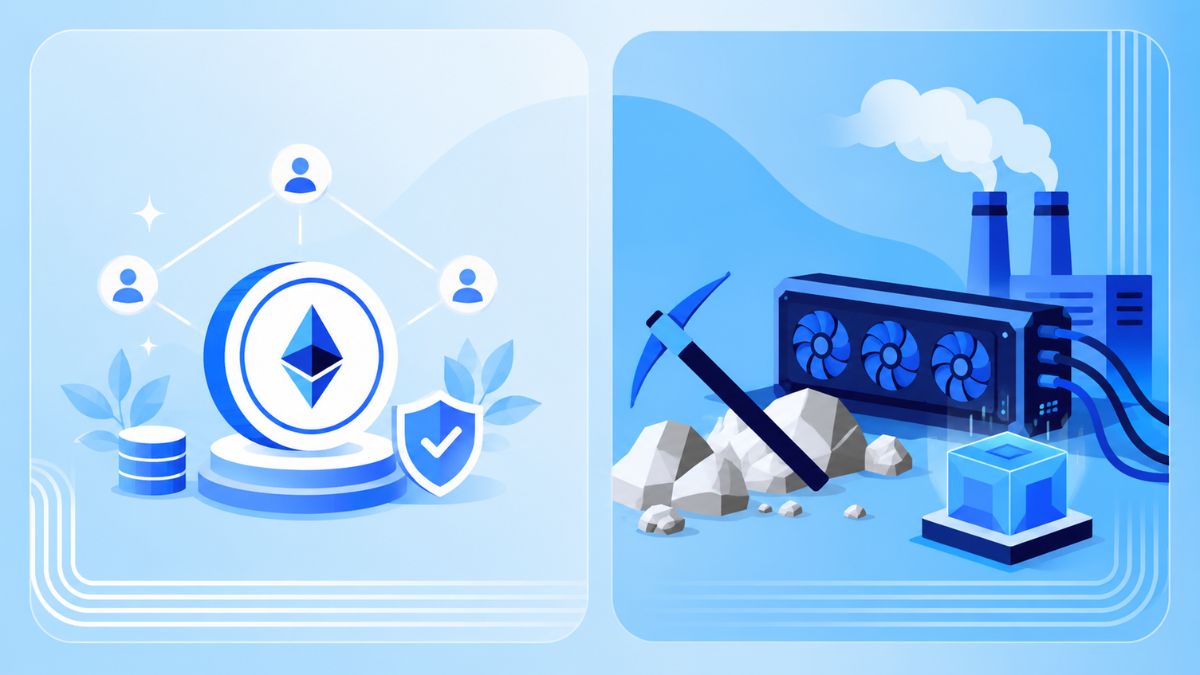
A blockchain’s consensus mechanism determines how transactions are validated and directly impacts security, speed, and energy efficiency. Different models, such as Proof of Work (PoW), Proof of Stake (PoS), and Delegated Proof of Stake (DPoS), offer different trade-offs between decentralization, scalability, and performance.
When choosing a platform, consider how its consensus model supports your project goals. Energy-efficient applications may benefit from PoS networks, while projects requiring strong security and fault tolerance may prioritize platforms with proven consensus reliability and transaction finality.
Scalability
Scalability defines a blockchain’s ability to handle increasing transaction volumes without reducing performance or increasing costs. Projects with high user demand, such as gaming, DeFi, or enterprise applications, should prioritize platforms with high throughput, low latency, and efficient scaling solutions. Evaluate transaction speed, network capacity, and performance under heavy usage before selecting a platform.
Smart contract features
Smart contract capabilities determine how effectively a blockchain can support automated processes, decentralized applications, and complex business logic. While Ethereum remains a leading smart contract platform, many newer networks offer improved performance, developer tools, and programming flexibility.
Consider the available programming languages, development frameworks, security tools, and existing smart contract ecosystem. A platform with strong smart contract support can simplify development and enable more advanced Web3 functionalities.
Network stability and security
A secure and reliable blockchain reduces risks such as smart contract exploits, data breaches, and transaction failures. Consider the platform’s security history, audit practices, network uptime, and ability to handle past vulnerabilities. Established networks often provide stronger infrastructure and long-term reliability.
Community and ecosystem
A strong community provides access to developers, technical resources, wallets, APIs, tools, and partnerships that support project growth. Consider factors such as developer activity, GitHub contributions, ecosystem size, and available infrastructure. Established platforms with active communities often offer better support and faster innovation opportunities.
Transaction costs
Transaction fees directly impact user experience and project sustainability, especially for applications requiring frequent interactions. Compare average costs, fee stability, and performance during network congestion. Platforms with affordable and predictable fees are better suited for large-scale consumer applications.
Interoperability
Interoperability allows blockchain projects to connect with other networks, enabling cross-chain asset transfers, broader liquidity access, and integration with existing Web3 ecosystems. This flexibility is increasingly important as multi-chain development becomes more common.
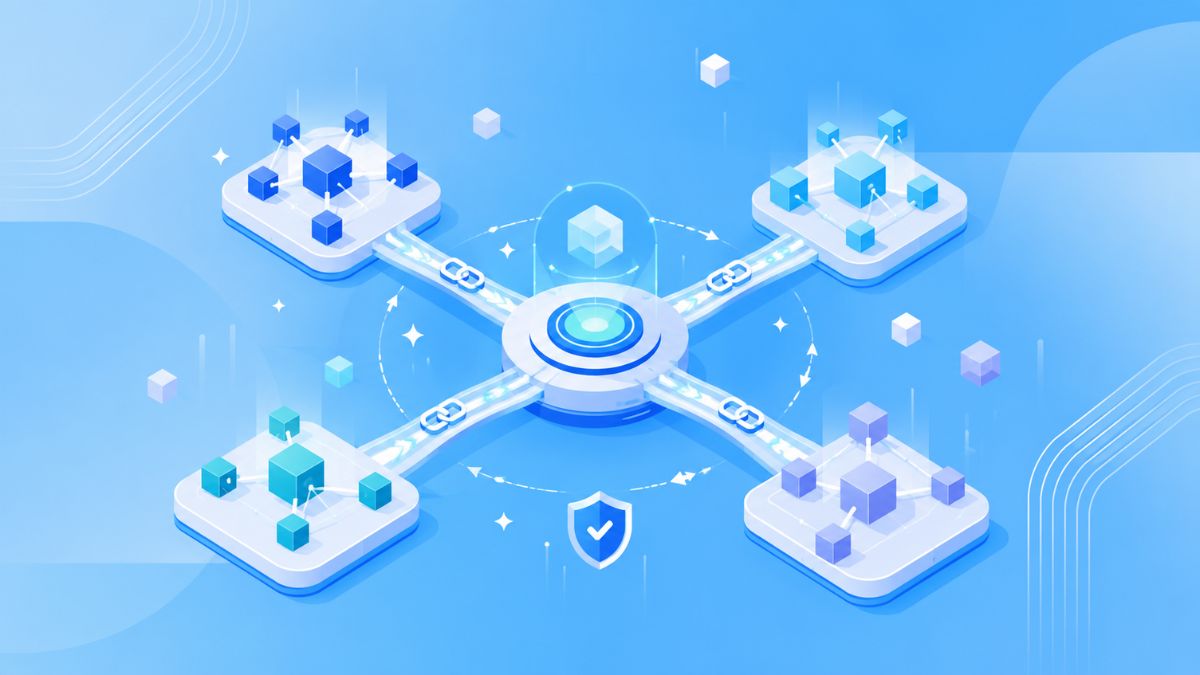
When evaluating platforms, consider support for bridges, cross-chain protocols, wallet compatibility, and integration with major ecosystems. Strong interoperability can expand user reach and provide greater flexibility for future growth.
Regulatory compliance and governance
Blockchain governance and compliance features are important for projects in regulated industries such as finance and enterprise applications. Assess how a platform handles upgrades, identity management, data privacy, and regulatory requirements. A transparent governance model supports long-term stability and adaptability.
How Newwave Solutions Helps Select and Implement Blockchain Platforms
At Newwave Solutions, we provide end-to-end blockchain consulting and development services to help businesses identify opportunities, select suitable technologies, and build scalable Web3 solutions.
With expertise across the most popular blockchain platforms, including Ethereum, Solana, Polygon, and BNB Smart Chain, we help businesses evaluate and choose the right blockchain platform based on their specific requirements, including scalability, transaction performance, security, smart contract capabilities, ecosystem support, and long-term growth goals.
Beyond blockchain platform consulting, we also leverage our experience to develop a wide range of Web3 solutions, including crypto wallets, decentralized applications (dApps), DeFi platforms, NFT marketplaces, smart contracts, and blockchain integrations.
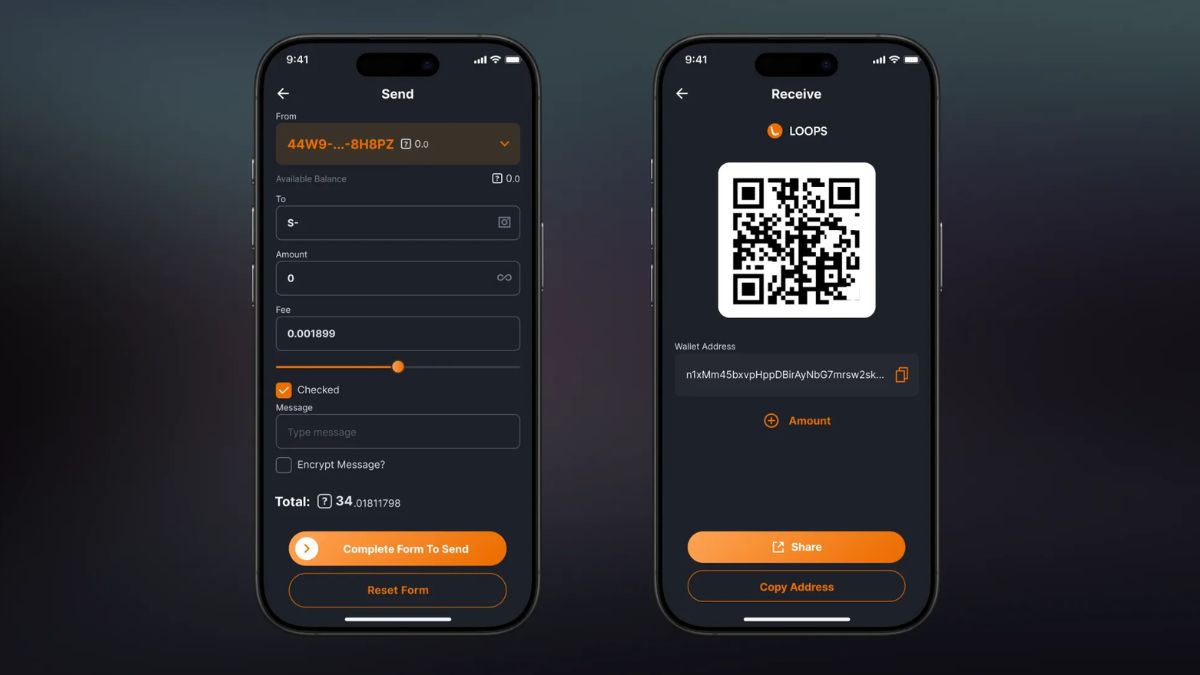
In a project, Newwave Solutions helped a Japanese client turn an early-stage concept into a market-ready Proof of Capacity ecosystem, covering wallets, a blockchain explorer, a mining pool, user applications, and a successful hard fork. At the end, our client gained a scalable platform capable of supporting real users, miners, transparent transactions, secure asset management, and future exchange opportunities.
To leverage the potential of blockchain technology, schedule a consultation with us to discuss your blockchain project and find the right technology approach for your business.
Final Thought
Blockchain platforms you choose can directly impact your project’s performance, user experience, and long-term growth. By understanding key technical factors and matching them with your requirements, businesses can create more efficient, secure, and future-ready blockchain applications.
At Newwave Solutions, we combine blockchain expertise with hands-on development experience to guide businesses through platform selection and solution implementation. Contact us and let our team help you build scalable blockchain solutions tailored to your business needs.
FAQs
1. What are the major blockchain platforms?
The major blockchain platforms include Ethereum, Solana, and Hyperledger Fabric. These networks are widely used for different applications, from decentralized applications (dApps) and smart contracts to DeFi platforms, NFTs, enterprise solutions, and tokenized assets.
2. Are blockchain platforms secure?
Blockchain platforms provide strong security through decentralized networks, cryptographic verification, and consensus mechanisms. However, security also depends on factors such as smart contract quality, wallet protection, platform maturity, and proper development practices.
3. Can businesses use multiple blockchain platforms for one project?
Yes. Many businesses adopt multi-chain strategies to improve flexibility, accessibility, and scalability. Using multiple blockchain networks can help projects reach different user groups, access wider ecosystems, and optimize performance based on specific requirements.
4. Which blockchain platform has the lowest transaction fees?
Transaction fees vary depending on network demand and application requirements. Platforms such as Polygon, Solana, and BNB Smart Chain are known for lower transaction costs compared with networks with higher fees, making them suitable for applications requiring frequent transactions.
5. What is the difference between Ethereum and other blockchain platforms?
Ethereum is one of the most established smart contract platforms, offering a large developer ecosystem, strong security, and extensive Web3 infrastructure. Other platforms such as Solana, Polygon, and BNB Smart Chain often focus on faster transactions, lower fees, or improved scalability for specific use cases.
To Quang Duy is the CEO of Newwave Solutions, a leading Vietnamese software company. He is recognized as a standout technology consultant. Connect with him on LinkedIn and Twitter.



Read More Guides
Get stories in your inbox twice a month.
Let’s Build Something Extraordinary
Sign up for a 30 min no-obligation strategic session with us. Transform your Ideas into scalable reality.
Leave a Reply