


UI/ UX Design for TurningTechnology Outsourcing Capabilities into a Clear Buyer Journey
APAC Market - Responsive Website UI/UX Design - Fixed Price - 1 month - 2 Designers
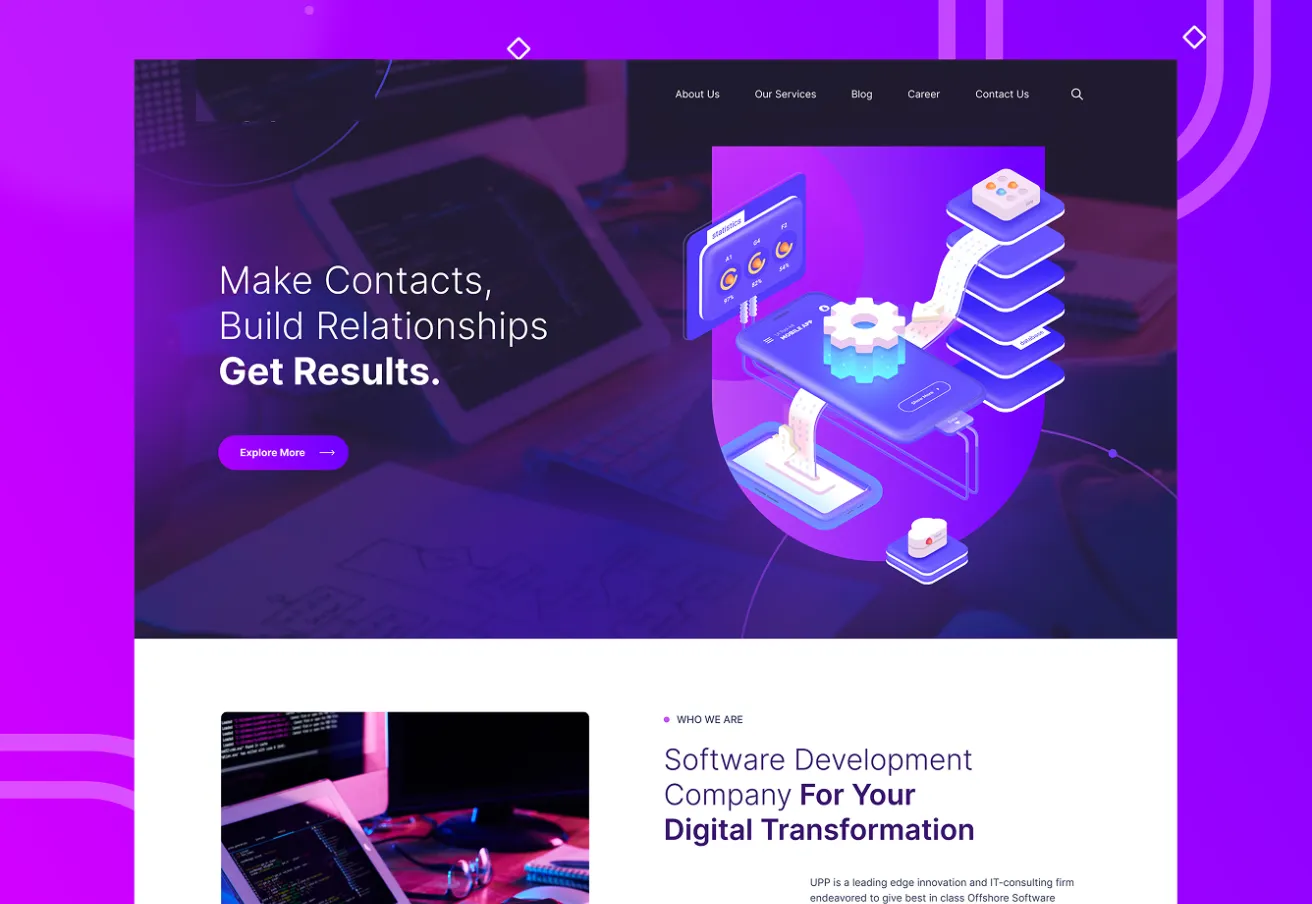
Technology outsourcing capabilities can be difficult to communicate without overwhelming prospective clients with technical detail. Newwave Solutions handled Requirement Analysis, website structure and information architecture, UI/ UX, and Prototyping to turn this client’s capabilities, services, solutions, projects, and company information into a clear website journey. After multiple design directions were reviewed and refined, the approved responsive design and reusable component system provided a consistent foundation for development across desktop and mobile experiences.
Client Context
The client is a software solutions and technology outsourcing company. It needed a completely new corporate website to present its software development capabilities, services, solutions, projects, and company information to prospective clients.
As a key digital touchpoint, the website had to help business buyers understand what the company offered, where its strengths lay, how engagement worked, and why it should be considered as a technology partner.


Business Stakes
The client needed a website that could translate its capabilities, services, strengths, and collaboration process into a clear buyer journey. The central challenge was to communicate technical expertise without making the experience overly technical, while maintaining the professionalism and credibility expected from a business technology partner.
The company’s strengths could become difficult to distinguish from those of other software outsourcing providers.
An unsuitable visual direction could fail to balance technology, innovation, professionalism, and business trust.
If services, solutions, and proof points were not clearly organized, visitors could struggle to evaluate whether the company matched their needs.
The website could function only as an information source rather than supporting the transition from interest to business inquiry.
An inconsistent experience across screen sizes could make important information and conversion points harder to access, weakening the company’s professional image.
Our Approach
Newwave Solutions approached the project by first defining how the client’s technology outsourcing capabilities should be understood on the website. A scannable content hierarchy was applied to help visitors quickly understand what the company offered, where its strengths lay, and how a potential engagement would work. Dedicated solution pages supported more focused exploration, while case studies, technical resources, certifications, and partner information provided evidence for vendor evaluation. Contact forms, demo registration, and quotation requests were positioned as clear next steps, enabling the website to move buyers from initial interest toward business inquiry.
Responsive layouts and a shared design system maintained consistent content, interactions, and conversion points across desktop and mobile screens. Reusable components also provided the development team with a structured implementation foundation and helped reduce design inconsistencies during handoff.
Our Approach:
Week 1: Discovery and Direction
Defined requirements, sitemap, content structure, and initial visual directions.
Week 2: Wireframe and Initial Design
Completed wireframes for key flows and developed the selected visual direction and core components.
Week 3: Design Expansion and System
Expanded the design across the remaining pages and built reusable design system components.
Week 4: Refinement and Handoff
Consolidated feedback, refined the UI/ UX, completed prototypes and components, and prepared the design for development handoff.
Key UX/ UI Decisions
The design decisions focused on making abstract technology outsourcing capabilities easier to understand while maintaining consistency across a completely new website.

Information Architecture Before Visual Design
Organizing the sitemap, content hierarchy, and user flows first helped the website explain the client’s services, strengths, and collaboration process in a clearer sequence. This gave prospective clients a more direct path to the information needed for vendor evaluation.

Multiple Visual Directions
Exploring different directions allowed the client to compare how each option expressed technology, professionalism, and credibility. This reduced the risk of committing to a visual direction that did not support the company’s intended digital positioning.

Interactive Prototyping
Simulating key interactions allowed the client to review user flows before development. This helped identify necessary adjustments earlier and reduced the risk of design changes during implementation.

Reusable Design System
Using a shared design system allowed the two designers to divide the scope while maintaining consistent layouts, visual patterns, and interactions across pages.

Responsive Desktop and Mobile Design
Responsive states ensured that the website was designed for both desktop and mobile experiences, helping the client present its services consistently.
Two designers divided the website scope while working from the same design system and visual direction to maintain consistency across all pages. Figma served as the single source of truth for screens, components, and client feedback, keeping comments connected to the relevant design context.
The project was delivered through short design cycles and weekly milestones covering discovery, wireframing, visual development, system expansion, refinement, and handoff. After each review, feedback was categorized as Critical, UX or Content, Visual, or Minor Details. Scope changes and feedback affecting the design direction were confirmed with the client before implementation, helping the team maintain alignment within the one-month timeline.
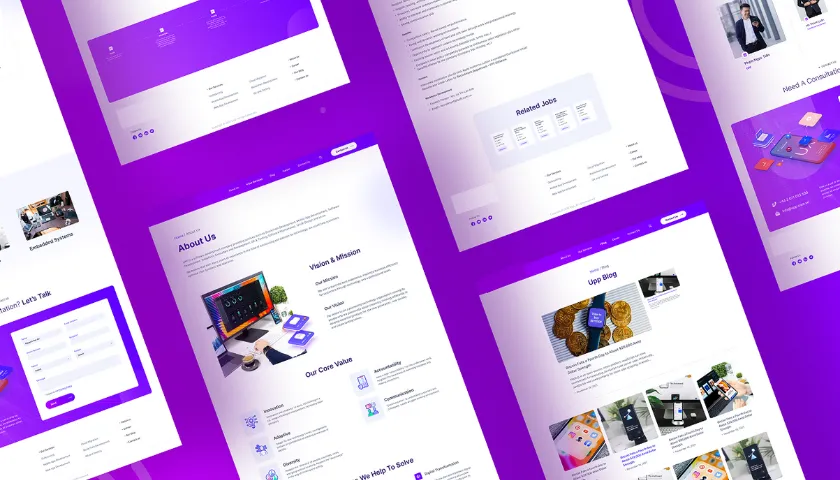
Web Capabilities
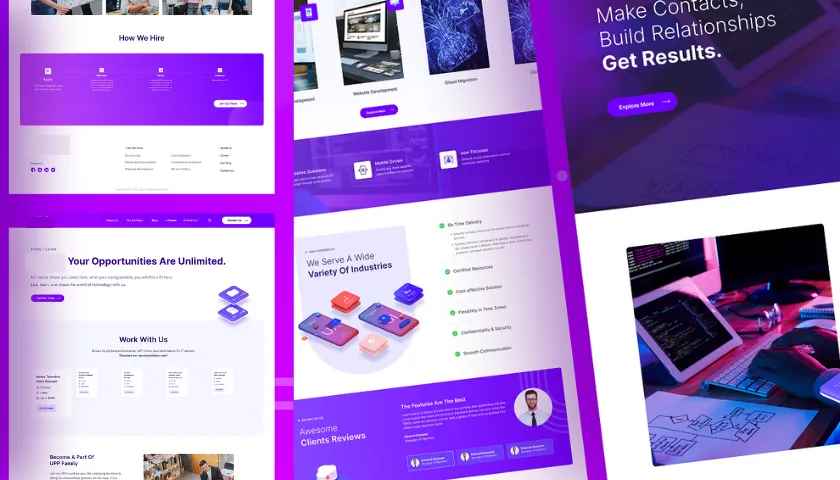
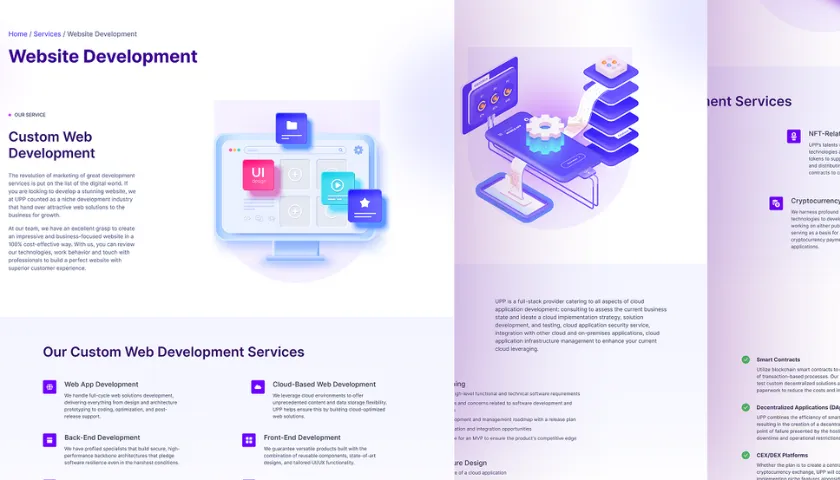
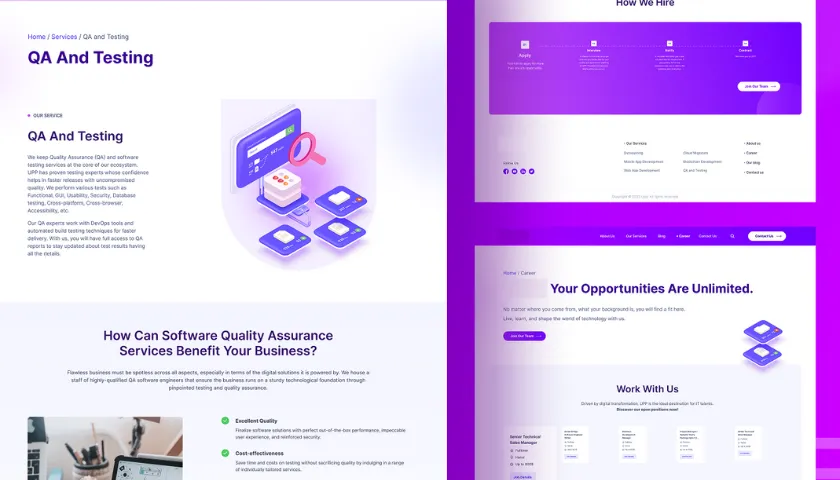
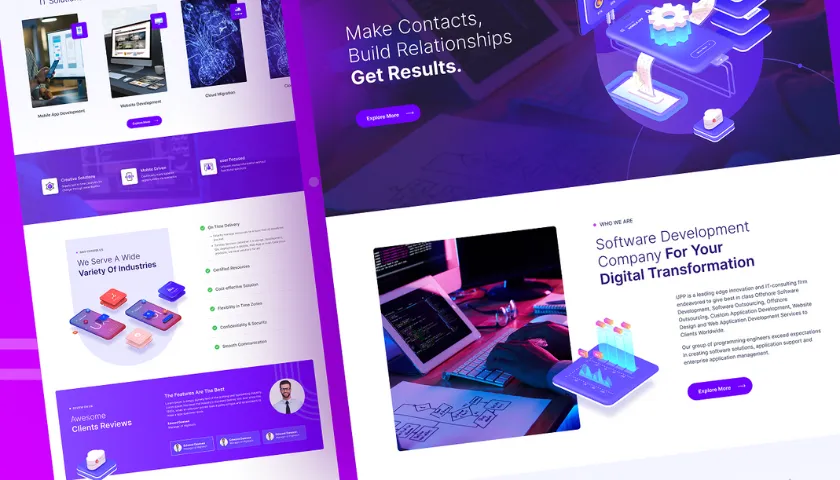
Combined the company’s vision, leadership, technical expertise, partner logos, certifications, licenses, and awards to strengthen brand positioning and reduce uncertainty during vendor evaluation.
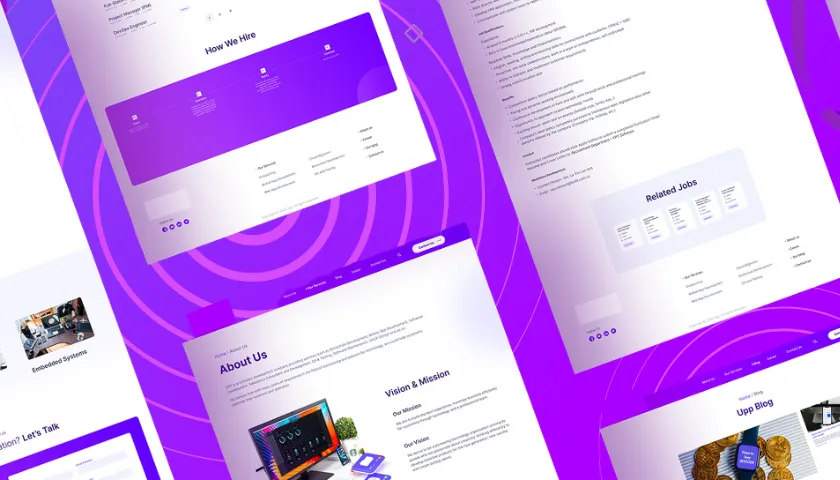
Presented software products, development services, pricing information where applicable, and dedicated solution pages to help prospective clients identify relevant offerings and support targeted marketing.
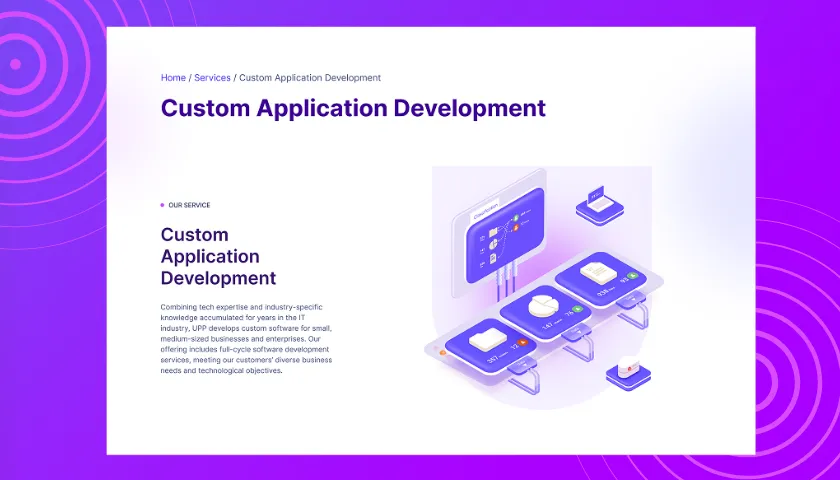
Provided project evidence, technical documents, brochures, whitepapers, datasheets, product visuals, and demos to support buyer evaluation and sales discussions.
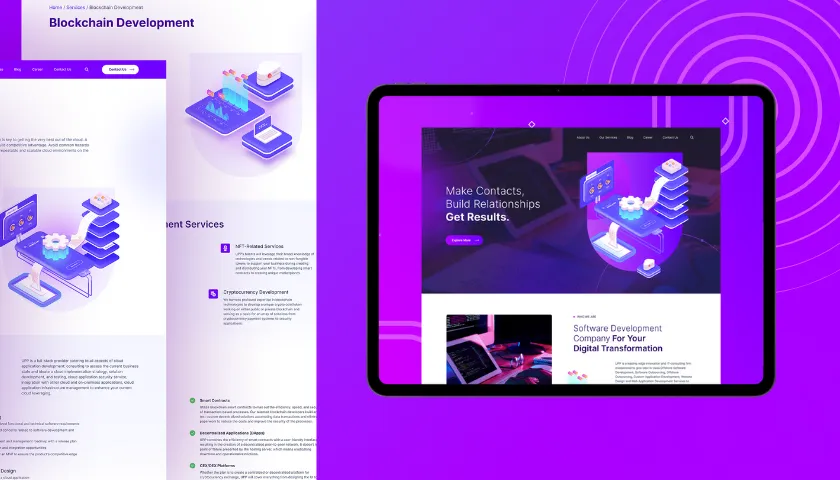
Created defined paths to contact forms, demo registration, and quotation requests, enabling the website to support business inquiries.
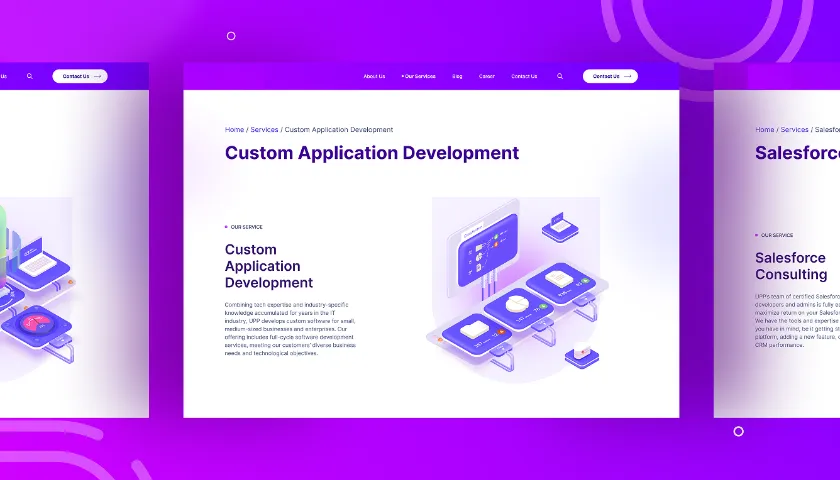
Established a structured space for company updates and expertise-driven content.
Services, solutions, company information, proof points, and inquiry paths were organized into a clearer journey for prospective clients.
Business Impacts
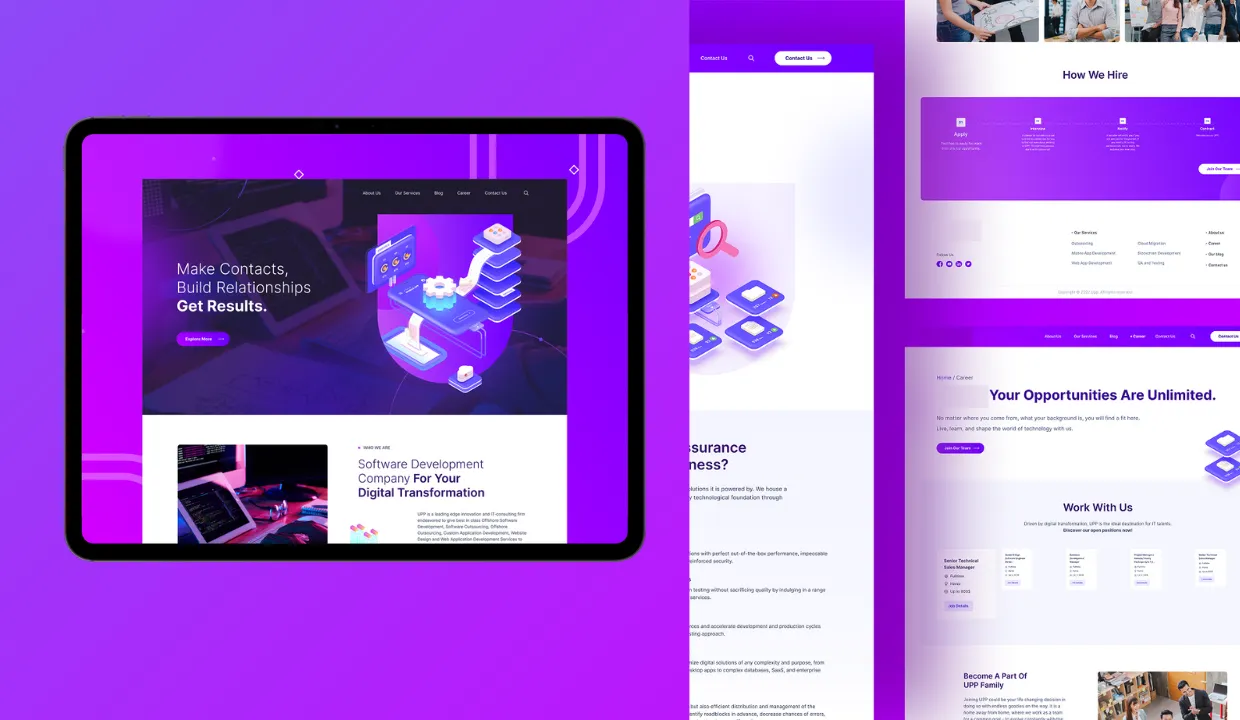
The project gave the client an approved digital direction for presenting its technology outsourcing capabilities with greater clarity, professionalism, and business credibility. The structured content hierarchy helped connect company information, services, solutions, project evidence, and inquiry points within one website experience, which met the project quality expectations from our client. Because the design was built with reusable components and responsive states, it also provided the development team with a consistent foundation for implementing the website while reducing design deviations during handoff.
Related Case Study
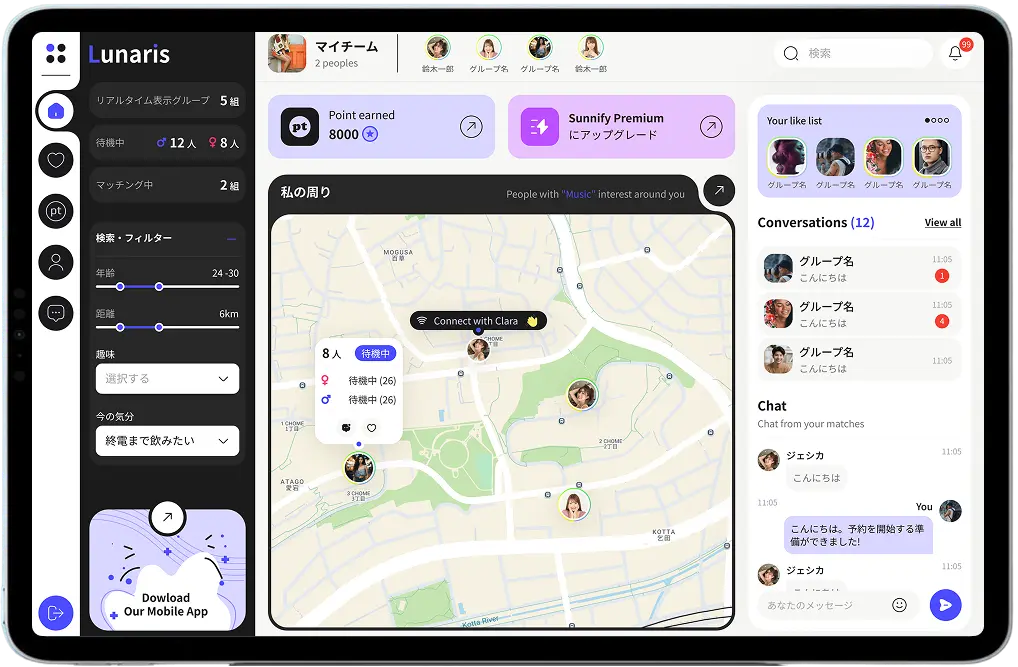

Let’s Build Something Extraordinary
Sign up for a 30 min no-obligation strategic session with us. Transform your Ideas into scalable reality.