


Manufacturing Forecast PlanningAcross Complex Data Layers
Manufacturing - Japan - Web Development - 2 Members - 4 Months
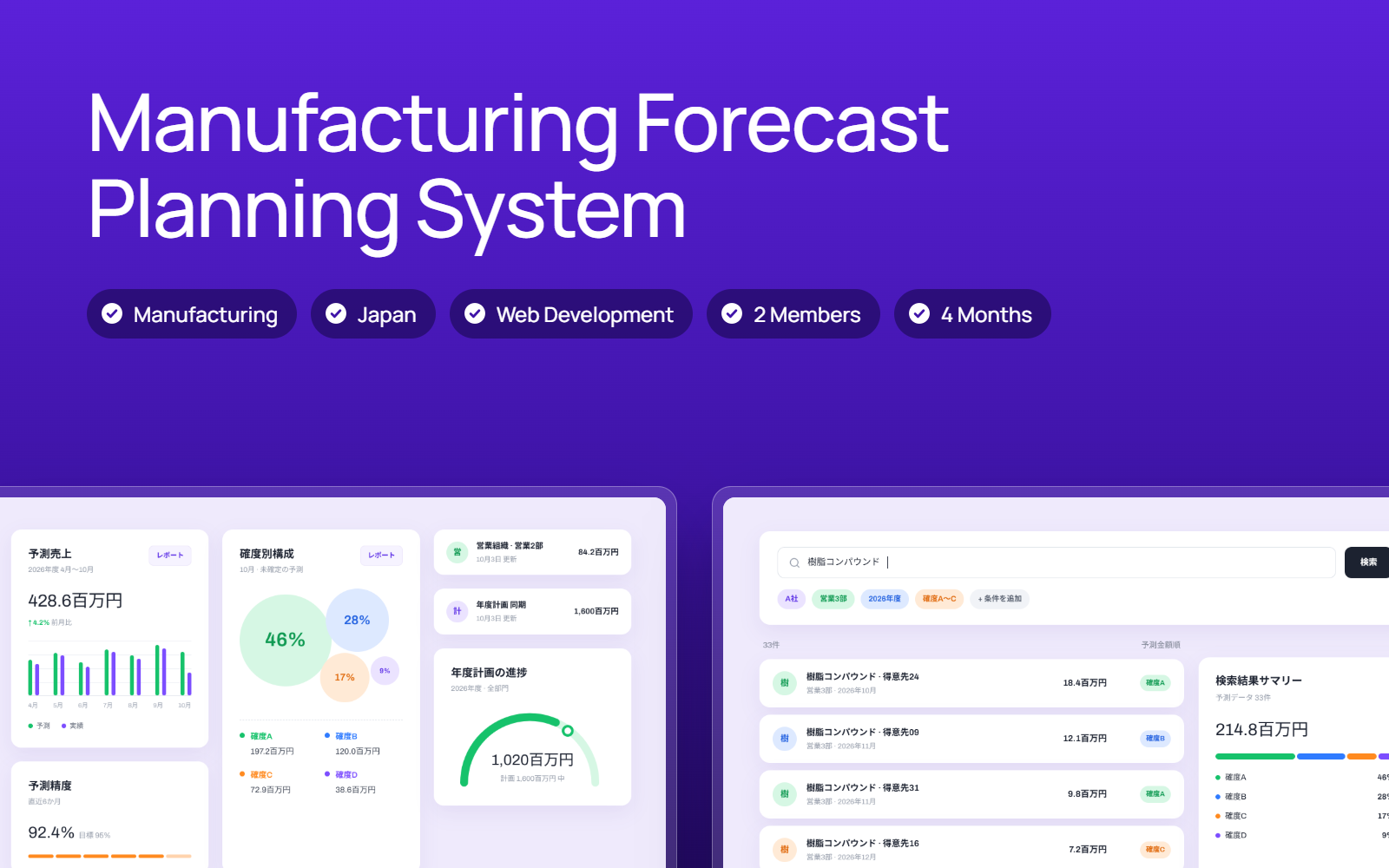
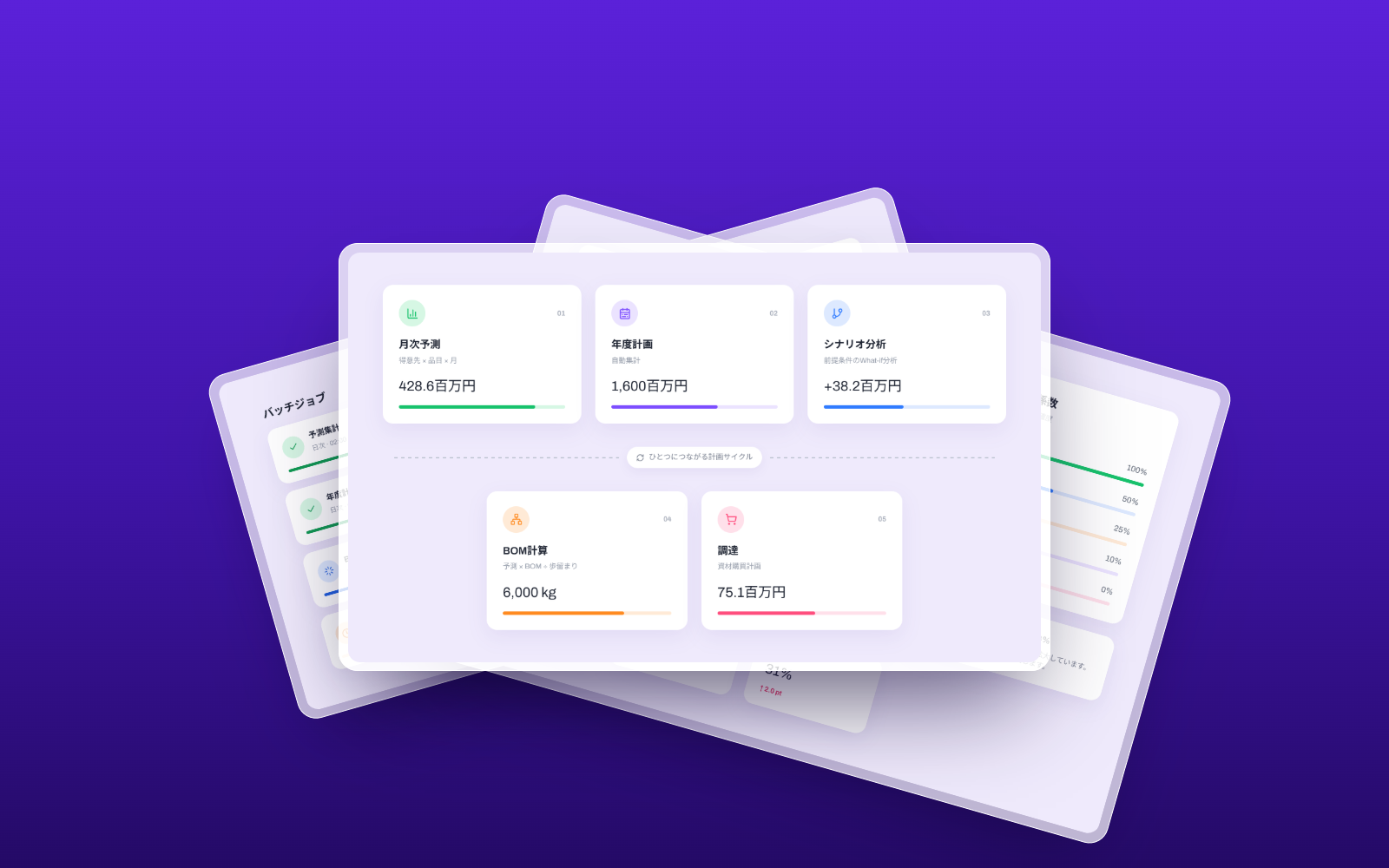
Forecasting only works when sales plans, BOM data, and procurement needs can speak the same language. In this project, those inputs came with different levels of detail and complex organizational structures. Newwave Solutions leveraged Intra-mart Low Code to connect monthly forecasts, annual sales planning, scenario analysis, and material purchasing calculations within one workflow. Despite limited platform references and a two member team, the system was completed and released on schedule with the client’s required business functions delivered.
Client Context
The client is a Japanese enterprise managing sales forecasts for materials supplied by multiple vendors.
Forecast volumes, BOM data, revenue views, and procurement requirements had to be handled across different organizational and data layers. These inputs varied in format and level of detail, making data standardization an important part of the system requirements. The client therefore needed a web based planning system that could manage forecasts, support scenario analysis, and connect sales planning with material purchasing requirements.


Business Stakes
Systemizing the planning process first required a clear understanding of how forecasts, BOM data, annual plans, and procurement were connected in practice. The challenge was compounded by data spread across different formats, levels of detail, material categories, organizations, and product configurations. For the client, getting these relationships right was essential before the system could reliably support calculation, search, and planning workflows.
Forecasting, BOM management, sales planning, and procurement were closely linked. If the underlying business process was not understood correctly, the system could reproduce the wrong planning logic instead of supporting how teams actually worked.
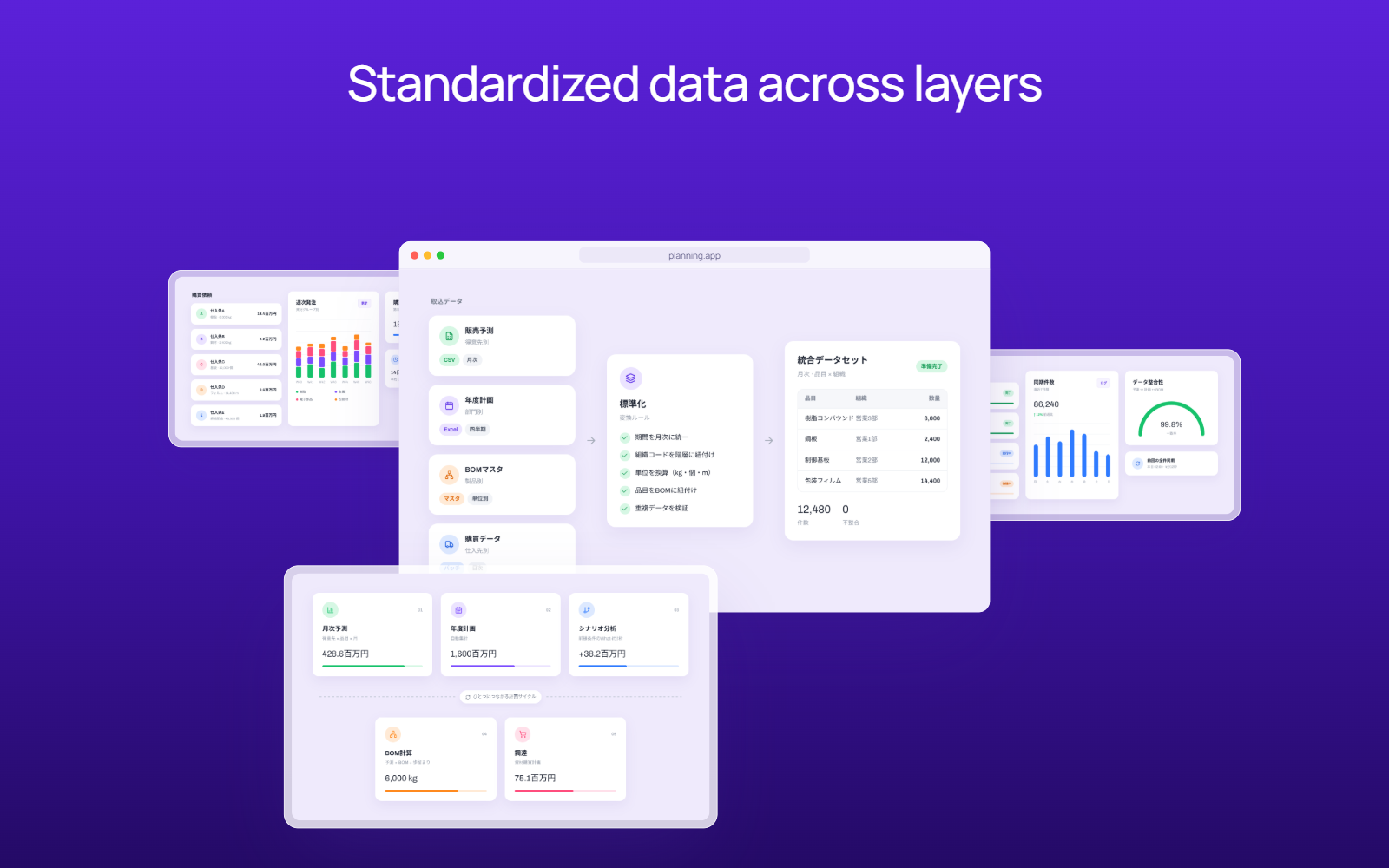
Planning data arrived in different formats and levels of detail. These differences had to be standardized, so forecasts, revenue views, and material calculations could be handled consistently.
Material categories, organizational structures, and product configurations created several overlapping data layers. The system needed to preserve these relationships so forecast data could be calculated, retrieved, and viewed at the appropriate organizational level.
Our Approach
Technical Decisions

Intra-mart Low Code
The platform provided one foundation for forecast, planning, BOM, and procurement workflows. This helped keep connected business processes within the same operating environment.

Research and PoC Validation
Limited reference materials increased the risk of choosing an approach that would not fit the required business flow.

Batch and Data Synchronization
Stable batch processing and data synchronization were critical to the planning workflow. The team tested multiple implementation methods in Intra-mart and selected the approach that best supported reliable processing and data consistency.

IM Copilot Integration
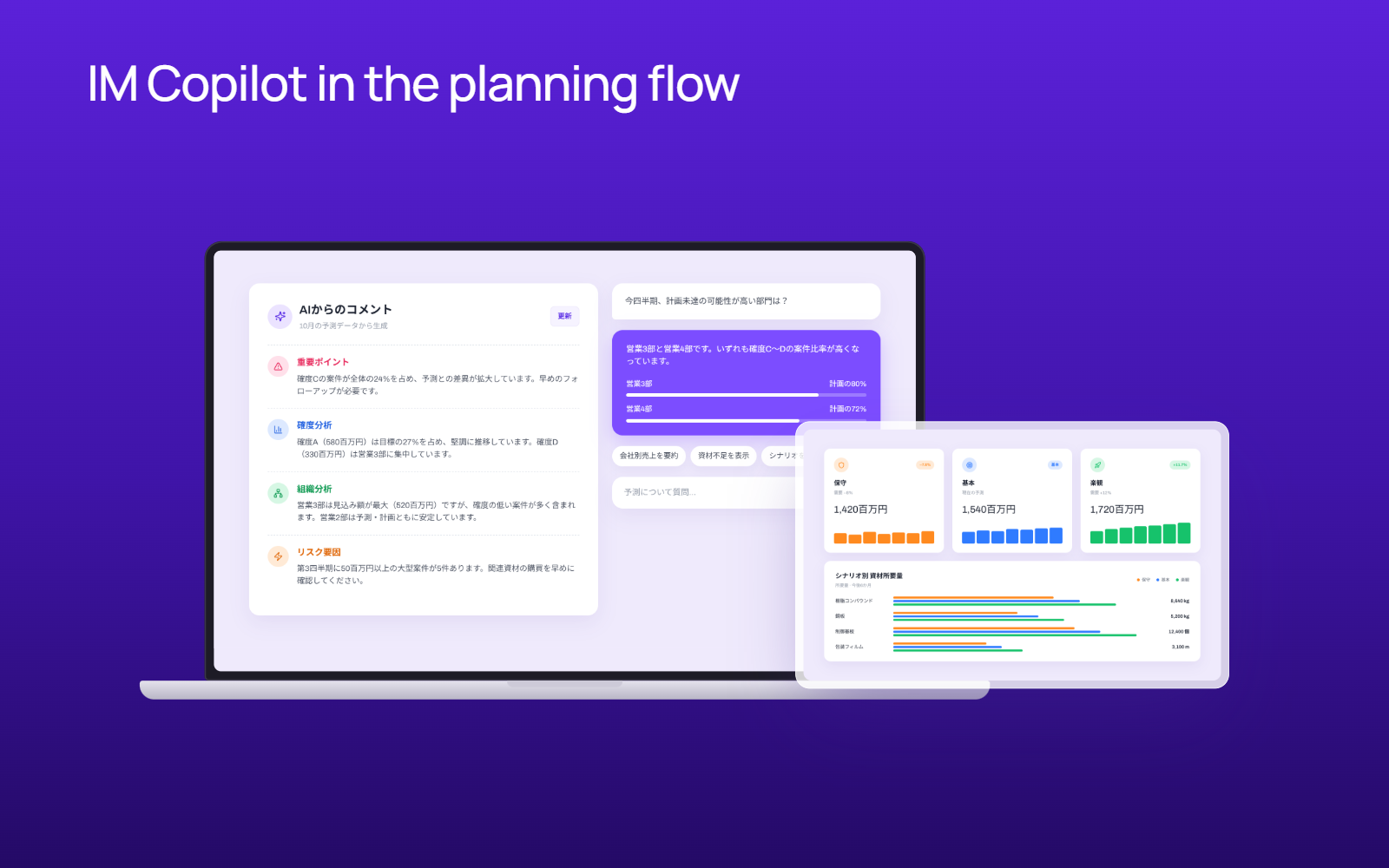
IM Copilot was new to the team and had limited supporting references. Additional validation reduced implementation uncertainty before the capability was introduced into business workflows.
Risk Handling
- Limited Intra-mart references created uncertainty around several implementation areas, while batch processing and data synchronization had to remain stable throughout the system. IM Copilot added another challenge because the technology was new to NWS and supported by few reference materials. The team responded through focused research, multiple implementation trials, and proof of concept validation before settling on suitable approaches. This helped reduce technical uncertainty while keeping development aligned with the planned release schedule.
Product Outcomes
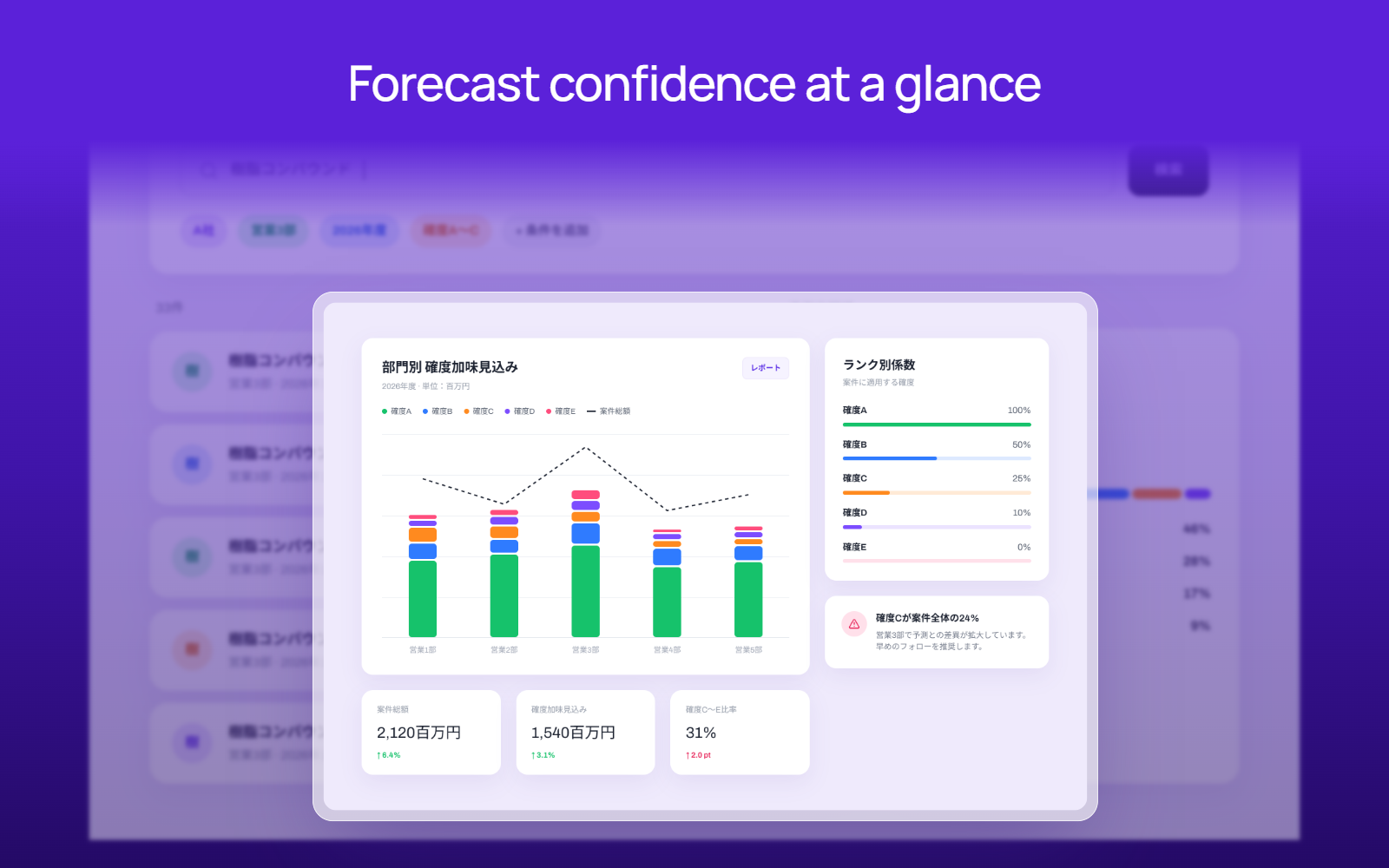
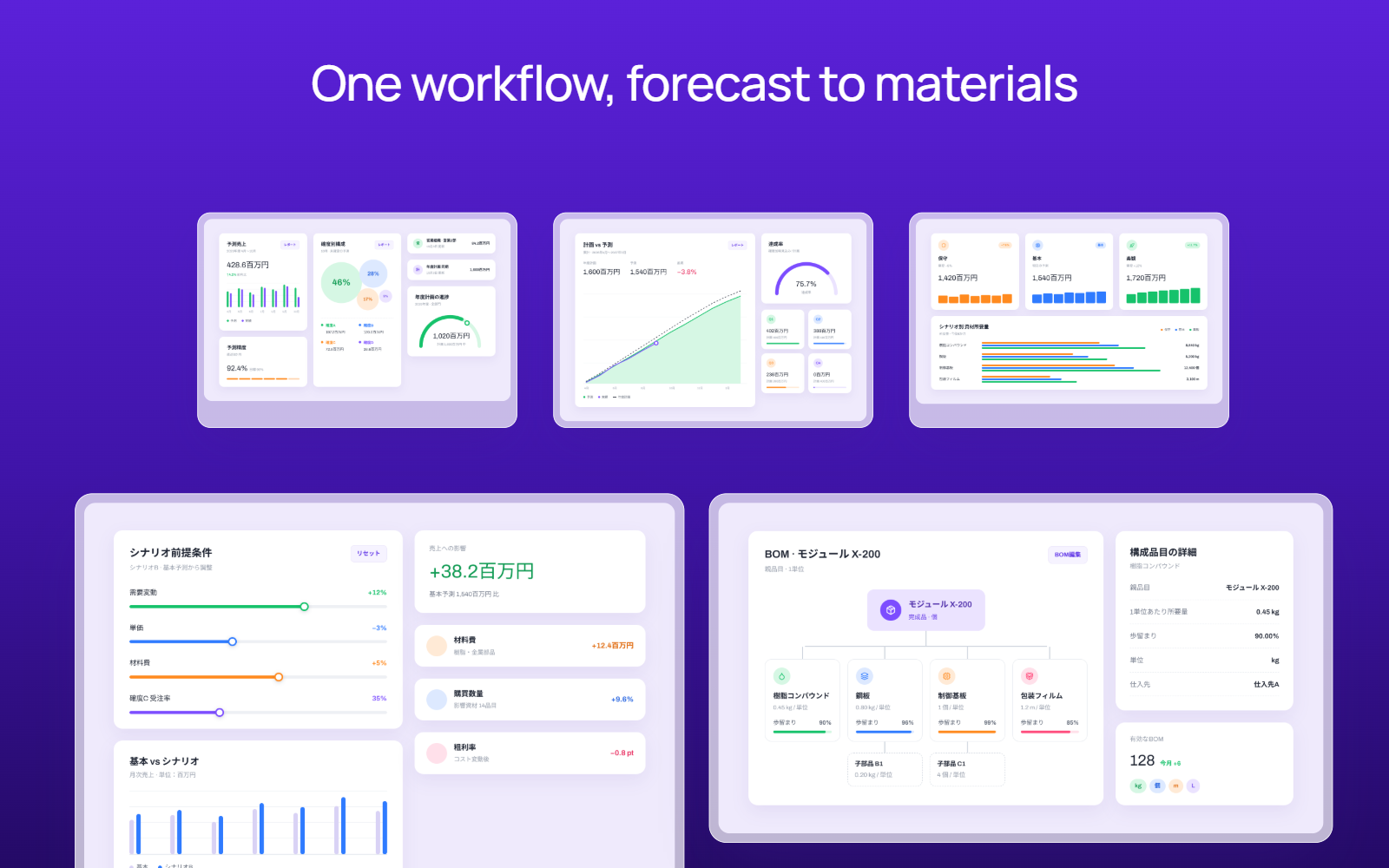
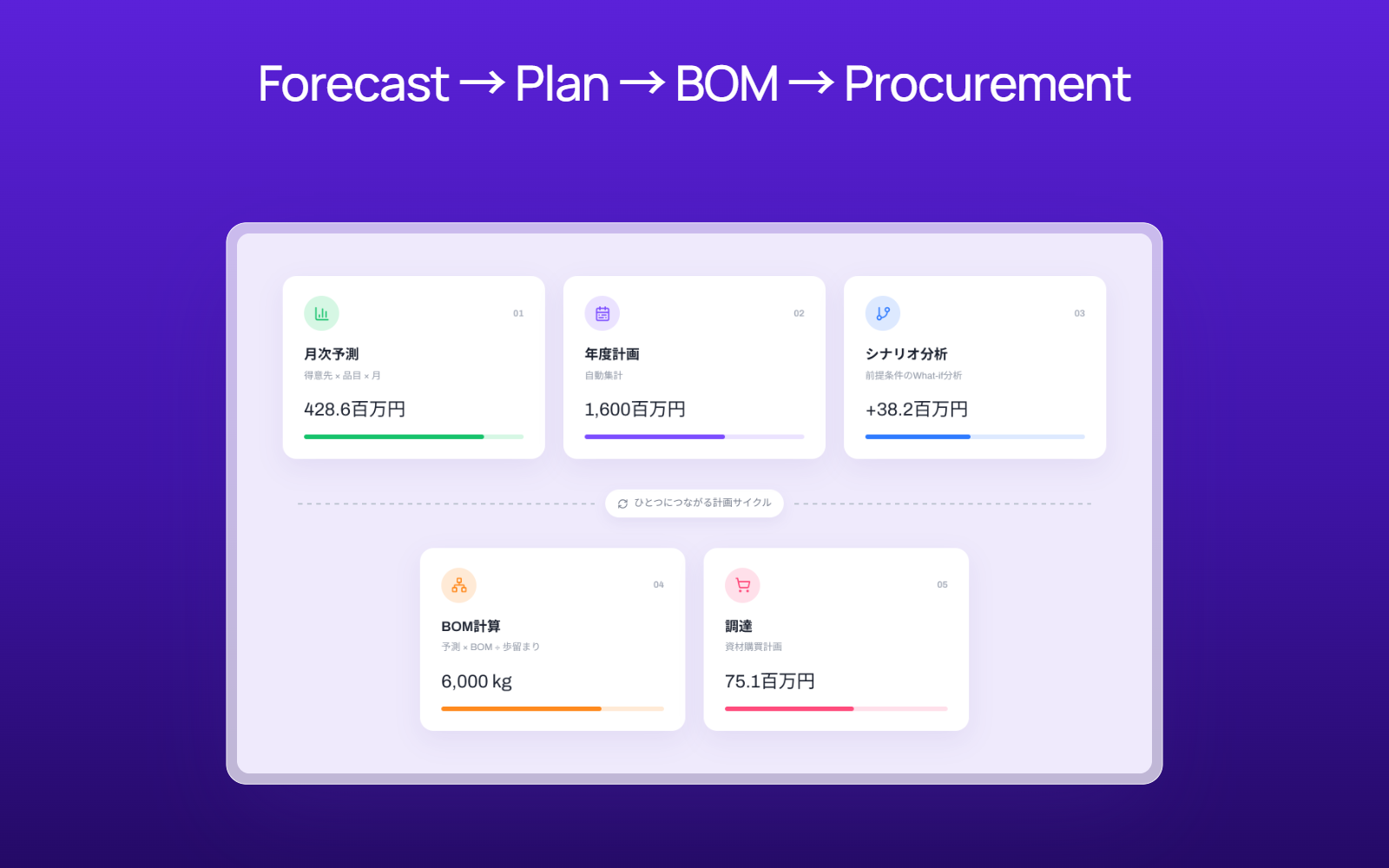
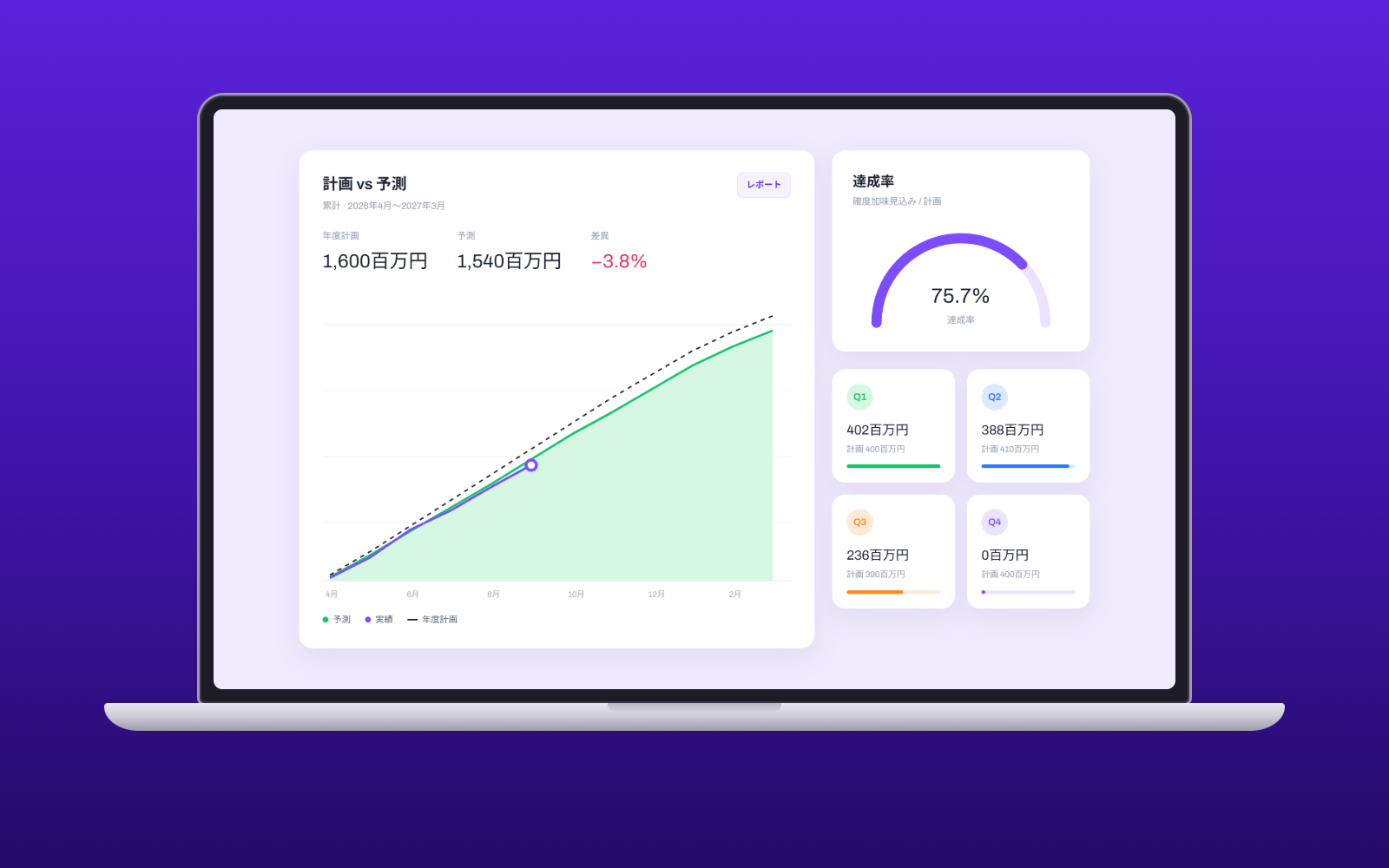
Monthly forecasts and annual plans stayed connected in one workflow, giving teams a more consistent basis for carrying decisions from short term forecasting into longer term planning.
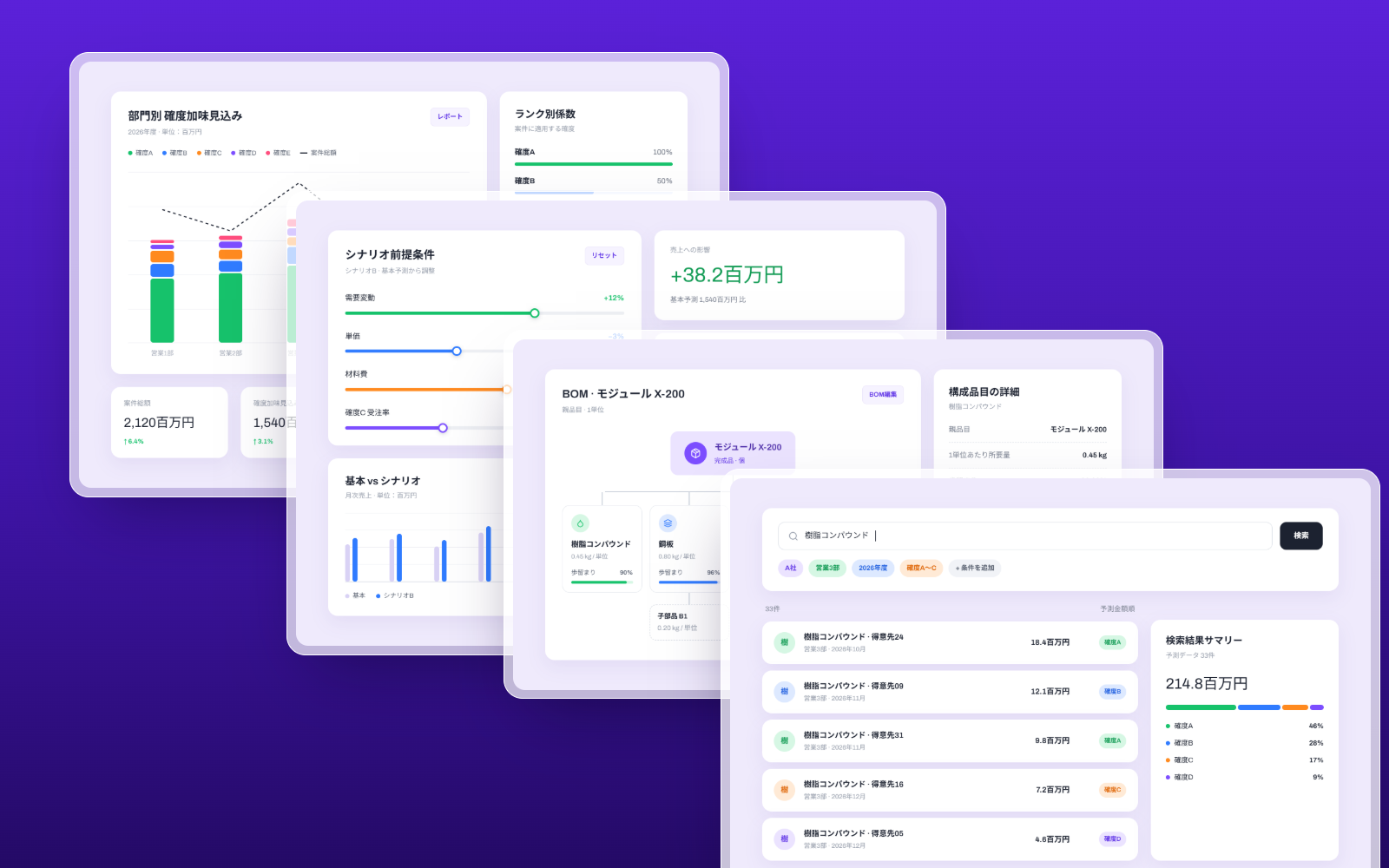
Users could search and retrieve forecast data within the system, making relevant planning information easier to access when reviewing forecasts and related requirements.
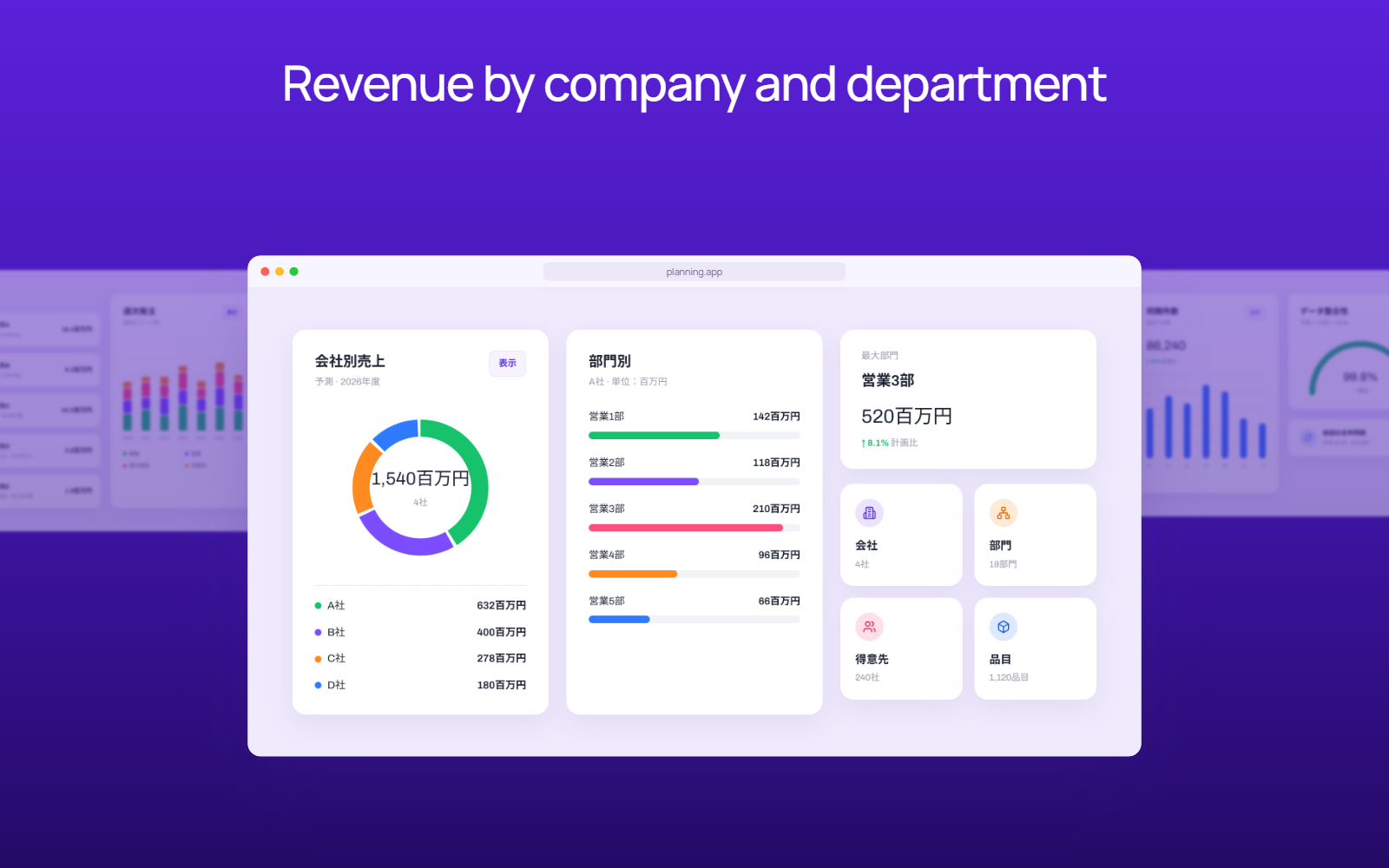
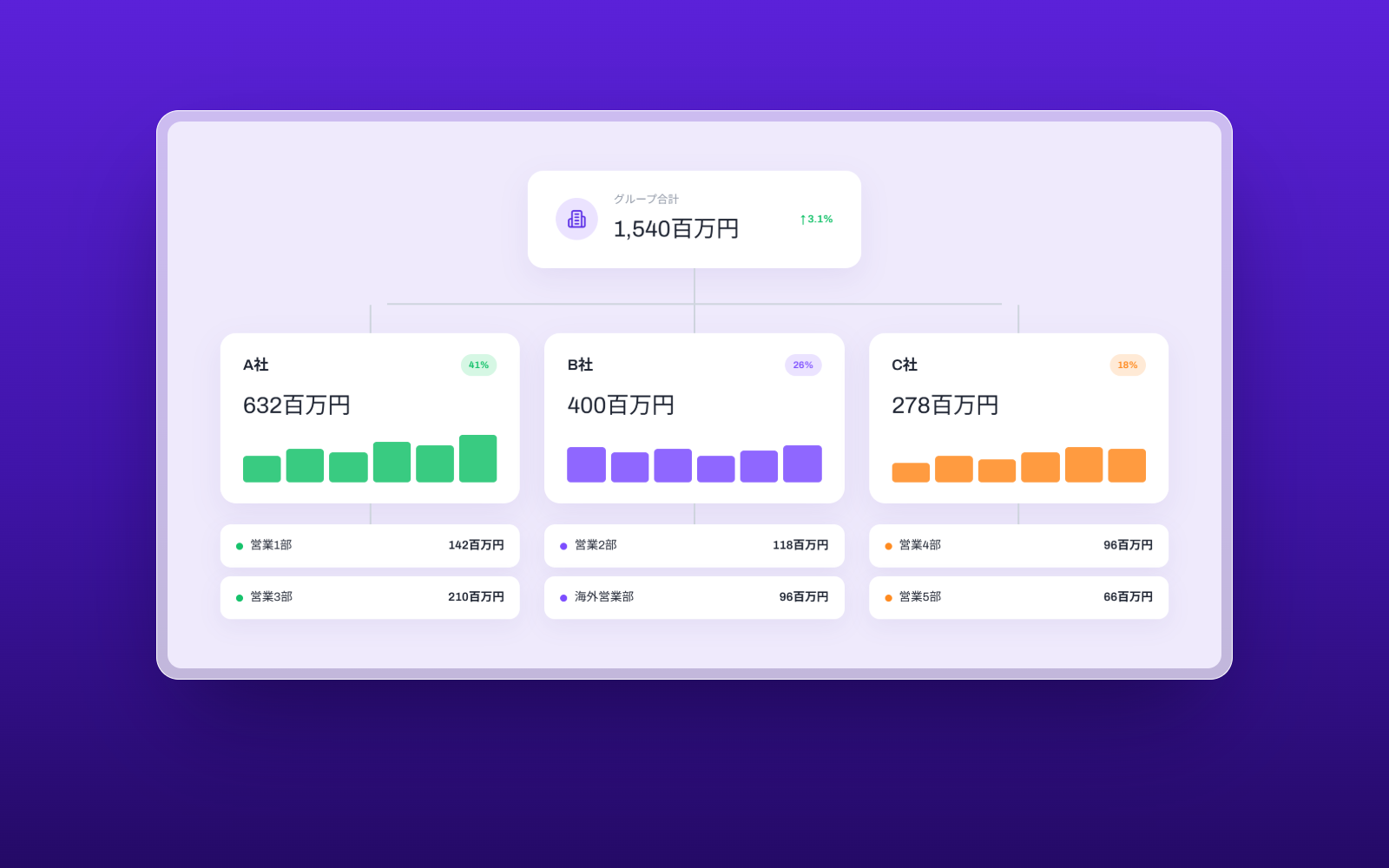
Forecast revenue could be viewed by company and department, giving users clearer visibility into planned sales across different organizational levels.
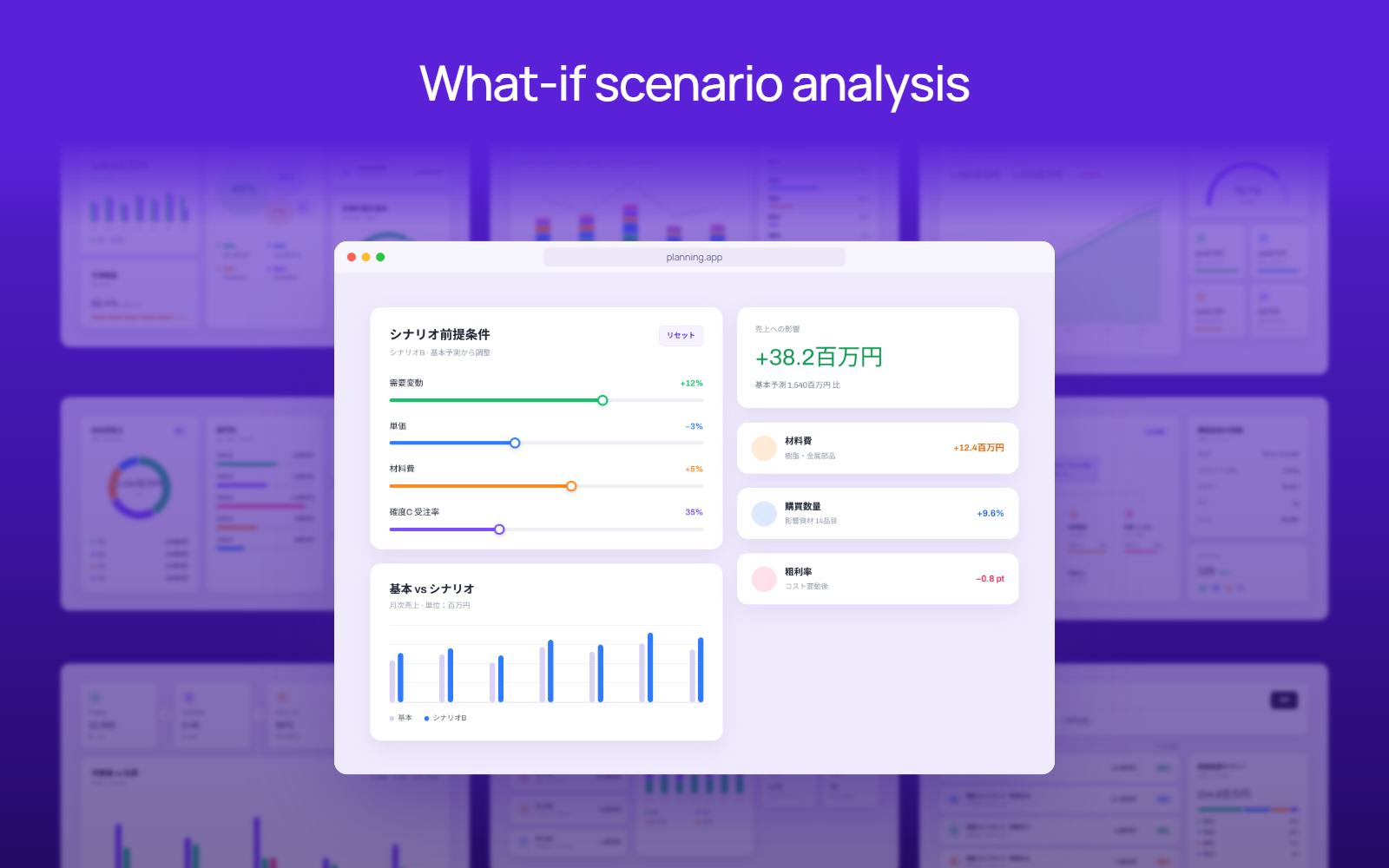
Teams could evaluate how forecast changes might affect broader plans and material needs. What if analysis provided a clearer basis for adjusting assumptions before moving forward.
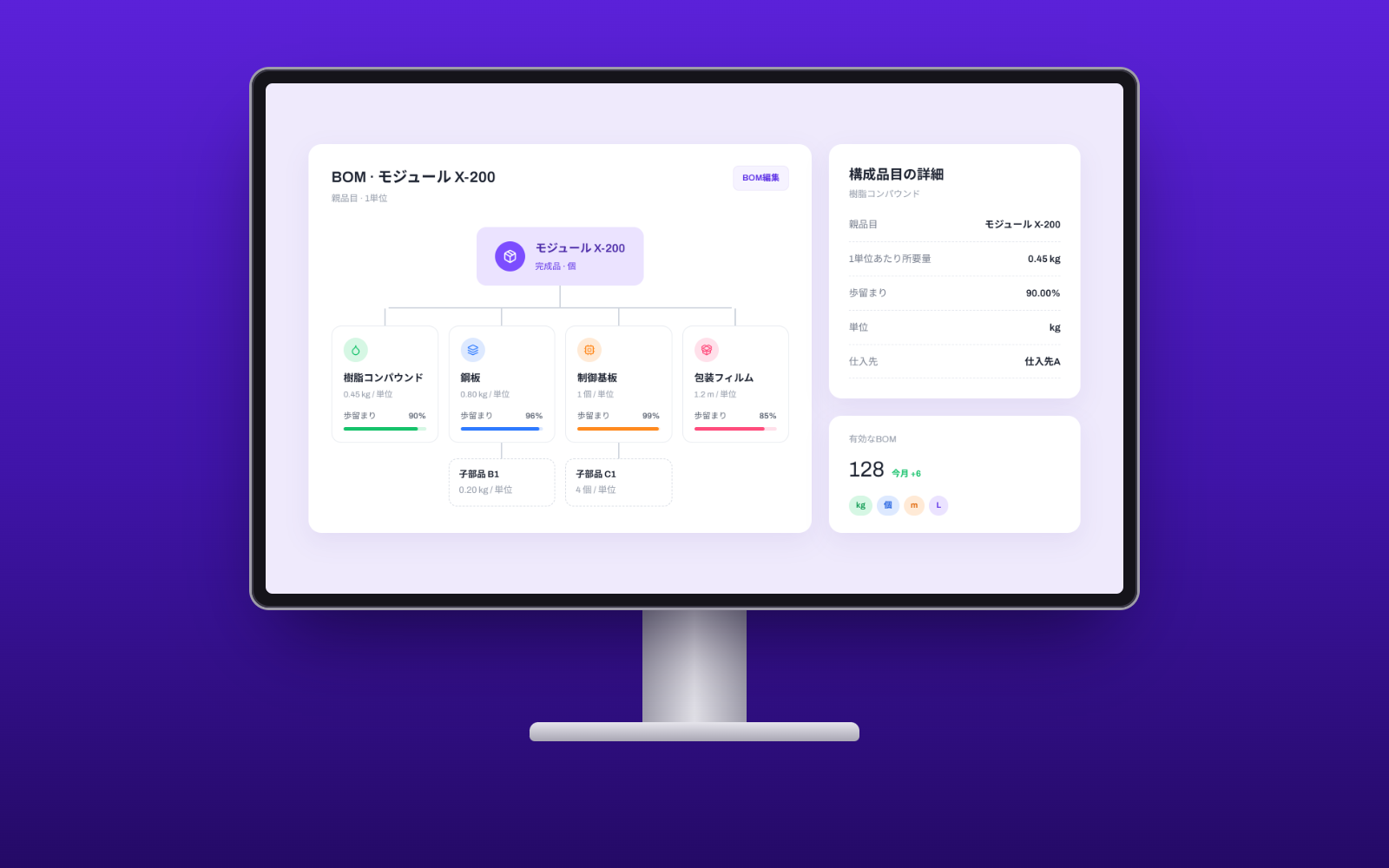
BOM data converted forecast volumes into required material quantities, creating a clearer connection between expected sales and material purchasing needs.
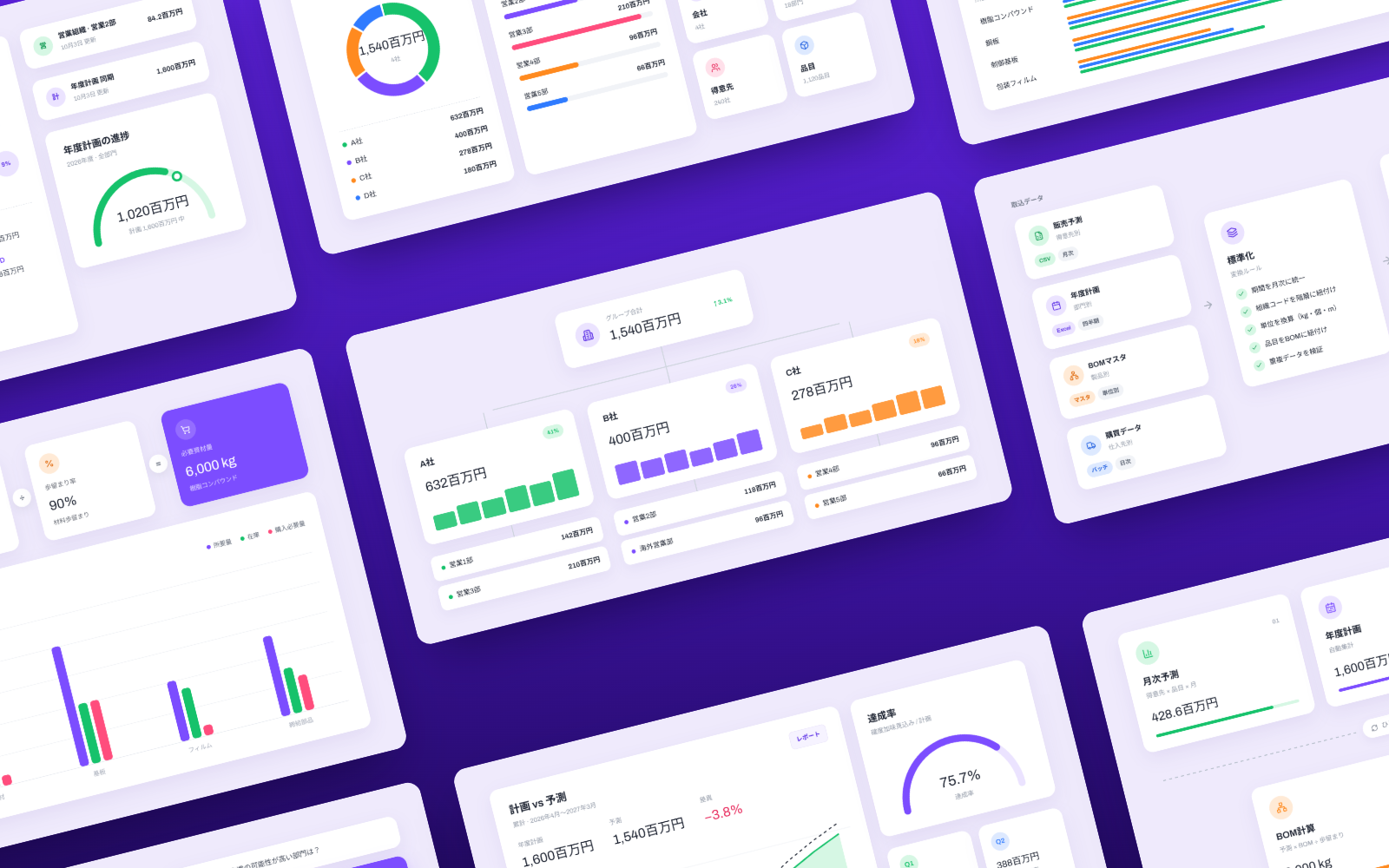
Strong client satisfaction with product quality and a low number of bugs reinforced the value of a delivery that met both functional requirements and quality expectations.
Business Impact
The delivered system brought forecasting, annual planning, BOM data, scenario analysis, and procurement calculation into one connected workflow. The released system connected forecasting, annual planning, BOM data, scenario analysis, and procurement calculations within one planning environment. Most importantly, the project reached release on schedule with all stated business requirements implemented.
- Connected Planning Flow: Monthly forecasts, annual plans, BOM data, scenario changes, and material requirements could be handled within the same system.
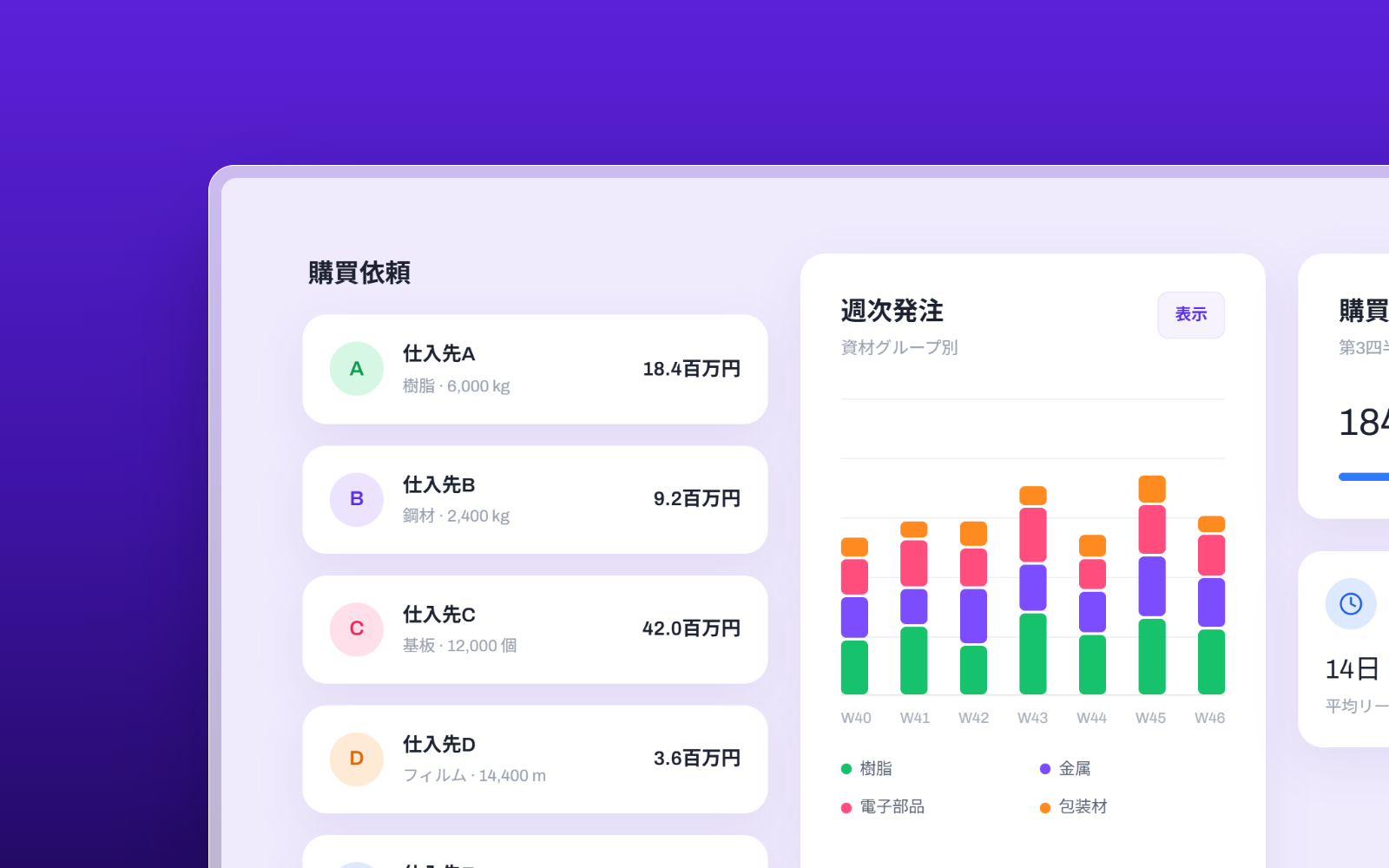
- Procurement Support: Forecast and BOM data could be used together to calculate the quantity of materials required for purchasing.
- On Time Release: The project was completed and released within the planned December 2025 to March 2026 timeline.
- Requirements Delivered: All business requirements provided by the client were implemented in the released system.
Related Case Study







Let’s Build Something Extraordinary
Sign up for a 30 min no-obligation strategic session with us. Transform your Ideas into scalable reality.