


Software Development
Automating Event Ticketing Through Web Based Management
- Industry
- Event Management Technology
- Service
- Web Development & Maintenance
- Team size
- 2 members
- Platform
- Chrome Web Browser
Client Context
The client is a Japanese company operating in event ticketing management.
Its service supports event managers in handling ticket registration, participant information and attendee check in for real events. Before the system was introduced, these tasks relied heavily on manual processes, making registration tracking, ticket confirmation and venue entry harder to control. The client needed a browser-based platform that staff could access on common devices without special setup. This reduced onsite deployment friction and made the ticketing workflow easier to repeat across events.
Business Stakes
Event ticketing is most vulnerable when preparation work meets live venue pressure. Registration data must be accurate, tickets need to be confirmed quickly and attendee entry has to move without unnecessary delays. For the client, this meant the system had to support both back office ticket management and front line check in operations.
Manual ticketing workload
Repeated manual handling of registration, ticket confirmation and participant information could slow event preparation and increase the operating burden for organizers.
Reception bottlenecks
When many attendees arrive at the same time, slow validation can create queues at the venue and reduce the overall event entry experience.
Device dependent operations
Event staff needed a workflow that worked through common browser environments. Requiring special devices or setup conditions could make on site operations harder to execute.
Concurrent usage instability
Registration and check in actions may happen in parallel across many users. Any instability could interrupt ticket validation, attendee flow and organizer confidence during live events.
Our Approach
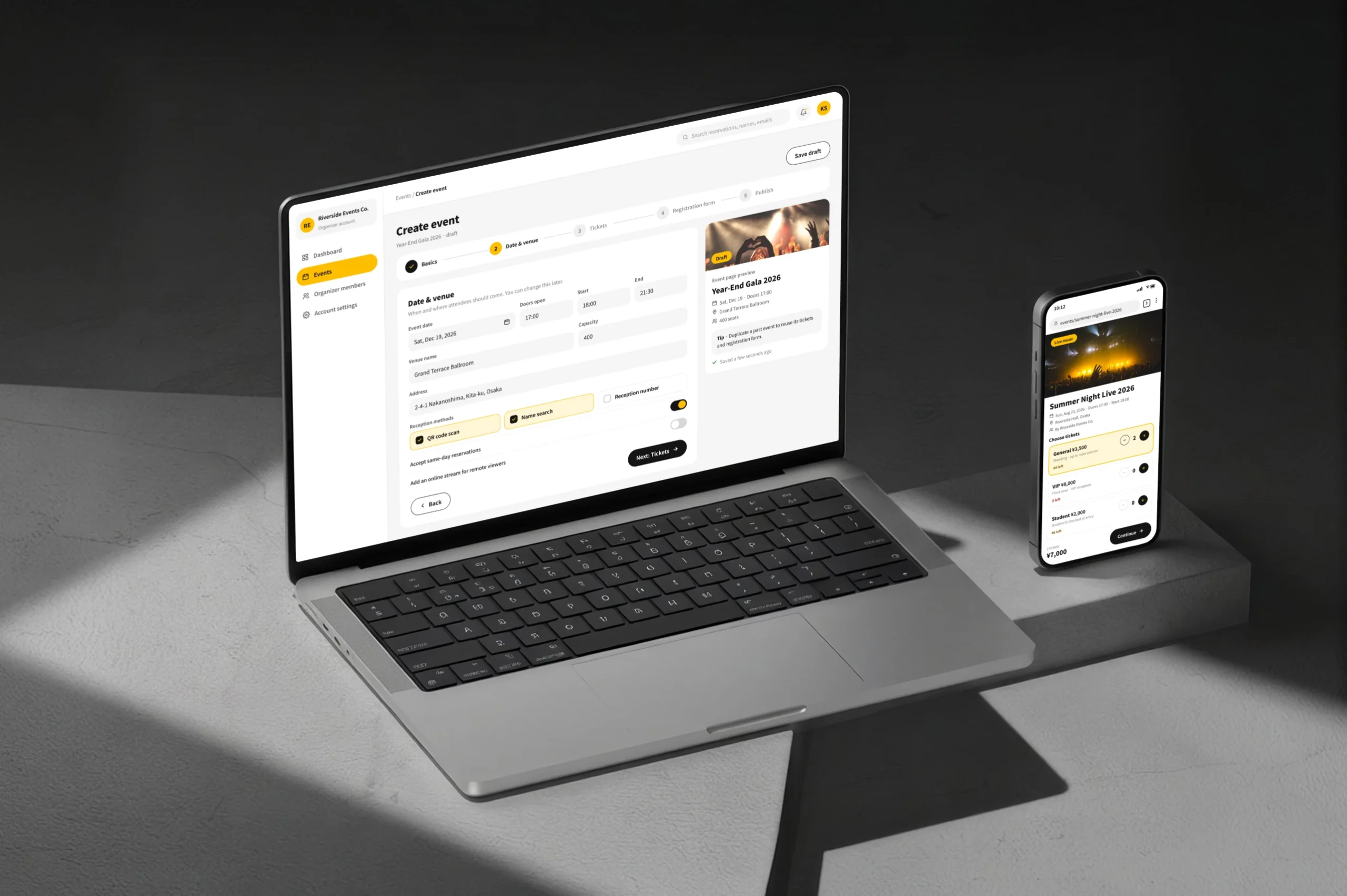
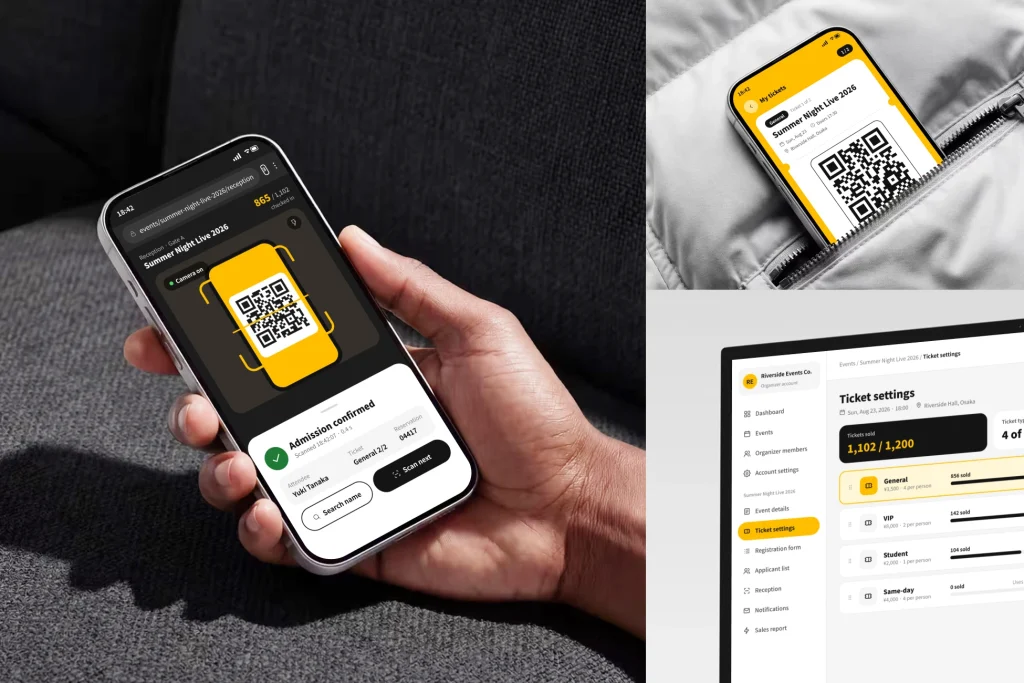
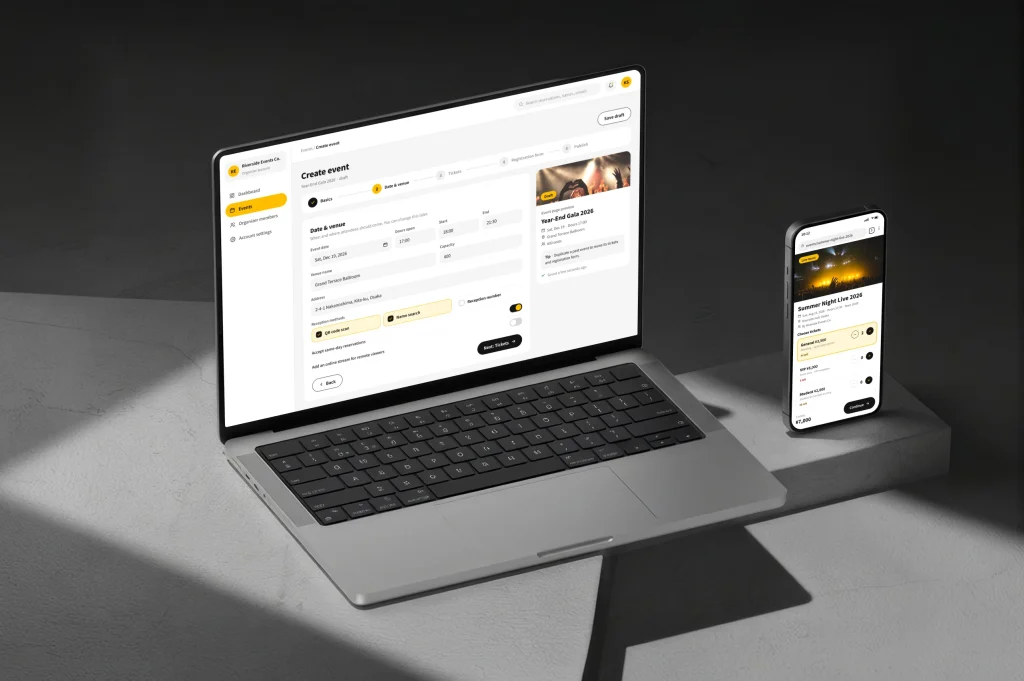
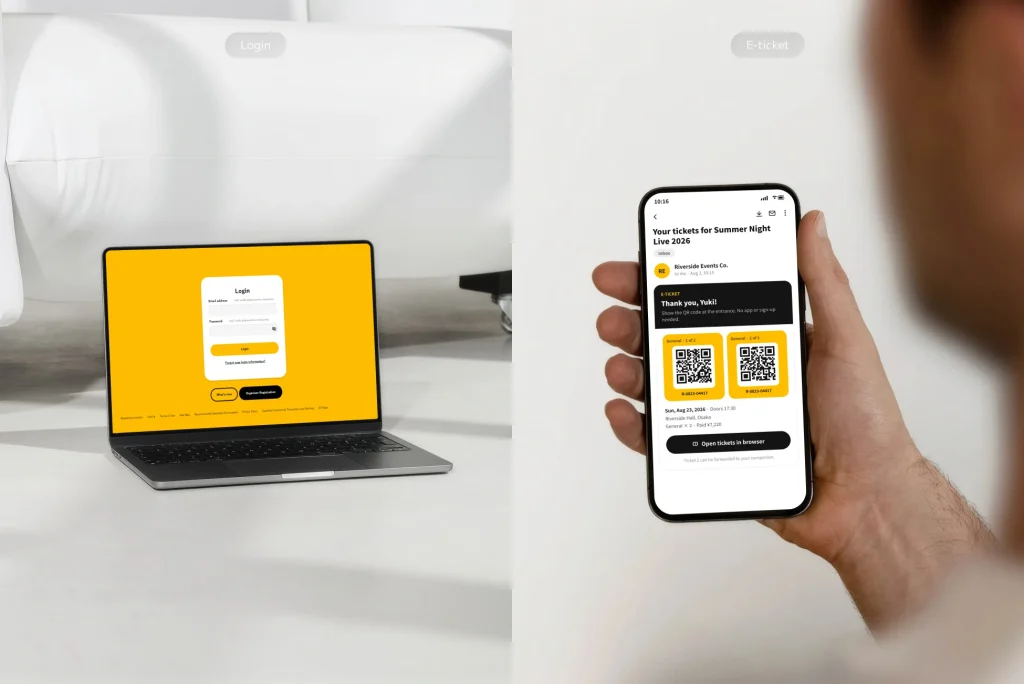
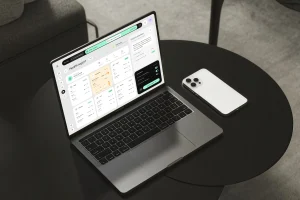
Newwave Solutions structured the system around the full event operation flow, from event setup to attendee entry. On the organizer side, the platform supported event creation, customizable registration forms and participant data management. On the attendee side, QR code tickets allowed participants to present tickets by smartphone during venue check-in. The browser based model was central to the approach. Event staff needed to operate the system on common devices without special setup, especially when working across different venues. By connecting registration, ticket confirmation and check in in one workflow, the system reduced manual handoffs and made live event entry easier to control.
Technical Decisions


Risk Handling
The critical risk was not ticket generation itself, but ticket accuracy during live event pressure. Registration, QR validation and check in could happen in parallel across many users, so any processing issue could quickly turn into delayed reception, incorrect confirmation or disrupted attendee flow. Newwave Solutions controlled this risk by keeping the workflow focused on the most business-critical actions: event setup, form submission, QR issuance, and check in confirmation. The team also performed testing and deployment across the required environments to check key user actions and support stable event operations.
Collaboration Model
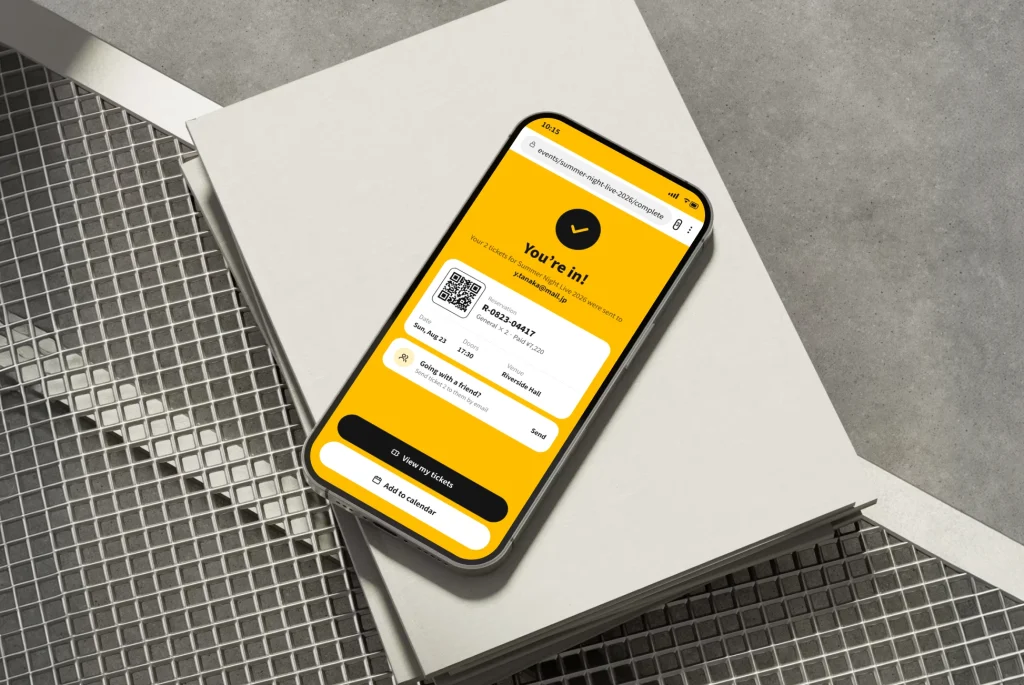
The project was delivered through a fixed price basis, with a 2-engineer team covering requirement analysis, system design, development, testing, and deployment. Running from April 2021 to June 2021, the engagement focused on turning a defined ticketing scope into a practical web system for real event operations. With event creation, registration form setup, QR ticket issuance and check in connected in one workflow, the team kept requirements and user actions aligned so the client could replace manual ticketing work with a browser-based operation model.
Platform Capabilities
-
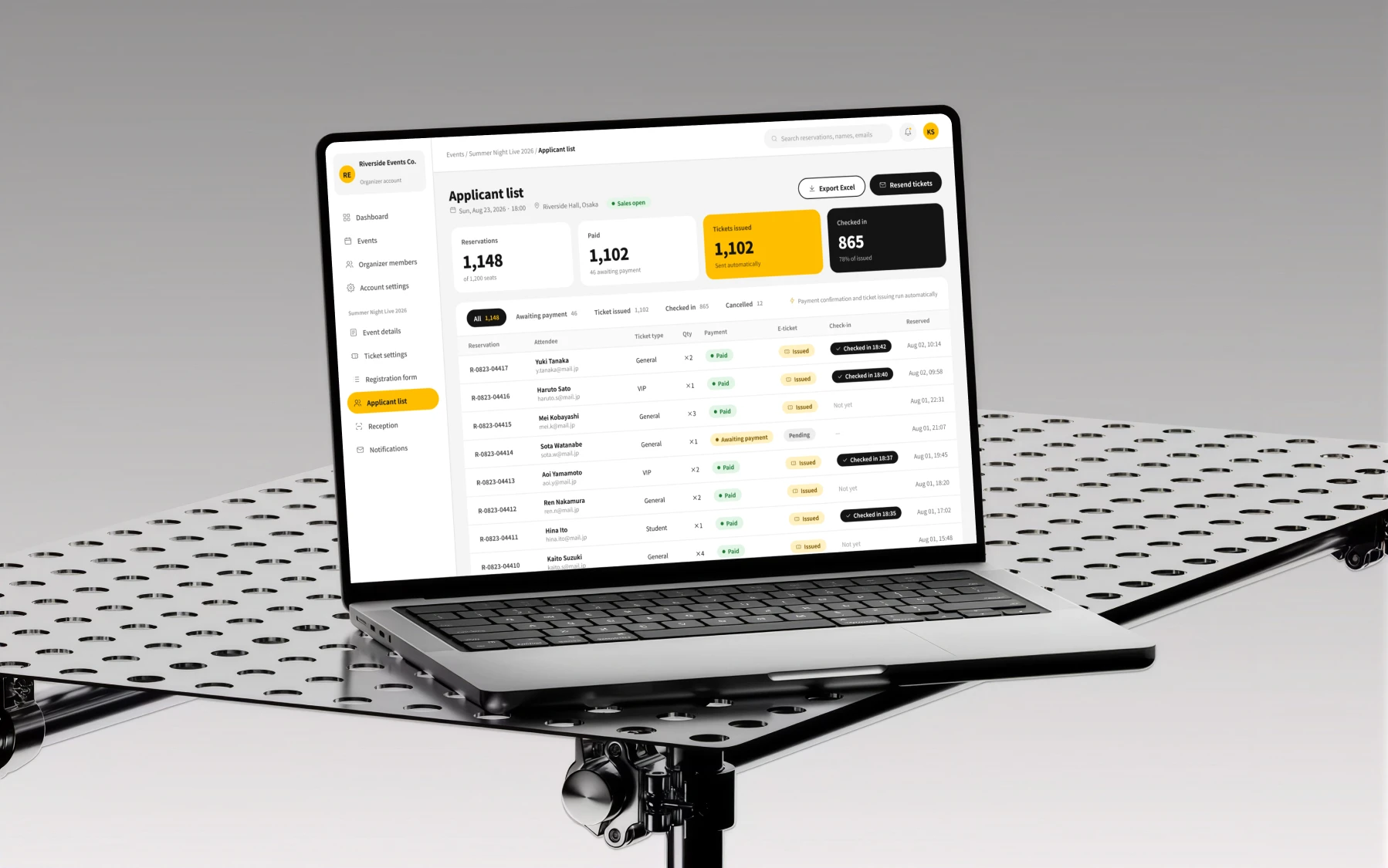
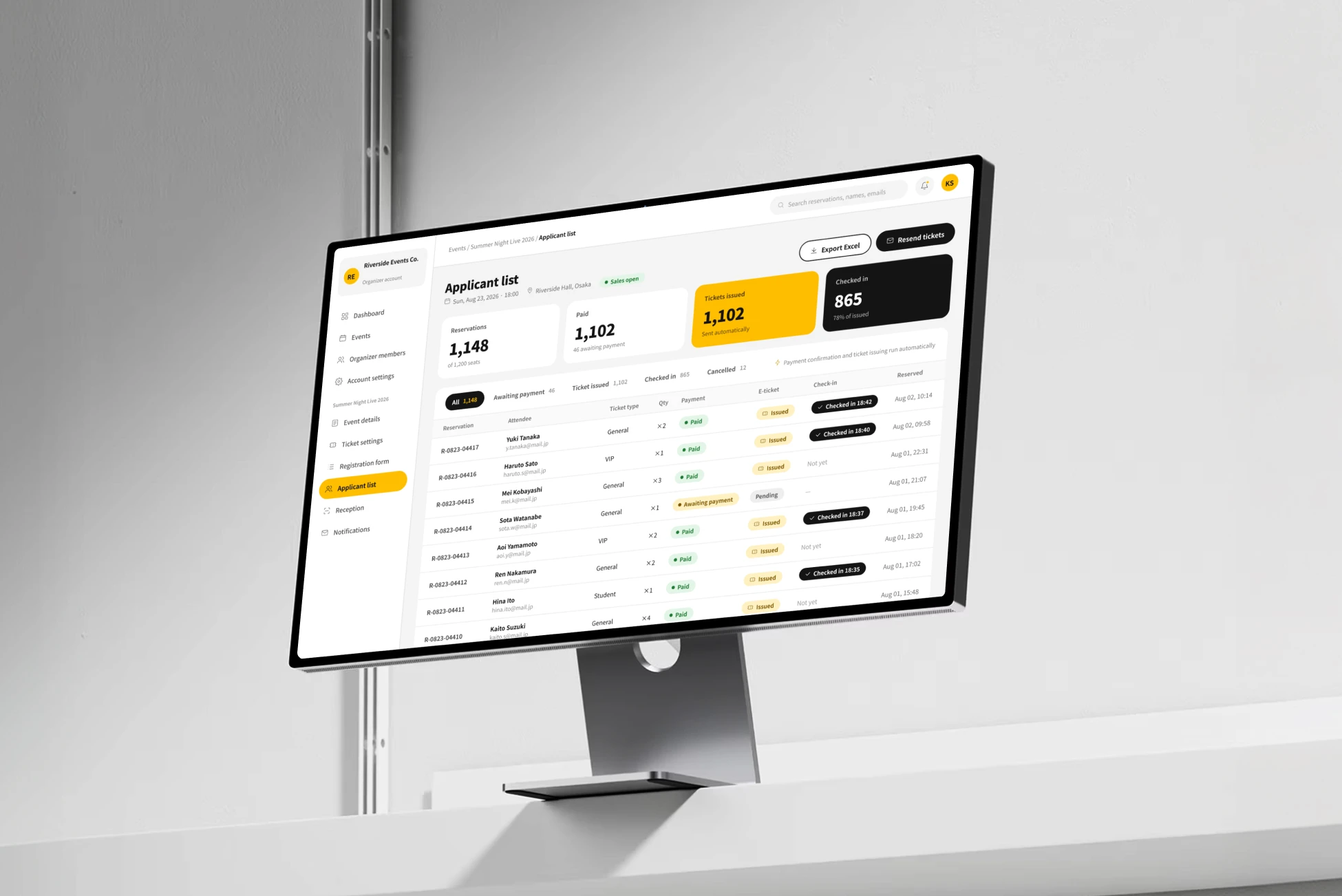
Automated ticket sales workflow
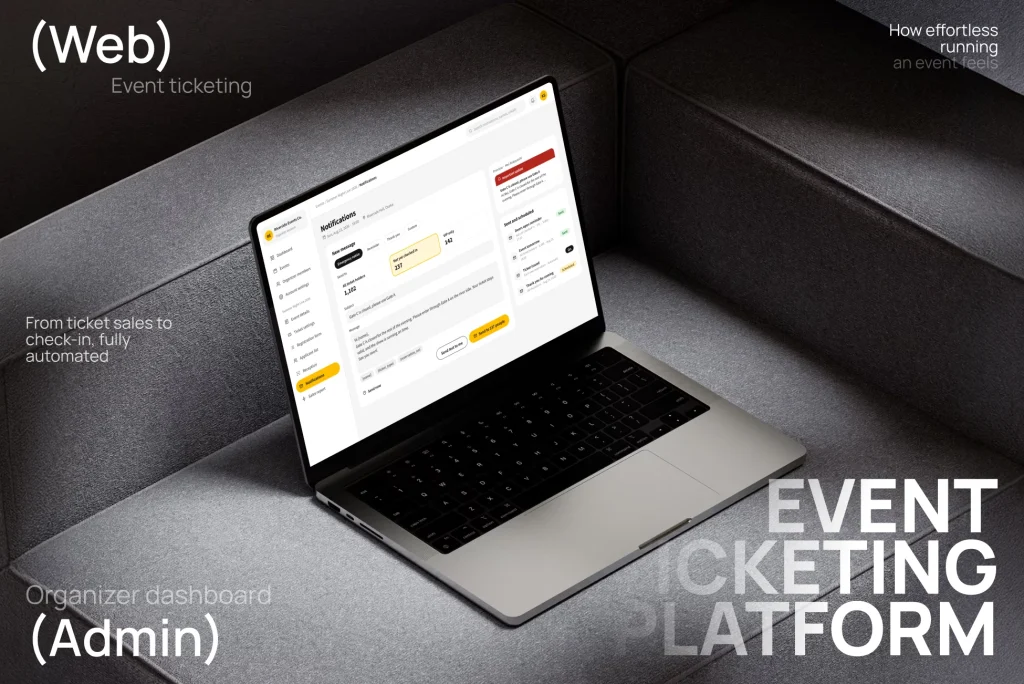
Ticket registration, confirmation, and management moved into one digital workflow. By replacing repeated manual confirmation with one digital workflow, the system reduced the amount of staff effort needed for registration tracking, ticket validation and attendee entry preparation.
-
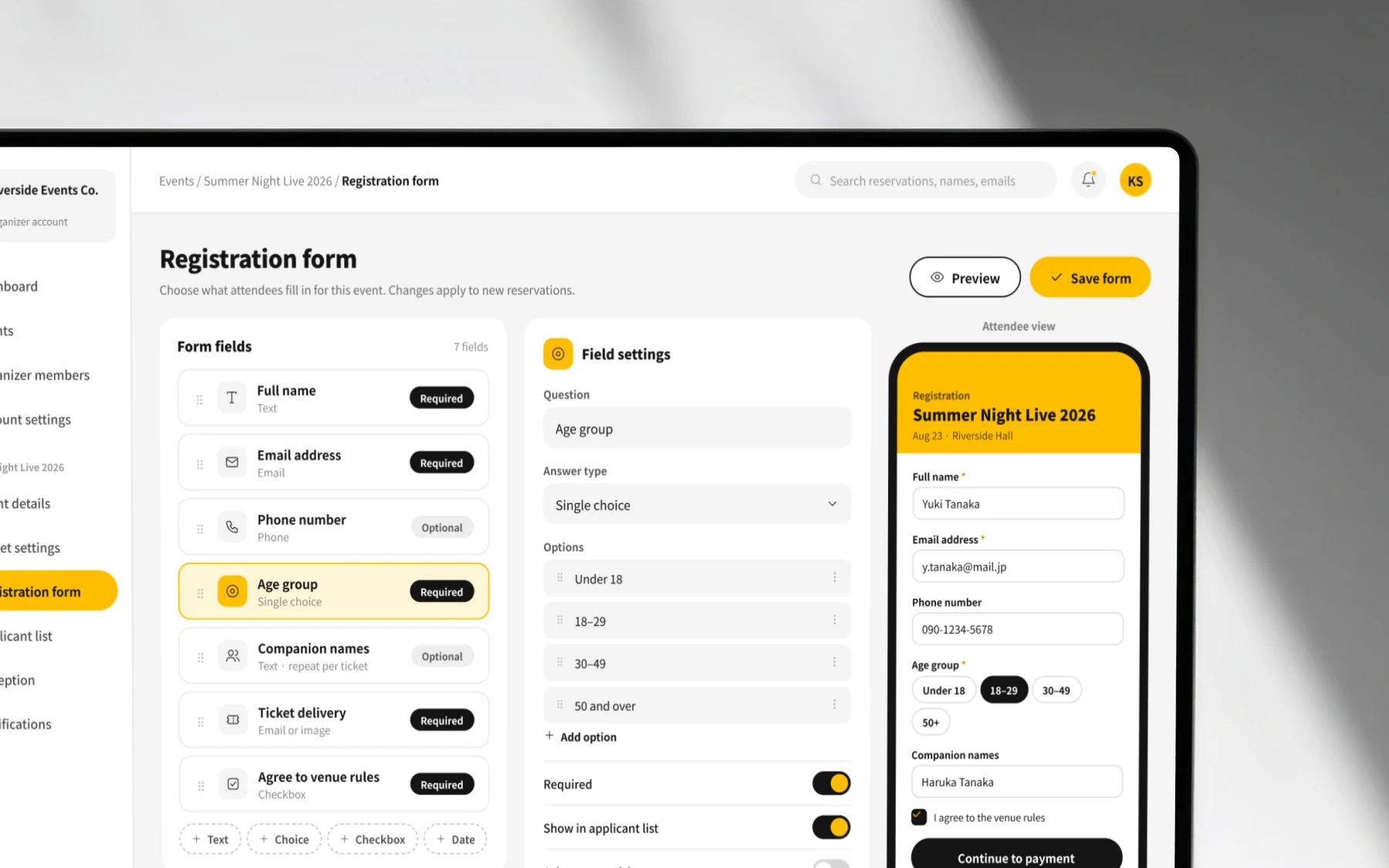
Custom registration form setup
Event managers could adjust registration forms for each event, giving the business better control over participant data collection and reducing the need for ad hoc manual tracking.
-
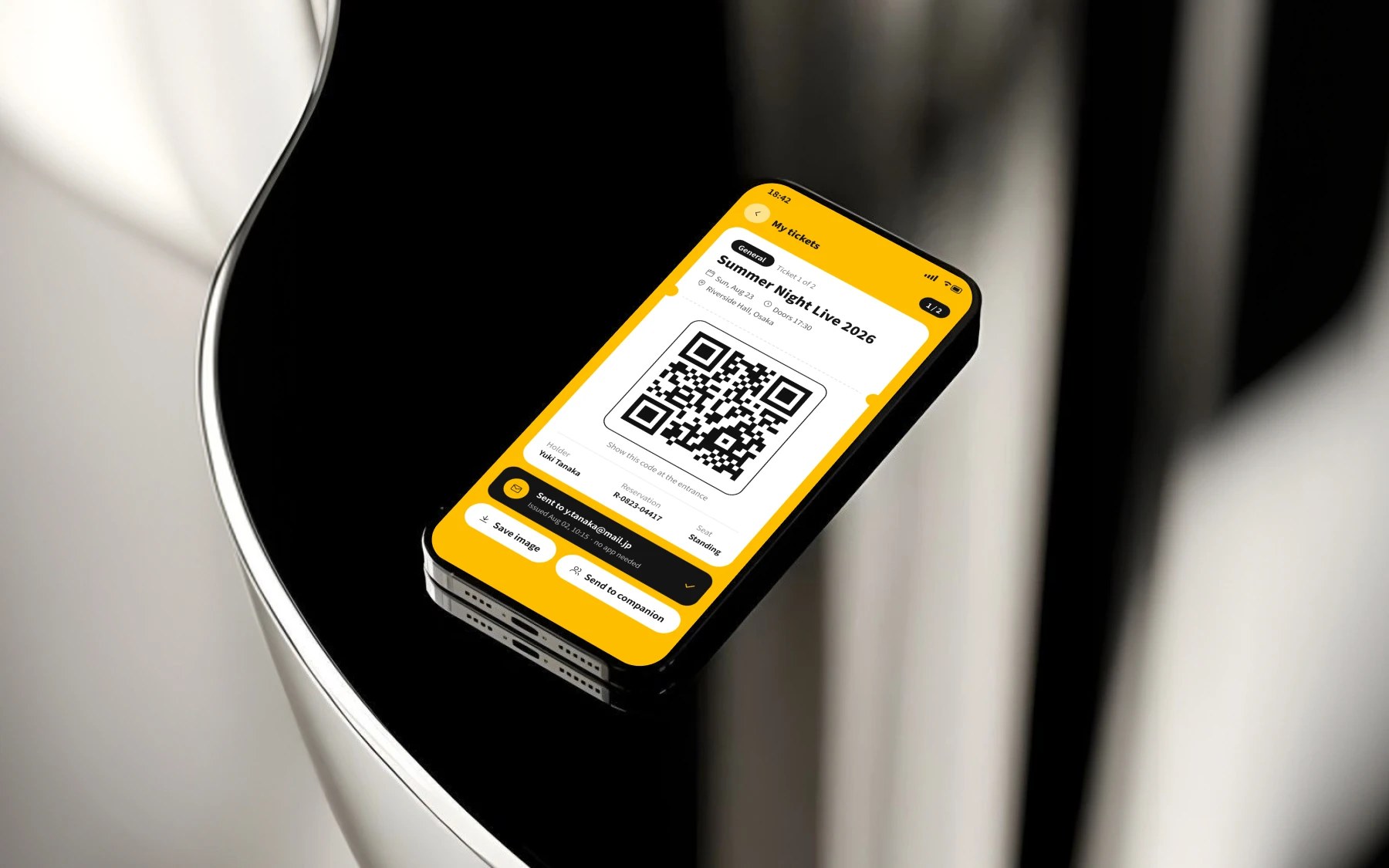
QR code ticket issuance
Smartphone based QR tickets made ticket confirmation faster at the venue, reducing paper handling and lowering the risk of entry delays during peak check in time.
-
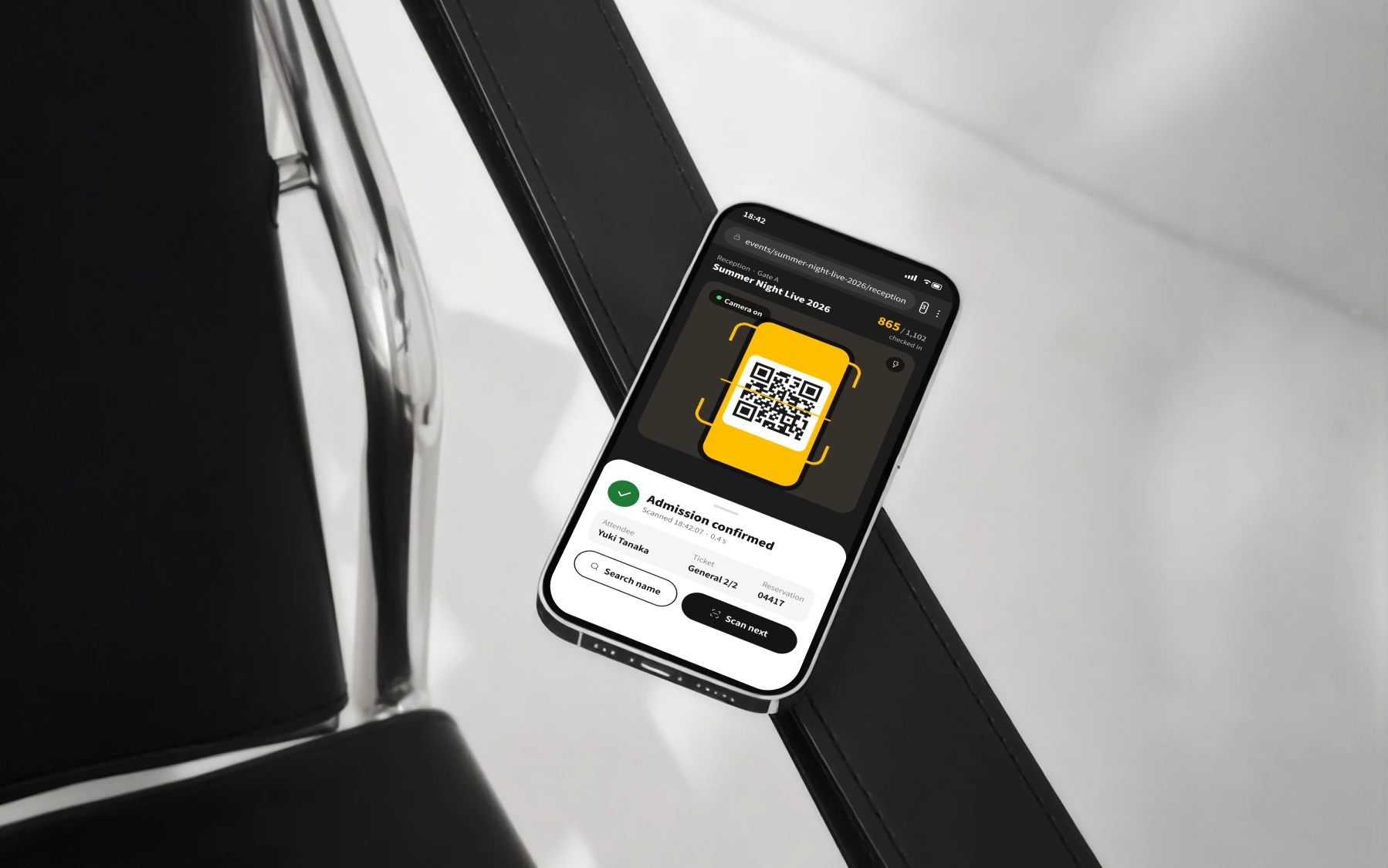
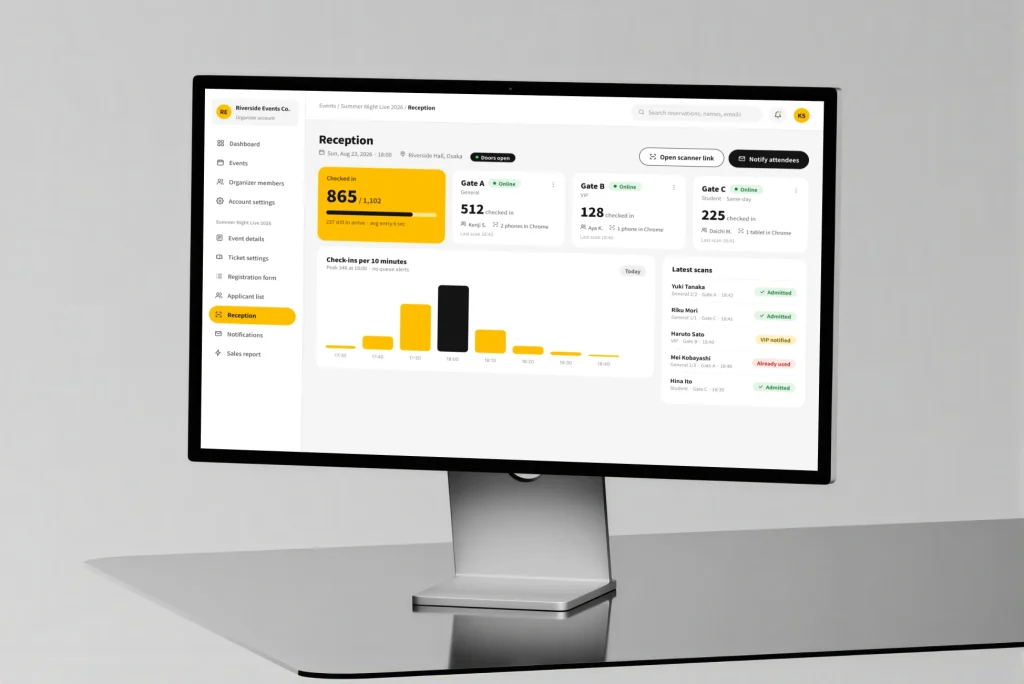
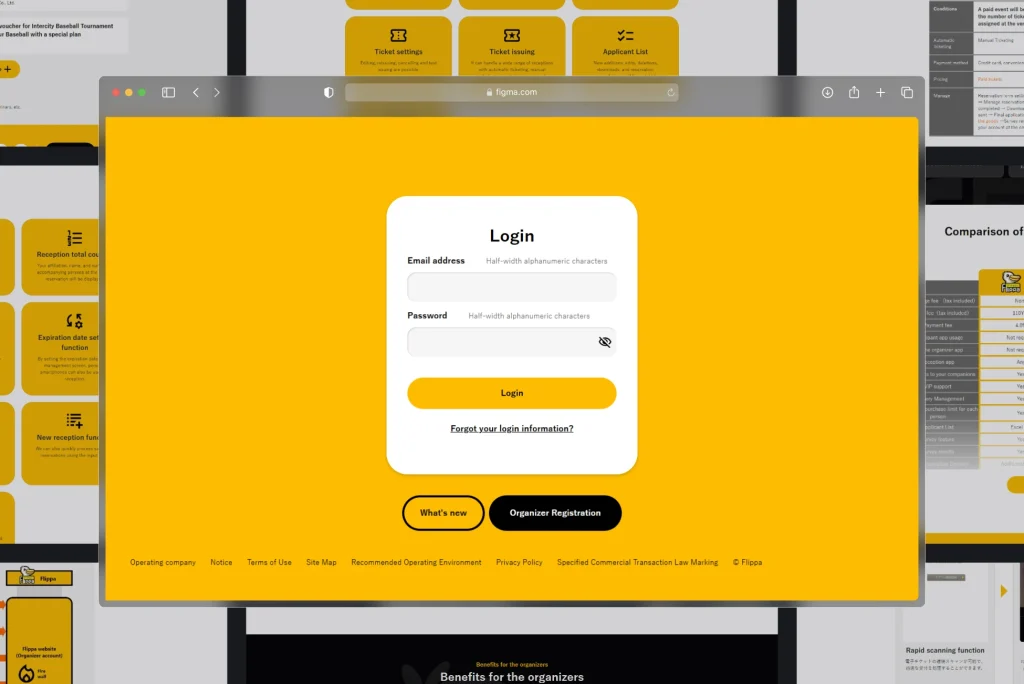
Browser based check in operation
Event staff could operate check in through Chrome on common devices, making the system easier to deploy across different event environments without extra setup cost or device dependency.
-
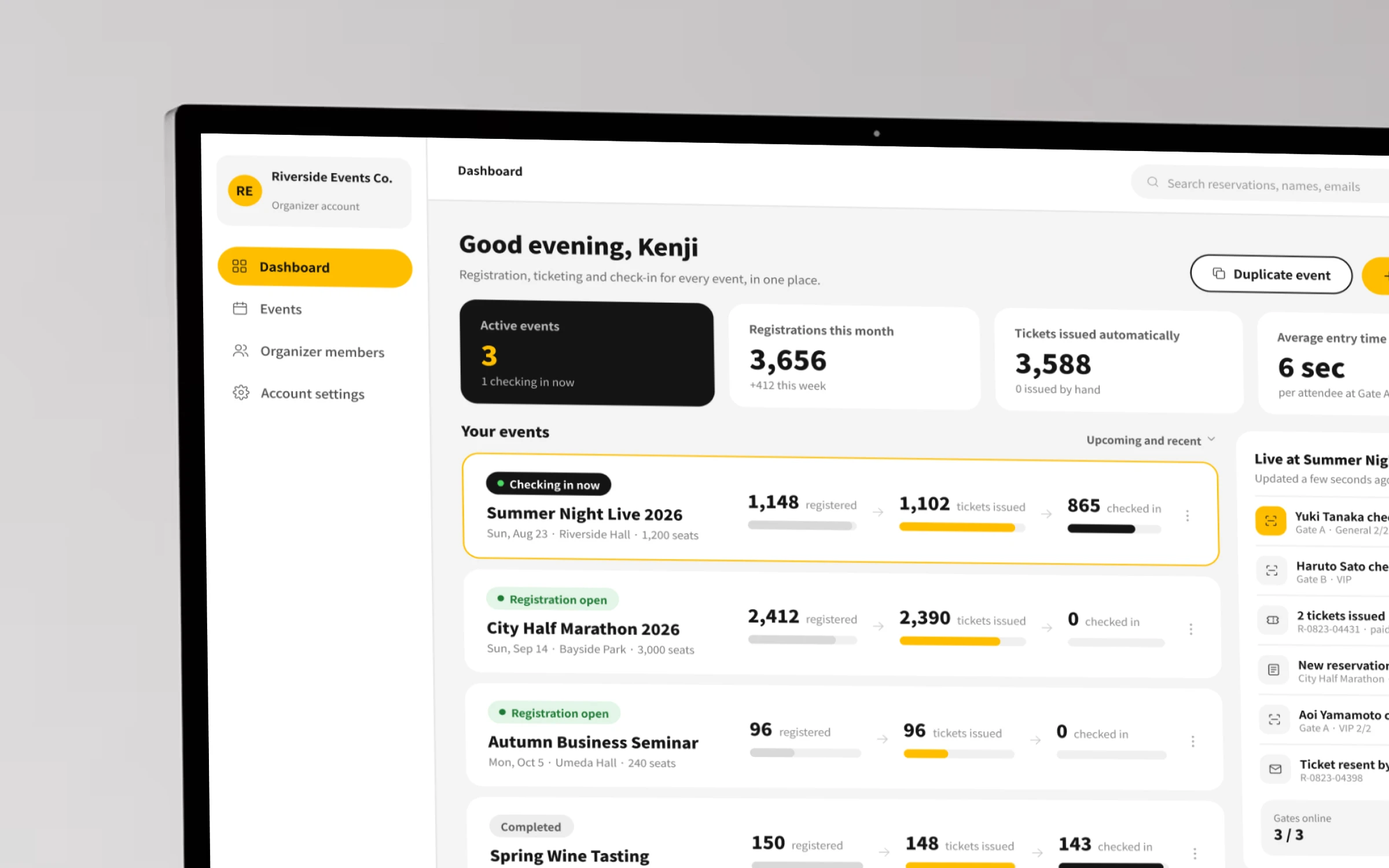
Stable event operation foundation
Registration, ticket issuance and check in were connected in one system, giving the client a more reliable operating base for real events and reducing disruption risk during attendee entry.
Business Impact
A key business value came from making event operations easier to repeat across different venues. Because the web app ran through Chrome on common devices, the client could reduce setup friction, avoid dependence on specialized equipment and give event staff a familiar workflow for registration and check in. This made the ticketing process easier to control before the event and more practical to operate during live attendee entry.
Key business impacts included:
- Lower operating effort: Registration tracking, ticket confirmation and attendee validation moved into one system, reducing repeated staff coordination.
- Improved live event readiness: QR based validation and browser based access made check in easier to deploy and operate on common devices.
- Reusable event operation model: The client gained a repeatable workflow for future events, reducing the need to rebuild manual processes for each new event.
Related Case Studies
Let’s Build Something Extraordinary
Sign up for a 30 min no-obligation strategic session with us. Transform your Ideas into scalable reality.